
Denied Entry at Immigration: Reasons, What Happens & What to Do
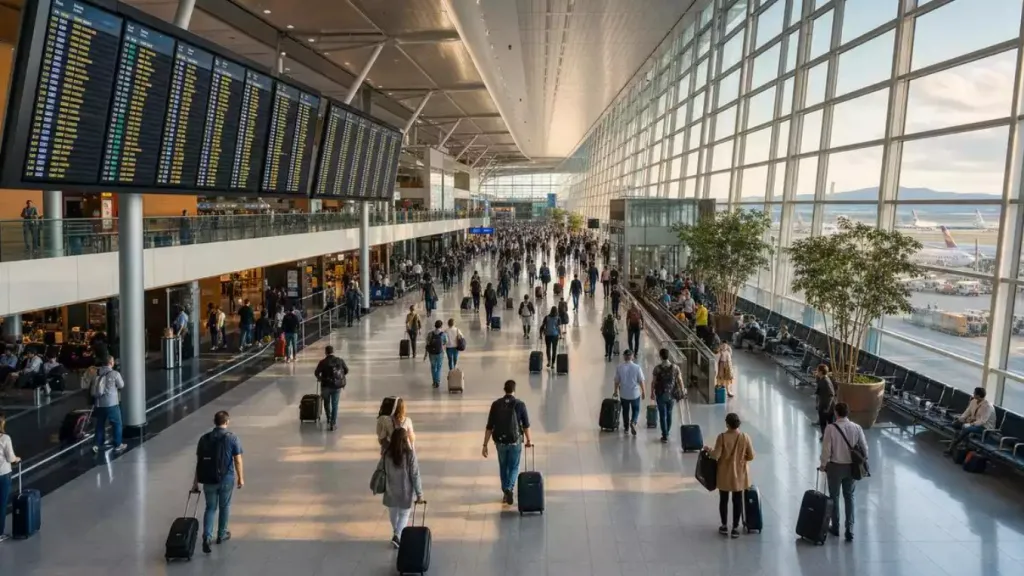
Imagine travelling halfway across the world, surviving a long-haul flight, clearing your luggage and finally reaching immigration, only to hear the words: “You are not permitted to enter this country.”
Your visa is valid, your hotel is booked, your return ticket is confirmed, and you have planned this holiday for months. Yet, the immigration officer refuses to let you through.
Getting denied entry at immigration is one of the most stressful situations a traveller can experience. And here's something many people don't realise: having a valid visa does not automatically guarantee permission to enter a country.
Immigration officers at the destination airport have the authority to question travellers, verify their documents and, in certain circumstances, refuse admission.
Whether you're travelling for tourism, business, studies or visiting family, understanding why entry can be denied and what happens afterwards can save you from an extremely unpleasant travel experience.
In this guide, we explain the common reasons travellers get refused entry, what happens at the airport, what to do if it happens to you and how to reduce the chances of facing this situation.
1. Why Do Immigration Officers Deny Entry to Travellers?
There isn't just one reason why someone can be refused entry. Immigration authorities assess whether a traveller meets the country's entry requirements and whether their stated purpose of travel is consistent with their documents and answers.
Here are some of the most common reasons.
1.1 Incomplete or Incorrect Travel Documents
Even a small documentation mistake can create problems at immigration.
Some common examples include:
A passport that does not meet the destination's validity requirements.
A damaged passport or unreadable visa.
An incorrect visa category.
Missing travel authorisations or supporting documents.
A visa that has expired or has already been used for its permitted number of entries.
For instance, a traveller arriving in Europe with a Schengen visa may be questioned if their itinerary, accommodation or supporting documents do not match the information provided during their visa application.
1.2 Suspicion About the Purpose of Travel
One of the most common reasons for additional immigration questioning is uncertainty about why someone is visiting.
Imagine telling an immigration officer that you are travelling to the UK for a seven-day holiday, but you cannot explain where you are staying, which cities you intend to visit or when you plan to return.
This does not automatically mean you will be denied entry. However, inconsistent or unclear answers can raise concerns.
Officers may want to establish whether you are genuinely visiting for tourism, attending business meetings, studying or intending to undertake activities that your visa does not permit.
1.3 Insufficient Proof of Funds
Some countries require visitors to demonstrate that they can financially support themselves during their stay.
You may be asked to show:
Recent bank statements.
Credit or debit cards.
Proof of employment or income.
A sponsorship letter, where applicable.
Evidence that accommodation and onward travel have been arranged.
For example, Schengen entry conditions include having sufficient financial means for the intended stay and return journey.
There is no single financial amount applicable to every country. Requirements can vary depending on the destination, duration of stay and individual circumstances.
1.4 Suspicion of Illegal Employment
A tourist visa is not a work permit.
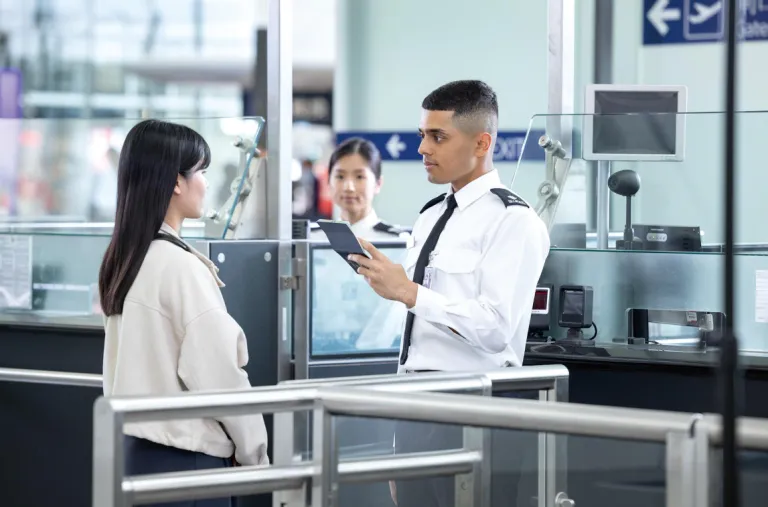
If an immigration officer suspects that a traveller intends to work illegally, they may question them further or refuse entry.
For example, someone entering a country on a tourist visa while carrying employment contracts, job-related correspondence or documents suggesting an intention to take up unauthorised employment may face additional scrutiny.
Always check what activities your visa category actually permits.
1.5 Previous Immigration Violations
Your previous international travel history can matter.
Immigration authorities may examine whether you have:
Overstayed a previous visa.
Worked without authorisation.
Violated visa conditions.
Previously been deported or refused entry.
Provided incorrect information in an earlier visa application.
A previous refusal does not automatically mean every future application will be rejected. However, certain immigration violations can have serious consequences for future travel eligibility.
1.6 Suspicious or Contradictory Answers
Immigration officers may ask simple questions such as:
What is the purpose of your visit?
How long are you staying?
Where will you be staying?
Who is paying for your trip?
What do you do for a living?
When is your return flight?
Problems arise when answers contradict the documents or information submitted earlier.
For example, if your hotel booking shows a stay of five days but you tell the officer that you intend to stay for three weeks, they may ask for an explanation.
Important: Being nervous is not, by itself, proof of wrongdoing. Travellers should answer honestly rather than memorising artificial responses.
1.7 Security or Public Safety Concerns
Countries can refuse entry based on certain security, criminal, public-health or other legal grounds.
Depending on local immigration law, this may include:
Relevant criminal convictions.
Security-related concerns.
Previous immigration enforcement records.
Certain public-health grounds.
Restrictions or alerts in immigration databases.
These decisions are highly dependent on the country's laws and the individual's circumstances.
2. What Happens When You Are Denied Entry at Immigration?

Being refused entry does not necessarily mean you will immediately be placed on the next available flight. The procedure depends on the destination country and the circumstances of the case.
Here is what may happen.
Step 1: You May Be Taken for Secondary Inspection
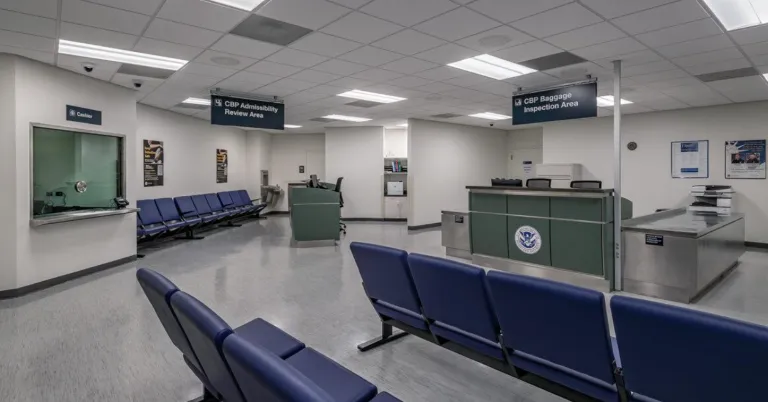
If the immigration officer is not satisfied with your initial answers or documents, you may be directed to a separate interview or inspection area.
During this process, officers may:
Ask additional questions about your trip.
Examine your travel documents.
Verify hotel reservations and return tickets.
Check relevant immigration records.
Request supporting evidence.
This is often called secondary inspection. It does not automatically mean that entry will be refused.
Step 2: A Decision Is Made
After examining the available information, immigration authorities decide whether to admit you or refuse entry.
If you are refused, ask for the reason and whether you will receive a written decision.
In the UK, for example, travellers refused entry are informed in writing about the reason, whether an appeal is possible and when they will be removed from the country.
Step 3: You May Be Required to Leave the Country
If entry is refused, you may be required to return to your departure country or another country that will accept you.
Depending on the circumstances:
Your airline may arrange a return flight.
You may have to wait for the next available flight.
You may remain in an airport holding or transit area.
You may be subject to immigration supervision while arrangements are made.
The exact arrangements depend on local law, airline procedures and the circumstances of the refusal.
Step 4: Your Passport and Travel History May Be Affected
A refusal of entry can become part of your immigration record.
Depending on the country and the reason for refusal, it may affect future visa applications or travel authorisations.
However, a refusal of entry does not automatically mean you are permanently banned from that country.
The important thing is to understand the reason behind the decision and disclose previous refusals truthfully when future applications ask about them.
3. How Different Countries Handle Immigration Refusals
Immigration procedures are not identical around the world. Here are a few important differences travellers should understand.
United States
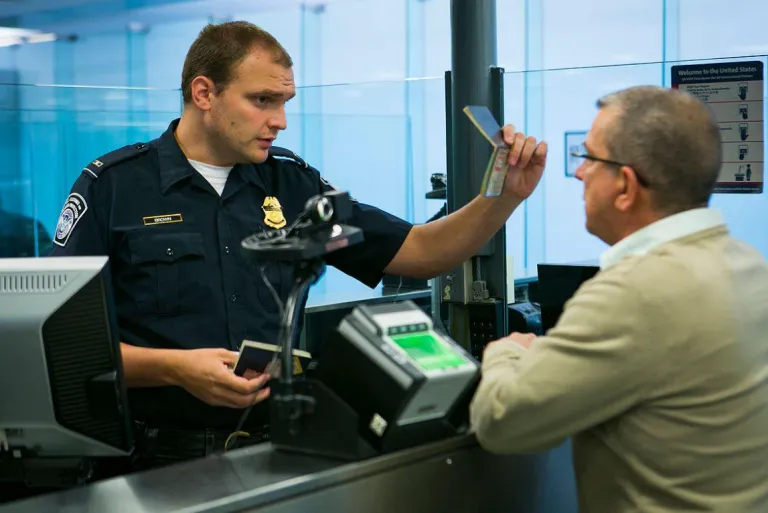
A valid US visa does not guarantee admission. Customs and Border Protection (CBP) officers make the final admission decision at the port of entry. Travellers may be questioned further or refused admission depending on their circumstances.
Official information: US Department of State
United Kingdom
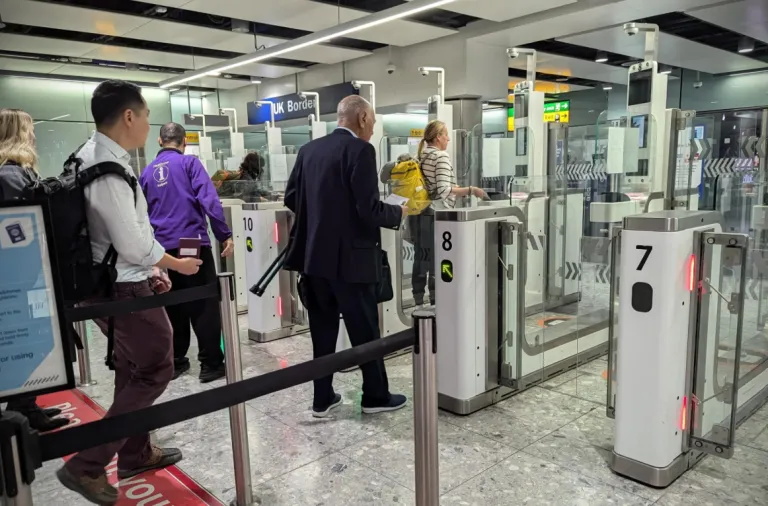
Border Force can refuse entry after examining a traveller's eligibility and circumstances. A refused traveller is generally given written information explaining the decision and any available appeal rights.
Official information: UK Border Control
Schengen Area
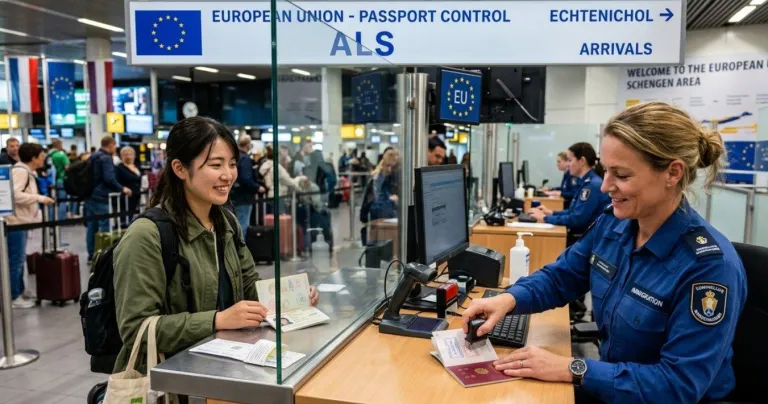
Travellers must satisfy the relevant entry conditions, including having appropriate travel documents, a visa where required, a justified purpose of stay and sufficient financial means. A refusal must be supported by stated reasons, and an appeal is available under the applicable national procedures.
Official information: EU Travel Requirements
4. What Should Indian Travellers Do If They Are Denied Entry Abroad?
For Indian travellers, being refused entry in another country can be particularly confusing, especially if it is their first international trip.
Here are some practical steps to follow.
1. Stay calm and cooperate. Avoid arguing aggressively with immigration officers or attempting to leave the designated inspection area without permission.
2. Ask for the reason in writing. Request a copy of the refusal decision and clarify whether the decision can be appealed or reviewed.
3. Contact the Indian Embassy or Consulate. If you believe you are being treated unfairly, need consular assistance or are facing difficulties, contact the nearest Indian diplomatic mission.
The Ministry of External Affairs explains that Indian embassies and consulates may take up cases with local authorities where an Indian national believes they are being unfairly deported. However, they generally cannot prevent deportation for a genuine violation of local immigration laws.
4. Inform your airline. Ask about return-flight arrangements, ticket changes and any additional charges.
5. Keep copies of all documents. Preserve your refusal notice, travel tickets, visa, accommodation bookings and any communication with immigration authorities.
6. Seek qualified immigration advice if necessary. If the refusal involves alleged misrepresentation, a previous violation or a potential entry ban, professional legal advice may be useful before attempting to travel again.
5. How to Avoid Getting Denied Entry at Immigration
While no traveller can guarantee admission, a little preparation can significantly reduce the chances of facing problems at the airport.
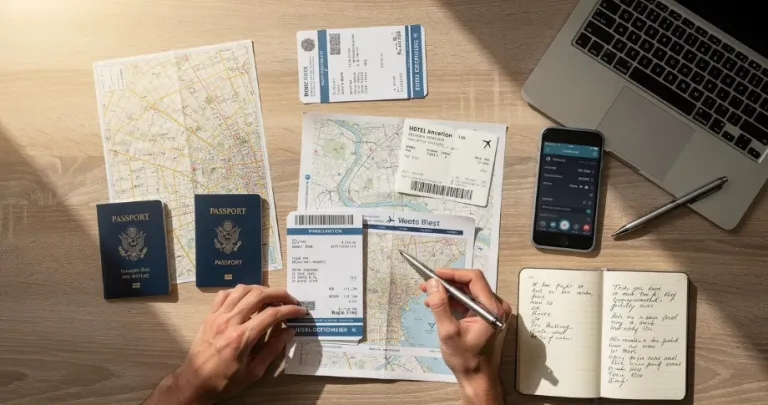
Here are eight things to do before your next international trip.
1. Check your visa conditions: Understand the permitted purpose, duration and number of entries. Do not assume that a tourist visa allows every type of activity.
2. Carry proof of accommodation: Keep hotel confirmations, host addresses or invitation letters accessible.
3. Keep your return ticket handy: Immigration officers may want to establish when you intend to leave.
4. Have proof of sufficient funds: Carry access to funds and supporting financial documents where required.
5. Know your itinerary: Be familiar with the cities you plan to visit, the duration of your stay and your accommodation arrangements.
6. Check passport validity: Verify the destination's passport validity requirements before booking your trip.
7. Be honest about your travel purpose: Never provide misleading information about employment, finances, accommodation or the reason for your visit.
8. Declare restricted items: Check customs and import regulations before carrying food, medicines, commercial goods or other restricted items.
A useful tip is to save digital copies of your essential documents and keep offline access to them. Airport Wi-Fi and mobile networks are not always reliable.
6. Does Travel Insurance Cover Immigration Refusal?
This is something many travellers overlook while purchasing travel insurance.
Most standard travel insurance policies do not automatically cover losses arising from being denied entry by immigration authorities.
For instance, if your hotel booking becomes non-refundable or you lose money on sightseeing reservations because you were refused entry, your policy may not reimburse these expenses.
However, coverage depends on the specific policy wording, exclusions and circumstances.
Before purchasing insurance, check:
Whether trip interruption or cancellation covers your particular situation.
Whether unused accommodation expenses are covered.
Whether emergency legal assistance is included.
Whether additional accommodation or transportation expenses are covered.
Whether immigration-related exclusions apply.
Do not assume that having comprehensive travel insurance means every expense resulting from an immigration refusal will be reimbursed.
7. Can You Travel to the Same Country Again After Being Denied Entry?
Yes, in some circumstances.
Being denied entry does not automatically prevent you from travelling to that country in the future. However, your ability to return depends on the reason for the refusal and the immigration decision issued against you.
Consider these possible situations:
Reason for refusal | Possible future outcome |
|---|---|
Missing supporting documents | You may be able to travel again with complete documentation |
Unclear travel purpose | You may need to provide stronger evidence of your intended visit |
Incorrect visa category | You may need to apply for the appropriate visa |
Previous overstaying | You may face additional scrutiny or an entry restriction |
Security or criminal grounds | You may face significant legal restrictions |
If you are planning another trip, first establish whether you have been issued an entry ban, whether your visa has been cancelled and whether you need to apply again.
Never assume that purchasing a new ticket or obtaining another visa automatically resolves a previous refusal.
8. Common Mistakes Travellers Make at Immigration
Sometimes, travellers create unnecessary complications because they underestimate the importance of immigration checks.
Avoid these mistakes:
Memorising answers instead of understanding your actual travel plans.
Providing different information from what appears in your visa application.
Depending entirely on a friend or travel agent for your travel documents.
Assuming that a confirmed flight ticket guarantees entry.
Carrying insufficient evidence of accommodation or financial arrangements.
Concealing previous immigration refusals.
Becoming argumentative when an officer asks additional questions.
Remember, immigration officers are not expecting every tourist to have an elaborate travel plan. They generally need clear, truthful and consistent information to assess whether the traveller meets the entry requirements.
Frequently Asked Questions (FAQs)
1. Can you be denied entry even if you have a valid visa?
Yes. A valid visa generally allows you to travel to a country's border and request admission. It does not necessarily guarantee entry. Immigration authorities make the final decision according to their country's laws.
2. What happens to your luggage if you are denied entry?
Your checked-in luggage may be retrieved or handled separately by airport authorities and the airline. The exact process depends on the airport and airline. Contact airline staff to understand how your baggage will be returned.
3. Will you be sent back to your home country immediately?
Not necessarily. You may have to wait for an available return flight or other arrangements. Depending on the country, you could remain in a designated airport holding area while the process is completed.
4. Does getting denied entry mean you are deported?
Not always. Refusal of admission and deportation are distinct immigration processes, although terminology and legal consequences vary between countries. A traveller refused admission may be returned without first being formally admitted into the country.
5. Can immigration officers check your phone?
In certain countries, border authorities have legal powers to examine electronic devices in specific circumstances. The scope of these powers and the applicable safeguards vary considerably. Check the destination's official border guidance before travelling.
6. Will a refusal of entry affect future visa applications?
It can. Some countries ask applicants to disclose previous visa refusals, entry refusals or removals. Answer these questions accurately and provide an explanation if required.
7. Can the Indian Embassy help if you are denied entry abroad?
Yes, the Indian Embassy or Consulate may provide consular assistance and, in appropriate cases, communicate with local authorities. However, it cannot ordinarily overturn a lawful immigration decision or guarantee your admission.
Conclusion
Getting denied entry at immigration can turn an exciting international holiday into an expensive and stressful experience. Even travellers with valid visas, confirmed flights and hotel reservations can face additional questioning or refusal if they do not satisfy the destination's entry requirements.
The best way to prepare is to understand your visa conditions, organise your supporting documents and be honest about your travel plans.
Ultimately, a visa gets you to the border, but meeting the country's entry requirements gets you through it.
A little preparation before departure can make a significant difference to your international travel experience.
Published at
About Author

Atihsin
Subscribe our Newsletter
Get our weekly tips and travel news!
Related Posts
Travel Guide to Dubai from India 2023
Welcome to the enchanting realm of Dubai, where ancient traditions seamlessly blend with futuristic marvels. In this comprehensive travel guide, we embark on a captivating journey from India to the dazzling desert metropolis of Dubai. From informatio...
What to Expect When Travelling to London: Expectations vs Reality
Given the increasing migration inflow to London every year, the defining features of London as a place of endless job opportunities, stunning architecture, and history, as well as the alluring Brit...
What to Expect When Travelling to Nepal: Expectations vs. Reality
What comes to your mind when you first think about Nepal? Majestic views of the sunrise against the snow capped peaks of the Himalayan mountains, rows of colorful prayer flags fluttering in the cri...
What to Expect When Travelling to Santorini: Expectations vs Reality
Santorini has long been a firm favourite on everyone’s bucket list. Even though the very essence of “The Greek Islands” does look stunning in travel magazines and social media, is...
Travel Guide to Vietnam from India 2023
Vietnam, with its captivating blend of ancient traditions and modern allure, beckons Indian travelers with open arms. This Southeast Asian gem boasts a rich cultural tapestry, breathtaking landscapes, and a vibrant street food scene that will leave y...
Latest Posts
Hotel Booking Scams: 10 Common Tricks Travellers Should Watch Out For
Fake hotel websites, fraudulent payment links and misleading accommodation listings can ruin a holiday before it begins. Learn how hotel booking scams work, how to spot warning signs and what to do if you become a victim.
Missed your international connecting flight due to delays, immigration queues or terminal changes? Here's what happens next, who pays for a replacement ticket and how to avoid getting stranded.
Vietnam Airlines has launched four weekly direct flights between Ahmedabad and Hanoi from November 3, 2026. Check flight timings, operating days and route details.
Losing Your Passport Abroad: What to Do, How to Get an Emergency Travel Document and Return Home
Lost or stolen passport while travelling internationally? Here's a step-by-step guide for Indian travellers to report the loss, obtain emergency documents and get home.
Medical Emergencies Abroad: What to Do, Where to Get Help and How to Stay Prepared
From unexpected hospital visits to medical evacuations, here's how to handle medical emergencies abroad, understand insurance and get help when you need it most.