
Medical Emergencies Abroad: What to Do, Where to Get Help and How to Stay Prepared
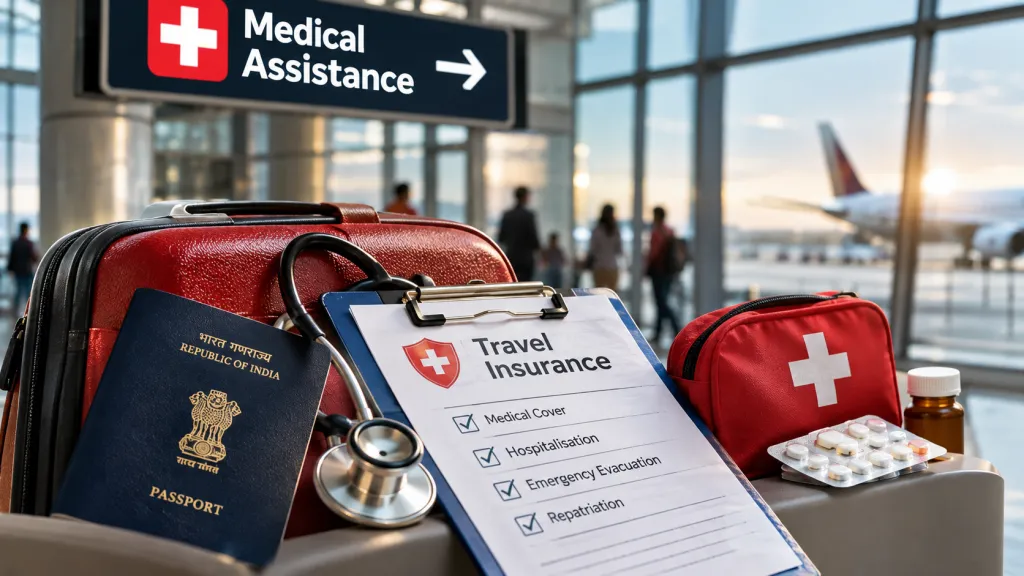
Imagine you're enjoying your holiday in a foreign country when suddenly you experience severe stomach pain, meet with an accident, develop a high fever or have an allergic reaction. You're miles away from home, unfamiliar with the healthcare system, possibly struggling with the local language, and unsure whom to contact.
A medical emergency is stressful anywhere, but experiencing one in another country can make an already frightening situation much worse.
Whether you're travelling solo, backpacking across Europe, exploring Southeast Asia or taking a family vacation, knowing how to access medical assistance abroad is essential.
From finding the nearest hospital to contacting your travel insurance provider, here's everything you need to know about handling medical emergencies while travelling internationally.
1. Identify the Emergency and Seek Medical Help Immediately
The first and most important step is not to panic or waste time trying to figure everything out yourself.
If you experience a serious injury, difficulty breathing, chest pain, severe allergic reaction, loss of consciousness, heavy bleeding or another potentially life-threatening condition, contact the local emergency services immediately.
Unlike India, where many travellers are familiar with emergency numbers such as 112, different countries have different emergency response systems.
For example:
Country | Emergency number |
|---|---|
United States | 911 |
United Kingdom | 999 or 112 |
European Union | 112 |
Australia | 000 |
Japan | 119 for ambulance and fire |
Thailand | 1669 for ambulance |
Singapore | 995 for ambulance |
South Korea | 119 |
Save the emergency number for your destination before travelling. Also remember that emergency numbers and services can differ between countries and regions.
If you're unable to make the call yourself, ask someone nearby, a hotel receptionist, tour guide or local police officer to contact emergency services.
Important: Don't attempt to travel long distances or drive yourself to a hospital if your condition requires emergency assistance.
2. Find the Right Hospital or Medical Facility
Not every medical facility offers the same level of treatment. A small clinic may be sufficient for minor infections or injuries, but serious medical conditions may require a specialised hospital.
Depending on your condition, you may need:
Emergency departments: For accidents, severe injuries and sudden illnesses.
General hospitals: For diagnosis, treatment and hospitalisation.
Specialist hospitals: For cardiac emergencies, neurological conditions or other specialised treatment.
Urgent care clinics: For non-life-threatening conditions that require prompt attention.
If you're staying in a hotel, ask the reception desk to recommend a nearby reputable hospital. You can also check your travel insurer's list of approved medical facilities.
When choosing a hospital, consider its emergency facilities, available specialists, language support and whether it can handle your specific medical condition.
Don't delay emergency treatment simply because you're unsure which hospital is the best.
3. Contact Your Travel Insurance Provider Immediately
This is where having travel insurance can make a significant difference.
Medical treatment abroad can be expensive, particularly in countries such as the United States, Switzerland and Japan. Even a relatively short hospital stay can result in substantial bills.
Most comprehensive travel insurance policies offer some combination of:
Emergency medical expenses.
Hospitalisation and surgical treatment.
Ambulance services.
Emergency medical evacuation.
Repatriation in certain circumstances.
Emergency dental treatment, subject to policy limits.
Once you have received or arranged immediate medical assistance, contact your insurance provider through its 24-hour emergency helpline.
The insurer may help you locate an approved hospital, coordinate treatment, arrange a payment guarantee or explain the reimbursement procedure.
However, remember that not every hospital accepts direct insurance payments. You may have to pay upfront and claim reimbursement later.
Keep these documents safely:
Medical bills and payment receipts.
Doctor's prescriptions and medical reports.
Hospital admission and discharge summaries.
Diagnostic and laboratory reports.
Insurance claim forms.
Any other documents requested by your insurer.
Always check your policy's exclusions, coverage limits, deductibles and emergency contact requirements.
4. What If You Don't Speak the Local Language?
One of the most challenging situations during a medical emergency abroad is communicating with doctors and hospital staff.
Imagine trying to explain that you're allergic to a particular medication or describing your symptoms when you don't understand the language being spoken.
Here are a few ways to manage this situation:
Use translation applications: Apps such as Google Translate can help communicate basic symptoms, allergies and medical requirements. Download offline language packs before travelling.
Ask for an interpreter: Larger hospitals, particularly in popular tourist destinations, may offer multilingual assistance or access to professional interpreters.
Keep a medical information card: Carry a small card mentioning your blood group, known allergies, existing medical conditions, medication and emergency contact details.
Ask someone you trust for help: A hotel representative, tour guide, travel companion or local contact may help communicate with medical professionals.
For serious medical decisions, don't rely entirely on automated translation. Request a qualified interpreter whenever possible.
5. Contact the Indian Embassy or Consulate
If you're an Indian citizen experiencing a serious medical emergency abroad, the nearest Indian Embassy or Consulate can be an important point of contact.
This becomes particularly useful when you're hospitalised, travelling alone, unable to contact your family or facing difficulties communicating with local authorities.
Indian diplomatic missions may be able to:
Help you contact family members in India.
Provide information about local hospitals and medical facilities.
Share contact details of local doctors or interpreters, where available.
Help communicate with relevant local authorities.
Guide you regarding available consular assistance.
However, there is an important distinction.
The Indian Embassy does not function as a medical insurance provider. It generally cannot pay your hospital bills, purchase medicines, guarantee admission or arrange free medical treatment.
Keep the contact details of the Indian Embassy or Consulate in your destination country accessible before your trip.
You can find official information through the Ministry of External Affairs website.
ALSO READ: 10 Tourist Scams Around the World and How to Avoid Them
6. Understand That Medical Procedures Differ Between Countries
A medical emergency can become more complicated when you're unfamiliar with how healthcare systems operate.
Hospital admission procedures, payment requirements, ambulance services and insurance arrangements vary significantly across countries.
Here are a few things travellers should be aware of:
United States
Healthcare in the US can be extremely expensive, and visitors should not assume that emergency treatment will be covered by their domestic insurance.
Hospitals may ask for insurance details or payment information. Emergency medical treatment and subsequent hospitalisation can generate substantial bills.
Having comprehensive international medical insurance is particularly important.
European Union
The emergency number 112 works across EU member countries.
However, don't assume that emergency treatment is automatically free for tourists. Access to publicly funded healthcare depends on eligibility, residency and applicable arrangements.
Indian travellers should have appropriate travel medical insurance.
Japan
Japan has a well-developed healthcare system, but language barriers can make it difficult for foreign visitors to explain their medical needs.
Carry your passport, insurance information and medical records. Some medical facilities also offer services for international patients.
Thailand
Thailand is a popular destination for Indian tourists and has several internationally recognised private hospitals.
However, private healthcare can be expensive, and hospitals may request payment guarantees or deposits.
Keep your insurer's emergency assistance number handy.
Australia
Australia has a well-developed emergency medical system, but visitors should not assume that they qualify for publicly funded healthcare.
Medical treatment and ambulance charges can be significant for overseas visitors without suitable coverage.
Remember: These are general travel considerations, not guarantees of how every hospital operates. Always check the latest healthcare and emergency information for your destination.
7. What Happens If You Need to Be Evacuated Back Home?
Sometimes, the medical facilities available at your destination may not be equipped to handle your condition.
In such situations, doctors and medical assistance teams may recommend transferring you to another hospital or arranging medical evacuation.
Medical evacuation generally involves transporting a seriously ill or injured traveller to a facility capable of providing the required treatment. Depending on the circumstances, this may involve an air ambulance, medically equipped aircraft or another suitable transport arrangement.
There are two important types of coverage to understand:
Medical evacuation: Covers eligible transportation to an appropriate medical facility.
Medical repatriation: Covers eligible transportation back to your home country when medically necessary and permitted.
These services can be extremely expensive, particularly when specialised aircraft and medical personnel are required.
Not every travel insurance policy includes comprehensive evacuation or repatriation coverage. Check the conditions and limits before purchasing your policy.
8. What If You're Travelling Solo and Have a Medical Emergency?
Travelling alone offers freedom, flexibility and independence. However, a medical emergency can become particularly difficult when there's nobody accompanying you.
If you're a solo traveller, take a few additional precautions:
Share your itinerary and accommodation details with someone you trust.
Save at least one emergency contact who can be reached internationally.
Keep your passport and insurance information accessible.
Store medical information and emergency contacts on your phone.
Inform hotel staff or your accommodation provider if you're seriously unwell.
Keep your phone charged and carry a portable power bank.
Know the location of the nearest hospital before heading out for remote activities.
If you're admitted to a hospital, inform your emergency contact as soon as possible. If you're unable to do so, hospital staff or consular officials may be able to help facilitate communication, subject to applicable rules and consent.
A little preparation can make a significant difference when you're dealing with an unfamiliar situation alone.
9. How to Prepare for Medical Emergencies Before Travelling
You don't need to expect something to go wrong, but you should know what to do if it does.
Before leaving India, make sure you've completed this checklist:
Purchase comprehensive international travel medical insurance.
Check whether your policy covers hospitalisation and emergency evacuation.
Save the local ambulance and emergency service numbers.
Locate hospitals near your accommodation.
Carry prescribed medication in its original packaging, along with prescriptions.
Check whether your medicines are permitted in your destination country.
Keep digital and physical copies of your passport and insurance documents.
Save your insurer's 24-hour emergency contact number.
Share your travel itinerary with a family member or trusted friend.
Carry a basic first-aid kit appropriate for your trip.
If you have an existing medical condition, consult your doctor before travelling. Check whether your insurance covers pre-existing conditions, as these are often subject to specific exclusions or conditions.
10. A Medical Emergency Abroad: Mistakes You Should Avoid
When something unexpected happens, panic can lead to poor decisions. Avoid these common mistakes:
Delaying treatment: Don't wait for symptoms to become worse or spend too much time searching for the cheapest hospital during a serious emergency.
Assuming your insurance covers everything: Check exclusions, coverage limits and pre-authorisation requirements.
Ignoring medical bills and documentation: Even if your insurer promises assistance, preserve all medical records and payment receipts.
Taking unfamiliar medication: Avoid self-medicating with medicines purchased abroad without understanding their ingredients and dosage.
Failing to inform someone back home: Keep a trusted person updated, particularly if you're hospitalised or travelling alone.
Assuming the embassy will pay your medical expenses: Consular assistance has limitations and does not replace travel insurance.
Final Thoughts
A medical emergency is probably the last thing anyone wants to think about while planning a holiday. However, being prepared can prevent an already stressful experience from becoming a financial and logistical nightmare.
Before your next international trip, take a few minutes to understand the local emergency system, save important contact numbers, purchase suitable travel insurance and keep your medical documents accessible.
Because exploring a new country should be about discovering new experiences, not figuring out what to do when something goes wrong.
Published at
About Author

Atihsin
Subscribe our Newsletter
Get our weekly tips and travel news!
Related Posts
West Bengal: Tagore's Residence Santiniketan Achieves UNESCO World Heritage Status
Santiniketan, a town in West Bengal's Birbhum region where Nobel laureate Rabindranath Tagore spent much of his life, has been added to the UNESCO World Heritage List.
UK Visitor Visa Fee Hiked: What's the New fee?
Planning to visit the United Kingdoms? Watchout for this Hike in Visa Charges. A UK tourist visa for less than six months will cost an additional £1,543 (£ 15), while UK student visas will cost an additional £13,070 (£127) for visitors from all over the w
India Issues Caution for Travel to Canada - Visa suspended
The advisory, issued by the Ministry of External Affairs (MEA), comes amid a diplomatic row between the two countries over allegations that the Indian government may be linked to the extra-judicial killing of a Sikh separatist in Canada.
First snowfall of the season in Gulmarg
As the chilly winds of winter start to sweep across the northern regions of India, Gulmarg, the crown jewel of Jammu and Kashmir, has once again transformed into a breathtaking winter wonderland. Nature's magic was on full display as Gulmarg recently...
Biswanath Ghat: Best tourism village of India 2023
In an exciting announcement, Biswanath Ghat in Assam has been crowned as India's "Best Tourism Village of 2023" by the Ministry of Tourism. This well-deserved recognition is a testament to the village's unique blend of cultural heritage, natural beau...
Latest Posts
Losing Your Passport Abroad: What to Do, How to Get an Emergency Travel Document and Return Home
Lost or stolen passport while travelling internationally? Here's a step-by-step guide for Indian travellers to report the loss, obtain emergency documents and get home.
Best Places to Celebrate Christmas in India in 2026
Discover the 6 best places to celebrate Christmas in India in 2026, from Goa's festive beaches and Fort Kochi's traditional celebrations to Kolkata's Christmas lights and Manali's snowy winter escapes.
Lost Luggage at an International Airport? How to Get It Back
Your suitcase hasn't arrived at the baggage carousel. Now what? From filing a missing baggage report to claiming compensation, here's what travellers should do when luggage goes missing abroad, including how rules differ across countries.
10 Tourist Scams Around the World and How to Avoid Them
Planning an international holiday? Beware of fake taxi drivers, free bracelet tricks, fake police officers and fraudulent travel bookings. Here are 10 common tourist scams around the world and simple ways to protect yourself.
Planning a Thailand trip this November? Chiang Mai Airport has cancelled 108 flights and rescheduled 80 ahead of the Yi Peng Lantern Festival. Here's everything travellers need to know about flight restrictions, festival dates and airport travel precautio