
10 Peaceful Things to Do in Rishikesh Away from Crowds
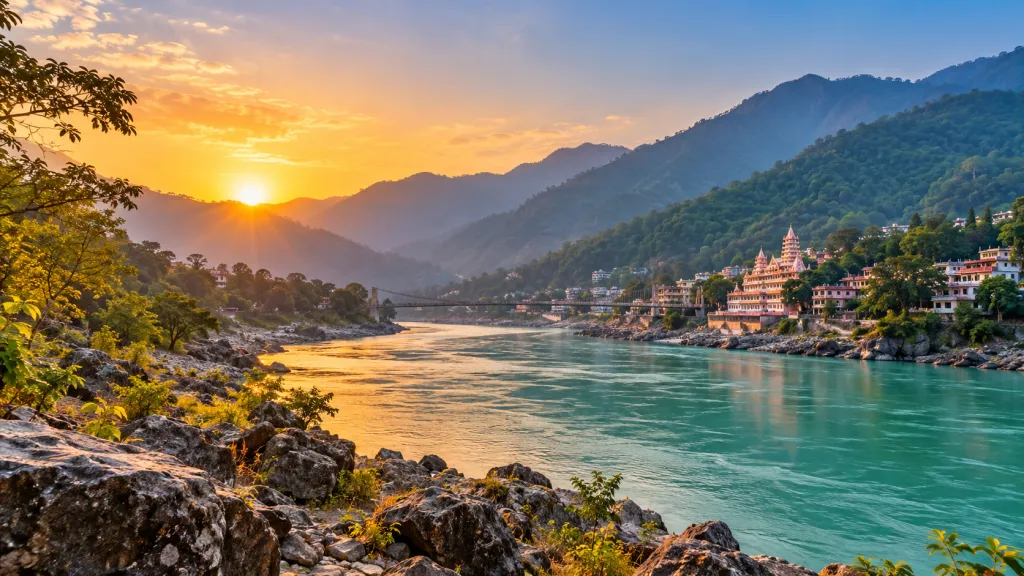
Discover the Quieter Side of Rishikesh
Rishikesh is often associated with crowded ghats, bustling cafés, adventure sports and the famous Ganga Aarti. While these experiences have their own charm, there is another side to this Himalayan town that reveals itself when you venture beyond its busiest streets.
Imagine walking along a forest trail with the sound of birds replacing traffic, spending a quiet afternoon beside the Ganges, or watching the mountains change colour as the sun sets behind them. These are the moments that make Rishikesh special for travellers who prefer meaningful experiences over crowded tourist hotspots.
Whether you are planning a solo trip, a peaceful weekend getaway or a nature-filled escape with friends, there are plenty of things to do in Rishikesh away from the crowds.
Here are ten ways to explore its quieter side, reconnect with nature and experience the town at your own pace.
1. Explore the Neer Garh Waterfall Trails
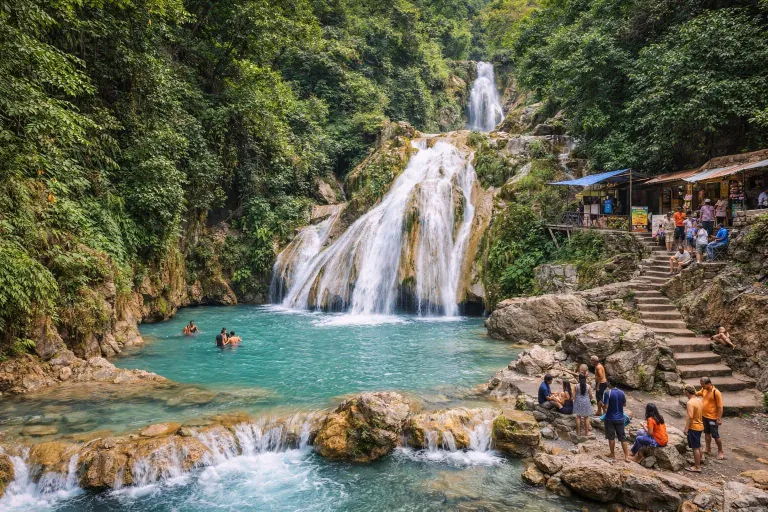 Image credit: Pradum Shukla / Wikimedia Commons / CC BY-SA 4.0
One of the most refreshing ways to experience Rishikesh is to explore its waterfall trails. Neer Garh Waterfall, surrounded by lush vegetation and rocky terrain, offers a welcome break from the busy streets of the town.
The journey involves walking along a forested path, crossing rocky sections and gradually making your way towards cascading water. Instead of treating it as a quick sightseeing stop, take your time to enjoy the changing scenery along the trail.
Why visit: The combination of forest walks, mountain air and flowing water makes it ideal for nature lovers and photography enthusiasts.
Travel tip: Visit early on a weekday for a quieter experience. The waterfall can become busy during peak tourist periods, and trails may be slippery during the monsoon. Stick to marked paths and avoid unsafe swimming spots.
2. Take a Quiet Walk Along the Ganges Beyond the Main Ghats
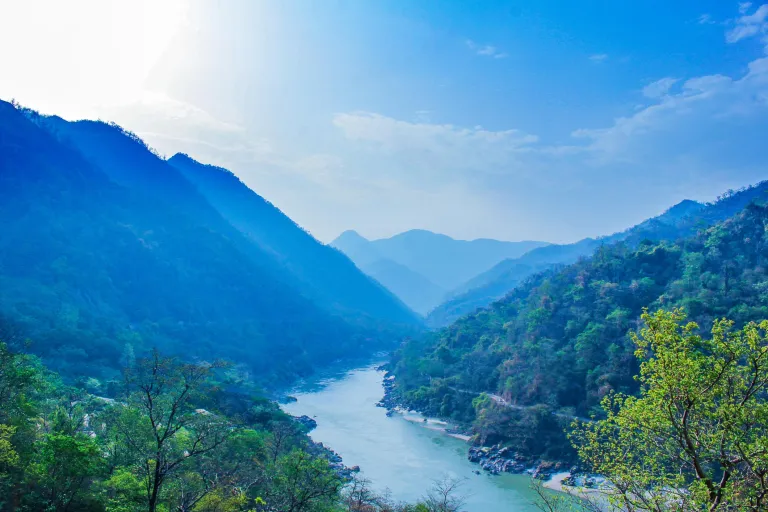 Image credit: https://commons.wikimedia.org/wiki/File:Neer_Garh_Waterfall.jpg
The Ganges is at the heart of Rishikesh, but you do not have to spend all your time at the popular bathing ghats to appreciate its beauty.
Explore quieter, accessible stretches of the river away from the busiest areas around Triveni Ghat and the central tourist belt. Depending on local access and river conditions, you may find peaceful spots where you can sit, read, journal or simply watch the water flow past.
Early mornings are particularly beautiful. The soft light, cool air and distant sounds of temple bells create an atmosphere that feels completely different from the rush of the afternoon.
Why visit: It is one of the simplest and most rewarding free things to do in Rishikesh.
Travel tip: Riverbanks can change dramatically with the season. Avoid unstable rocks, strong currents and restricted areas, and never enter the river where conditions are unsafe.
3. Discover the Forest Roads and Greenery Around Shivpuri
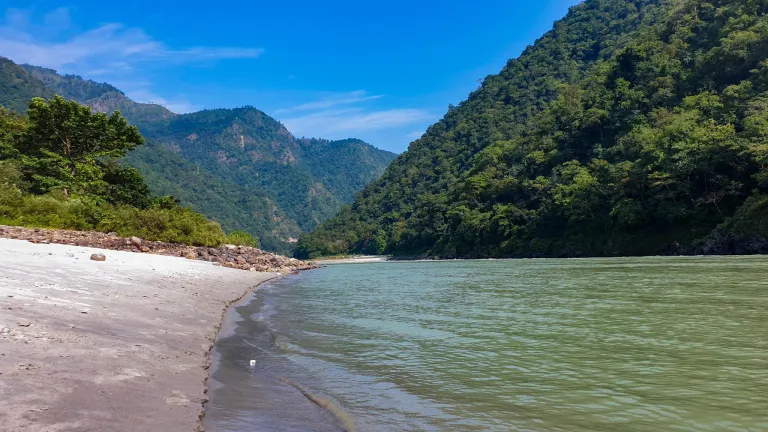 Image credit: Aditya6521, CC BY-SA 4.0
Located north of central Rishikesh, Shivpuri is well known for rafting and riverside camps. However, the surrounding green hills and forested stretches also make it worth exploring at a slower pace.
Instead of booking a packed adventure itinerary, spend some time appreciating the scenery along accessible roads and designated walking routes. The area offers glimpses of the Himalayan foothills, thick greenery and a welcome sense of space beyond the main town.
You can pair the outing with a relaxed riverside lunch or a stay at a responsible nature retreat, provided the property has legitimate access to the river.
Why visit: Shivpuri is a good choice for travellers who want to combine natural scenery with a little adventure without spending the entire day in crowded tourist areas.
Travel tip: Some paths pass through forest or private property. Ask locals or your accommodation about safe, permitted walking routes before setting out.
4. Experience Sunrise at Kunjapuri Temple
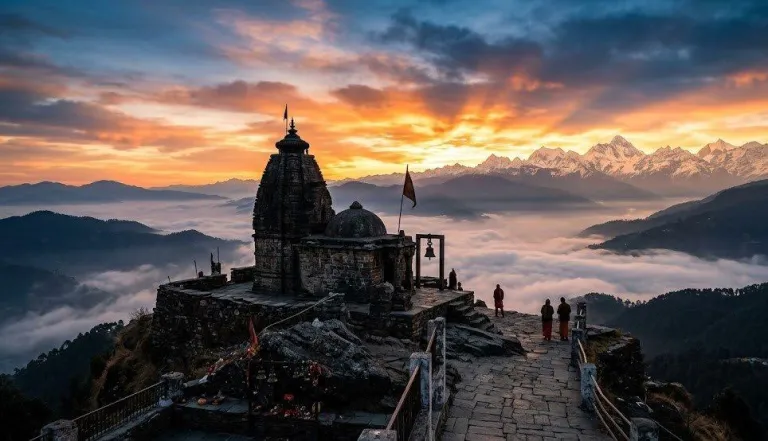 Image credit: Travel & Shit / Wikimedia Commons.
For travellers willing to wake up early, Kunjapuri Temple offers a memorable mountain experience. Situated in the hills above Rishikesh, the temple is known for its elevated views of the surrounding Himalayan landscape.
Arrive before sunrise when conditions permit, and watch the first light gradually illuminate the distant peaks and valleys. On clear days, the changing colours of the sky make this a particularly rewarding spot for landscape photography.
The journey itself is part of the experience, taking you away from the busy riverside centre and into a quieter mountain setting.
Why visit: It is ideal for sunrise lovers, photographers and anyone looking for a different perspective on the region.
Travel tip: Check the weather and road conditions in advance. Start early enough to reach safely, and consider arranging reliable transport if you are unfamiliar with the mountain roads.
5. Visit the Beatles Ashram for Art, Silence and Nature
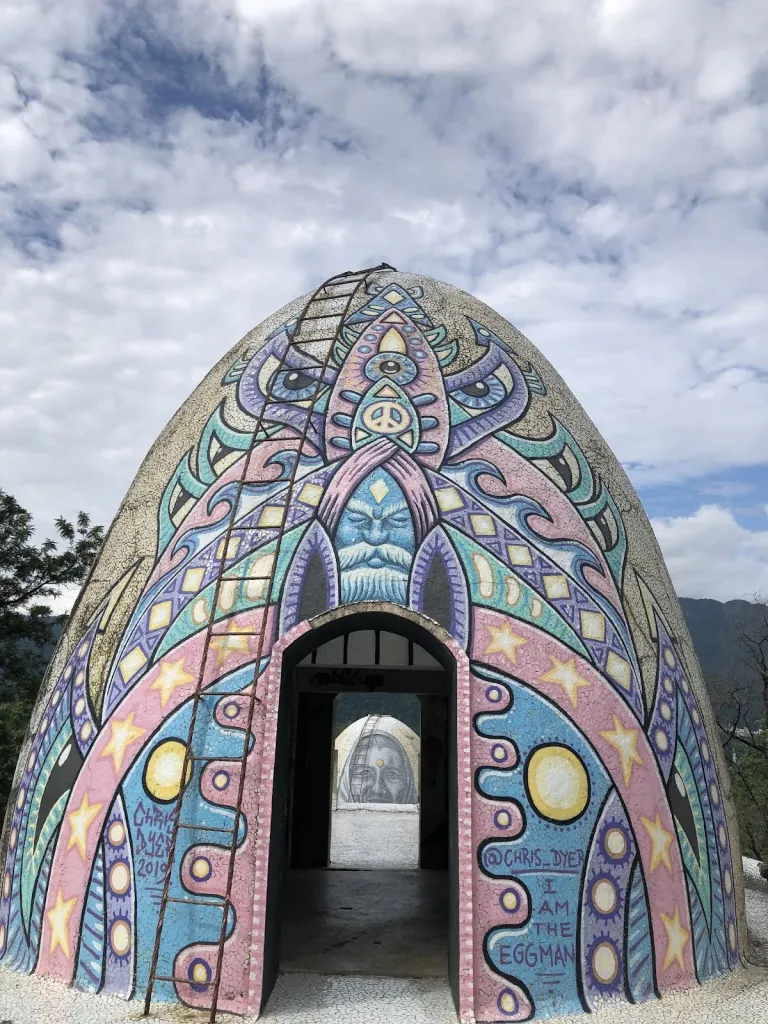 Image credit: Athulvis / Wikimedia Commons / CC BY-SA 4.0
Officially known as the Chaurasi Kutia area within Rajaji Tiger Reserve, the Beatles Ashram is a fascinating place to explore beyond Rishikesh's usual café-and-ghat circuit.
The former meditation retreat became internationally famous after members of The Beatles visited in 1968. Today, visitors can explore its atmospheric remains, meditation huts, forest surroundings and colourful murals.
Rather than rushing through it for photographs, take time to appreciate the unusual combination of abandoned architecture, art and nature. The quieter corners can be especially appealing to travellers interested in history, creativity and contemplative spaces.
Why visit: It combines cultural history with a peaceful setting and offers a different side of Rishikesh.
Travel tip: Entry is regulated and may require a fee. Check current access arrangements and opening hours before visiting, and remember that the site lies within a protected landscape.
6. Spend a Slow Afternoon at a Yoga or Meditation Retreat
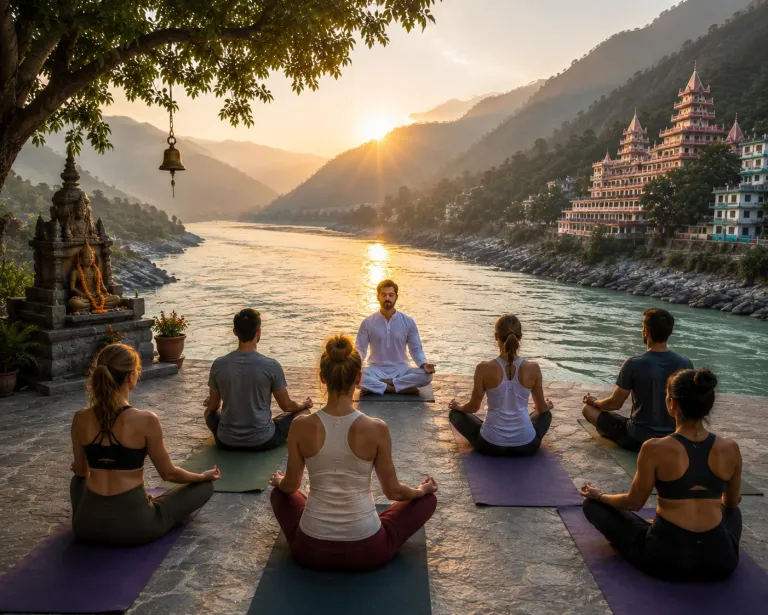 Image credit: Yogpeeth / Wikimedia Commons
Rishikesh is internationally recognised as a destination for yoga and meditation, but you do not need to commit to a lengthy spiritual retreat to experience this aspect of the town.
Look for a reputable centre offering a drop-in yoga class, guided meditation session, breathwork workshop or introductory mindfulness programme. A single session can be a refreshing way to step away from travel fatigue and the constant urge to see more places.
For a more immersive experience, choose a retreat that prioritises small groups, qualified instructors and a calm environment.
Why visit: It is an opportunity to slow down, recharge and experience Rishikesh beyond conventional sightseeing.
Travel tip: Book directly with the centre, check the instructor's credentials and choose a class suited to your experience level.
7. Explore the Village Life and Mountain Views Around Tapovan
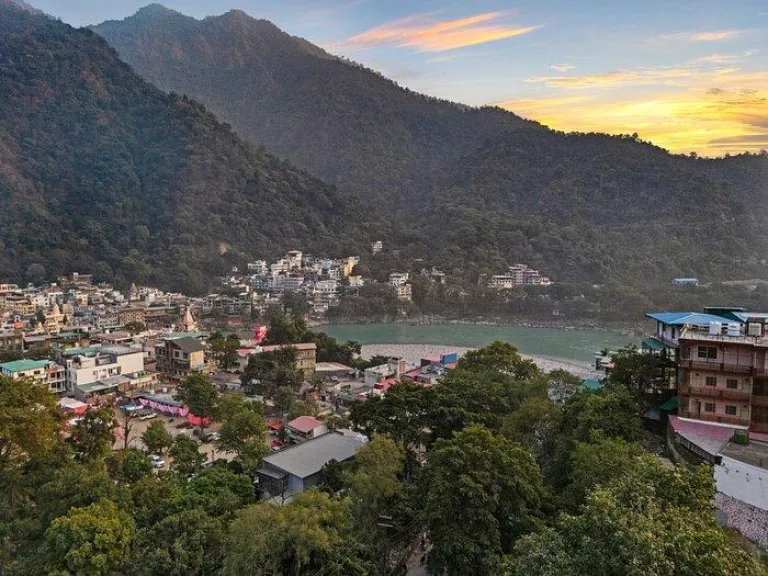 Image credit: Dorelal Singh / Wikimedia Commons / CC BY-SA 3.0.
Tapovan is popular with backpackers, café-hoppers and yoga travellers, so its main streets are not always quiet. However, moving away from the busiest café clusters can reveal a more relaxed side of the neighbourhood.
Explore permitted residential lanes during the day, notice the small local shops, and enjoy views of the surrounding hills. You can also use Tapovan as a base for a slower itinerary that combines morning walks, a yoga session and an unhurried meal.
The best approach is to wander respectfully rather than treating residential areas as tourist attractions. Keep noise low and ask permission before photographing people or private properties.
Why visit: Tapovan is a convenient place to experience everyday local life while remaining close to accommodation, cafés and wellness centres.
Travel tip: Visit early in the morning or outside peak holiday periods for a calmer atmosphere.
8. Take a Nature-Focused Trip Towards the Byasi Region
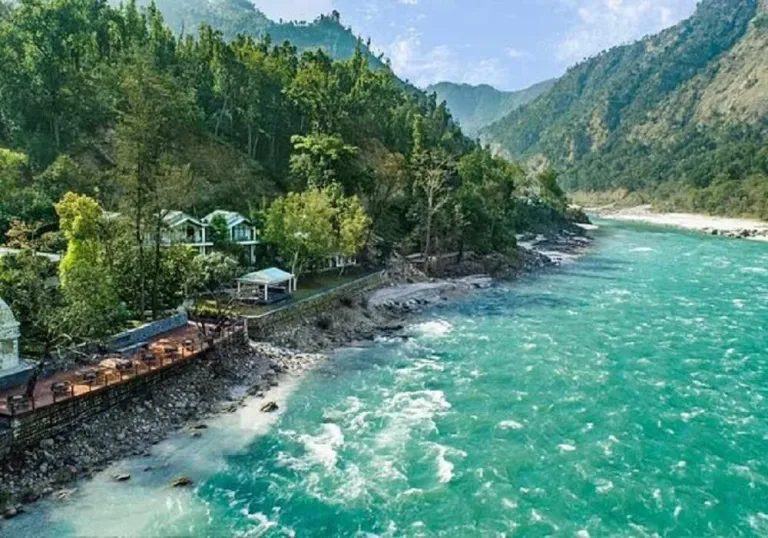 Image credit: Kafaldiary / Wikimedia Commons / CC BY-SA 4.0.
If you have additional time, consider travelling towards Byasi, a scenic stretch along the road between Rishikesh and Devprayag. The surrounding hills, winding roads and river landscapes make the journey an attraction in itself.
Rather than planning a long list of stops, focus on enjoying the drive, taking photographs from safe designated viewpoints and spending time at permitted rest areas. The region is also associated with outdoor adventure activities, although these should be booked only with reputable operators.
Byasi is better suited to travellers who have a full day available and are comfortable travelling beyond central Rishikesh.
Why visit: It offers a chance to experience the broader landscape of the Garhwal region beyond the town's main tourist circuit.
Travel tip: Check road conditions before departure and avoid stopping on narrow bends. River access is not guaranteed everywhere, and swimming can be dangerous even when the water appears calm.
9. Try a Short Hike or Guided Nature Walk in the Foothills
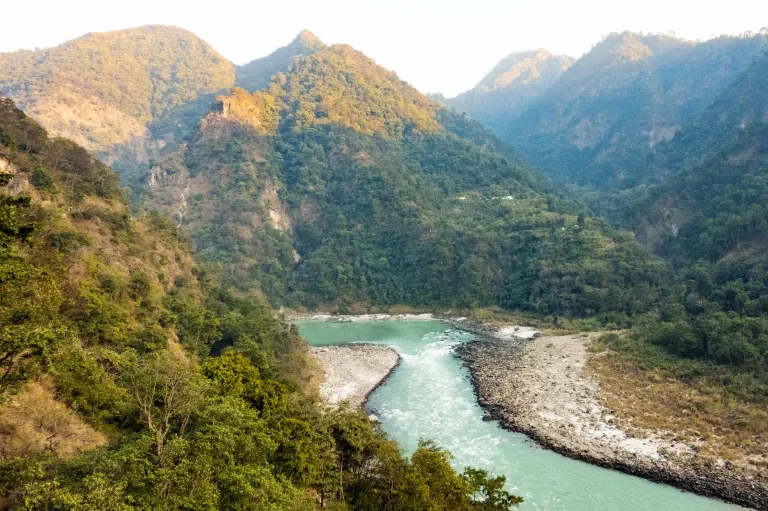 Image credit: Prashant.882 / Wikimedia Commons
You do not need to undertake a demanding Himalayan trek to enjoy the natural landscape around Rishikesh. A short hike or guided nature walk can be enough to experience forest vegetation, bird calls and panoramic views of the foothills.
Choose an established route that matches your fitness level and the season. A knowledgeable local guide can help you understand the area's plants, wildlife and terrain while ensuring you stay on permitted paths.
For solo travellers, a guided walk can also be a practical way to explore unfamiliar areas without relying on unverified online directions.
Why visit: It is a great option for outdoor enthusiasts who prefer active exploration over crowded sightseeing.
Travel tip: Carry water, wear suitable footwear, check the forecast and inform someone about your route. Avoid unfamiliar forest trails after dark.
10. Watch the Sunset From a Quiet Viewpoint
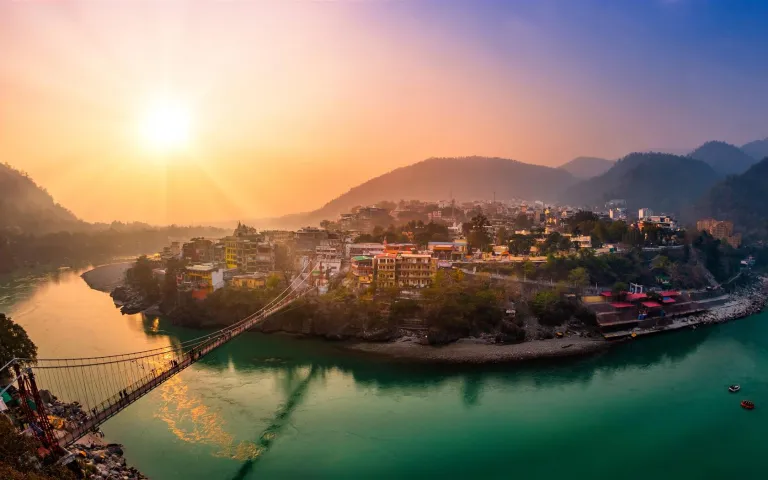 Image credit: McKay Savage from London, UK, CC BY 2.0, via Wikimedia Commons
End your day by finding a safe, accessible viewpoint away from the busiest riverfront areas. Depending on where you are staying, an elevated café terrace, a permitted hillside viewpoint or a designated riverside location may offer beautiful views of the surrounding landscape.
As daylight fades, the hills take on softer colours and the atmosphere becomes more relaxed. This is a good time to put away your itinerary, take a few photographs and simply enjoy being somewhere new.
You do not need an elaborate activity or an expensive experience to make the evening memorable. Sometimes, the best part of travelling is allowing yourself to do nothing at all.
Why visit: It is a simple way to finish a day of exploring without rushing between attractions.
Travel tip: Identify your return route before sunset, carry a light if you will be walking back, and avoid isolated or unmarked viewpoints.
ALSO READ: October Getaways: 15 Best Places to Visit in India Before the Winter Rush
Best Time to Visit Rishikesh for a Peaceful Getaway
The best time to explore Rishikesh depends on the kind of experience you want.
October to November: Pleasant weather, green landscapes after the monsoon and good conditions for outdoor exploration, although popular spots can still be busy.
February to April: Comfortable for walks, yoga sessions and sightseeing as temperatures gradually rise.
December to January: Cooler mornings and evenings make this a good period for cosy cafés and meditation retreats. Carry warm clothing.
July to September: The monsoon brings lush scenery but can also cause heavy rainfall, slippery trails, landslides and dangerous river conditions. Outdoor plans may need to change at short notice.
For a quieter trip, travel on weekdays, avoid major festivals and long holiday weekends, and start outdoor activities early in the morning.
How to Explore Rishikesh Without the Crowds
A peaceful trip is less about finding a completely undiscovered place and more about changing how you travel.
Here are a few simple ways to make your visit more relaxing:
Start early: Waterfalls, viewpoints and riverside areas are generally calmer in the morning.
Choose weekdays: Popular attractions can become crowded on weekends and during school holidays.
Stay a little longer: Two or three days allow you to explore without squeezing every attraction into one itinerary.
Explore beyond the main tourist belt: Consider the foothills and surrounding villages, while respecting private property and protected areas.
Choose experiences over checklists: A nature walk or yoga session may be more rewarding than visiting several attractions in a hurry.
Travel responsibly: Avoid littering, respect local customs and follow forest, river and adventure-safety regulations.
Frequently Asked Questions About Visiting Rishikesh
What are the best offbeat places in Rishikesh?
The Beatles Ashram, the Neer Garh Waterfall trail, Kunjapuri Temple and the scenic areas around Shivpuri and Byasi are worth considering. For a quieter experience, visit outside peak hours and check local access conditions.
How many days are enough to explore peaceful places in Rishikesh?
Two to three days are ideal for a relaxed trip. You can explore a waterfall, visit a mountain viewpoint, enjoy a yoga session and spend time along the river without rushing.
Is Rishikesh suitable for solo travellers?
Yes, Rishikesh is a popular destination for solo travellers, including those interested in nature, wellness and adventure. Choose reputable accommodation, use reliable transport and avoid isolated trails or riverbanks after dark.
What are some free things to do in Rishikesh?
Walking through accessible neighbourhoods, enjoying public viewpoints where permitted, exploring certain temple areas and spending time along safe public riverfronts can be inexpensive ways to experience the town. Some attractions, including the Beatles Ashram, may charge entry fees.
How can I avoid crowds in Rishikesh?
Visit during weekdays, avoid major holiday periods, start early and explore beyond the busiest ghats and central café areas. Remember that even lesser-known locations can become busy during peak season.
Is Rishikesh worth visiting if I do not want adventure sports?
Absolutely. Rishikesh offers yoga, meditation, forest walks, mountain viewpoints, cultural sites and opportunities to slow down beside the Ganges. Adventure sports are only one part of what makes the destination appealing.
Final Thoughts: Let Rishikesh Set Its Own Pace
Rishikesh does not always have to be about ticking off famous attractions, navigating busy streets or filling every hour with activities. Its quieter side is best discovered when you give yourself time to explore, take the slower route and appreciate the natural landscape.
From misty mountain mornings and waterfall trails to peaceful yoga sessions and unhurried evenings by the river, these experiences offer a different way to discover the town.
If you are planning your next getaway, consider leaving a little room in your itinerary for the unexpected. Sometimes, the most memorable things to do in Rishikesh are the ones you never planned in the first place.
Published at
About Author

Atihsin
Subscribe our Newsletter
Get our weekly tips and travel news!
Related Posts
Travel Guide to Dubai from India 2023
Welcome to the enchanting realm of Dubai, where ancient traditions seamlessly blend with futuristic marvels. In this comprehensive travel guide, we embark on a captivating journey from India to the dazzling desert metropolis of Dubai. From informatio...
What to Expect When Travelling to London: Expectations vs Reality
Given the increasing migration inflow to London every year, the defining features of London as a place of endless job opportunities, stunning architecture, and history, as well as the alluring Brit...
What to Expect When Travelling to Nepal: Expectations vs. Reality
What comes to your mind when you first think about Nepal? Majestic views of the sunrise against the snow capped peaks of the Himalayan mountains, rows of colorful prayer flags fluttering in the cri...
What to Expect When Travelling to Santorini: Expectations vs Reality
Santorini has long been a firm favourite on everyone’s bucket list. Even though the very essence of “The Greek Islands” does look stunning in travel magazines and social media, is...
Travel Guide to Vietnam from India 2023
Vietnam, with its captivating blend of ancient traditions and modern allure, beckons Indian travelers with open arms. This Southeast Asian gem boasts a rich cultural tapestry, breathtaking landscapes, and a vibrant street food scene that will leave y...
Latest Posts
India Rises to 31st Place in Global Travel and Tourism Index 2026
India has climbed to 31st place in the WEF's 2026 Travel & Tourism Development Index, reflecting progress in tourism infrastructure and cultural resources.
Top 5 Things to Do in South Korea | Travel Guide
Planning a trip to South Korea? Explore five unforgettable experiences, from historic palaces and traditional villages to coastal cities, island landscapes and local food markets.
Best Places to Visit in India for Diwali and the October–November Holidays 2026
Planning a festive getaway? Explore 10 of the best places to visit in India for Diwali and the October–November holidays in 2026, including Jaipur, Varanasi, Goa, Munnar and Hampi.
Tanzania Introduces Mandatory Travel Insurance for Foreign Visitors in 2026
Planning a trip to Tanzania? A new mandatory travel insurance requirement took effect on 1 October 2026. Here is what international visitors need to know before travelling.
10 Underrated Places to Travel in 2026: Beautiful Destinations Away from the Crowds
Escape the usual tourist hotspots and discover 10 underrated places to travel in 2026, featuring scenic mountain valleys, historic towns, remote islands and peaceful coastal escapes.