
Top 5 Things to Do in South Korea | Travel Guide
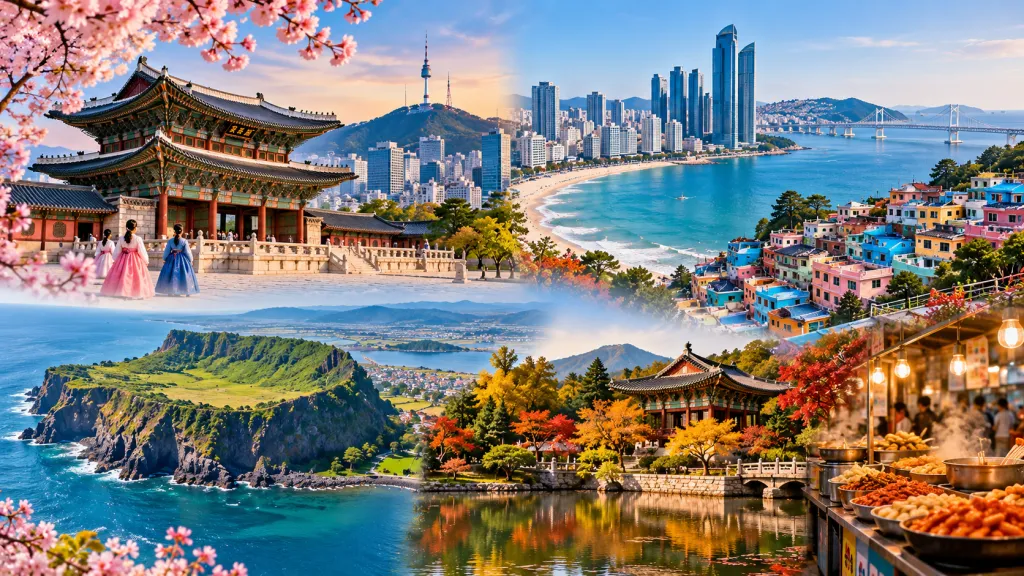
South Korea offers a fascinating mix of ancient traditions, modern cities, coastal scenery and distinctive food culture. From Seoul's historic palaces to the volcanic landscapes of Jeju Island, the country has something for travellers who enjoy history, nature, shopping and exploring local neighbourhoods.
Whether you are planning your first visit or returning to discover more, choosing the right places can make your trip more rewarding. Rather than rushing between attractions, focus on experiences that reveal different sides of the country.
Here are the top five things to do in South Korea, with the best places to explore and practical tips to help you plan your trip.
1. Explore Seoul's Royal Palaces and Traditional Villages
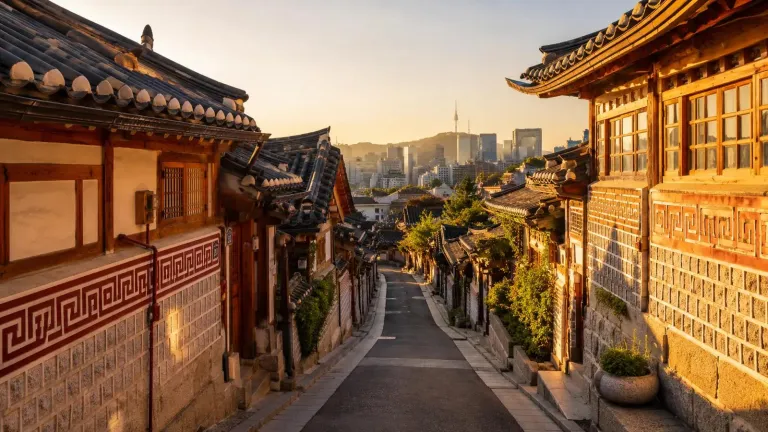 Image credit: Basile Morin / Wikimedia Commons / CC BY-SA 4.0Seoul is the ideal starting point for understanding South Korea's past and present. The capital combines contemporary neighbourhoods and shopping districts with historic palaces, traditional houses and cultural landmarks.
Begin at Gyeongbokgung Palace, the principal royal palace of the Joseon dynasty. Its grand gates, courtyards and traditional architecture offer a glimpse into Korea's royal history. From there, explore Bukchon Hanok Village, a residential neighbourhood known for its traditional Korean houses, tiled roofs and narrow streets.
For a different atmosphere, visit Insadong, where traditional crafts, tea houses, galleries and souvenir shops provide opportunities to discover Korean culture.
Things to do in Seoul:
Explore Gyeongbokgung Palace and its historic courtyards.
Walk through Bukchon Hanok Village respectfully.
Browse traditional crafts and tea houses in Insadong.
Discover Seoul's cafés, shopping streets and evening food spots.
Travel tip: Visit the palace early in the day to avoid some of the crowds. Bukchon is a residential neighbourhood, so follow posted visiting hours and keep noise to a minimum. <sup>1</sup>
2. Discover Busan's Beaches and Coastal Attractions
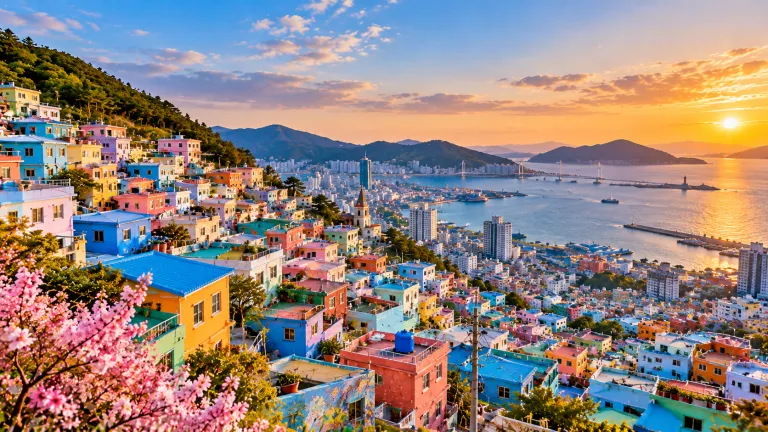 Busan offers a different experience from Seoul, with a lively port-city atmosphere, beaches, colourful neighbourhoods and dramatic coastal scenery.
Start at Haeundae Beach, one of the city's best-known waterfront destinations. For a scenic walk, explore the coastal paths around Dongbaekseom Island. You can also visit Gamcheon Culture Village, recognised for its hillside streets, colourful buildings and creative installations.
Food is another reason to explore Busan. Jagalchi Market and the surrounding market districts are popular places to experience the city's seafood culture and sample regional dishes.
Things to do in Busan:
Relax at Haeundae Beach.
Explore the colourful streets of Gamcheon Culture Village.
Walk along scenic coastal paths.
Sample seafood and local street food around Jagalchi Market.
Visit Gwangalli Beach for views of the illuminated bridge after dark.
Travel tip: Allow at least two days to explore Busan comfortably. The city is spread out, so group attractions by neighbourhood to reduce travel time.
3. Experience Jeju Island's Volcanic Landscapes
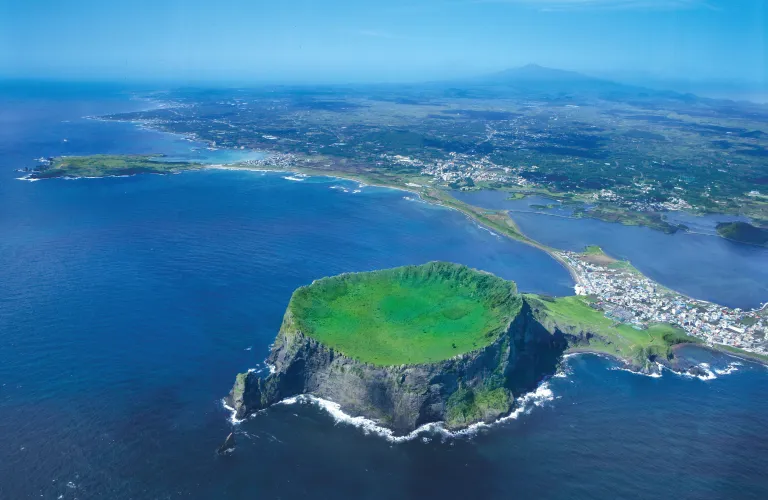 Image credit: Bernard Gagnon / Wikimedia Commons / CC0 1.0Jeju Island is one of South Korea's most distinctive destinations, known for its volcanic geology, waterfalls, coastal cliffs and scenic walking trails.
A major highlight is Seongsan Ilchulbong, also known as Sunrise Peak. This volcanic tuff cone rises above the sea and is recognised for its dramatic landscape. Visitors can hike to designated viewpoints and enjoy panoramic views, subject to current access conditions.
Nature lovers can also explore sections of the Jeju Olle Trail, a network of walking routes that follows the island's coastline and passes through villages, fields and scenic viewpoints.
If you have more time, consider visiting Hallasan National Park, home to South Korea's highest mountain. Hiking routes may require reservations or be subject to seasonal restrictions, so check the official park guidance before visiting.
Things to do on Jeju Island:
Visit Seongsan Ilchulbong.
Explore waterfalls and coastal viewpoints.
Walk a section of the Jeju Olle Trail.
Discover local villages and traditional markets.
Plan a hike in Hallasan National Park if conditions allow.
Travel tip: Consider spending at least three days on Jeju Island. Public transport is available, but a rental car can make it easier to explore locations spread across the island.
4. Step Back in Time in Gyeongju
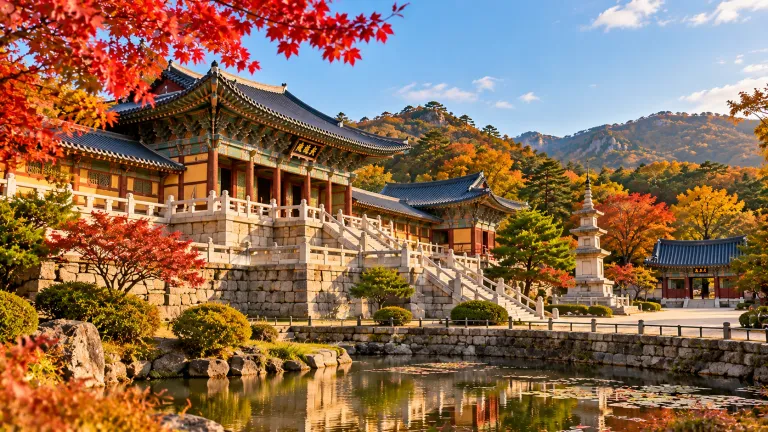 Often described as an outdoor museum, Gyeongju was the capital of the ancient Silla Kingdom and is one of South Korea's most rewarding destinations for history enthusiasts.
The city is known for its archaeological remains, royal tombs, historic temples and traditional architecture. Bulguksa Temple is a major cultural landmark, while the nearby Seokguram Grotto is renowned for its Buddhist art and historic significance.
In the city centre, the Daereungwon Tomb Complex offers an opportunity to learn about Silla royal burial traditions. You can also explore historic streets and nearby cultural attractions at a relaxed pace.
Gyeongju provides a valuable contrast to Seoul's modern skyline and Busan's coastal energy, making it a worthwhile addition to a multi-city itinerary.
Things to do in Gyeongju:
Visit Bulguksa Temple.
Explore the Daereungwon Tomb Complex.
Discover the historic architecture and cultural sites.
Enjoy traditional Korean food in the city.
Visit nearby heritage attractions if time permits.
Travel tip: Allow one or two days for Gyeongju, depending on how many historical sites you want to explore. Wear comfortable walking shoes and check opening times in advance.
Suggested image alt text: Traditional historic architecture and landscaped grounds at a cultural heritage site in Gyeongju, South Korea.
5. Explore Korean Food Markets and Local Neighbourhoods
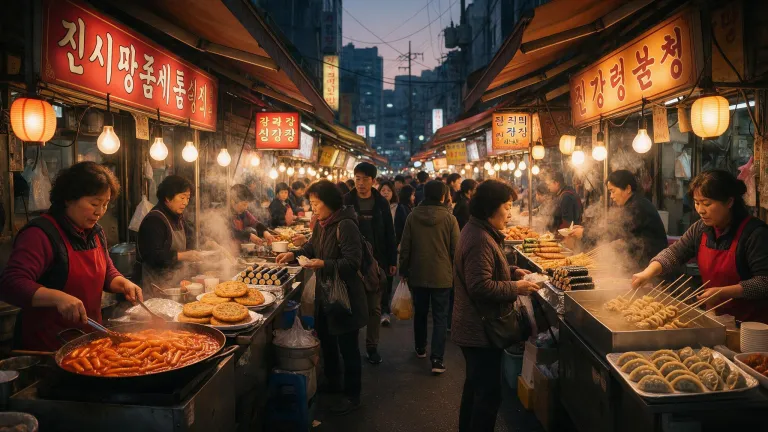 One of the most enjoyable ways to experience South Korea is through its food. Beyond restaurants and famous attractions, local markets and neighbourhood streets reveal the flavours and routines of everyday life.
In Seoul, Gwangjang Market is a popular destination for sampling Korean dishes such as bindaetteok (mung bean pancakes), mayak gimbap (small rice rolls) and other market favourites. Street-food stalls, independent cafés and traditional tea houses also provide opportunities to discover regional flavours.
For travellers interested in shopping, areas such as Myeongdong offer beauty products, fashion and street food. In contrast, neighbourhoods such as Ikseon-dong combine narrow lanes, traditional-style buildings and modern cafés.
The best experience comes from balancing popular spots with smaller businesses and taking time to explore rather than simply moving from one landmark to another.
Things to do:
Sample Korean street food at a local market.
Try bibimbap, tteokbokki and Korean pancakes.
Explore independent cafés and traditional tea houses.
Browse local shops and craft stores.
Learn basic Korean dining etiquette before visiting smaller establishments.
Travel tip: Carry a payment card and some cash, check food ingredients if you have dietary restrictions, and remember that some stalls may have limited English menus.
When Is the Best Time to Visit South Korea?
South Korea experiences four distinct seasons, so the best time to visit depends on your preferred activities.
Season | What to expect | Best for |
|---|---|---|
Spring, March–May | Mild weather and seasonal blossoms | City sightseeing and gardens |
Summer, June–August | Hot, humid weather and monsoon rainfall | Beaches and summer festivals, with weather planning |
Autumn, September–November | Cooler weather and colourful foliage | Hiking, cultural sites and scenic travel |
Winter, December–February | Cold conditions and possible snow | Winter scenery and seasonal activities |
Spring and autumn are often comfortable periods for exploring cities and cultural attractions. However, popular blossom and foliage periods can attract significant crowds, so book accommodation in advance if travelling during peak dates.
ALSO READ: South Korea Expands Visa Application Services in India: What Travellers Need to Know
Frequently Asked Questions
How many days are enough for South Korea?
Seven to ten days is a useful starting point for a first trip. You could spend several days in Seoul, two days in Busan and additional time in Gyeongju or Jeju Island. Travelling to Jeju requires additional transport planning.
What are the best places to visit in South Korea for first-time travellers?
Seoul, Busan, Jeju Island and Gyeongju provide a good mix of city life, coastal scenery, natural landscapes and historical heritage.
Is South Korea expensive to visit?
Costs vary according to accommodation, season, transport and dining choices. Public transport and local eateries can help manage expenses, while popular hotels and peak-season travel may cost more.
Do travellers need to learn Korean before visiting?
You can visit major tourist destinations without speaking Korean, particularly when using navigation apps and translation tools. Learning a few basic greetings and polite expressions can make interactions easier.
Is public transport convenient in South Korea?
Major cities have extensive public transport networks. Trains and intercity buses are useful for travelling between cities, while some rural attractions and parts of Jeju Island may require additional planning.
Final Thoughts
South Korea offers much more than K-pop, shopping streets and modern city skylines. Its royal palaces, coastal landscapes, volcanic island scenery, ancient heritage and vibrant food markets create a travel experience that combines history with contemporary culture.
Whether you spend your time exploring Seoul's traditional neighbourhoods, relaxing by Busan's beaches, hiking on Jeju Island or discovering Gyeongju's ancient landmarks, each destination reveals a different side of the country.
Planning your trip to South Korea? Start by choosing the places that match your interests, check seasonal conditions and build an itinerary that leaves room for spontaneous discoveries. Explore our other destination guides for more inspiration and practical travel-planning advice.
External resources:
Published at
About Author

Atihsin
Subscribe our Newsletter
Get our weekly tips and travel news!
Related Posts
Travel Guide to Dubai from India 2023
Welcome to the enchanting realm of Dubai, where ancient traditions seamlessly blend with futuristic marvels. In this comprehensive travel guide, we embark on a captivating journey from India to the dazzling desert metropolis of Dubai. From informatio...
What to Expect When Travelling to London: Expectations vs Reality
Given the increasing migration inflow to London every year, the defining features of London as a place of endless job opportunities, stunning architecture, and history, as well as the alluring Brit...
What to Expect When Travelling to Nepal: Expectations vs. Reality
What comes to your mind when you first think about Nepal? Majestic views of the sunrise against the snow capped peaks of the Himalayan mountains, rows of colorful prayer flags fluttering in the cri...
What to Expect When Travelling to Santorini: Expectations vs Reality
Santorini has long been a firm favourite on everyone’s bucket list. Even though the very essence of “The Greek Islands” does look stunning in travel magazines and social media, is...
Travel Guide to Vietnam from India 2023
Vietnam, with its captivating blend of ancient traditions and modern allure, beckons Indian travelers with open arms. This Southeast Asian gem boasts a rich cultural tapestry, breathtaking landscapes, and a vibrant street food scene that will leave y...
Latest Posts
India Rises to 31st Place in Global Travel and Tourism Index 2026
India has climbed to 31st place in the WEF's 2026 Travel & Tourism Development Index, reflecting progress in tourism infrastructure and cultural resources.
Best Places to Visit in India for Diwali and the October–November Holidays 2026
Planning a festive getaway? Explore 10 of the best places to visit in India for Diwali and the October–November holidays in 2026, including Jaipur, Varanasi, Goa, Munnar and Hampi.
Tanzania Introduces Mandatory Travel Insurance for Foreign Visitors in 2026
Planning a trip to Tanzania? A new mandatory travel insurance requirement took effect on 1 October 2026. Here is what international visitors need to know before travelling.
10 Underrated Places to Travel in 2026: Beautiful Destinations Away from the Crowds
Escape the usual tourist hotspots and discover 10 underrated places to travel in 2026, featuring scenic mountain valleys, historic towns, remote islands and peaceful coastal escapes.
Best Emerging Travel Destinations for Indians in 2027: 7 Places to Visit Before They Get Popular
Looking for somewhere new to travel in 2027? Explore seven emerging destinations, including Bishkek, Okinawa, Malvan, Pokhara and Phu Quoc, for your next adventure.