
15 Important Things to Take Care of Before Going on a Trek
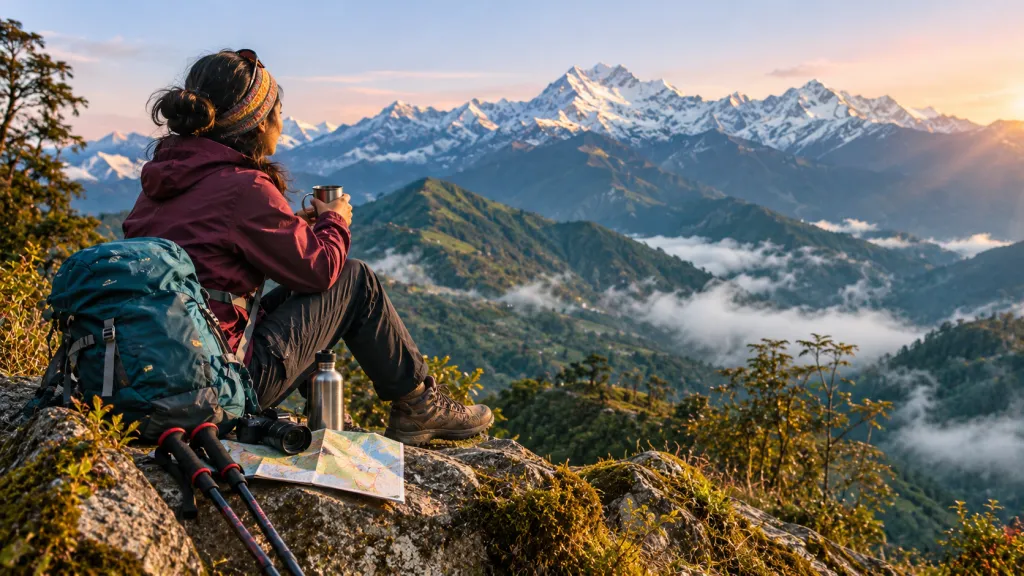
Going on a Trek? 15 Important Things to Take Care of Before You Hit the Trail
Mountains are beautiful, trails are exciting, and reaching that summit feels incredible. But before you pack your backpack and start imagining those Instagram-worthy mountain views, there are a few things you should know.
There's something special about trekking. The sound of your boots against the trail, the fresh mountain air, the unexpected conversations with fellow trekkers and that feeling of accomplishment when you finally reach the summit.
But here's the thing: a trek isn't just about reaching the top. It's also about preparing for the journey, understanding your limits and knowing how to handle situations when things don't go as planned.
Whether you're heading for a weekend trek in the Western Ghats or planning a high-altitude Himalayan adventure, a little preparation can make a huge difference.
So, before you tighten those trekking shoes and set off, here are 15 important things to take care of while going on a trek.
1. Research the Trek Before Booking It
Not every trek is suitable for everyone. A trail that looks easy in photographs might involve steep climbs, slippery rocks, river crossings or several hours of continuous walking.
Before booking, understand:
Total trekking distance and expected duration.
Difficulty level and elevation gain.
Starting point and accessibility.
Weather conditions during your travel dates.
Availability of water sources and accommodation.
Whether permits or local registrations are required.
Mobile network availability and emergency facilities.
If you're a beginner, start with an easy or moderate trek rather than choosing a difficult Himalayan trail just because it looks exciting.
Remember, the objective is to enjoy the mountains, not prove something to them.
2. Check the Weather Forecast
Mountain weather can be unpredictable. A sunny morning can quickly turn into heavy rain, strong winds or fog.
Always check the weather forecast a few days before departure and again before starting the trek.
Pay particular attention to:
Rainfall and thunderstorms.
Temperature, especially at night.
Wind speed.
Snowfall warnings in high-altitude regions.
Local weather and landslide advisories.
Avoid trekking during severe weather warnings. If your trek organiser or local authorities advise against proceeding, take it seriously.
A postponed trek is much better than a dangerous one.
3. Choose the Right Trekking Shoes
Your footwear can make or break your trekking experience. Literally!
Regular sneakers might work for short, well-maintained walking trails, but rocky, muddy and uneven routes require appropriate footwear.
Look for:
Good grip and traction.
Proper ankle support where the terrain demands it.
Comfortable cushioning.
A secure fit without squeezing your toes.
Suitable water resistance depending on the trail.
Most importantly, break in your trekking shoes before the actual trip.
Never wear brand-new shoes for a long trek. Blisters halfway through a mountain trail are not the kind of adventure you signed up for.
Also, carry a pair of comfortable slippers or sandals for use at your campsite.
4. Pack Smart: Don't Carry Your Entire Wardrobe
One of the biggest mistakes beginners make is overpacking.
You might think carrying an extra outfit for every possible situation is a good idea, but remember that you'll be carrying that backpack uphill.
Your trekking essentials should include:
Category | What to Carry |
|---|---|
Clothing | Quick-dry T-shirts, trekking pants, warm layers |
Footwear | Trekking shoes and comfortable slippers |
Protection | Rain jacket, sun cap, sunglasses |
Hydration | Reusable water bottle or hydration bladder |
Safety | First-aid kit, whistle, torch |
Personal care | Sunscreen, lip balm, toiletries |
Navigation | Offline maps, phone and power bank |
Food | Energy bars, nuts and dry fruits |
For colder treks, carry thermal layers, gloves, woollen socks and a warm jacket.
A useful rule is to pack according to the conditions rather than carrying things just in case.
5. Stay Hydrated Throughout the Trek
Walking uphill for several hours can cause significant fluid loss, even when the weather is cold.
Do not wait until you feel extremely thirsty before drinking water.
Carry sufficient water based on the trek's duration, availability of safe refill points and weather conditions.
A few things to remember:
Drink water regularly throughout the trek.
Refill only from safe drinking-water sources.
Carry water purification tablets or a suitable filter if required.
Consider electrolyte solutions during prolonged sweating, as appropriate.
Avoid drinking untreated water from streams and rivers.
Dehydration can lead to fatigue, headaches, dizziness and reduced physical performance.
And no, stopping for water every few kilometres does not make you a slow trekker. It makes you a sensible one.
6. Carry Enough Food and Energy Snacks
Trekking burns energy, and skipping meals can leave you exhausted much sooner than expected.
Carry lightweight snacks that provide a combination of carbohydrates, fats and protein.
Some good options include:
Bananas and apples.
Nuts and almonds.
Dates and raisins.
Energy bars.
Peanut butter sandwiches.
Homemade trail mix.
Chocolate for a quick energy boost.
For longer treks, plan your meals rather than depending entirely on whatever food might be available along the route.
Also, carry your waste back with you. The mountains are not your personal dustbins!
7. Understand Altitude Sickness
If you're heading to the Himalayas or any high-altitude destination, altitude sickness is something you should never ignore.
Acute Mountain Sickness (AMS) can occur when the body struggles to adjust to lower oxygen availability at higher elevations.
Common symptoms include:
Headache.
Nausea or vomiting.
Dizziness.
Unusual fatigue.
Loss of appetite.
Difficulty sleeping.
To reduce the risk:
Ascend gradually.
Allow sufficient time for acclimatisation.
Avoid rushing to higher elevations.
Follow your trek leader's instructions.
Avoid alcohol during acclimatisation.
If symptoms develop, stop ascending and inform your guide. Worsening symptoms require immediate descent and medical attention. Severe breathlessness at rest, confusion or difficulty walking straight are medical emergencies.
Never try to push through altitude sickness just to complete a trek.
8. Never Ignore Your Physical Fitness
You don't need to be an athlete to enjoy trekking, but a reasonable level of fitness helps.
If you have a challenging trek coming up, begin preparing at least a few weeks in advance, depending on your fitness and the trek's difficulty.
Include:
Brisk walking.
Stair climbing.
Jogging or cycling.
Squats and lunges.
Core-strengthening exercises.
Practice walks with a lightly loaded backpack.
For Himalayan treks, cardiovascular endurance and the ability to walk for several consecutive hours are particularly useful.
Start slowly and increase the intensity gradually. If you have an existing health concern, seek medical advice before undertaking a demanding trek.
9. Carry a Basic First-Aid Kit
Small injuries are fairly common on trekking trails. A blister, minor cut or muscle strain can quickly become uncomfortable when you're several kilometres away from the nearest medical facility.
Your basic first-aid kit should include:
Adhesive bandages.
Sterile gauze and medical tape.
Antiseptic wipes.
Blister dressings.
Crepe bandage.
Personal prescription medication.
Oral rehydration salts.
Tweezers.
Disposable gloves.
Understand how to use the supplies you carry. Also inform your trek leader about any allergies or medical conditions relevant to emergency care.
Don't rely entirely on another trekker having the medicines or supplies you need.
10. Dress in Layers
Mountain temperatures can change dramatically throughout the day.
You might begin your trek in pleasant weather, feel warm while climbing and find yourself shivering once the sun sets.
The best approach is to dress in layers:
Base layer: Moisture-wicking clothing that keeps sweat away from your skin.
Middle layer: Fleece or insulating clothing to retain body heat.
Outer layer: A waterproof and windproof jacket for protection against rain and cold winds.
Avoid wearing cotton as your main base layer during cold or wet conditions because it retains moisture and takes longer to dry.
Carry extra socks and keep a dry set of clothes protected inside a waterproof bag.
11. Don't Forget Navigation and Emergency Essentials
Mobile networks are unreliable in many remote trekking regions.
Download offline maps before leaving and keep your phone charged.
Some useful essentials include:
Offline trail maps.
A fully charged power bank.
A headlamp with spare batteries.
An emergency whistle.
A basic compass if you know how to use one.
Emergency contact details.
A personal identification document.
For remote or technical routes, consider carrying a satellite communication device or personal locator beacon where appropriate.
Share your trekking itinerary and expected return time with someone you trust.
12. Follow Your Guide and Stay With Your Group
If you're trekking with an organised group, follow the instructions of your trek leader.
Don't wander away to take photographs, explore an unfamiliar trail or attempt a shortcut without informing anyone.
Some basic trekking etiquette includes:
Maintain communication with your group.
Avoid overtaking the group unnecessarily.
Take breaks at designated points.
Inform the guide if you feel unwell.
Never continue alone on an unfamiliar trail.
Follow local restrictions and safety instructions.
Experienced trekkers may prefer independent adventures, but even then, sharing your route and having an emergency plan is essential.
13. Respect Nature and Follow Leave No Trace Principles
One of the most important responsibilities of a trekker is protecting the environment.
Many popular trekking destinations are already struggling with plastic waste, overcrowding and irresponsible tourism.
Follow these simple practices:
Carry reusable water bottles.
Avoid single-use plastic wherever possible.
Bring back all your waste.
Never throw food wrappers along the trail.
Avoid disturbing wildlife.
Do not pluck flowers or damage vegetation.
Use designated camping areas.
Avoid loud music in natural surroundings.
Respect local communities and their customs.
Remember, the beauty of a mountain trail depends on how responsibly visitors treat it.
14. Keep an Eye on Your Surroundings
Trekking isn't simply about looking at the beautiful scenery. You also need to stay aware of what's happening around you.
Watch out for:
Loose rocks and unstable slopes.
Slippery sections.
Sudden changes in weather.
River crossings.
Landslide-prone areas.
Wildlife.
Signs of exhaustion or dehydration.
Never attempt a river crossing if the water is fast-flowing or conditions are unsafe. Follow local guidance and avoid taking unnecessary risks for photographs.
And please, don't step backwards while taking a summit selfie without checking what's behind you!
15. Know When to Turn Back
This might be the most important trekking lesson of all.
There is often a strong temptation to reach the summit after spending hours climbing. You might have travelled hundreds of kilometres and spent money on permits and accommodation.
But reaching the top is never more important than returning safely.
If you experience severe exhaustion, worsening altitude symptoms, dangerous weather or an injury, reassess your plans.
A good trekker knows when to continue and when to turn back.
The mountain will still be there for another attempt.
Bonus: Common Trekking Mistakes Beginners Should Avoid
Before heading out, make sure you aren't making these common mistakes.
Common mistake | What you should do instead |
|---|---|
Wearing brand-new shoes | Break in your shoes beforehand |
Overpacking | Carry only essential gear |
Starting without training | Build stamina before the trek |
Ignoring weather warnings | Check forecasts and local advisories |
Drinking untreated stream water | Use safe drinking water |
Walking too fast initially | Maintain a comfortable pace |
Ignoring blisters | Treat hotspots early |
Leaving waste behind | Follow Leave No Trace principles |
Trekking alone on unfamiliar routes | Stay with your group or use a qualified guide |
Continuing despite illness | Stop, inform your guide and seek help |
Final Thoughts: Enjoy the Journey, Not Just the Summit
Trekking teaches you things that you don't always learn from a classroom or a regular holiday. It teaches patience, resilience, teamwork and respect for nature.
But the best trekking experiences aren't necessarily the ones where you climb the highest mountain or cover the longest distance.
Sometimes, they're about taking a break beside a beautiful valley, helping a fellow trekker through a difficult stretch or simply enjoying the silence of the mountains.
So, prepare well, pack wisely, respect the trail and know your limits.
And remember: the goal isn't just to reach the summit. It's to come back with wonderful memories and the energy to plan your next adventure.
Published at
About Author

Atihsin
Subscribe our Newsletter
Get our weekly tips and travel news!
Related Posts
Travel Guide to Dubai from India 2023
Welcome to the enchanting realm of Dubai, where ancient traditions seamlessly blend with futuristic marvels. In this comprehensive travel guide, we embark on a captivating journey from India to the dazzling desert metropolis of Dubai. From informatio...
What to Expect When Travelling to London: Expectations vs Reality
Given the increasing migration inflow to London every year, the defining features of London as a place of endless job opportunities, stunning architecture, and history, as well as the alluring Brit...
What to Expect When Travelling to Nepal: Expectations vs. Reality
What comes to your mind when you first think about Nepal? Majestic views of the sunrise against the snow capped peaks of the Himalayan mountains, rows of colorful prayer flags fluttering in the cri...
What to Expect When Travelling to Santorini: Expectations vs Reality
Santorini has long been a firm favourite on everyone’s bucket list. Even though the very essence of “The Greek Islands” does look stunning in travel magazines and social media, is...
Travel Guide to Vietnam from India 2023
Vietnam, with its captivating blend of ancient traditions and modern allure, beckons Indian travelers with open arms. This Southeast Asian gem boasts a rich cultural tapestry, breathtaking landscapes, and a vibrant street food scene that will leave y...
Latest Posts
Sleep Tourism: Best Sleepcation Destinations & Travel Guide
Discover the rising trend of sleep tourism, where holidays are all about switching off, slowing down and catching up on quality rest. Explore the best sleepcation destinations, wellness retreats and peaceful getaways in India and around the world.
Cheapest Countries to Visit from India in December 2026
Planning an affordable international holiday? Explore 8 cheapest countries to visit from India in December 2026, with estimated budgets, popular attractions and travel tips.
Dark Sky Tourism in India: 7 Best Places for Stargazing
What if your next holiday was all about looking up? Discover dark sky tourism in India, with seven incredible destinations for stargazing, Milky Way photography and unforgettable nights beneath the stars.
10 Best Shopping Places in Dubai for Tourists in 2026
Planning a shopping trip to Dubai? Explore 10 popular shopping destinations, from luxury malls and designer outlets to traditional souks, gold markets and affordable shopping areas.
Supreme Court on 700% Airfare Hike: New Rules Explained
The Supreme Court has refused an urgent hearing on a plea alleging a 700% rise in domestic airfares during Diwali. With new aviation rules coming into effect in January 2027, here's what passengers need to know.