
Sleep Tourism: Best Sleepcation Destinations & Travel Guide
Forget packed itineraries, sunrise treks and ticking off 15 tourist attractions in three days. The newest travel trend is all about switching off, sleeping in and returning home feeling like a human being again.
Imagine booking a holiday, reaching your destination, checking into a beautiful resort, switching off your phone and doing absolutely nothing for the next two days.
No sightseeing. No alarms. No rushing to catch a sunrise. Just comfortable beds, peaceful surroundings, slow mornings and uninterrupted sleep.
Sounds like a dream? Well, it is becoming a travel trend.
Welcome to sleep tourism, where the biggest holiday activity is getting a good night's sleep.
While travellers once planned their holidays around adventure, food, shopping and sightseeing, a growing number are now choosing destinations that promise something much simpler: proper rest. And considering how many of us spend our weekdays juggling work, deadlines, notifications and endless screen time, perhaps a holiday dedicated to sleeping isn't such a ridiculous idea after all.
What Exactly Is Sleep Tourism?
Sleep tourism, also known as sleepcations or napcations, is a form of wellness travel where improving sleep and relaxation becomes the primary purpose of a holiday.
Unlike a regular vacation, where sleep is simply what happens after a long day of exploring, sleep tourism puts rest at the centre of the experience.
Some luxury properties are even experimenting with smart beds, sleep-monitoring technology and expert-led programmes to help guests understand their sleeping patterns.
According to the Global Wellness Institute, sleep tourism has become a significant part of the evolving wellness travel landscape, with deep rest featuring among its highlighted travel trends for 2026.
Why Is Everyone Suddenly Travelling to Sleep?
There was a time when people returned from holidays with hundreds of photographs, souvenirs and stories about how many places they managed to visit.
Today, some travellers simply want to return without feeling exhausted.
The rise of sleep tourism is closely connected to modern lifestyles. Long working hours, constant notifications, irregular routines, late-night scrolling and the pressure to remain productive have made quality rest increasingly difficult to achieve.
Even holidays can become exhausting. Early morning sightseeing, long drives, packed itineraries and trying to squeeze every attraction into a short trip can sometimes feel like another work assignment.
Sleep tourism offers a different approach.
1. The need to escape digital overload
Our phones rarely let us switch off completely. Even while travelling, we are checking emails, responding to messages and documenting every moment. Digital detox retreats encourage guests to put their devices aside and reconnect with their surroundings.
2. Burnout has changed the meaning of luxury
Luxury travel was traditionally associated with private pools, expensive restaurants and extravagant experiences. Now, uninterrupted sleep, peaceful surroundings and the freedom to do nothing are becoming equally attractive.
3. Travellers want meaningful wellness experiences
Instead of simply booking a spa appointment, people are increasingly looking for experiences that help them build healthier habits. Sleep-focused retreats combine relaxation, wellness consultations, physical activities and sleep-friendly environments.
4. The holiday itself is becoming the experience
Not every trip needs a bucket list. Sometimes, enjoying breakfast without checking the time, reading a book beside a pool or taking an afternoon nap can be the highlight of a holiday.
Where Can You Experience Sleep Tourism?
Sleep tourism is gradually finding its way into luxury hotels, wellness resorts and nature retreats around the world. Here are a few properties worth exploring if your idea of a perfect holiday involves serious rest.
1. Kamalaya Wellness Sanctuary, Thailand
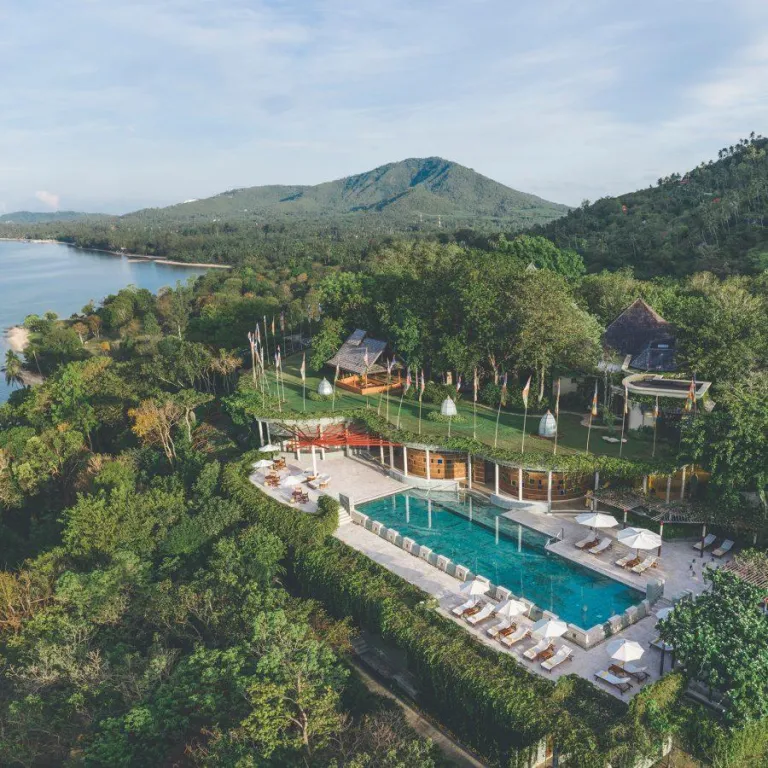
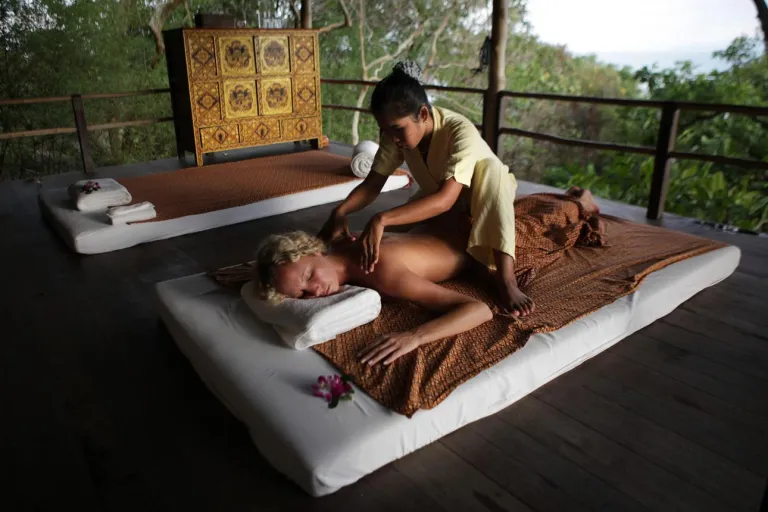
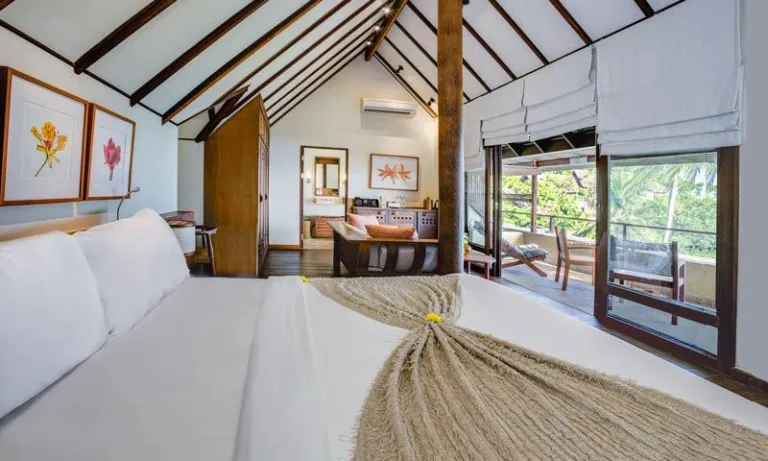
If your sleep schedule has become more unpredictable than your travel plans, Kamalaya Wellness Sanctuary might be worth considering.
Located on the island of Koh Samui, this wellness sanctuary offers a dedicated Sleep Enhancement programme designed to address sleep-related concerns through personalised wellness experiences.
Guests can explore consultations, relaxation therapies, meditation, movement practices and other holistic treatments.
The idea is not simply to sleep for longer during your stay, but to understand what might be affecting your rest and develop healthier routines.
Best for: Travellers looking for a structured wellness retreat rather than just a relaxing hotel stay.
2. Canyon Ranch, USA
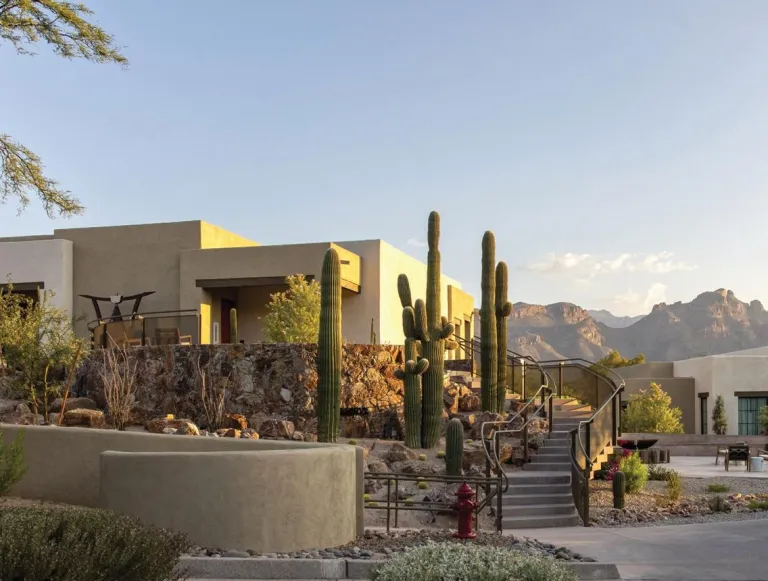
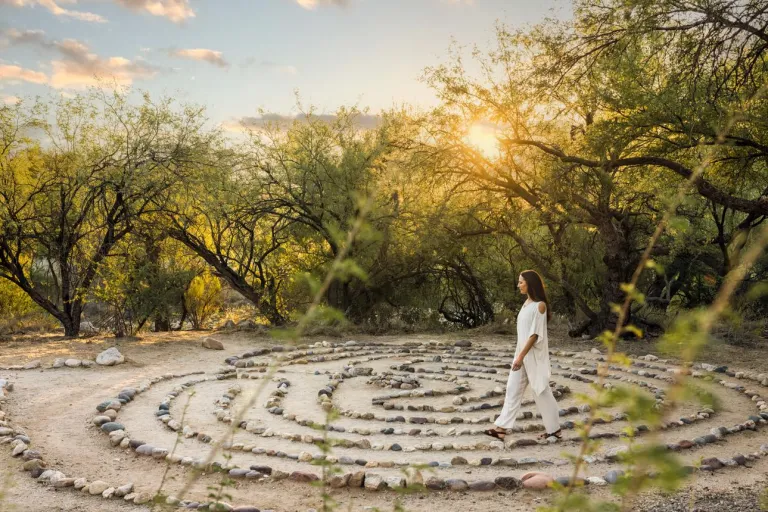
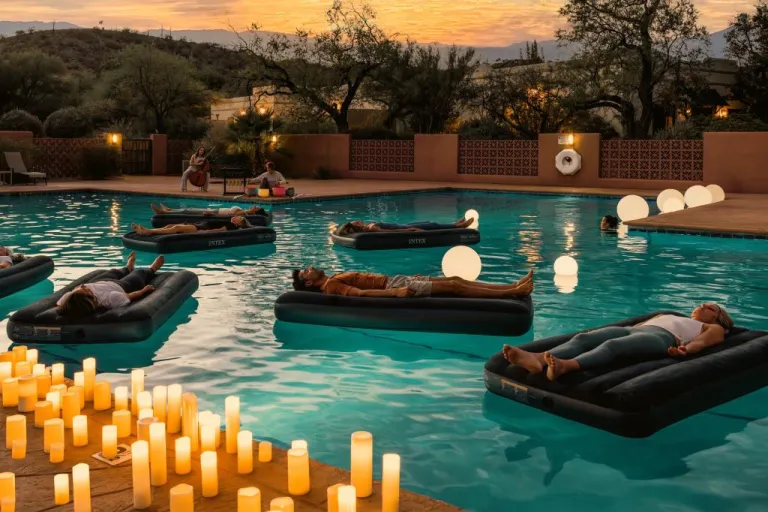
What if your holiday came with a sleep expert?
At Canyon Ranch, wellness goes beyond spa treatments and luxurious accommodation.
Its Mastering Sleep Retreat has included sleep assessments, overnight monitoring and educational sessions led by medical and wellness professionals.
Guests learn how factors such as stress, exercise and nutrition can influence their sleeping patterns.
It is an interesting example of how sleep tourism is moving beyond comfortable beds towards more specialised wellness experiences.
Best for: People interested in understanding their sleep habits through expert-led wellness programmes.
3. Santani Wellness Resort, Sri Lanka
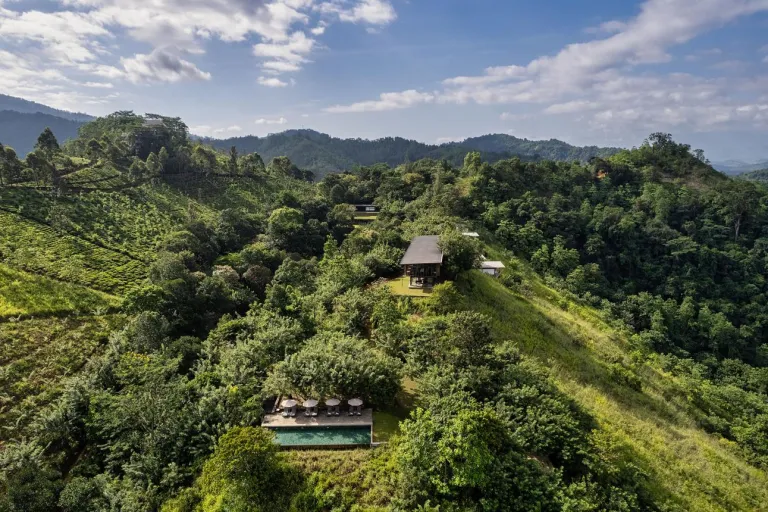
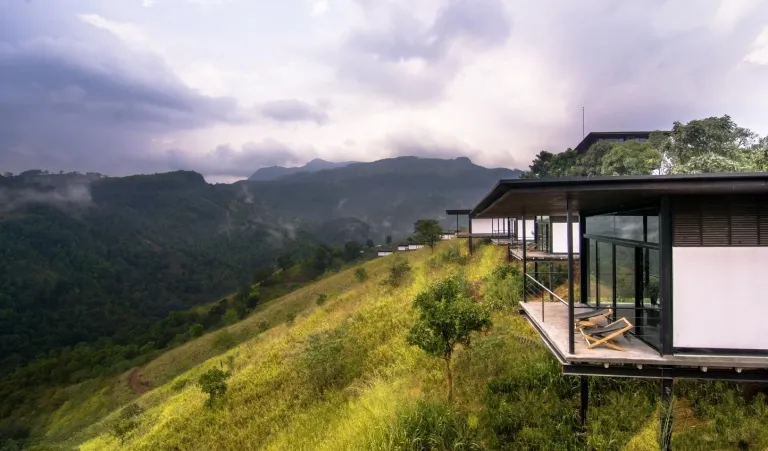
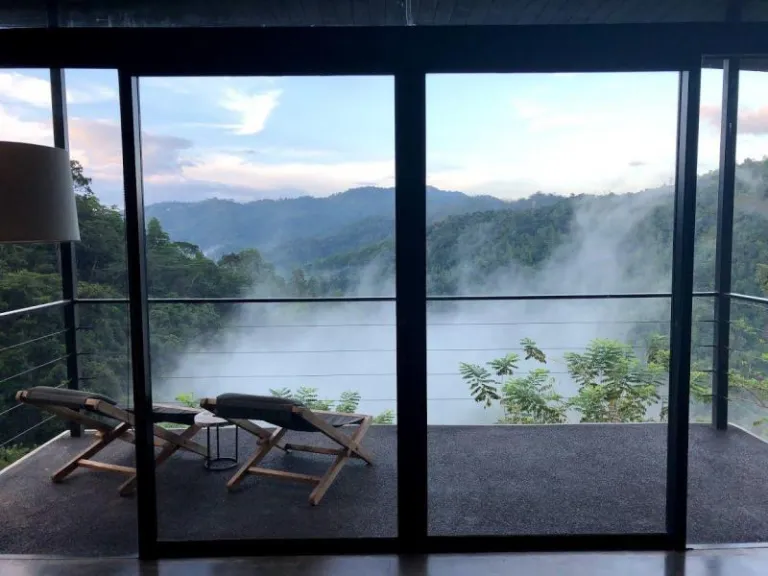
Surrounded by Sri Lanka's lush hills, Santani Wellness Resort offers an escape from the noise of everyday life.
Its minimalist architecture, tranquil surroundings, wellness treatments and personalised programmes make it an appealing option for travellers looking to slow down.
The experience combines wellness, mindfulness, movement and relaxation rather than traditional sightseeing.
And honestly, waking up to mist-covered hills instead of a dozen work notifications sounds like a pretty good start to the day.
Best for: Nature lovers who want a peaceful, wellness-oriented escape.
4. Kimpton Fitzroy London, UK
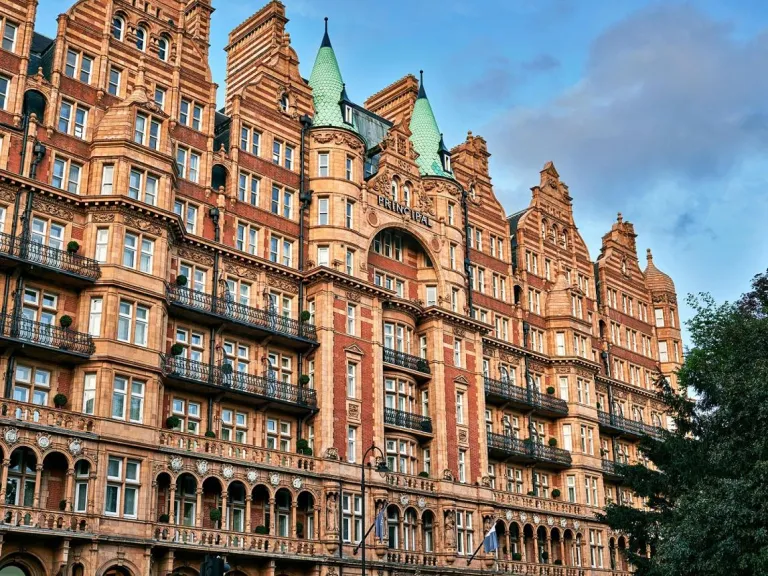
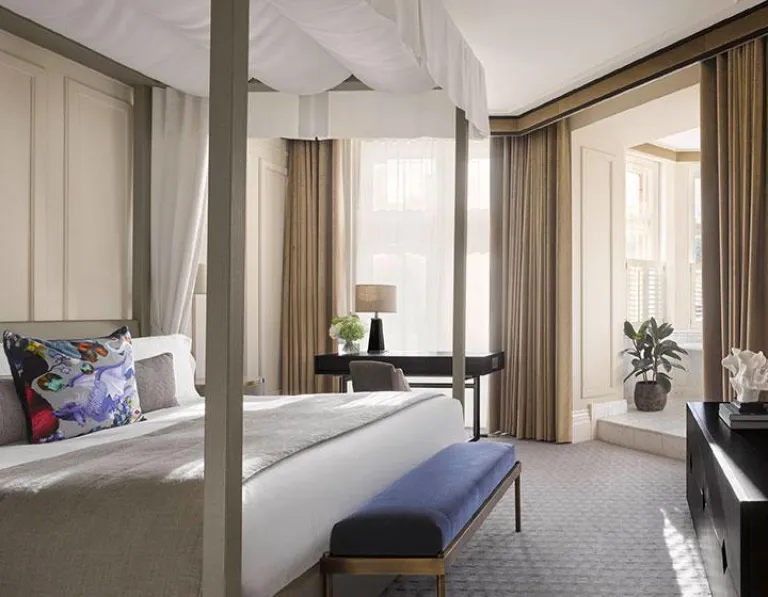
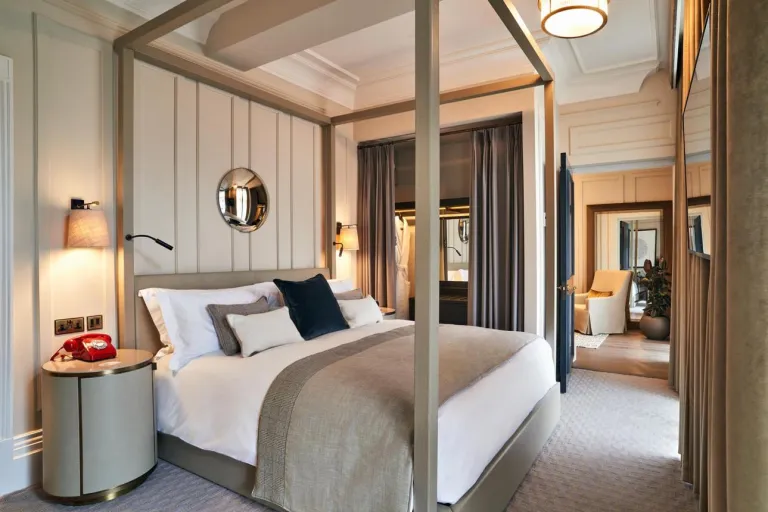
Who said you need to travel to a remote mountain resort to enjoy a sleep-focused holiday?
At Kimpton Fitzroy London, sleep and even dreaming have become part of the guest experience.
Its Room to Dream experience, developed in collaboration with dream expert Charlie Morley, explores lucid dreaming through guided practices and relaxation rituals.
It is a fascinating example of how urban hotels are also experimenting with sleep-focused hospitality.
Best for: City travellers who want a different kind of hotel experience without leaving the urban environment.
5. Dharana at Shillim, India
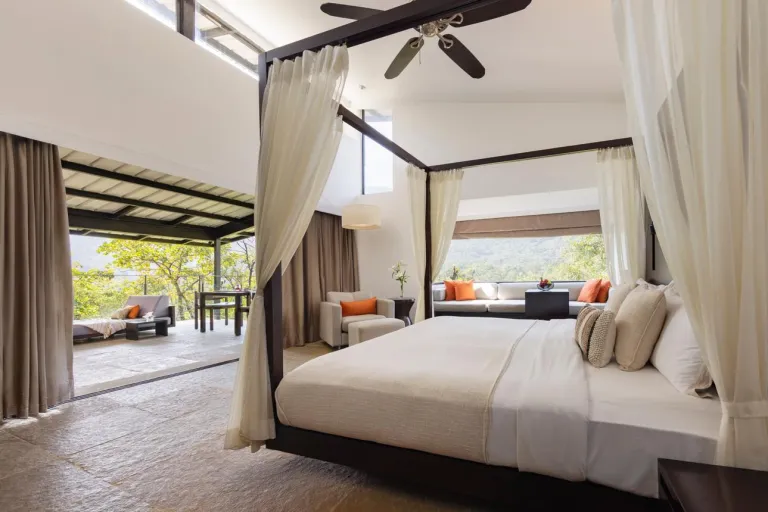
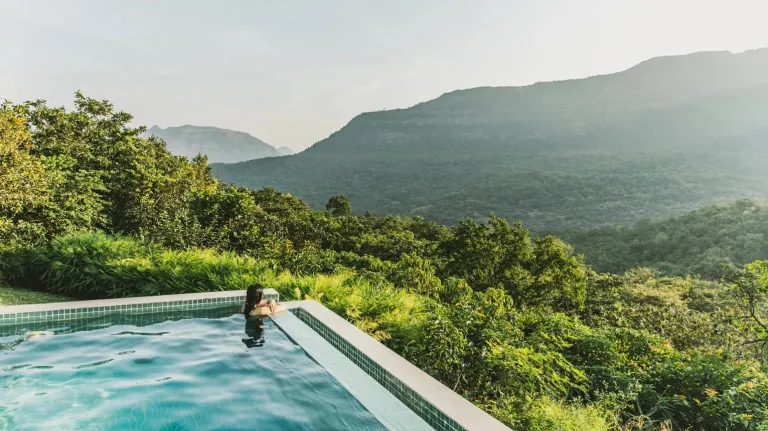
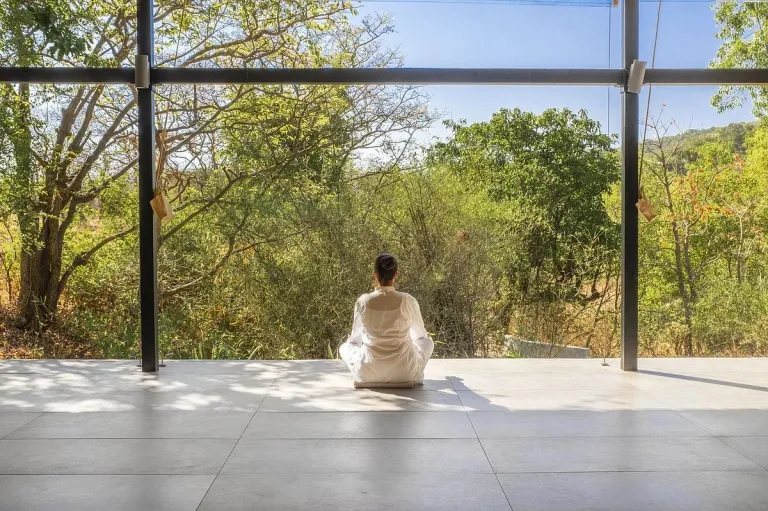
You don't necessarily need to fly overseas to experience a wellness escape.
Located in Maharashtra's Sahyadri hills, Dharana at Shillim is a wellness retreat surrounded by forests and hills.
Its approach combines nature, wellness consultations, mindful movement, spa therapies and personalised programmes.
Although it isn't exclusively a sleep retreat, its setting and wellness philosophy make it an interesting option for travellers seeking a slower, restorative holiday.
Best for: Indian travellers looking for a nature-based wellness escape.
6. tulah, India

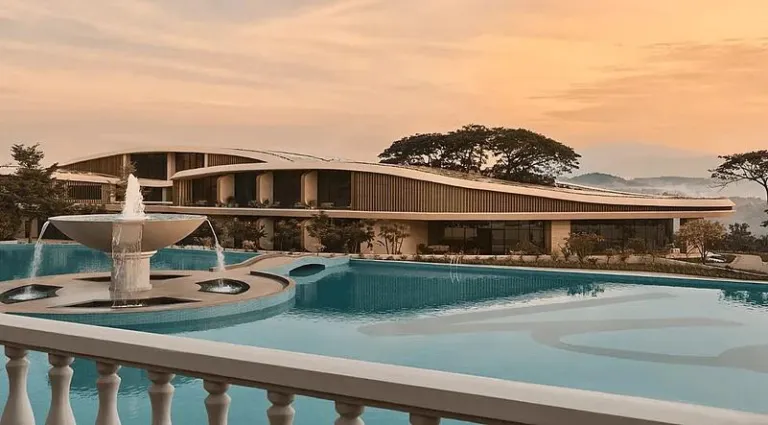
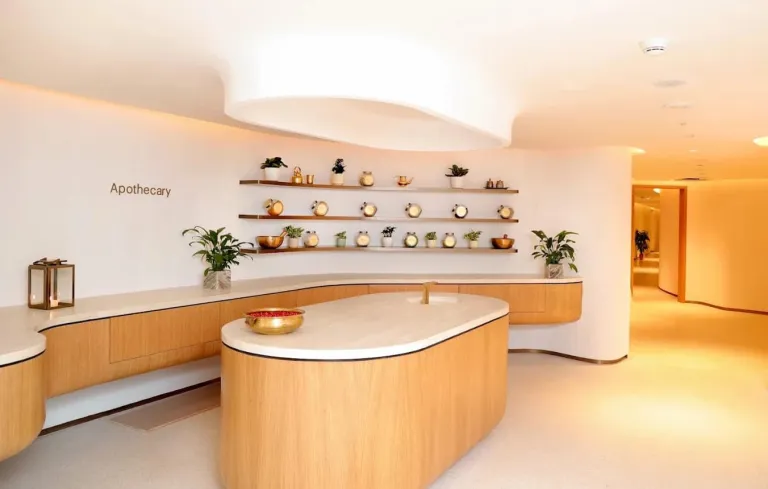
India's wellness travel scene is also exploring the idea of treating rest as an essential part of well-being.
tulah has been featured in conversations around India's emerging sleep and wellness retreat experiences.
It represents the growing interest in combining restorative stays with more intentional wellness practices.
Best for: Travellers researching India's newer wellness-focused hospitality experiences.
Note: These properties offer different types of wellness experiences. Not all are dedicated sleep clinics or exclusively sleep-focused retreats. Check current programmes and inclusions before booking.
Sleep Tourism in India: Is the Napcation Trend Catching On?
India is no stranger to wellness travel. From Ayurveda retreats in Kerala to yoga centres in Rishikesh, travellers have long visited destinations to slow down and reconnect with themselves.
But the idea of travelling specifically to catch up on sleep is gaining attention too.
In October 2025, Business Standard reported on the growing popularity of 'napcations' in India, highlighting how hotels and resorts were creating gentler wellness packages for people who wanted a break from packed itineraries.
The appeal is easy to understand. Imagine escaping Bengaluru's traffic for a quiet weekend in the hills, waking up when your body feels ready, enjoying a leisurely breakfast and spending the afternoon doing absolutely nothing.
Some Indian destinations that lend themselves particularly well to this kind of holiday include:
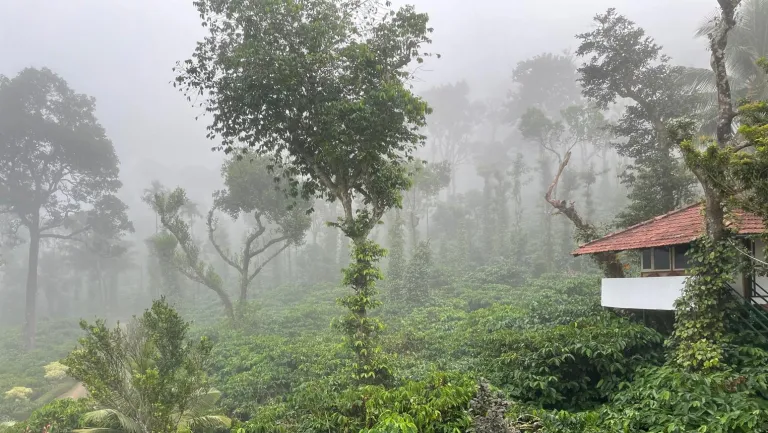
Coorg
Coffee plantations, misty mornings, quiet homestays and forest surroundings make Coorg a lovely choice for a slow weekend.
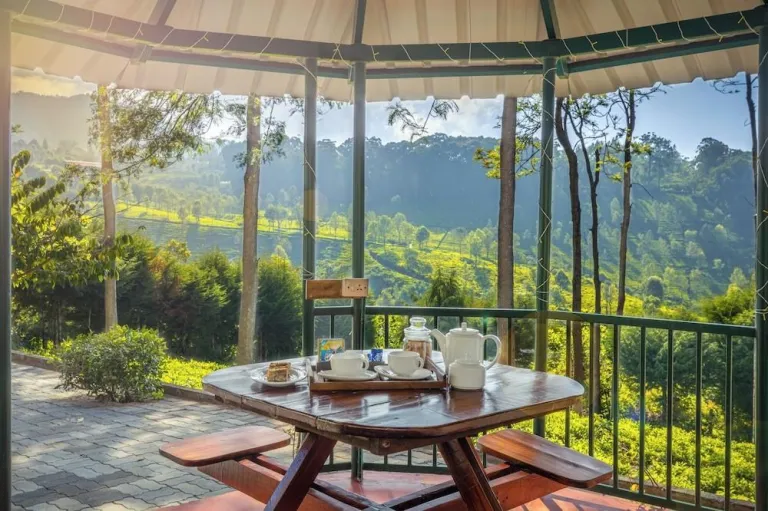
Coonoor
Tea gardens, cool weather and relaxed mountain stays offer a welcome change from busy city routines.
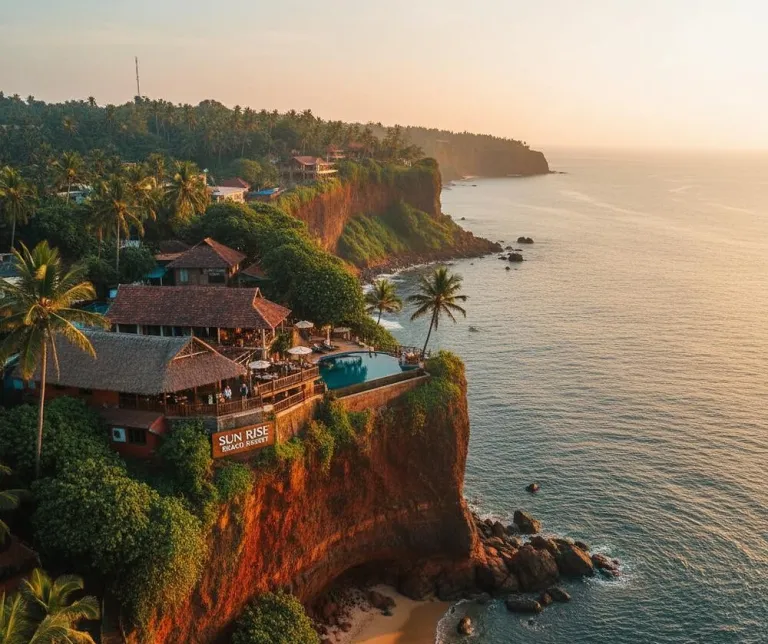 Varkala
Slow beach mornings, ocean views, yoga and leisurely evenings make this a good option for a coastal reset.
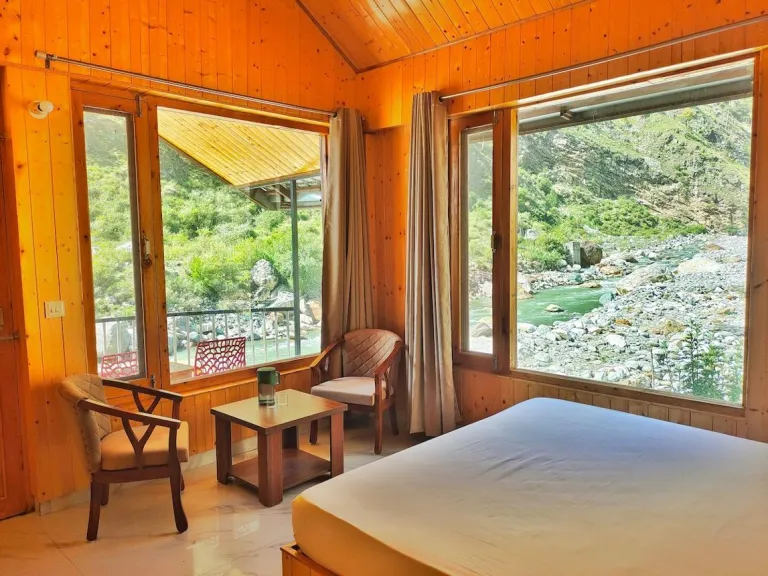
Tirthan Valley
Riverside cottages, mountain air and fewer urban distractions make it ideal for travellers who want to disconnect.
The important thing is not necessarily finding a hotel with a specialised sleep programme. Sometimes, choosing a quiet destination, comfortable accommodation and a relaxed itinerary is enough to create your own sleepcation.
What Does a Sleepcation Actually Look Like?
If you're imagining a holiday where you spend three days sleeping continuously, don't worry. Sleep tourism doesn't mean turning into a professional napper!
A good sleepcation is about creating an environment where your body can relax and follow a healthier routine.
Here's what a simple three-day sleepcation could look like:
Day | What to do |
|---|---|
Day 1: Switch off | Check in, enjoy a relaxed meal, take a nature walk and avoid late-night screen time |
Day 2: Slow down | Wake up naturally, enjoy breakfast, try yoga or meditation, book a relaxing massage and spend the afternoon reading |
Day 3: Reset | Enjoy a leisurely morning, have breakfast outdoors and return home without rushing |
The best part? There is no pressure to tick off every activity.
How to Plan Your Own Sleepcation
You don't need a luxury wellness resort or an expensive international holiday to experience sleep tourism. A thoughtfully planned weekend can work just as well.
Here are a few things to keep in mind:
1. Choose your accommodation carefully
Look for quiet rooms, comfortable mattresses, good ventilation, blackout curtains and minimal disturbance. A beautiful property next to a busy highway might not be the best choice.
2. Keep your itinerary deliberately light
Avoid scheduling multiple activities every day. Leave enough room for naps, slow breakfasts, reading and simply enjoying the surroundings.
3. Give your phone a break
Try keeping your phone away for a few hours, particularly before bedtime. You don't need to photograph every meal or post every sunset.
4. Spend time outdoors
Gentle walks, natural daylight and time in green spaces can support a healthy sleep-wake routine.
5. Don't turn sleep into another competition
Avoid obsessing over sleep tracker scores or trying to achieve a perfect number of hours. The point is to relax, not introduce another performance target into your holiday.
Is Sleep Tourism Worth Spending Money On?
That depends on what you expect from a holiday.
If you are someone who loves adventure sports, exploring unfamiliar cities or squeezing every possible experience into a trip, a sleepcation might initially sound boring.
But if you've been feeling exhausted, constantly rushing between responsibilities or returning from holidays needing another holiday, this might be exactly what you need.
Sleep tourism can offer a temporary break from everyday stress, encourage healthier routines and introduce you to wellness practices that you can continue at home.
However, it is important to remember that a relaxing holiday is not a treatment for chronic insomnia, sleep apnoea or other sleep disorders. Those require appropriate medical evaluation.
The Future of Sleep Tourism: Will Doing Nothing Become the New Luxury?
The travel industry is slowly changing the way it defines a memorable holiday.
The Global Wellness Institute's 2026 trends report identifies deep rest as an emerging focus in wellness travel. It highlights experiences built around natural darkness, reduced noise, circadian rhythms and restorative environments.
We could see more hotels introducing dedicated sleep-friendly rooms, personalised lighting, smart mattresses, sleep consultations and technology-assisted wellness programmes.
There is also an interesting opportunity for destinations. Places with dark skies, clean surroundings, natural landscapes and quieter environments could attract travellers who want to escape overstimulation.
Perhaps the next big travel itinerary won't involve visiting five countries in seven days. It might simply involve spending three days in one beautiful place and getting the sleep you've been postponing for months.
After all, not every holiday needs an adventure story. Sometimes, coming back genuinely refreshed is the best souvenir you can bring home.
Frequently Asked Questions About Sleep Tourism
1. What is sleep tourism?
Sleep tourism is a type of wellness travel where the primary purpose of a holiday is to improve sleep quality, reduce stress and experience restorative rest.
2. What is a sleepcation?
A sleepcation is a holiday specifically planned around rest and relaxation. It usually involves comfortable accommodation, minimal activities, peaceful surroundings and sleep-friendly amenities.
3. Which are the best destinations for sleep tourism in India?
Coorg, Coonoor, Varkala, Tirthan Valley and wellness retreats such as Dharana at Shillim are options for travellers looking for peaceful surroundings and restorative stays.
4. What do sleep tourism hotels offer?
Depending on the property, guests may find personalised pillow menus, blackout curtains, soundproof rooms, smart mattresses, meditation sessions, spa treatments and sleep consultations.
5. Is sleep tourism suitable for everyone?
Yes, anyone looking for a slower, more relaxing holiday can enjoy a sleepcation. However, people experiencing persistent sleep difficulties should consult a qualified healthcare professional rather than relying on a holiday as treatment.
Published at
About Author

Atihsin
Subscribe our Newsletter
Get our weekly tips and travel news!
Related Posts
Step Into Royalty - 16 Exclusive Luxury India Tours for 2023
India, a land of rich culture, magnificent history, and unmatched grandeur, has always been a jewel in the crown of world tourism. For those with a penchant for extravagance, there's no better way to explore India than on one of its luxury tours.
10 Extravagant Hotels in Mumbai for Luxury Lovers
Discover Mumbai's opulent hotels, where luxury meets vibrant city life. Our latest blog uncovers the top 10 retreats, showcasing stunning sea views and world-class amenities for those with a penchant for the finest experiences in life.
10 Premium Resorts in Panjim, Goa for Luxury Lovers
Premium resorts in Panjim for the hot summers... uffff
13 Castle hotels of India: A dreamy stays
Discover regal luxury at India's castle hotels! From Mehrangarh Fort in Jodhpur to Chateau Woods in Kerala, immerse yourself in history and luxury. Indulge in royal accommodations and cultural experiences. Experience the magic of India's heritage!
Experience Opulence of Ladakh With These 10 Hotels
Explore 10 luxurious hotels in Ladakh, perfect for travelers seeking a pampered experience. From mountain views and spas to delicious food, these hotels offer everything for an unforgettable stay.
Latest Posts
15 Important Things to Take Care of Before Going on a Trek
From choosing the right trekking shoes to packing essential gear and preparing for changing weather, discover 15 important trekking tips to stay safe, comfortable and prepared on your next adventure.
Cheapest Countries to Visit from India in December 2026
Planning an affordable international holiday? Explore 8 cheapest countries to visit from India in December 2026, with estimated budgets, popular attractions and travel tips.
Dark Sky Tourism in India: 7 Best Places for Stargazing
What if your next holiday was all about looking up? Discover dark sky tourism in India, with seven incredible destinations for stargazing, Milky Way photography and unforgettable nights beneath the stars.
10 Best Shopping Places in Dubai for Tourists in 2026
Planning a shopping trip to Dubai? Explore 10 popular shopping destinations, from luxury malls and designer outlets to traditional souks, gold markets and affordable shopping areas.
Supreme Court on 700% Airfare Hike: New Rules Explained
The Supreme Court has refused an urgent hearing on a plea alleging a 700% rise in domestic airfares during Diwali. With new aviation rules coming into effect in January 2027, here's what passengers need to know.