
Oktoberfest 2026 for Indians: Germany Visa, Cost, Flights & Complete Travel Guide
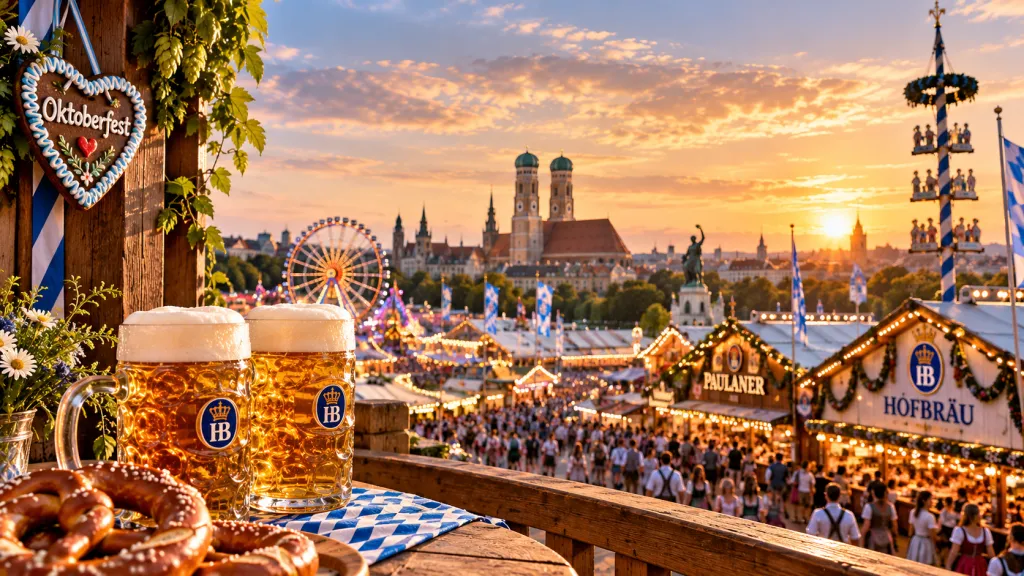
There are two kinds of people in this world: those who plan an international holiday around museums and architecture, and those who see a giant beer mug on Instagram and immediately start checking flight prices to Germany.
If you belong to the second category, welcome. You are about to discover Oktoberfest.
Every year, Munich transforms into a celebration of Bavarian culture, traditional music, enormous pretzels, amusement rides and beer served in mugs that make your regular weekend glass look like a sample cup. Millions of visitors arrive to experience the festival, dressed in traditional outfits and ready to sing along to songs they probably cannot pronounce.
For Indian travellers, Oktoberfest is more than a beer festival. It is an opportunity to explore Germany, experience a centuries-old tradition, discover Bavarian food and enjoy one of Europe's most recognisable cultural events.
Of course, before you start practising your German cheers, there are a few practical matters to settle. You need a Schengen visa, flights to Munich, accommodation that does not cost the same as a small apartment, and a budget that accounts for festival-season prices.
This guide covers everything Indian travellers need to know about Oktoberfest 2026, from travel costs and visa applications to beer tents, local transport and smart ways to save money.
Oktoberfest 2026: Dates, Location and Quick Facts
First, the essential details.
Travel detail | Information |
|---|---|
Festival dates | 19 September–4 October 2026 |
Location | Theresienwiese, Munich, Germany |
Festival duration | 16 days |
Entry to main festival grounds | Free |
Typical beer price in 2026 | €14.80–€15.90 per litre |
Nearest major airport | Munich Airport (MUC) |
Visa for Indian passport holders | Short-stay Schengen visa, subject to eligibility |
Recommended trip duration | 5–7 days |
Main language | German; English is widely understood in tourist areas |
The dates and beer prices are based on the official Oktoberfest website.Visit the official Oktoberfest website for festival information.
A quick reality check: The 2026 festival is over. If you are planning to attend a future edition, check the next year's official dates before booking flights or accommodation. Do not book a non-refundable hotel simply because a travel reel says Oktoberfest happens in October.
What Exactly Is Oktoberfest?
Despite the name, Oktoberfest mostly happens in September. Because apparently even Germany enjoys making tourists double-check their calendars.
The festival began in 1810 as a celebration of the marriage of Crown Prince Ludwig and Princess Therese of Saxony-Hildburghausen. The celebrations were held outside Munich, in an area that eventually became known as Theresienwiese.
Today, Oktoberfest is one of the world's largest folk festivals. It combines Bavarian traditions with enormous beer tents, live music, traditional clothing, food stalls, fairground rides and a distinctly cheerful atmosphere.
It is not simply a place to drink beer. Visitors can enjoy traditional German food, watch folk performances, try amusement rides, explore market stalls and experience Bavarian hospitality.
And yes, you can attend even if you do not drink alcohol. The festival offers food, rides, music and plenty of opportunities to people-watch. You will not be issued a disappointed Bavarian certificate at the entrance.
Is Oktoberfest Worth Visiting for Indians?
If you enjoy cultural festivals, international travel, live music, food and lively crowds, Oktoberfest can be a memorable experience.
It is particularly appealing if you want to combine a major European festival with sightseeing in Germany.
However, there are three things to consider before planning the trip.
First, the cost. Munich becomes expensive during Oktoberfest, particularly for accommodation. A budget-friendly trip requires advance planning.
Second, the crowds. The main tents and festival grounds can be extremely busy, especially on weekends. If your ideal holiday involves solitude, mountain trails and a quiet cup of coffee, Oktoberfest may challenge your definition of relaxation.
Third, the atmosphere. The festival revolves heavily around beer culture, traditional music and large gatherings. You can still enjoy the food, rides and cultural experiences without drinking, but you should know what to expect.
My verdict? If you have always wanted to experience Oktoberfest, it can be worth the splurge. Just do not spend your entire holiday budget on reaching Munich and then discover that even a bed in a shared hostel requires financial planning.
Germany Visa for Indians: How to Apply for Oktoberfest
Indian citizens travelling on ordinary Indian passports generally need a Schengen short-stay visa for a tourist visit to Germany, unless they qualify for an applicable exemption.
A short-stay Schengen visa generally permits stays of up to 90 days in any 180-day period across the Schengen area, subject to the visa issued and applicable rules.
1. Which visa should you apply for?
For a holiday to Oktoberfest, you would generally apply for a short-stay Schengen visa for tourism.
If Germany is your main destination, you should ordinarily apply through the German visa application process. If your itinerary includes several Schengen countries, the country responsible for your application depends on your main destination and the applicable rules.
Do not apply for a work or study visa when your plan is to eat pretzels and explore Munich for a week.
Also Read: Austria Visa for Indians: Types and Requirements 2026
2. Germany tourist visa fees for Indians
The standard adult Schengen visa fee listed by Germany's official authorities is €90. The Indian-rupee amount and additional service charges can vary with the applicable fee schedule and exchange arrangements.
Budget for the visa fee, service charges and any optional services separately.
Expense | Indicative amount |
|---|---|
Adult Schengen visa fee | €90 |
Approximate rupee equivalent | ₹9,000–₹10,000 |
Visa application centre service fee | Additional |
Travel medical insurance | Depends on coverage and duration |
Travel to the application centre | Depends on your city |
Germany's official visa information lists the adult fee as €90, with an INR equivalent published on its website. Check the current amount and service charges before paying. Check Official German visa fees website for India
Remember that visa fees are generally non-refundable if your application is refused.
3. Documents required for a German tourist visa
Your precise document checklist depends on the application category and your circumstances, but tourist applicants commonly need:
A valid passport meeting Schengen requirements.
A completed visa application and photograph meeting the specified standards.
Travel medical insurance meeting Schengen requirements.
Flight itinerary and accommodation details.
A travel plan explaining the purpose and duration of your visit.
Bank statements and supporting evidence of financial means.
Employment documents, salary slips or business documents, as applicable.
Evidence of ties to India and reasons to return after the trip.
Any additional documents requested by the German authorities.
The objective is to demonstrate that your visit is genuine, your expenses are covered and your travel plans are credible.
A large bank balance alone does not guarantee approval. Your financial documents should make sense in the context of your employment, income, travel history and proposed itinerary.
4. When should Indians apply for the Germany visa?
Do not leave your visa appointment until the week before your flight. International travel is exciting; an appointment calendar with no available slots is not.
Schengen applications can generally be submitted up to six months before the planned journey. The usual standard processing period is 15 calendar days, although individual applications can take longer.
For a future Oktoberfest trip, start checking the official visa process several months ahead. Allow additional time for appointment availability, document preparation and possible delays.
Official resources:
Use these official sources for the current checklist, appointment procedures, fees and processing guidance.
Flights from India to Munich: Routes, Costs and Booking Tips
Munich is served by Munich Airport (MUC), a major international airport with connections to cities across Europe and beyond.
Indian travellers can look for flights departing from Bengaluru, Delhi, Mumbai, Hyderabad or other major airports, depending on airline schedules and prices.
Depending on the route and season, options may include direct services where available or one-stop connections through major international hubs.
How much do flights from India to Munich cost?
Airfares vary considerably depending on the departure city, dates, baggage allowance, airline, booking lead time and number of connections.
As a planning example, recent fare comparisons for Bengaluru–Munich have shown typical return fares in the approximate ₹55,000–₹80,000 range, although individual offers can fall outside it. Festival-period fares may differ.
For budgeting purposes, consider the following broad estimates rather than guaranteed ticket prices:
Departure city | Indicative return-flight budget |
|---|---|
Bengaluru | ₹55,000–₹85,000 |
Delhi | ₹50,000–₹85,000 |
Mumbai | ₹50,000–₹85,000 |
Hyderabad | ₹55,000–₹90,000 |
These are indicative planning ranges, not verified live quotes for particular dates. Actual fares may be higher or lower.
Tips for booking flights
Be flexible with dates. Flying a few days before or after a popular festival weekend may help reduce the fare.
Compare the total cost. A cheap ticket with a long layover, strict baggage limits and inconvenient arrival time may not be the bargain it initially appears to be.
Check airport transfers. If your flight arrives late at night, confirm that public transport or your planned transfer will be available.
Avoid risky connections. If you book separate tickets, allow sufficient time between flights and understand what happens if the first flight is delayed.
Book accommodation before committing to flights. During major festivals, a reasonably priced hotel can be harder to find than an affordable flight.
For Indians travelling internationally for the first time, a straightforward itinerary is often worth paying a little extra for. Saving ₹4,000 on a ticket is less impressive when it involves a 13-hour overnight layover and a sprint through an unfamiliar airport.
Oktoberfest Trip Cost from India: A Realistic Budget
Let's talk about the part that decides whether this trip becomes a holiday or remains a saved Instagram collection.
Your total Oktoberfest budget depends on your departure city, length of stay, accommodation standard, food choices, transport and spending habits.
The biggest variable is accommodation. Munich hotel prices can rise substantially during Oktoberfest, especially around busy weekends.
The following estimates are intended as broad planning figures for one adult travelling from India for approximately six days, including international return flights.
Expense | Budget traveller | Comfortable traveller |
|---|---|---|
Return flights | ₹55,000 | ₹75,000 |
Schengen visa and service charges | ₹12,000 | ₹13,000 |
Travel insurance | ₹1,500 | ₹3,000 |
Accommodation for 5 nights | ₹30,000 | ₹60,000 |
Food and drinks | ₹12,000 | ₹22,000 |
Local transport | ₹4,000 | ₹7,000 |
Festival activities and sightseeing | ₹5,000 | ₹10,000 |
Shopping and miscellaneous | ₹5,000 | ₹10,000 |
Estimated total | ₹1,24,500 | ₹2,00,000 |
These figures are illustrative estimates, not official package prices. Shared rooms, last-minute bookings, premium hotels, shopping and additional sightseeing can change the total significantly. Keep a contingency fund for unexpected costs.
Can you do Oktoberfest under ₹1 lakh?
It may be possible in unusually favourable circumstances, especially with inexpensive flights, shared accommodation, a short stay and disciplined spending. However, it is not a budget you should assume will work during festival season.
A more comfortable approach is to plan around ₹1.3–2 lakh per person for a modest six-day trip, with additional flexibility if you want a private hotel room or more sightseeing.
And one important distinction: you do not have to spend money to enter the main Oktoberfest grounds. Food, drinks, accommodation and other activities are where the costs accumulate.
Where to Stay in Munich During Oktoberfest
Accommodation should be one of your earliest bookings.
During Oktoberfest, hotels and hostels in convenient locations can become expensive or sell out. Staying slightly farther away may help your budget, provided public transport makes it practical to reach the festival and return safely.
1. Near Theresienwiese
Best for: Convenience and minimising travel time.
Staying close to the festival grounds allows you to walk back to your accommodation in some cases. However, this convenience often comes with higher prices.
2. Munich Central Station area
Best for: Transport connections and first-time visitors.
The Hauptbahnhof area offers access to rail services, local transport, shops and restaurants. Compare the exact neighbourhood and accommodation reviews before booking.
3. Outer neighbourhoods connected by public transport
Best for: Travellers trying to control costs.
Look for accommodation with a practical connection to the U-Bahn or S-Bahn. Check the complete journey, including late-night return options, rather than choosing a hotel based only on its price.
4. Hostels and shared accommodation
Best for: Solo travellers and budget-conscious visitors.
Hostels can reduce accommodation costs and provide opportunities to meet other travellers. Check luggage storage, cancellation rules, room type and reviews before paying.
Accommodation tip: Compare the cost of a room farther away with the cost of daily transport and the time involved. A cheap room that requires an elaborate commute may not be the bargain it appears to be.
Do You Need to Reserve a Beer Tent at Oktoberfest?
Not necessarily.
Admission to the main festival grounds is free, and entering the tents does not generally require a ticket. However, seating is limited, and popular tents can fill up quickly.
The official Oktoberfest guidance states that some seats remain unreserved. On weekends and public holidays, availability is particularly competitive, and unreserved seats may be taken by mid-morning. Read the official visitor FAQs.
How tent reservations work
Check the official website of the tent you want to visit.
Review the reservation process and available dates.
Understand that some reservations involve minimum food or drink consumption or other conditions.
Never assume that paying for a reservation is the same as buying festival admission.
Avoid unofficial resellers promising guaranteed entry without verifiable details.
If you are travelling alone or as a small group, you may be able to find unreserved seating at suitable times, but there is no guarantee.
If a particular tent or time is essential to your trip, plan ahead rather than relying on luck.
What to Wear to Oktoberfest
Traditional Bavarian clothing is part of the festival atmosphere, but it is not compulsory.
Women may wear a Dirndl, while men often wear Lederhosen with traditional shirts and accessories. You will also see visitors in ordinary casual clothing.
If you want to dress traditionally, you can purchase an outfit in Germany or explore options before leaving India. Quality, fit and price vary considerably, so compare options rather than buying the first costume advertised online.
A few practical tips:
Wear comfortable shoes; you will spend plenty of time walking and standing.
Carry a light jacket for cool weather.
Check the forecast before choosing your outfit.
Avoid wearing shoes that look great in photographs but become painful after an hour.
Follow the festival's current rules on bags and prohibited items.
And remember, you do not need traditional clothing to enjoy the festival. Nobody is checking your wardrobe at the German border.
What to Eat at Oktoberfest Besides Pretzels
Bavarian food is a major part of the Oktoberfest experience.
Even if you do not drink beer, the festival offers plenty of reasons to arrive hungry.
Pretzels (Brezn): Large, chewy baked pretzels that pair well with traditional Bavarian food.
Roast chicken (Hendl): A popular festival meal and a good option for meat eaters.
Sausages (Würstl): Germany has many varieties, with different seasonings and serving styles.
Roast pork (Schweinsbraten): A traditional Bavarian dish often served with dumplings and gravy.
Cheese spreads: Bavarian Obatzda is a savoury cheese preparation often served with bread or pretzels.
Apple strudel: A familiar dessert choice for travellers who want something sweet.
Vegetarian options are available, although the range varies by stall and tent. If you have dietary restrictions, check ingredients and ask vendors directly.
Indian travellers who prefer vegetarian food should not assume that every dish is meat-free just because it contains cheese, bread or vegetables. Confirm ingredients, broths and preparation methods before ordering.
A 6-Day Germany Itinerary for Indian Travellers
If you are flying all the way to Germany, it makes sense to see more than a festival tent and the inside of a hotel room.
Here is a sample itinerary for a future Oktoberfest trip. Adjust the festival day to match the dates of the edition you attend.
Day 1: Arrive in Munich
Arrive at Munich Airport, transfer to your accommodation and keep the day relatively light.
Explore the area around Marienplatz if you have the energy. Enjoy a relaxed dinner, familiarise yourself with public transport and get some sleep.
Jet lag and an ambitious sightseeing schedule are not a particularly charming combination.
Day 2: Explore Munich's Old Town
Visit Marienplatz, admire the architecture and explore nearby streets, shops and cafés.
Depending on your interests, you can also visit Munich's historic churches or museums. Keep the schedule flexible so you can enjoy the city without rushing.
Day 3: Spend a Day at Oktoberfest
Head to Theresienwiese, explore the festival grounds, enjoy the food stalls and amusement rides, and experience the atmosphere inside a tent if seating is available.
If you drink, plan your return journey in advance and stay with your group.
Day 4: Visit a Museum or Munich's Parks
Choose a museum, gallery or a relaxed walk through the city's green spaces.
Munich has plenty to offer beyond Oktoberfest, and a quieter day can be a welcome break from the festival crowds.
Day 5: Take a Day Trip
Consider a day trip to a destination such as Neuschwanstein Castle, subject to transport schedules, ticket availability and travel time.
Alternatively, stay in Munich and explore a neighbourhood you missed earlier. A good holiday does not need to resemble a military operation.
Day 6: Shopping and Departure
Enjoy breakfast, pick up souvenirs and travel to the airport with enough time for check-in and security.
If your flight departs early, stay close to a reliable transport connection the previous night.
Planning note: This itinerary is a general template. For a trip built around the festival, book the Oktoberfest day according to the official dates, tent arrangements and your accommodation location.
How to Reach Oktoberfest from Munich Airport
Munich Airport is connected to the city by public transport, including S-Bahn rail services.
The airport is outside the city centre, so allow time for the journey after landing. Depending on your accommodation, you may need to change trains or use another local service to reach your hotel.
For festival access, Theresienwiese is served by nearby public transport stations. Check the best route from your accommodation using the current Munich public transport network and follow event-day travel guidance.
Taxis and ride-hailing services may be convenient with luggage, but heavy traffic and festival crowds can affect journey times and costs.
Practical Tips for Indian Travellers Visiting Oktoberfest
A few small decisions can make the difference between a memorable holiday and an expensive logistical puzzle.
Carry a payment backup
Check whether your cards work internationally and understand foreign transaction charges. Carry a backup payment method and some euros for situations where cash is useful.
Buy travel insurance
Choose suitable travel medical insurance that meets the requirements for your visa and covers your planned activities. Read exclusions carefully.
Check your mobile connectivity
Arrange an international roaming plan or a suitable local or eSIM option before travelling. Having access to maps, transport information and booking details is useful.
Keep your documents secure
Carry your passport securely and keep digital copies of essential documents. Follow official advice on what identification you should carry while travelling.
Plan your return journey
Festival days can be long. Check transport schedules, know the route to your accommodation and avoid relying on the assumption that a late-night taxi will always be immediately available.
Respect local rules
Follow venue instructions, local laws and public transport rules. Keep noise reasonable in residential areas and dispose of rubbish properly.
Do not overpack
Germany's weather can change, and comfortable clothing is useful. You do not need a separate outfit for every photograph.
Is Oktoberfest Safe for Solo Travellers?
Oktoberfest attracts visitors from around the world, including solo travellers. Many people attend independently, but large crowds and alcohol make sensible precautions important.
Keep valuables secure, watch your belongings, stay aware of your surroundings and arrange a clear meeting point if you are travelling with friends.
If you are drinking, know your limits and do not leave drinks unattended. Use official transport or reputable transport services to return to your accommodation.
Solo women travellers should choose well-reviewed accommodation, share their itinerary with someone they trust and avoid walking alone through isolated areas late at night.
These precautions are not unique to Oktoberfest. They are simply good travel habits for any busy international event.
Frequently Asked Questions About Oktoberfest 2026 for Indians
When was Oktoberfest 2026?
Oktoberfest 2026 took place from 19 September to 4 October in Munich, Germany. The 2026 edition has ended. Check the official website for dates of the next edition.
Do Indians need a visa for Oktoberfest in Germany?
Indian citizens travelling on ordinary Indian passports generally need a short-stay Schengen visa for tourism in Germany, subject to applicable exemptions and eligibility rules.
How much does an Oktoberfest trip from India cost?
A six-day trip may cost approximately ₹1.25 lakh for a budget-conscious traveller and around ₹2 lakh or more for a more comfortable trip. Flight prices, accommodation, travel dates and personal spending can substantially change the total.
How much does beer cost at Oktoberfest?
Official beer prices at Oktoberfest 2026 ranged from €14.80 to €15.90 per litre. The equivalent in Indian rupees depends on the exchange rate.
Is entry to Oktoberfest free?
Yes. Entry to the main festival grounds and the tents is generally free, although food, drinks, rides and some special areas or activities cost extra.
Can I visit Oktoberfest without drinking alcohol?
Absolutely. Visitors can enjoy traditional food, amusement rides, music, markets and the general festival atmosphere. Check individual venue arrangements if you have a specific activity in mind.
How many days are enough for Oktoberfest?
Five to seven days is a useful timeframe for combining the festival with Munich sightseeing and a possible day trip. A shorter visit can also work if your schedule is limited.
When should I book a hotel for Oktoberfest?
Book as early as practical after confirming your travel dates. Accommodation in Munich can become expensive during the festival, especially on popular weekends.
Can I wear normal clothes to Oktoberfest?
Yes. Traditional Bavarian clothing is optional. Wear comfortable clothes and shoes suited to walking, changing weather and long days.
Final Thoughts: Is Oktoberfest Worth the Trip from India?
Oktoberfest is a chance to experience Germany at its most festive: traditional music, Bavarian food, lively beer tents, amusement rides and a city buzzing with international visitors.
For Indian travellers, the trip takes some planning. The visa process, international flights and festival-season accommodation can make it a significant expense. But with sensible budgeting and a little advance preparation, it can also become a memorable European holiday.
The smartest approach is to confirm the dates, arrange your visa, book suitable accommodation and understand the likely costs before committing to non-refundable travel.
And if you remember just one thing, let it be this: Oktoberfest is not a last-minute trip unless your favourite hobby is paying premium prices for ordinary hotel rooms.
Plan ahead, travel responsibly, try the local food, explore Munich beyond the festival grounds and leave enough room in your budget for an unexpectedly enormous pretzel.
Your future self—and your bank account—will thank you.
Official Sources and Useful Links
Note: Visa fees, flight fares, exchange rates, hotel prices and festival arrangements can change. Confirm all current details with official providers before booking or publishing time-sensitive information.
Published at
About Author

Atihsin
Subscribe our Newsletter
Get our weekly tips and travel news!
Related Posts
Travel Essentials You Must Buy To Save Money
Many of us love preparing for a trip by going to a mall and buying travel essentials we think we’ll certainly be needing. But, think about it: How much have you actually spent on all your pre-trave...
Travel Guide to Dubai from India 2023
Welcome to the enchanting realm of Dubai, where ancient traditions seamlessly blend with futuristic marvels. In this comprehensive travel guide, we embark on a captivating journey from India to the dazzling desert metropolis of Dubai. From informatio...
Here’s why Travelling Cheap Can Completely Ruin a Trip
Let’s face it: No matter how budgeted your trips are, they will inevitably cause a noticeable dent in your pocket. We believe it pays to travel thriftily — this makes it possible for all kinds of t...
What to Expect When Travelling to London: Expectations vs Reality
Given the increasing migration inflow to London every year, the defining features of London as a place of endless job opportunities, stunning architecture, and history, as well as the alluring Brit...
What to Expect When Travelling to Nepal: Expectations vs. Reality
What comes to your mind when you first think about Nepal? Majestic views of the sunrise against the snow capped peaks of the Himalayan mountains, rows of colorful prayer flags fluttering in the cri...
Latest Posts
Top 7 Visa-Free Destinations for Indians in 2026: Travel Abroad Without the Visa Hassle
Discover 7 visa-free countries for Indians in 2026, including entry rules, travel costs, top attractions and practical tips for planning your next international trip.
10 Peaceful Things to Do in Rishikesh Away from Crowds
Discover 10 peaceful things to do in Rishikesh, from hidden waterfalls and quiet riverside walks to scenic mountain views, forest trails and relaxing yoga retreats.
India Rises to 31st Place in Global Travel and Tourism Index 2026
India has climbed to 31st place in the WEF's 2026 Travel & Tourism Development Index, reflecting progress in tourism infrastructure and cultural resources.
Top 5 Things to Do in South Korea | Travel Guide
Planning a trip to South Korea? Explore five unforgettable experiences, from historic palaces and traditional villages to coastal cities, island landscapes and local food markets.
Best Places to Visit in India for Diwali and the October–November Holidays 2026
Planning a festive getaway? Explore 10 of the best places to visit in India for Diwali and the October–November holidays in 2026, including Jaipur, Varanasi, Goa, Munnar and Hampi.