
India’s New Travel Trends in 2026: Wellness, Slow Travel & Nature Escapes
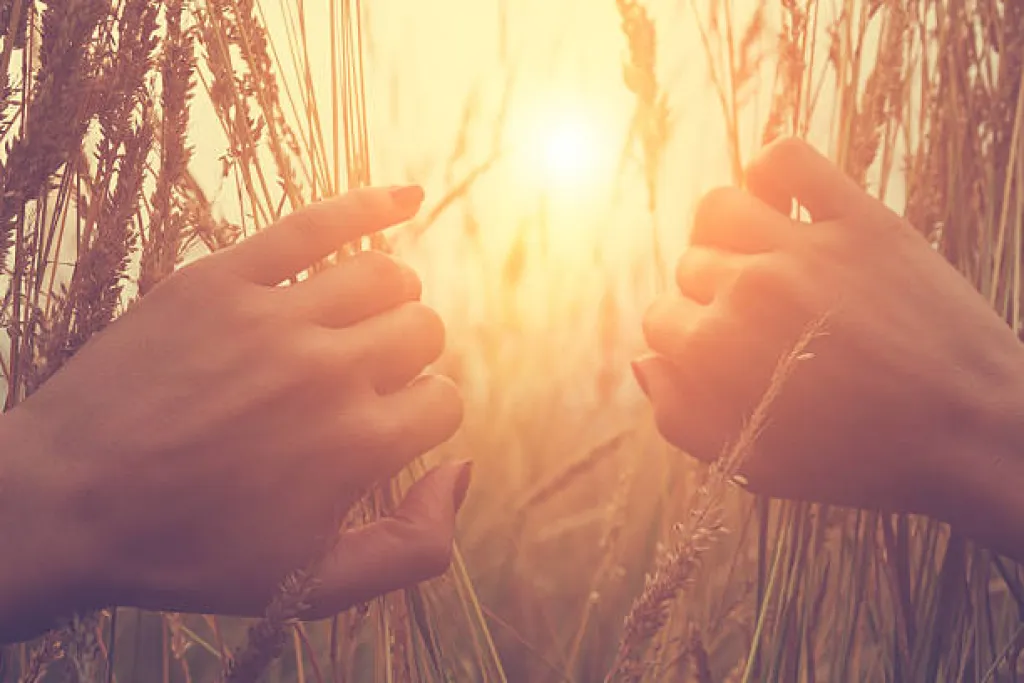
Something unusual is happening to travel in 2026.
People are no longer waking up at 5 a.m. to aggressively “cover all sightseeing points” before breakfast. Travelers are no longer returning from vacations more exhausted than they were before leaving. And surprisingly, many people are willingly choosing forests over nightlife, villages over luxury malls, and silence over overcrowded itineraries.
Somewhere between burnout, endless screen time, noisy cities, and the collective realization that everyone desperately needs rest, travel has started changing.
In 2026, Indian travellers are no longer chasing only destinations. They are chasing feelings.
Peace. Quiet. Slower mornings. Fresh air. Better sleep. Long conversations. Mountain sunsets. Hidden cafés. Wellness retreats. Digital detoxes. Places where notifications finally stop feeling important.
And honestly, it might be the healthiest travel trend India has ever had.
Top Travel Trends in India for 2026
Wellness Travel Is No Longer Just Luxury Tourism
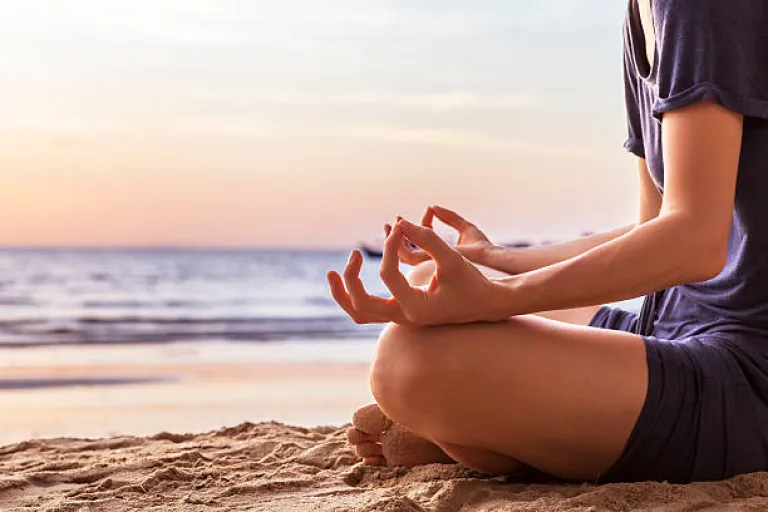
Once upon a time, wellness tourism sounded suspiciously expensive.
People imagined luxury spas, overpriced green juices, yoga instructors named Aurora, and resorts where everyone mysteriously woke up excited for meditation at sunrise.
But in 2026, wellness travel in India has become far more personal and accessible.
Today’s travellers are booking trips specifically to rest mentally and emotionally. Wellness no longer means “doing activities.” Sometimes it simply means sleeping properly, walking in nature, eating slowly, and escaping city stress for a few days.
Destinations like Rishikesh, Coorg, Auroville, and Munnar are seeing massive growth because travelers want calmer experiences instead of hyper-packed itineraries.
And perhaps the biggest luxury in 2026 is simply feeling rested again.
Slow Travel Is Replacing Checklist Tourism
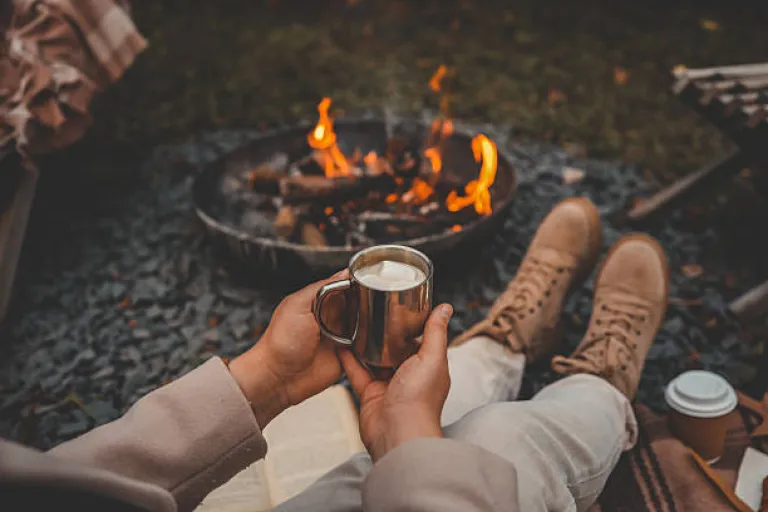
Indian travellers are also beginning to reject rushed vacations.
You know the type.
Wake up early.
Visit seven tourist spots.
Take twenty photos.
Barely remember anything afterward.
In 2026, travelers are choosing slower journeys instead.
Instead of covering five cities in six days, people are spending longer periods in one destination. They are staying inside homestays, talking to locals, visiting hidden cafés, exploring villages, reading books beside rivers, and allowing themselves to experience places properly rather than consuming them quickly.
Places like Ziro Valley, Majuli, Gokarna, and Kalimpong are benefiting massively from this shift toward slow travel.
Because strangely enough, the less people rush, the more memorable travel becomes.
Nature Escapes Are Becoming Emotional Necessities
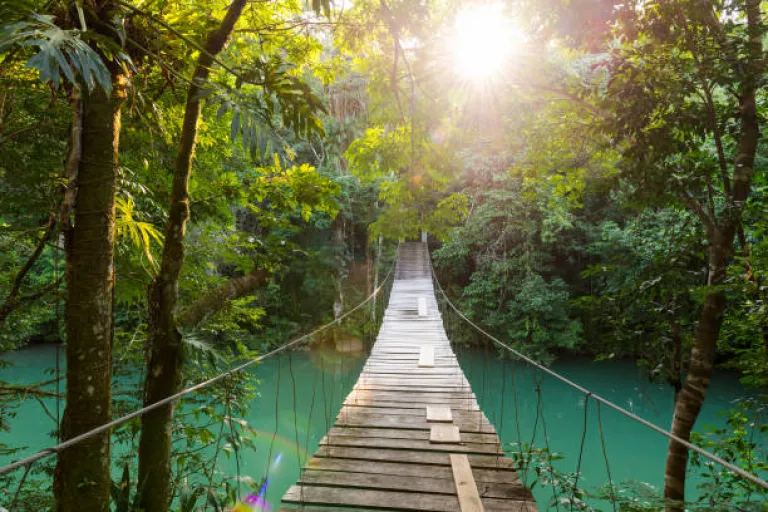
The popularity of nature tourism in India has exploded for one very simple reason.
Cities are exhausting.
After spending months surrounded by traffic, noise, concrete, and screens, travellers are naturally gravitating toward mountains, forests, lakes, beaches, and villages where life still feels quieter.
And in 2026, nature escapes are no longer just “vacations.” They are emotional resets.
Travelers are increasingly booking forest stays in Kabini, mountain cabins in Tirthan Valley, riverside cottages in Rishikesh, and eco-retreats in Meghalaya simply to disconnect from overstimulation.
And honestly, after a certain age, hearing birds instead of notifications starts feeling deeply luxurious.
Digital Detox Vacations Are Quietly Taking Over

One of the biggest travel trends in India right now is intentionally disappearing from the internet for a while.
Which sounds impossible until you realize how badly people need it.
Many travellers are now actively choosing destinations with poor network connectivity because they want temporary freedom from constant scrolling, emails, group chats, and work notifications.
Remote stays in places like Spiti Valley, Mechuka, and Shoja are becoming especially popular among burnt-out urban travellers.
And perhaps nothing proves modern exhaustion more clearly than people paying money to avoid Wi-Fi.
Travelers Are Choosing Experiences Over Luxury
Another major shift in 2026 is that travellers are prioritizing meaningful experiences over flashy vacations.
People still appreciate luxury, of course. But increasingly, they care more about authenticity.
A tiny mountain café with homemade food now feels more memorable than a crowded luxury buffet. A quiet village stay feels more valuable than giant resort lobbies. Stargazing beside a bonfire suddenly feels richer than expensive nightlife.
This explains the growing popularity of eco-stays, farm stays, tiny cabins, glamping experiences, and community-based tourism across India.
Travel is becoming less performative and more personal.
Sustainable Travel Is Finally Becoming Mainstream
For years, sustainable tourism sounded like something people discussed online but rarely practiced.
That is finally changing.
In 2026, travellers are becoming more conscious about where they stay, how they travel, and how tourism impacts local communities. Eco-resorts, plastic-free stays, local homestays, and slow tourism experiences are becoming increasingly popular across India.
Destinations like Mawlynnong, Velas, and Kakkathuruthu are attracting travellers who want tourism to feel responsible rather than excessive.
And thankfully, sustainability is slowly becoming stylish.
Solo Wellness Travel Is Growing Rapidly
Indian travellers, especially younger professionals, are increasingly taking solo trips focused entirely around rest and self-care.
Not dramatic “finding myself” movie moments.
Just peace.
Solo wellness travel now includes yoga retreats, café stays, journaling weekends, mountain cabins, creative retreats, meditation stays, and digital detox holidays. Women travellers in particular are driving this trend significantly in 2026.
Because sometimes the best company during a trip is simply your own uninterrupted thoughts.
The Future of Travel in India Feels Softer

Perhaps the biggest difference between old travel trends and new ones is this:
Travel in 2026 feels softer.
Less rushed.
Less performative.
Less exhausting.
People are traveling not to escape life completely, but to reconnect with it more gently. They are searching for destinations that allow them to breathe properly again.
And maybe that explains why wellness travel, slow tourism, and nature escapes are growing so rapidly across India.
Because modern travellers are no longer asking, “Where should I go next?”
They are asking something much deeper.
“How do I want to feel when I get there?”
Published at
About Author

Prerna Dixit
Subscribe our Newsletter
Get our weekly tips and travel news!
Related Posts
Wildlife Tourism: When Is It Ethical?
What a way to live: to belong in the wild, but be caged your entire life.This is what I think of every time I step into a zoo or a tourist attraction where you can pet creatures for a fee. D...
Bandipur National Park: Your Ultimate Guide to Wildlife Exploration
Immerse yourself in the symphony of nature, where tigers roam freely, elephants majestically traverse the terrain, and colorful bird species fill the skies.
Planning a Kabini Trip: Tips and Tricks for a Memorable Experience
Prepare to embark on a journey into the heart of nature's grandeur as we guide you through the enchanting realm of Kabini!
Top 10 Wildlife Safaris that you must Experience in India
The vicious tiger is hiding behind the dense bamboo bushes and is calmly waiting for its prey. The shrieking of an eagle periodically breaks the contemplative calm of the heavens above.
Spotting Tigers in Ranthambore National Park: Expert Tips
Ranthambore National Park, located in the Indian state of Rajasthan, is a wildlife enthusiast's paradise and one of the best places on Earth to spot the majestic Bengal tiger in its natural habitat.
Latest Posts
Kochi to Bangkok Direct Flight 2026 – Air India Express Timings and Schedule
Air India Express now operates direct flights from Kochi to Bangkok. Find the published schedule, departure and arrival timings, operating days and essential travel tips.
All You Need to Know About Dev Dipawali
Experience the magic of Diwali in Varanasi with illuminated ghats, the mesmerising Ganga Aarti, sunrise boat rides, hidden temples, Banarasi street food and vibrant local markets. Discover the best places to explore beyond Kashi Vishwanath and plan an unf
Trump Gold Card Visa for Indians: Cost, Benefits, Eligibility and How to Apply
The Trump Gold Card visa offers wealthy foreign nationals a new pathway to US permanent residency through a substantial financial contribution. Here is what Indian applicants need to know about its cost, eligibility, benefits and application process.
Best Places to Celebrate Diwali in India in 2026
Planning a Diwali getaway? Explore the best places to celebrate Diwali in India in 2026, including Ayodhya, Jaipur, Amritsar, Kolkata, Goa, Varanasi and Udaipur.
Best New Year 2027 Destinations in India by Budget
Looking for a New Year getaway? Explore 10 destinations in India for welcoming 2027, with estimated budgets, things to do and tips for planning an affordable holiday.