
Cities Built on Water: 7 Extraordinary Destinations Where Life Floats
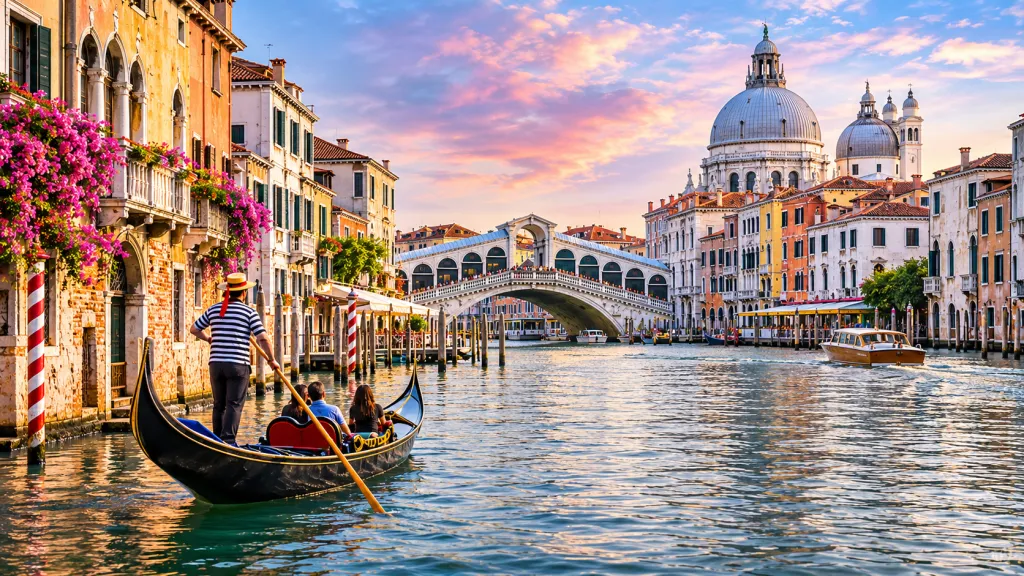
Imagine waking up to the gentle sound of water instead of traffic, travelling to work by boat, and watching colourful houses reflect across canals rather than busy streets. For some cities around the world, this isn't a holiday fantasy but an everyday way of life.
Cities built on water are among the most fascinating destinations to explore. From historic European canal networks to Asian settlements supported by stilts and floating markets, these places have developed unique ways of living alongside rivers, lakes and seas.
Their architecture, transportation systems, traditions and lifestyles offer travellers a completely different perspective on urban life. While some were deliberately designed around waterways for trade and defence, others evolved because their residents had to adapt to challenging geographical conditions.
Here are seven extraordinary cities where water is not just part of the scenery but the foundation of everyday life.
1. Venice, Italy - The City That Floats
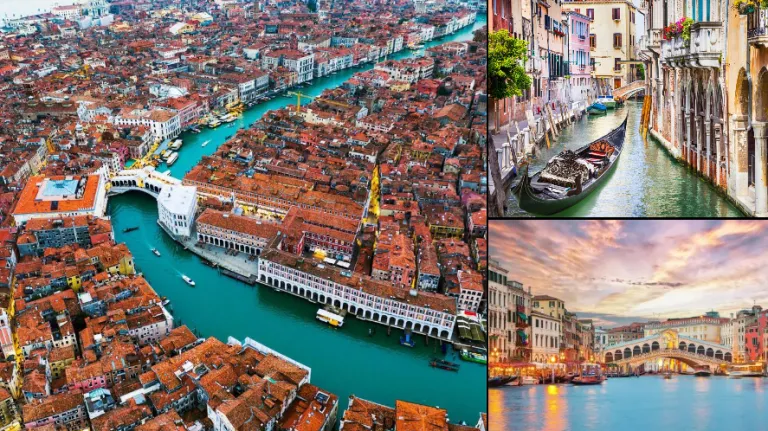
Perhaps the most famous water-based city in the world, Venice is a masterpiece of architecture and engineering. Built across 118 small islands in a lagoon, the city is connected by hundreds of bridges and an intricate network of canals.
Instead of conventional roads, Venice relies heavily on waterways for transportation. Gondolas, water taxis and public water buses known as vaporettos help residents and visitors navigate the city.
Venice's history dates back to the 5th century, when communities settled on lagoon islands to escape invasions. Over time, these settlements developed into a powerful maritime trading centre.
What makes it worth visiting?
Take a traditional gondola ride through the narrow canals.
Explore the beautiful architecture around St. Mark's Square.
Visit the Rialto Bridge and its historic market.
Discover the colourful island of Burano.
Best time to visit: April to June and September to October.
2. Amsterdam, Netherlands - A City Designed Around Canals
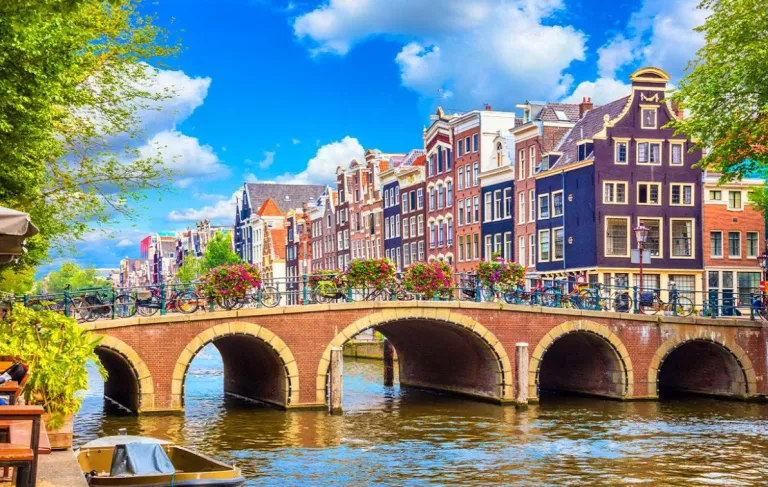
Amsterdam is often called the Venice of the North, but its relationship with water is quite different. Rather than simply developing around natural waterways, the city deliberately expanded through an elaborate canal-building project.
During the 17th century, Amsterdam developed its famous concentric canal ring to support trade, transportation, drainage and urban expansion. The canals became an essential part of the city's planning and continue to define its identity.
Today, Amsterdam's waterways are lined with narrow historic houses, charming cafés, cycling paths and picturesque bridges.
What makes it worth visiting?
Take a canal cruise through the historic city centre.
Explore the UNESCO-listed Canal Ring.
Visit the Anne Frank House.
Cycle along the canals and explore neighbourhoods such as Jordaan.
Best time to visit: April to May and September.
3. Giethoorn, Netherlands - The Village Without Roads
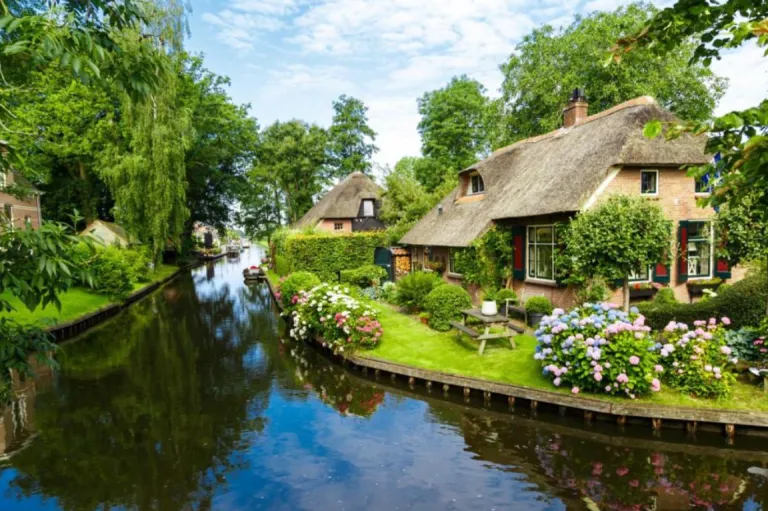
If there is one destination that looks like it belongs in a fairy tale, it is Giethoorn.
Located in the Dutch province of Overijssel, Giethoorn is famous for its picturesque waterways, wooden bridges and traditional thatched-roof houses. Its historic village centre has no conventional roads connecting many of its homes, making boats and walking paths essential for getting around.
The village developed around peat extraction. Digging for peat created narrow lakes and waterways, which gradually became an important part of the settlement's landscape.
Visitors can rent small electric boats, glide through peaceful canals and admire beautifully maintained gardens along the water.
What makes it worth visiting?
Rent an electric boat and explore the canals.
Walk across the village's charming wooden bridges.
Visit the Museum Giethoorn 't Olde Maat Uus.
Enjoy cycling through the surrounding countryside.
Best time to visit: May to September.
4. Suzhou, China - The Ancient City of Waterways
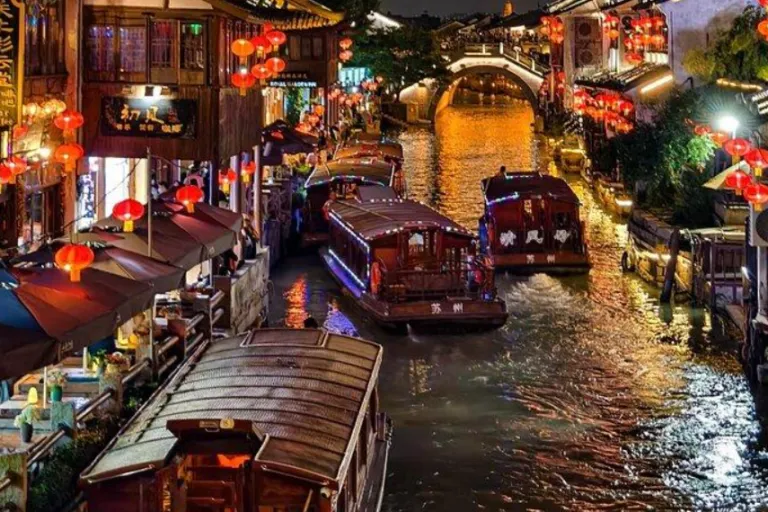
Often referred to as the Venice of the East, Suzhou is famous for its ancient canals, stone bridges and traditional Chinese architecture.
With a history stretching back more than 2,500 years, Suzhou developed around an extensive network of waterways that connected communities and supported trade. The Grand Canal, one of China's most significant historic waterways, played an important role in the city's development.
Unlike modern cities dominated by highways and skyscrapers, parts of Suzhou retain an old-world atmosphere, where narrow canals pass traditional whitewashed houses and arched stone bridges.
What makes it worth visiting?
Explore the historic Pingjiang Road canal district.
Take a traditional boat ride through the waterways.
Visit the classical gardens of Suzhou.
Explore the nearby water towns of Tongli and Zhouzhuang.
Best time to visit: March to May and September to November.
5. Bangkok, Thailand - The City of Floating Markets
Long before Bangkok became a modern metropolis filled with skyscrapers and busy highways, its waterways served as the city's primary transportation network.
Known historically as the Venice of the East, Bangkok developed around the Chao Phraya River and an extensive network of canals locally known as khlongs.
These canals connected neighbourhoods, supported local markets and provided residents with access to essential goods. Although road networks have transformed the city, many waterways continue to support traditional lifestyles.
One of Bangkok's most fascinating attractions is its floating markets, where vendors sell fresh produce, local snacks and souvenirs directly from wooden boats.
What makes it worth visiting?
Explore the famous Damnoen Saduak Floating Market.
Visit Amphawa Floating Market for a more traditional atmosphere.
Take a long-tail boat ride along Bangkok's canals.
Explore the riverside temples and communities.
Best time to visit: November to February.
6. Ganvie, Benin - The African Village Built on a Lake
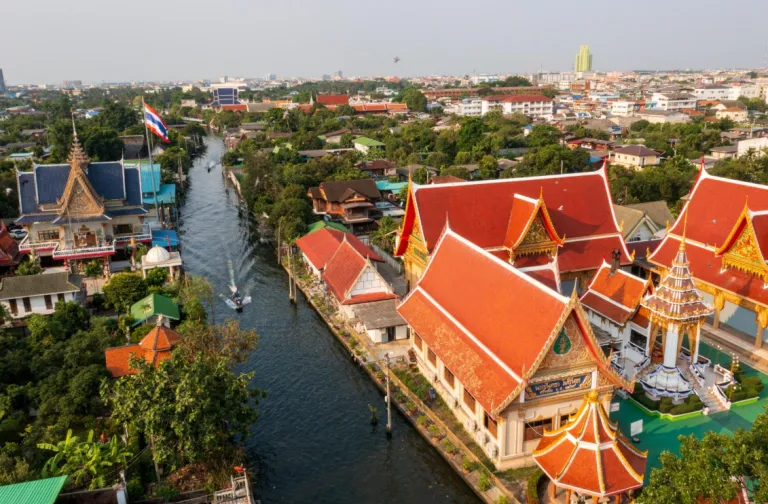
One of Africa's most fascinating water settlements, Ganvie is a village built almost entirely on stilts above Lake Nokoué.
Its origins are linked to the Tofinu people, who established the settlement centuries ago to escape slave-raiding forces. Living over the water provided a natural form of protection.
Today, thousands of residents live in wooden houses supported by stilts, with boats serving as their primary means of transportation. Schools, markets and other community facilities are also built above the lake.
Unlike Venice or Amsterdam, Ganvie is not simply a picturesque tourist destination. It is a living community where people continue to depend on fishing and water-based livelihoods.
What makes it worth visiting?
Take a guided boat tour through the village.
Observe traditional fishing practices.
Explore the floating market.
Learn about the history and culture of the Tofinu community.
Best time to visit: November to February, during the drier season.
7. Makoko, Nigeria - The Floating Community of Lagos
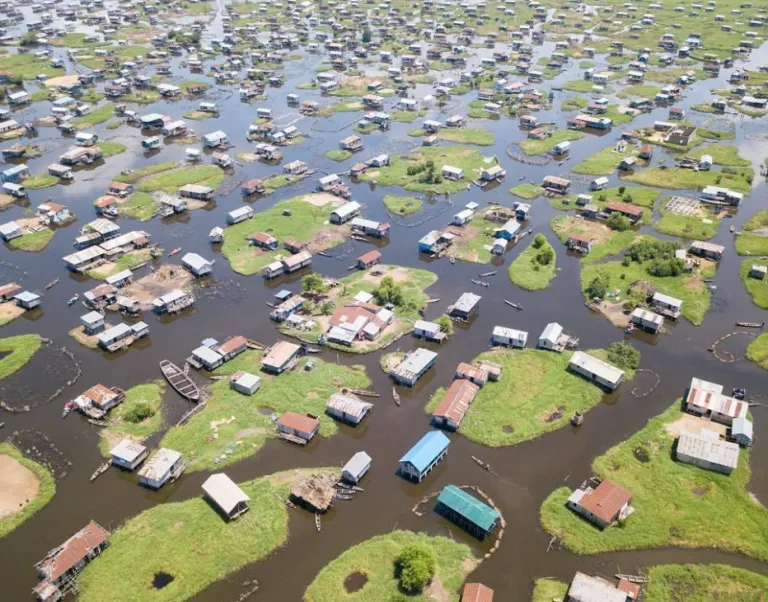
Located along the Lagos Lagoon, Makoko is one of the world's most recognised examples of an urban settlement built over water.
Often described as the Venice of Africa, Makoko is a densely populated waterfront community where many homes are constructed on wooden stilts above the lagoon.
Boats and canoes play an important role in daily transportation, while fishing remains a significant source of livelihood for many residents.
However, Makoko's story is not just about its unusual architecture. The community faces serious challenges, including inadequate sanitation, flooding, insecure housing and limited access to basic infrastructure.
Its existence highlights how communities adapt to urban growth and geographical constraints, even when essential services and infrastructure remain limited.
What makes it interesting?
Its distinctive stilt-house architecture.
The role of boats in everyday transportation.
Its fishing-based local economy.
Community-led approaches to education and urban development.
Best time to visit: November to February, subject to local conditions and safe, community-led access.
Why Are Cities Built on Water?
Water-based settlements developed for several practical reasons, not just aesthetic appeal.
Trade and transportation: Rivers, lakes and canals historically provided convenient routes for transporting goods and connecting trading centres.
Protection from invasions: Some communities settled on islands or over water to protect themselves from invading forces.
Geographical conditions: In areas with marshlands, lagoons and limited dry land, residents developed ways to build homes and communities above or around water.
Fishing and livelihoods: Communities dependent on fishing often developed settlements close to or directly over water.
Water management: Some cities deliberately constructed canals to manage drainage, control water levels and support urban expansion.
The Challenges of Living on Water
While these cities offer extraordinary experiences, living on water comes with its own challenges.
Rising water levels: Climate change and rising sea levels threaten several coastal and lagoon settlements.
Flooding: Heavy rainfall, storms and tidal changes can disrupt daily life.
Infrastructure: Providing sanitation, electricity, healthcare and transportation can be more complicated in water-based communities.
Environmental pressure: Pollution, waste disposal and damage to aquatic ecosystems remain major concerns.
Tourism pressure: Popular destinations such as Venice face increasing pressure from tourism and changes in their traditional residential communities.
These challenges make preserving water-based cities just as important as experiencing their beauty.
Final Thoughts
Cities built on water remind us that human settlements do not always have to follow conventional urban designs. From Venice's romantic canals to Ganvie's remarkable stilt houses, each destination tells a story of how people have adapted to their surroundings.
For travellers, these places offer more than beautiful photographs and boat rides. They provide an opportunity to experience different cultures, understand centuries-old engineering and discover how geography has shaped everyday life.
Perhaps the most fascinating part is that, in these destinations, water is not something you simply look at from a distance. It is the road, the neighbourhood, the marketplace and, in many cases, the very foundation of life.
Published at
About Author

Atihsin
Subscribe our Newsletter
Get our weekly tips and travel news!
Related Posts
Travel Guide to Dubai from India 2023
Welcome to the enchanting realm of Dubai, where ancient traditions seamlessly blend with futuristic marvels. In this comprehensive travel guide, we embark on a captivating journey from India to the dazzling desert metropolis of Dubai. From informatio...
What to Expect When Travelling to London: Expectations vs Reality
Given the increasing migration inflow to London every year, the defining features of London as a place of endless job opportunities, stunning architecture, and history, as well as the alluring Brit...
What to Expect When Travelling to Nepal: Expectations vs. Reality
What comes to your mind when you first think about Nepal? Majestic views of the sunrise against the snow capped peaks of the Himalayan mountains, rows of colorful prayer flags fluttering in the cri...
What to Expect When Travelling to Santorini: Expectations vs Reality
Santorini has long been a firm favourite on everyone’s bucket list. Even though the very essence of “The Greek Islands” does look stunning in travel magazines and social media, is...
Travel Guide to Vietnam from India 2023
Vietnam, with its captivating blend of ancient traditions and modern allure, beckons Indian travelers with open arms. This Southeast Asian gem boasts a rich cultural tapestry, breathtaking landscapes, and a vibrant street food scene that will leave y...
Latest Posts
New International Flights from India in 2027 – Routes, Airlines and Destinations
India’s international flight network is set for new developments in 2027, with Air India launching Delhi–Osaka flights and airlines expanding services from Navi Mumbai.
Why Do Hotels Keep White Bedsheets. The Surprising Reasons Behind This Hospitality Trend
Ever wondered why almost every hotel uses white bedsheets? Discover the surprising reasons behind this hospitality trend, including cleanliness, luxury and laundry efficiency.
Ahmedabad to Phu Quoc Direct Flights from December 2, 2026 – Schedule, Fares and Booking Details
Sun PhuQuoc Airways is launching direct flights between Ahmedabad and Phu Quoc from December 2, 2026. Check the five-day weekly schedule, starting fares, baggage allowance and plans for daily services in 2027.
Why Do Airlines Dim Cabin Lights During Landing
Ever noticed cabin lights dimming before landing? Discover how this simple aviation practice helps passengers and crew prepare for emergencies.
Countries Where the Indian Rupee Has Better Purchasing Power
Discover 7 countries where the Indian rupee offers better purchasing power in 2026. Explore affordable international destinations with favourable exchange rates, budget-friendly stays, local food and unforgettable travel experiences.