
Why Do Hotels Keep White Bedsheets. The Surprising Reasons Behind This Hospitality Trend
Have you ever checked into a hotel room and noticed something almost every hotel seems to have in common? Regardless of whether it is a budget hotel, a luxury resort or a five-star property, chances are you will find crisp white bedsheets waiting for you.
It might seem like a simple design preference, but there is actually a lot of thought behind this choice. Hotels do not use white bedsheets merely because they look elegant. The colour plays an important role in cleanliness, guest psychology, housekeeping and even hotel branding.
So, why have hotels around the world made white bedsheets a hospitality standard? Let's explore the reasons.
1. White Bedsheets Make Cleanliness More Visible
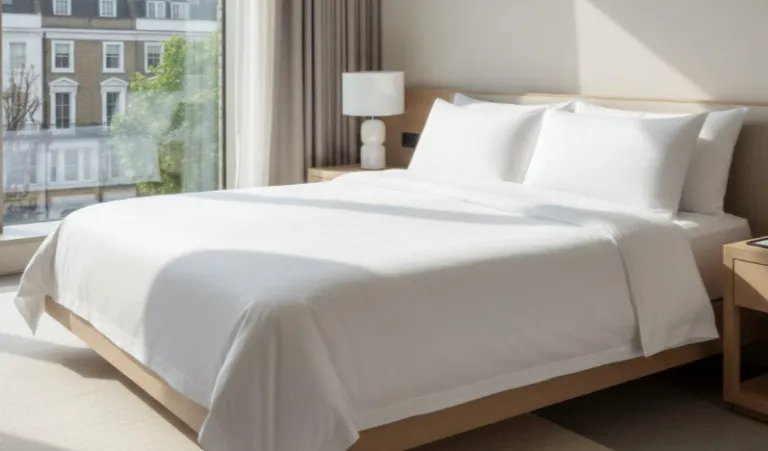
One of the biggest reasons hotels prefer white bedsheets is that they make cleanliness easier to observe.
Unlike darker fabrics, white sheets make visible stains, dust, makeup marks and other discolouration. This allows housekeeping staff to identify dirty linen and replace it before the next guest checks in.
For guests, walking into a room with freshly made white bedsheets creates an immediate impression of hygiene and freshness.
However, white linen does not automatically mean a bed is cleaner. It simply makes certain types of dirt and stains easier to spot.
2. White Creates a Feeling of Luxury and Comfort
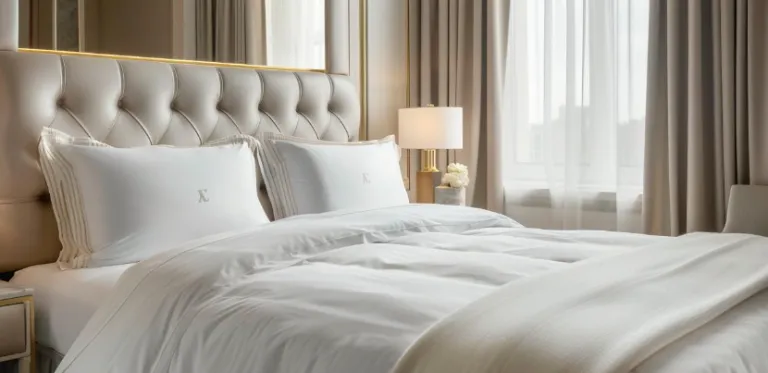
There is a psychological reason behind the popularity of white hotel bedding.
White is commonly associated with freshness, simplicity, peace and cleanliness. When guests enter a hotel room, a neatly arranged white bed can make the entire space feel more inviting.
Luxury hotels especially use white bedding to create a consistent, elegant appearance without relying on complicated patterns or bright colours.
It also gives guests a feeling of sleeping in a freshly prepared space, which is an important part of the overall hotel experience.
3. White Bedsheets Are Easier to Wash Together

Imagine running a hotel with hundreds of rooms. Every day, housekeeping teams have to collect, wash, dry, iron and replace enormous quantities of bedsheets.
Using different colours would make laundry management more complicated because fabrics may require different washing temperatures, detergents and colour-separation processes.
White linen makes it easier for hotels to:
Wash large quantities of bedsheets together.
Use suitable stain-removal treatments and bleaching processes.
Maintain consistent linen quality.
Replace damaged or stained sheets without worrying about matching colours.
Hotels can also use appropriate whitening agents to maintain the brightness of their linen, provided the fabric and washing instructions allow it.
This makes white bedding a practical choice for large hospitality operations.
4. White Bedsheets Are Easier to Replace
Hotels frequently need to replace damaged, worn-out or permanently stained linen.
Imagine a hotel using a particular shade of blue or beige for its bedsheets. If the manufacturer discontinues that colour, finding an exact replacement could become difficult.
White bedding avoids much of this problem.
White is widely available from linen manufacturers, making it easier for hotels to purchase additional sheets and maintain a consistent appearance across rooms.
It also allows housekeeping teams to replace individual pieces without making the bed look mismatched.
5. White Makes Hotel Rooms Look Bigger and Brighter

Another interesting reason is the visual effect of white.
White reflects more light than darker colours, helping rooms appear brighter and more spacious.
This is particularly useful for hotels with smaller rooms or limited natural lighting.
A white bed also creates a neutral foundation that complements different interior styles, including wooden furniture, colourful cushions, patterned curtains and modern décor.
Instead of competing with the room's design, white bedding blends into almost any setting.
6. The Trend Was Popularised by Luxury Hotels

White bedsheets were not always the universal hotel standard.
A significant shift happened in the 1990s when Westin Hotels introduced its famous Heavenly Bed concept. The idea was to make the hotel bed a central part of the guest experience through comfortable mattresses, quality bedding and an all-white appearance.
The concept helped popularise the association between white bedding and luxury hospitality.
Other hotel brands increasingly adopted similar bedding styles, and white linen became a recognisable feature of modern hotel rooms.
Today, even many budget hotels follow the trend because it is practical, visually appealing and relatively easy to maintain.
7. White Bedding Helps Hotels Maintain a Consistent Brand Image

Hotels want guests to experience a similar standard of comfort and cleanliness regardless of which property they visit.
White bedding helps create that consistency.
Whether someone checks into a hotel in India, Singapore, France or the United States, a neatly arranged white bed is a familiar sight.
It becomes part of the visual identity of the hospitality industry, communicating simplicity, freshness and comfort.
Are White Bedsheets Actually More Hygienic Than Coloured Ones?
Not necessarily!
This is one of the biggest misconceptions about hotel bedding.
White bedsheets are not automatically more hygienic than coloured bedsheets. Proper washing, drying, handling and storage determine how clean the linen actually is.
Both white and coloured fabrics can be hygienically cleaned when appropriate laundry procedures are followed.
The advantage of white is that stains and visible discolouration are easier to identify. It also allows hotels to use certain whitening treatments that may not be suitable for coloured fabrics.
Ultimately, cleanliness depends on the hotel's laundry standards, not simply the colour of its bedsheets.
Final Thoughts
The next time you check into a hotel and find a perfectly made white bed, remember that the colour is not just a design choice.
It is a combination of practical housekeeping decisions, laundry efficiency, guest psychology and decades of hospitality trends.
From making stains easier to identify to creating an impression of luxury, white bedsheets serve several purposes behind the scenes.
And perhaps that is why one of the simplest features of a hotel room has become one of the most recognisable symbols of hospitality around the world.
Published at
About Author

Atihsin
Subscribe our Newsletter
Get our weekly tips and travel news!
Related Posts
10 Ultimate Hacks to Book the Best Hotels for Cheap
From timing your bookings strategically to leveraging rewards programs and alternative accommodations, learn how to unlock savings and enjoy unforgettable travel experiences on a budget.
10 Luxurious hotels in Lonavala to Book in 2024
Craving a luxurious escape near Mumbai or Pune? Lonavala beckons!
8 Best Resorts in Araku Valley, Visakhapatnam - 2024
Craving an escape to Araku Valley's beauty? We've got you covered!
IHCL Announces Vivanta Hotel in Surat
IHCL signs a new Vivanta hotel in Surat, Gujarat, near the international airport, offering modern amenities and world-class service.
9 Best Pet-Friendly Airbnbs in and Around Bengaluru
Escapes with your furry friends!
Latest Posts
New International Flights from India in 2027 – Routes, Airlines and Destinations
India’s international flight network is set for new developments in 2027, with Air India launching Delhi–Osaka flights and airlines expanding services from Navi Mumbai.
Cities Built on Water: 7 Extraordinary Destinations Where Life Floats
From Venice's iconic canals to Africa's floating villages, discover seven extraordinary destinations where life revolves around water.
Ahmedabad to Phu Quoc Direct Flights from December 2, 2026 – Schedule, Fares and Booking Details
Sun PhuQuoc Airways is launching direct flights between Ahmedabad and Phu Quoc from December 2, 2026. Check the five-day weekly schedule, starting fares, baggage allowance and plans for daily services in 2027.
Why Do Airlines Dim Cabin Lights During Landing
Ever noticed cabin lights dimming before landing? Discover how this simple aviation practice helps passengers and crew prepare for emergencies.
Countries Where the Indian Rupee Has Better Purchasing Power
Discover 7 countries where the Indian rupee offers better purchasing power in 2026. Explore affordable international destinations with favourable exchange rates, budget-friendly stays, local food and unforgettable travel experiences.