
Top 10 Travel Trends in 2026 Every Traveler Should Know
Because travel is no longer about going somewhere new, it is about seeing differently.
There is a certain softness to travel in 2026. It is less hurried, less performative, and far more intentional than it used to be. Somewhere between burnout and endless scrolling, people have begun to crave something quieter from their journeys.
Not louder destinations, but deeper ones.
Not more plans, but better moments.
And almost without noticing, the way we travel has changed.
If you are planning your next trip, these are not just trends to follow. They are signals of how travel is evolving, and how you can experience it more meaningfully.
10 Travel Trends in 2026 That Will Change How You Travel
1. Slow Travel Is the New Definition of Luxury

Once upon a time, luxury meant five-star hotels and packed itineraries. Now, it looks different.
It looks like staying in one place long enough to recognise the street you walked yesterday. It feels like not checking your watch. It sounds like conversations that are not rushed.
In 2026, people are choosing fewer destinations and longer stays. They are trading speed for depth, and surprisingly, it feels richer.
Because when you slow down, places begin to reveal themselves in ways that quick visits never allow.
Why this trend matters:
Searches for slow travel and long stays are rising because travelers are actively trying to reduce stress and experience places more deeply.
How to travel this way:
Choose one destination and give it time. Let familiarity become part of the experience.
2. Offbeat Destinations Are Becoming the Real Highlights
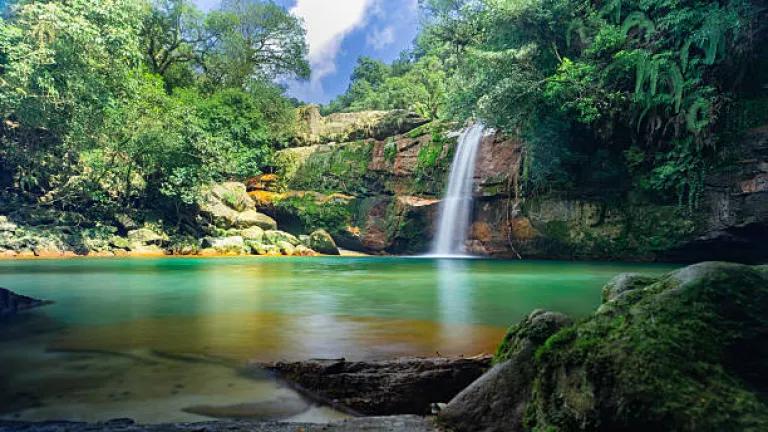
There is a quiet shift away from overcrowded hotspots.
Travelers are beginning to ask a different question. Not “Where is everyone going?” but “Where does it still feel real?”
In 2026, lesser-known places are no longer second choices. They are the main attraction.
This does not always mean remote villages or hidden islands. Sometimes, it simply means stepping away from the obvious, choosing a quieter neighbourhood, visiting in the off-season, or exploring what guidebooks rarely highlight.
Why this trend matters:
Overtourism has changed how people choose destinations. Authenticity now outweighs popularity.
How to travel this way:
Look beyond curated lists. Dig deeper. Let curiosity guide you rather than algorithms.
3. Workations Are Turning Travel into a Lifestyle

The line between work and travel has blurred, and for many, it has disappeared entirely.
In 2026, people are no longer waiting for vacations. They are building lives that allow them to travel while working.
A morning meeting from a hillside café. An evening walk by the sea after finishing tasks. Travel is no longer a break from routine, it is part of it.
Why this trend matters:
Remote work has made longer, flexible travel more accessible than ever before.
How to travel this way:
Choose destinations with reliable infrastructure, plan your work hours, and let your surroundings inspire rather than distract.
Also read: Top 5 Co-Working Beach Resorts in Goa in 2026
4. Sustainable Travel Is Becoming Non-Negotiable
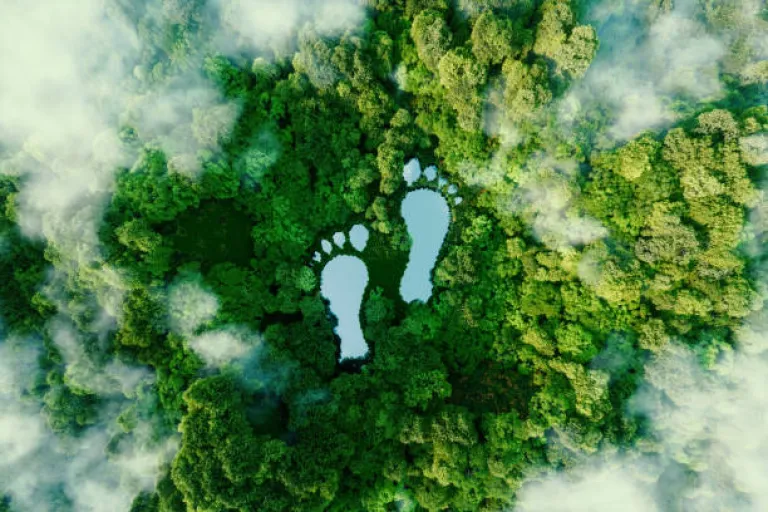
There was a time when sustainable travel felt like an extra effort. In 2026, it feels like a responsibility.
Travelers are becoming more aware of their impact, not just environmentally, but culturally and socially. The choices are small, but they add up.
A reusable bottle. A locally owned stay. Respecting traditions. Reducing waste.
It is less about doing everything perfectly, and more about doing things consciously.
Why this trend matters:
Destinations are feeling the effects of tourism, and travelers are responding with more responsible choices.
How to travel this way:
Support local businesses, minimise waste, and be mindful of the spaces you enter.
Also read: Sustainable Travel Starts With These 10 Tiny Habit Changes
5. Experience-First Travel Is Replacing Sightseeing
The checklist approach is fading.
Instead of asking, “What should I see?” travelers are asking, “What should I feel?”
In 2026, the most valued moments are not always the most photographed ones. They are the ones that involve participation.
Cooking a local dish. Attending a small festival. Learning something unfamiliar. Sitting quietly in a place and observing.
These experiences do not just fill your itinerary. They stay with you.
Why this trend matters:
Travelers are prioritising emotional connection over visual documentation.
How to travel this way:
Seek activities that involve interaction. Let yourself be part of the place, not just a visitor passing through.
6. Digital Detox Travel Is Quietly Growing

For years, travel and content went hand in hand. But now, there is a subtle rebellion against constant sharing.
In 2026, more people are choosing to disconnect, even if only for a few hours a day. Not to escape technology completely, but to experience moments without interruption.
Because sometimes, the most meaningful memories are the ones that are not posted.
Why this trend matters:
Mental well-being is becoming a central part of travel decisions.
How to travel this way:
Set boundaries with your devices. Create time where you are fully present in your surroundings.
7. AI Is Personalising Travel, Not Replacing It

Technology is making travel easier, but also more tailored.
From curated itineraries to real-time recommendations, AI is helping travelers plan trips that match their preferences more closely than ever before.
But the beauty of travel still lies in the unexpected.
In 2026, the smartest travelers are not those who rely entirely on technology, but those who use it as a guide, not a rulebook.
Why this trend matters:
Personalisation is improving travel experiences, making planning more efficient and relevant.
How to travel this way:
Use tools to simplify decisions, but leave space for spontaneity and surprises.
8. Multi-Generational Travel Is Creating Deeper Connections

Travel is becoming more about people than places.
Families are traveling together across generations, and groups are choosing experiences that allow connection rather than just convenience.
It is less about ticking destinations and more about sharing moments.
In 2026, travel is being used as a way to reconnect, to spend time meaningfully, and to create memories that feel shared.
Why this trend matters:
People are prioritising relationships and meaningful time over fast-paced travel.
How to travel this way:
Plan trips that allow interaction, conversation, and shared experiences rather than constant movement.
9. Wellness Travel Is About Reset, Not Indulgence

Wellness travel has evolved.
It is no longer just about luxury spas or curated retreats. It is about feeling better, mentally, emotionally, and physically.
In 2026, travelers are choosing places that offer quiet, nature, and space to think. They are seeking clarity as much as comfort.
Because sometimes, the purpose of travel is not to escape life, but to return to it differently.
Why this trend matters:
Burnout and fast-paced lifestyles are driving the need for restorative travel.
How to travel this way:
Choose destinations that allow you to slow down, reflect, and recharge.
10. Hyper-Local Travel Is Making a Comeback
Not every meaningful journey requires a flight.
In 2026, there is a renewed appreciation for places closer to home. Weekend trips, nearby towns, and regional cultures are being rediscovered with fresh curiosity.
It is about seeing familiar places with new eyes.
And often, these trips feel just as enriching as distant ones.
Why this trend matters:
Convenience, affordability, and sustainability are encouraging local exploration.
How to travel this way:
Explore your region. Look for experiences that feel new, even if the destination is not far.
Conclusion: Travel Is Becoming More Personal
If there is one thing that defines travel in 2026, it is this shift towards intention.
People are no longer traveling just to go somewhere. They are traveling to feel something. To slow down. To reconnect. To experience rather than consume.
And perhaps that is what makes this moment in travel so interesting.
It is not louder.
It is not faster.
But it is, in many ways, more meaningful than ever before.
Also read: 10 Tips and tricks to pack light for a trip
FAQs
1. What is the biggest travel trend in 2026?
Slow travel and experience-first journeys are shaping how people explore, focusing on depth rather than speed.
2. Are offbeat destinations better than popular ones?
Not necessarily better, but often less crowded and more authentic, allowing for a deeper experience.
3. How is AI changing travel in 2026?
AI is helping personalize travel planning, making itineraries more tailored and efficient.
4. What is digital detox travel?
It involves reducing screen time during trips to focus more on real experiences and surroundings.
5. Why is sustainable travel important now?
It helps protect destinations, supports local communities, and ensures that travel remains responsible and meaningful.
Published at
About Author

Prerna Dixit
Subscribe our Newsletter
Get our weekly tips and travel news!
Related Posts
Travel Essentials You Must Buy To Save Money
Many of us love preparing for a trip by going to a mall and buying travel essentials we think we’ll certainly be needing. But, think about it: How much have you actually spent on all your pre-trave...
Here’s why Travelling Cheap Can Completely Ruin a Trip
Let’s face it: No matter how budgeted your trips are, they will inevitably cause a noticeable dent in your pocket. We believe it pays to travel thriftily — this makes it possible for all kinds of t...
Himalayan Camping 101: Everything You Need to Know
Camping in the Himalayas is an adventure like no other, offering some mind-blowing landscapes, serene natural beauty, and a chance to disconnect from the hustle and bustle of city life. However, it requires careful planning and preparation.
12 Insider Tips for Exploring Kochi Like a Local
Discover the spice-scented streets, tranquil backwaters, and vibrant art scene that define this enchanting coastal city in Kerala, India.
10 Best travel hacks for solo travelers in India
Ready for a solo adventure in India? Discover the best travel hacks for solo travelers!
Latest Posts
Bangkok Floods 2026: What Indian Travellers Need to Know Before Visiting
Bangkok is dealing with widespread flooding, but its major airports remain operational. Here's what Indian travellers should know before visiting.
Philippine Airlines to Launch Delhi and Mumbai Flights in December 2026
Philippine Airlines plans to launch nonstop Manila–Delhi and Manila–Mumbai flights in December 2026, giving travellers new direct India-Philippines connections.
India–Vietnam Flights to Double: New Aviation Deal Brings More Travel Options
India and Vietnam have agreed to more than double weekly air capacity to over 16,000 seats, opening the door to more direct flight options for Indian travellers.
Delhi Airport Beats Dubai in Global Connectivity: What Indian Travellers Should Know
Delhi Airport has climbed to 28th in OAG's 2026 global connectivity ranking, moving ahead of Dubai. Here's what Indian travellers should know.
Malaysia Visa-Free Entry for Indians: India Issues Important Travel Advisory
Malaysia continues its 30-day visa-free entry for Indians, but a new advisory warns travellers against using the facility to seek employment.