
Places Where Tourists Are Not Allowed to Take Photos
Travelling the world often means capturing unforgettable moments through photographs. From ancient monuments and royal palaces to breathtaking landscapes and historic landmarks, tourists love documenting their experiences and sharing them with others. But not every place welcomes cameras.
Across the world, photography is strictly prohibited in certain locations for reasons ranging from security and privacy to religious beliefs, preservation of history and protection of valuable artwork. In some places, even taking out your phone to click a picture can lead to warnings, fines or confiscation of equipment.
Here are some fascinating places around the world where tourists are not allowed to take photographs, or where photography is heavily restricted.
1. Sistine Chapel - Vatican City
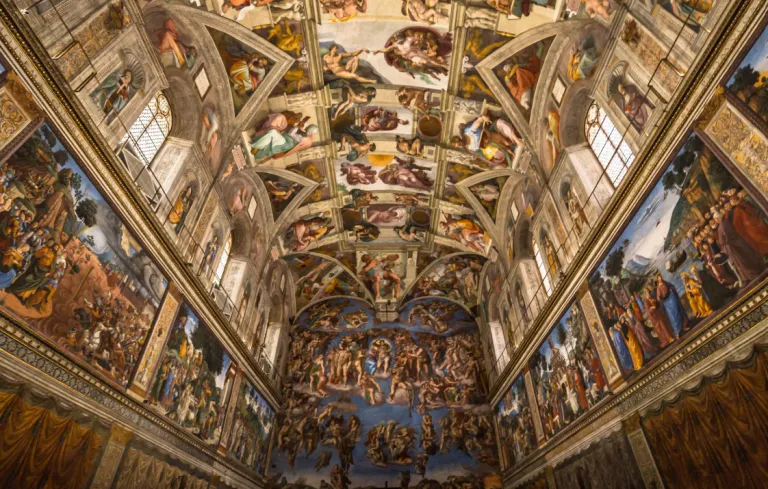
One of the world's most famous photography-restricted locations is the Sistine Chapel. Famous for Michelangelo's extraordinary ceiling paintings and The Last Judgment, the chapel attracts millions of visitors every year.
However, photography and filming are strictly prohibited inside the chapel, even using mobile phones. Visitors are expected to remain silent and admire the artwork without recording it.
The restriction is enforced by security staff, and visitors caught taking photographs may be asked to delete them immediately. The rule is intended to preserve the atmosphere of the sacred space and ensure a respectful visit.
Photography status: Completely prohibited inside the chapel.
Source: Official Vatican Museums visitor rules.
2. Auschwitz-Birkenau Memorial and Museum - Poland
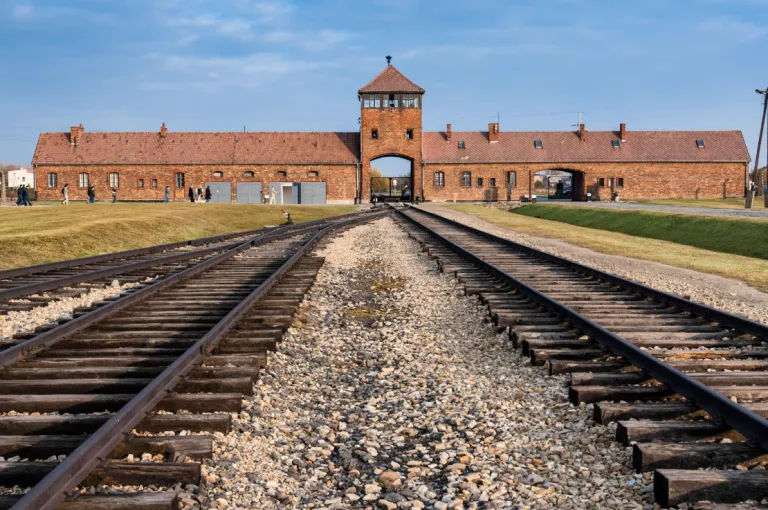
The Auschwitz-Birkenau Memorial and Museum is one of the most emotionally significant historical sites in the world. It preserves the remains of the Nazi concentration and extermination camps where millions of people were persecuted and murdered during the Holocaust.
Photography is permitted in many outdoor areas, but strict restrictions apply. Flash photography and tripods are prohibited inside buildings, and photography is completely forbidden in specific locations, including Room 5 of Block 4 and the cellars of Block 11.
These restrictions exist to preserve the dignity of the victims and encourage visitors to approach the site with sensitivity rather than treating it as an ordinary tourist destination.
Photography status: Restricted in certain areas; completely prohibited in designated rooms.
Source: Official Auschwitz-Birkenau visitor regulations.
3. The Shrine of St Edward the Confessor - Westminster Abbey, UK
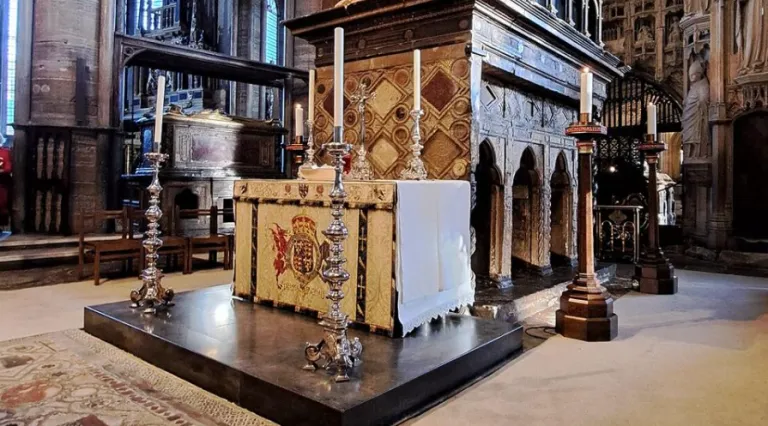
Inside Westminster Abbey, visitors can explore centuries of royal history, impressive architecture, tombs and religious monuments. However, some of its most sacred areas remain photography-free.
Photography is prohibited at the Shrine of St Edward the Confessor, St Faith's Chapel and the Queen's Diamond Jubilee Galleries. Photography is also not permitted during services or live performances.
The restrictions help protect the sanctity of the religious spaces and maintain a peaceful environment for worship and reflection.
Photography status: Prohibited in designated sacred areas and during services.
Source: Official Westminster Abbey photography guidelines.
4. UK Parliament - London, United Kingdom
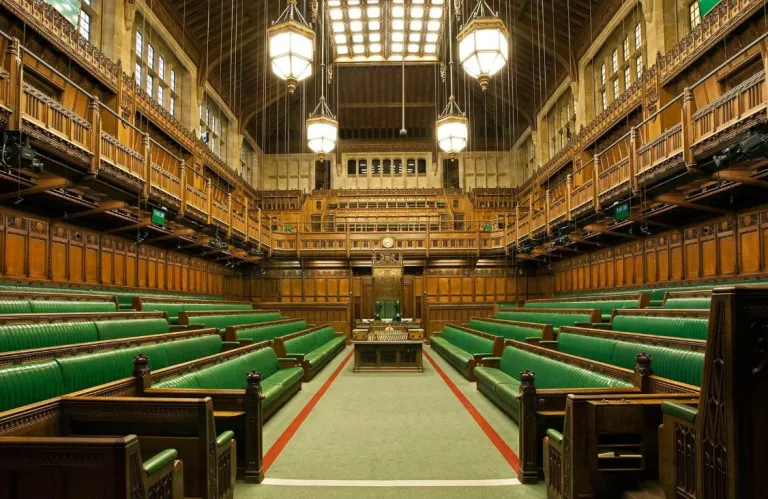
The Palace of Westminster is one of Britain's most recognisable landmarks and home to the House of Commons and House of Lords.
While visitors are allowed to photograph certain areas, including Westminster Hall and St Stephen's Hall, photography and filming are prohibited in other parts of the tour route and in the public galleries.
The restrictions are in place because Parliament is a functioning institution with security requirements, privacy considerations and sensitive proceedings. Visitors are expected to follow instructions and keep their cameras away in restricted areas.
Photography status: Allowed only in designated visitor areas.
Source: UK Parliament visitor photography guidelines.
5. Kinkaku- ji - Kyoto, Japan
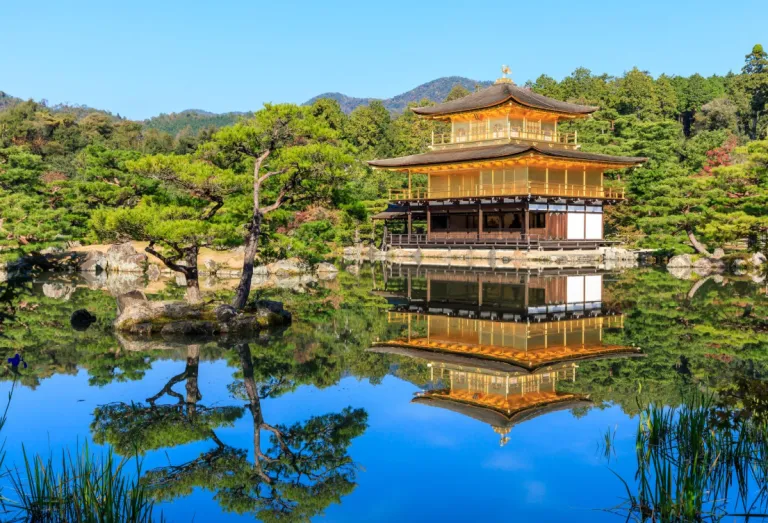
The Kinkaku-ji, popularly known as the Golden Pavilion, is one of Japan's most photographed landmarks. Its gold-covered exterior, peaceful gardens and reflection in the surrounding pond make it a favourite among international tourists.
However, photography rules here are more restrictive than visitors might expect. Personal snapshots are permitted under specific guidelines, while commercial photography, video streaming, group photography and certain professional photography activities are restricted or prohibited.
The rules are designed to prevent crowd disruption, protect the temple environment and preserve the peaceful atmosphere of the site.
Photography status: Personal snapshots only; commercial and certain other photography activities are prohibited.
Visitor rules may change; check the temple's current instructions before visiting.
6. Yasukuni Shrine - Tokyo, Japan
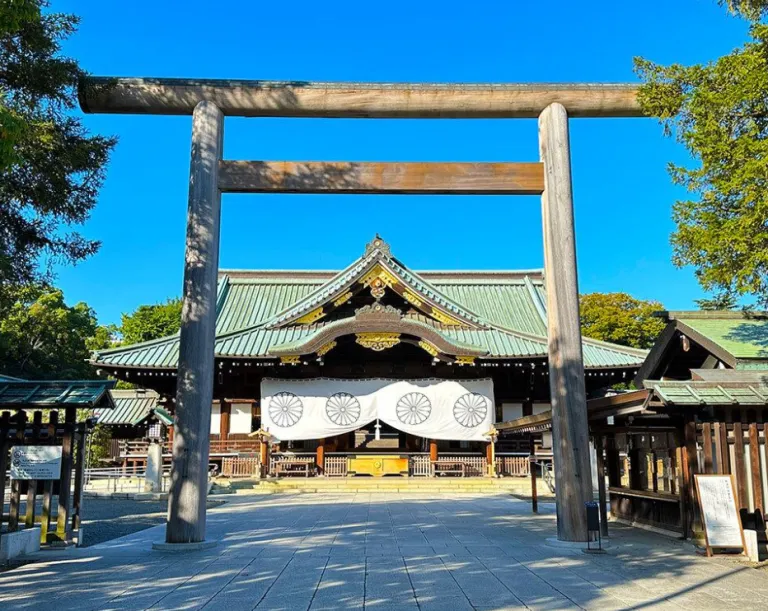
The Yasukuni Shrine is a Shinto shrine in Tokyo with a complex and significant place in Japanese history.
Visitors and photographers are expected to respect its religious spaces and rules. Photographing towards the inside of the Main Sanctuary is prohibited, and photographing specific visitors or conducting interviews within the shrine grounds is not permitted under its photography and press rules.
The restrictions are intended to protect privacy, respect the sanctity of the shrine and maintain order within the grounds.
Photography status: Restricted; photography towards the interior of the Main Sanctuary is prohibited.
Source: Yasukuni Shrine official photography guidelines.
7. Ajanta Caves - Maharashtra, India
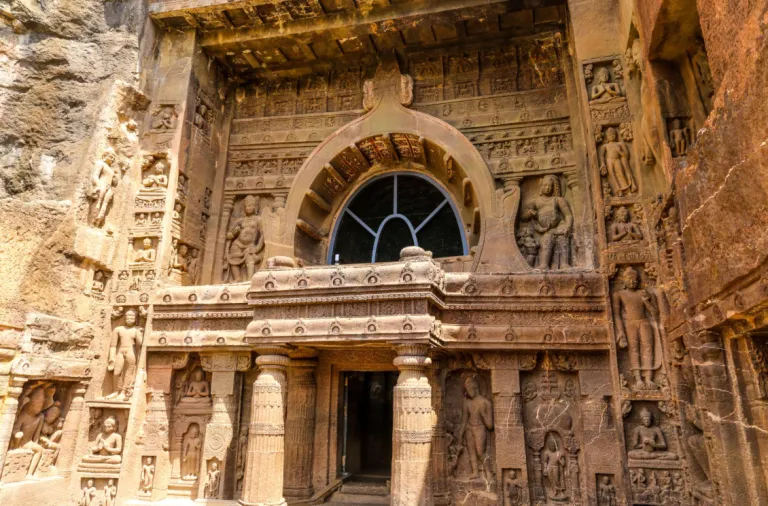
The Ajanta Caves are among India's most treasured heritage sites. Carved into a horseshoe-shaped rocky landscape, these ancient Buddhist caves contain magnificent sculptures, murals and paintings dating back centuries.
Photography restrictions apply inside the caves, particularly to protect the fragile paintings and artwork. Artificial light and flash can cause damage to delicate heritage materials, while repeated exposure and visitor activity can affect their preservation.
The caves are a reminder that sometimes protecting history is more important than capturing it on a camera.
Photography status: Photography is prohibited inside the caves under the cited ASI restrictions; confirm current rules before visiting.
Source: Press Information Bureau, Government of India, regarding photography restrictions at centrally protected monuments.
Press Information Bureau
Why Are Photography Restrictions Imposed?
Photography bans at tourist attractions are not always about preventing visitors from taking pictures. They are usually introduced for important reasons.
Protecting fragile artwork: Camera flashes, lighting equipment and repeated exposure can potentially damage delicate paintings, manuscripts and historic objects.
Respecting religious beliefs: Sacred spaces may require silence, privacy and an atmosphere of devotion rather than photography.
Maintaining security: Government buildings, military installations and sensitive infrastructure may prohibit photography to prevent security risks.
Protecting privacy: Visitors, worshippers, staff and local communities may not want to be photographed without permission.
Preventing overcrowding: Constant photography can create congestion, especially in narrow corridors, sacred chambers and popular attractions.
What Should Tourists Do Before Taking Photos?
Before photographing any tourist attraction, it is always advisable to:
Look for photography signs at entrances and inside the premises.
Check the official website for camera, mobile phone and video restrictions.
Turn off flash wherever photography is permitted without flash.
Avoid photographing worshippers, children or strangers without permission.
Never cross barriers to get a better photograph.
Follow instructions given by security personnel or guides.
Final Thoughts
In a world where almost every travel experience is instantly shared on social media, it can feel unusual to visit a famous destination and leave without a single photograph. Yet some places are meant to be experienced rather than documented.
From the silence of the Sistine Chapel to the solemn corridors of Auschwitz and the sacred spaces of Japanese temples, photography restrictions remind travellers that not every moment needs to be captured.
Sometimes, the most meaningful travel memories are the ones we carry in our minds rather than on our phones.
Published at
About Author

Atihsin
Subscribe our Newsletter
Get our weekly tips and travel news!
Related Posts
Travel Guide to Dubai from India 2023
Welcome to the enchanting realm of Dubai, where ancient traditions seamlessly blend with futuristic marvels. In this comprehensive travel guide, we embark on a captivating journey from India to the dazzling desert metropolis of Dubai. From informatio...
What to Expect When Travelling to London: Expectations vs Reality
Given the increasing migration inflow to London every year, the defining features of London as a place of endless job opportunities, stunning architecture, and history, as well as the alluring Brit...
What to Expect When Travelling to Nepal: Expectations vs. Reality
What comes to your mind when you first think about Nepal? Majestic views of the sunrise against the snow capped peaks of the Himalayan mountains, rows of colorful prayer flags fluttering in the cri...
What to Expect When Travelling to Santorini: Expectations vs Reality
Santorini has long been a firm favourite on everyone’s bucket list. Even though the very essence of “The Greek Islands” does look stunning in travel magazines and social media, is...
Travel Guide to Vietnam from India 2023
Vietnam, with its captivating blend of ancient traditions and modern allure, beckons Indian travelers with open arms. This Southeast Asian gem boasts a rich cultural tapestry, breathtaking landscapes, and a vibrant street food scene that will leave y...
Latest Posts
SpiceJet Crisis Deepens: Flight Cancellations, Cash Crunch and Growing Safety Concerns
SpiceJet's financial crisis is worsening, with 74% of flights cancelled at Delhi, Mumbai and Bengaluru airports. As passengers face disruptions and pilots raise concerns, the airline plans to raise ₹5,500 crore to revive operations.
Malaysia Visa Rules for Indians in 2027 – Visa-Free Entry, New Rules and Application Process
Malaysia will require Indian travellers to obtain a visa from 1 January 2027. Check the new rules, application dates and travel requirements.
Can Indian Tourists Drive in Thailand? What to Know Before Renting a Car
Explore car rental options with Hertz and start planning your next adventure.
12 Best Places to Visit in India in December 2026 for Winter Holidays
Explore the 12 best places to visit in India in December 2026, from snowy hill stations and beautiful beaches to desert adventures and winter festivals.
The World's Most Expensive Tourist Attractions: Places That Come With a Hefty Price Tag
Discover the world's most expensive tourist attractions and explore iconic landmarks, historic sites and extraordinary experiences that come with a hefty admission price.