
5 Things Foreign Tourists Do in India That Make Locals Cringe in 2026

In 2026, India has evolved into a global powerhouse of digital innovation and luxury travel. While the country is more connected and tech-savvy than ever, the core of Indian social etiquette remains deeply rooted in tradition.
If you're visiting this year, you’ll find that "cringe-worthy" behavior often stems from a lack of awareness of the subtle shift between India’s modern exterior and its conservative soul. Here are five things foreign tourists do that still make locals grit their teeth.
Travel Smarter: 2026 Etiquette
What are the 5 things tourists do that still bother locals?
1. The "Instagram vs. Reality" Intrusion
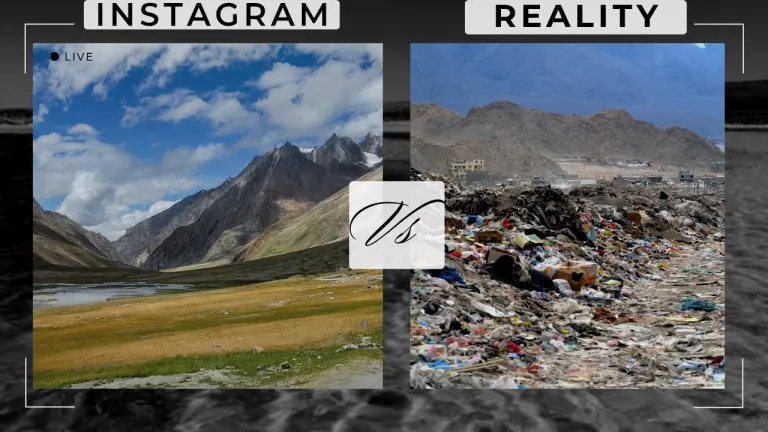 Image credit: Canva
With India’s aesthetic architecture trending globally, many travelers treat private residential areas—like the colorful lanes of Fontainhas in Goa or the blue houses of Jodhpur—as a personal film set.
The Cringe: Setting up tripods on people's doorsteps or peeking into private windows to get "the shot."
The Local View: Locals in these heritage zones are increasingly pushing back against tourists who treat their living rooms like museum exhibits.
The Fix: Always ask permission before filming a home. In 2026, "Privacy is Luxury," and respecting it earns you much more respect than a viral reel.
2. Using the "Unclean" Hand for Transactions
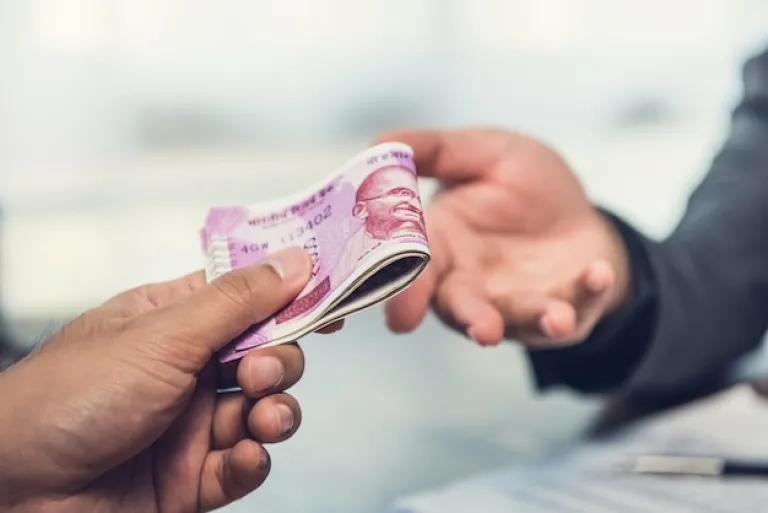 Image credit: Freepik
Despite the rise of UPI and contactless payments, cash and physical exchanges still happen daily.
The Cringe: Handing over money, a business card, or food with your left hand.
The Local View: In Indian culture, the left hand is traditionally reserved for personal hygiene and is considered "unclean" (ashubh). Using it for a respectful transaction is a major social faux pas.
The Fix: Use your right hand for everything—giving, receiving, and especially eating. If you must use both for a heavy item, lead with the right.
3. "Spiritual" Dressing at Sacred Sites
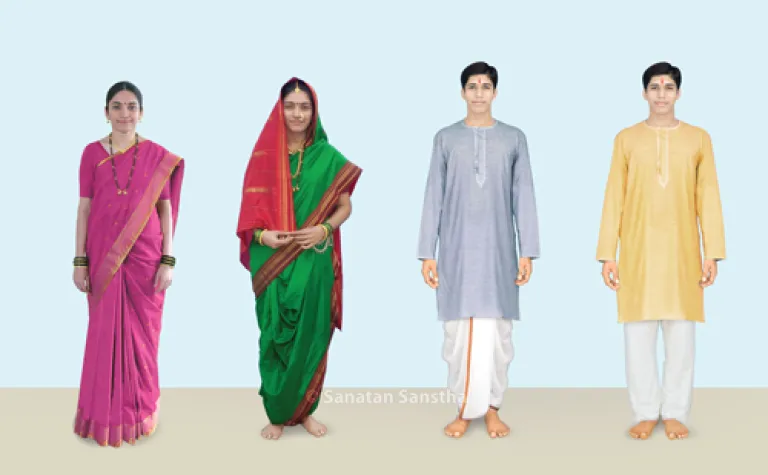 Image credit: Sanatan Prabhat
India's temples and mosques have become stricter about dress codes in recent years.
The Cringe: Entering a temple in "athleisure" (yoga pants and tank tops) or shorts. While you might feel "spiritual," the locals see it as "casual."
The Local View: Religious sites are not tourist attractions first; they are active places of worship. Showing skin—especially shoulders and knees—is seen as a lack of basic reverence.
The Fix: Carry a light linen scarf or stole. Even if it’s 40°C outside, covering up shows you value the culture over your own comfort.
4. Aggressive Bargaining Over Small Change
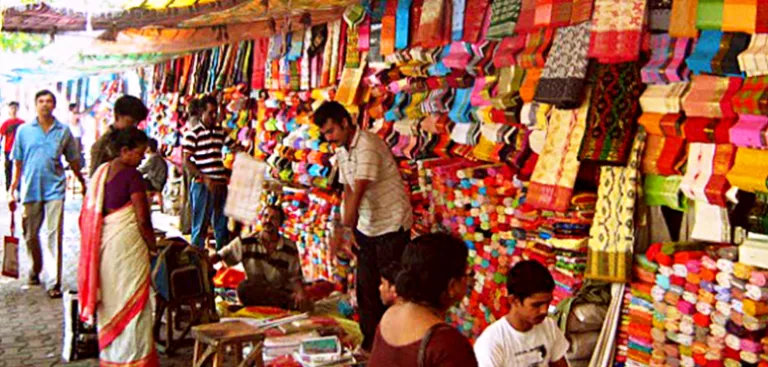 Image credit: Medium
Bargaining is a sport in India, but there is a fine line between "getting a fair price" and "being petty."
The Cringe: Haggling relentlessly with a street vendor or rickshaw driver over ₹10 or ₹20 (roughly $0.12 - $0.24).
The Local View: In an economy where inflation has hit the working class, seeing a tourist who spent thousands on a flight fight over pocket change is a bad look.
The Fix: By all means, negotiate for that pashmina or handicraft, but if the difference is negligible to you, let it go. It’s a small tip that means much more to them than it does to you.
5. Public Displays of Affection (PDA)
 Image credit: Bonobology.com
India may be the land of the Kama Sutra, but its modern public squares are anything but.
The Cringe: Intense kissing or heavy hugging in public spaces, especially near religious monuments or in smaller towns.
The Local View: Even in 2026, public displays of romantic intimacy are considered private business. Doing it in public makes everyone around you extremely uncomfortable.
The Fix: Keep the romance for the hotel or private dinners. Holding hands is generally fine in major cities like Mumbai or Bangalore, but anything beyond that is best kept behind closed doors.
What You Need to Know Before You Go
 Image credit: NomadGao
Before you pack your bags for India in 2026, keep these three things in mind to ensure a smooth trip:
Digital is King: India is almost entirely cashless. While you should carry some physical notes for tips, most street vendors now prefer UPI payments. Ensure your travel app supports international QR scans.
The "Yes" Nod: If a local shakes their head from side to side, they aren't necessarily saying "no." This is the famous Indian head wobble, which usually means "Okay," "I understand," or "Sure!"
Space is Different: Personal bubbles are smaller in India. Whether you're in a queue or a crowded market, people will stand much closer to you than in the West. It’s rarely meant to be rude; it’s just the pace of life.
Final Words
At the end of the day, Indians are famous for their hospitality and the philosophy of Atithi Devo Bhava—the guest is God. You don't have to be perfect, and locals will usually forgive a small mistake with a smile. As long as you approach the culture with an open heart and a little bit of respect, you’ll find that India gives you back twice as much love in return. Enjoy the colors, the chaos, and the incredible food!
Published at
About Author

Tashvi Gala
Subscribe our Newsletter
Get our weekly tips and travel news!
Related Posts
Travel Essentials You Must Buy To Save Money
Many of us love preparing for a trip by going to a mall and buying travel essentials we think we’ll certainly be needing. But, think about it: How much have you actually spent on all your pre-trave...
Here’s why Travelling Cheap Can Completely Ruin a Trip
Let’s face it: No matter how budgeted your trips are, they will inevitably cause a noticeable dent in your pocket. We believe it pays to travel thriftily — this makes it possible for all kinds of t...
Himalayan Camping 101: Everything You Need to Know
Camping in the Himalayas is an adventure like no other, offering some mind-blowing landscapes, serene natural beauty, and a chance to disconnect from the hustle and bustle of city life. However, it requires careful planning and preparation.
12 Insider Tips for Exploring Kochi Like a Local
Discover the spice-scented streets, tranquil backwaters, and vibrant art scene that define this enchanting coastal city in Kerala, India.
10 Best travel hacks for solo travelers in India
Ready for a solo adventure in India? Discover the best travel hacks for solo travelers!
Latest Posts
Tanzania Introduces Mandatory Travel Insurance for Foreign Visitors in 2026
Planning a trip to Tanzania? A new mandatory travel insurance requirement took effect on 1 October 2026. Here is what international visitors need to know before travelling.
10 Underrated Places to Travel in 2026: Beautiful Destinations Away from the Crowds
Escape the usual tourist hotspots and discover 10 underrated places to travel in 2026, featuring scenic mountain valleys, historic towns, remote islands and peaceful coastal escapes.
Best Emerging Travel Destinations for Indians in 2027: 7 Places to Visit Before They Get Popular
Looking for somewhere new to travel in 2027? Explore seven emerging destinations, including Bishkek, Okinawa, Malvan, Pokhara and Phu Quoc, for your next adventure.
October Getaways: 15 Best Places to Visit in India Before the Winter Rush
October is one of the best months to travel across India, with the monsoon retreating, cooler weather arriving and the country's festive season coming alive.
Austria Visa for Indians: Types and Requirements 2026
Planning a trip to Austria from India? This complete guide covers Austria visa types for Indians, including tourist, visitor, business, student, work and medical visas.