
7 Indian Food Items You're Definitely Overpaying For as a Tourist in 2026
Traveling through India is a feast for the senses, but it can be a bit of a test for your budget if you aren't careful. While the food is generally very affordable, there are certain items where you might find a significant markup just because of where you are.
Here is a guide to 7 Indian food items you are likely overpaying for—and how to find the real price
1. Five-Star Masala Chai
We’ve all seen the ₹300 "Artisanal Masala Chai" at airport cafes or hotel lobbies. While the seating is comfortable, the tea itself is often just a tea bag dropped in hot milk.
The Reality: The soul of Indian tea is on the street. A "cutting" chai should cost between ₹10 and ₹15.
The Fix: Look for a local tapri (tea stall) with a crowd around it. If you want a clean, seated experience, look for local Irani cafes or "Chai Point" style outlets where it stays under ₹50
2. The "Cooling Charge" on Bottled Water
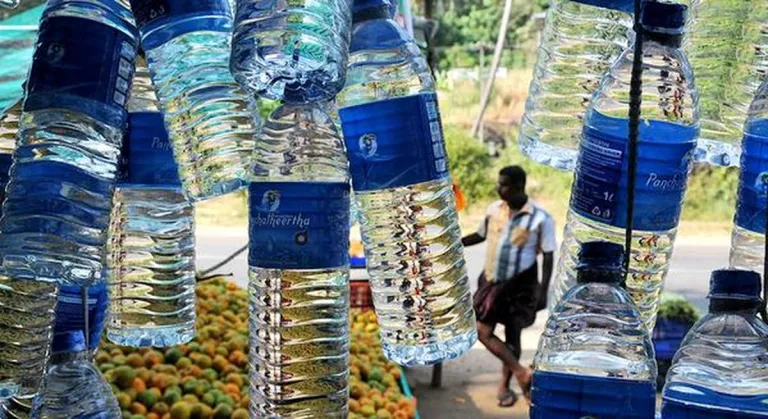 Image credit: The Hindu
This is the most common way travelers lose a few extra rupees every day. You pick up a cold bottle of water, and the shopkeeper asks for ₹25 or ₹30 instead of the usual ₹20.
The Reality: Every packaged item in India has an MRP (Maximum Retail Price) printed on it. Charging even one rupee above this is not allowed.
The Fix: Always check the label. If they ask for more because it’s "cold," you can politely point out the MRP or look for a bigger store where prices are standard.
3. Monument-Side "Royal" Thalis
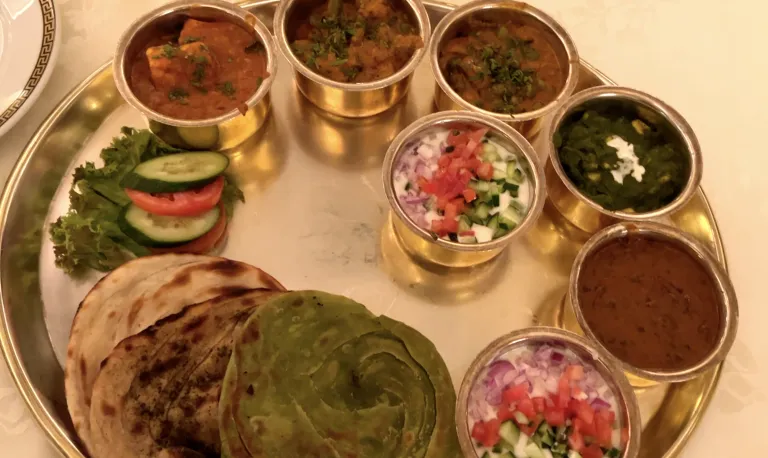 Image credit: SugarSpiceNice.in
If a restaurant is directly across from a major landmark like the Taj Mahal or a Jaipur Fort, you are paying for the view, not the vegetables. These plates can cost upwards of ₹1,000.
The Reality: These menus are often designed for visitors who don't know the local rates. A high-quality, unlimited thali at a local "Bhojanalaya" usually costs between ₹150 and ₹250.
The Fix: Walk 10 minutes away from the main gates. Find where the local shopkeepers are eating lunch; that’s where you'll find the best flavor and a fair price.
4. Gourmet Street Snacks (Samosas & Vada Pav)
In many upscale malls or "boutique" cafes, you’ll see "Baked Paneer Samosas" or "Cheese Vada Pav" priced at ₹150 to ₹200 per plate.
The Reality: These are staple snacks meant to be affordable. A fresh, piping-hot samosa from a local sweet shop should only cost ₹12 to ₹20.
The Fix: Stick to established local sweet shops (Mithai shops). The high turnover means the food is fresher than the "gourmet" versions sitting in a display case.
5. Gift-Boxed "Traveler" Mithai
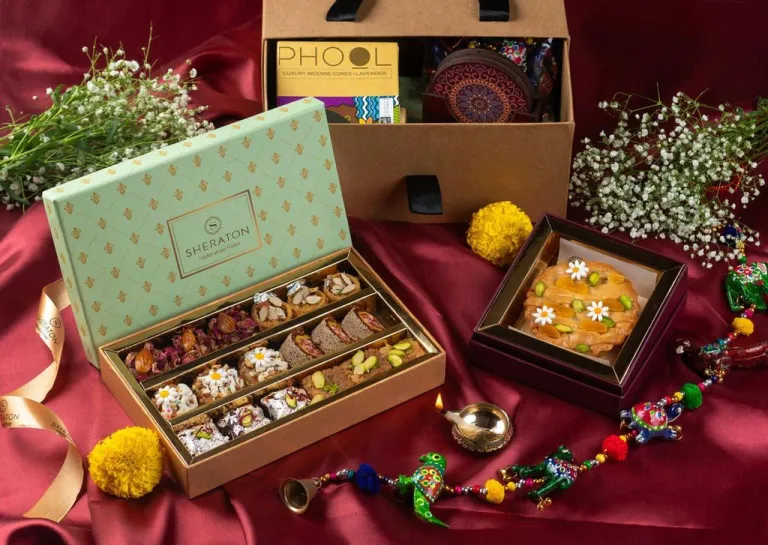 Image credit: Vogue India
Airports and railway stations are full of brightly colored boxes of local sweets like Petha, Laddoos, or Baklavas. They look convenient, but they often cost twice the market price.
The Reality: You are paying for the packaging and the premium location of the shop.
The Fix: Most famous local sweet shops will vacuum-pack your box for travel if you ask. Buy your sweets from the actual "famous" shop in the city market before you head to the airport.
6. Beach Shack Coconuts
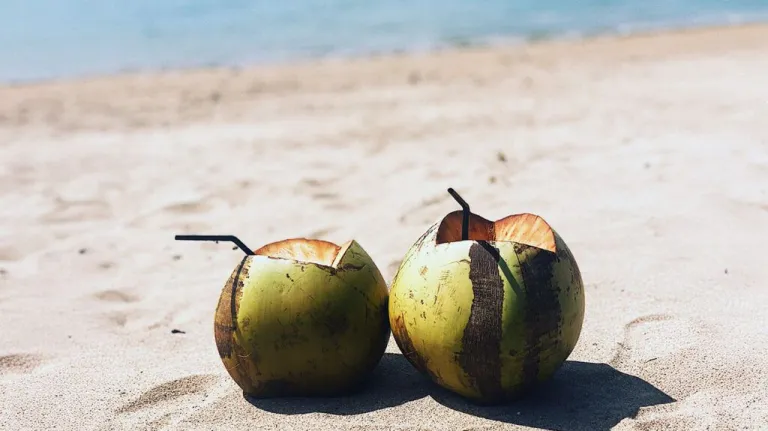 Image credit: Medical News Today
In coastal spots like Goa or Kerala, a coconut delivered to your sunbed can cost ₹100 to ₹150.
The Reality: The same coconut is being sold by a vendor on the road just a short walk behind the beach for ₹40 to ₹60.
The Fix: Grab your coconut on the way to the beach. Not only is it cheaper, but the roadside vendors often have a better variety (ask for "malai" if you want the soft coconut meat inside).
7. "Farm-Fresh" Spice Garden Packs
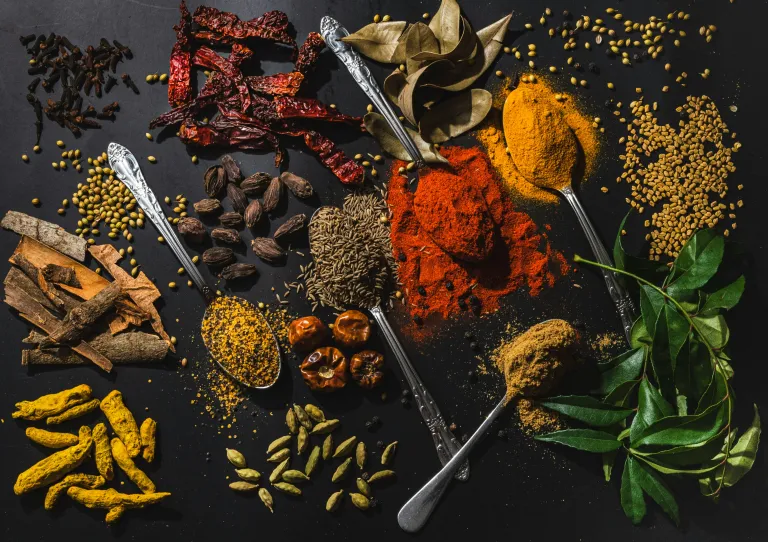 Image credit: go4WorldBusiness
Spice plantation tours are a highlight of South India. However, the gift shops at the end of these tours often sell spices at a massive premium.
The Reality: While the quality is usually good, you can find the exact same "grade A" spices at local city markets for a third of the price.
The Fix: Enjoy the tour and the samples, but do your actual shopping at a local wholesale spice market (like those in Kochi or Old Delhi).
How to Spot Price Markups Before You Order
Knowing the prices is half the battle; the other half is knowing where to look. Here are three quick rules to live by:
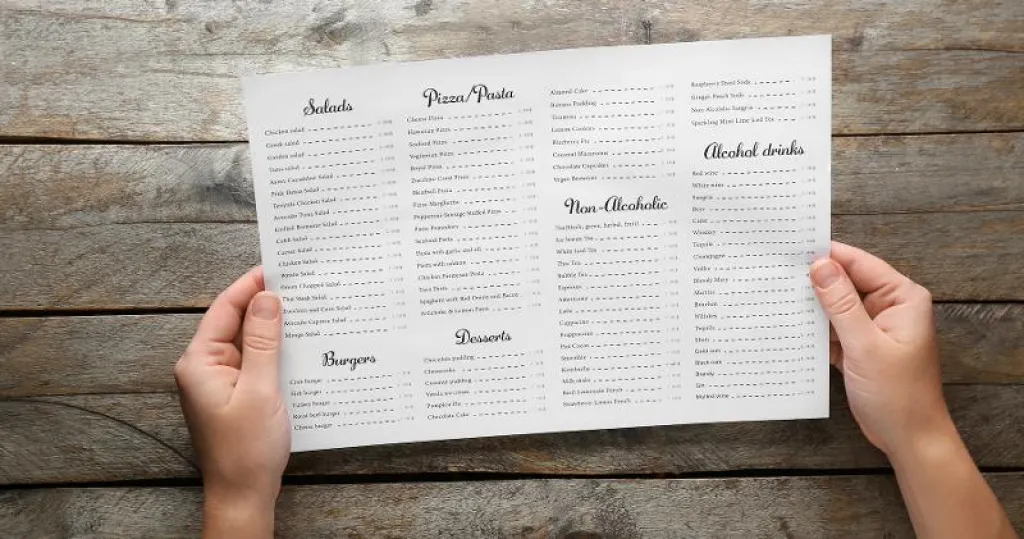
The Menu Test: If the menu is only in English and has no prices listed next to the items, ask for the cost before you order. This is a common tactic in high-traffic areas.
The "Follow the Local" Rule: Look at the people eating. Are they carrying backpacks and cameras, or are they locals on their lunch break? If it's the latter, the price and quality are likely fair.
Check for the "AC Charge": In many smaller Indian cities, restaurants have two seating areas—one with AC and one without. The AC section often has a slightly higher price list for the exact same food.
Final Thoughts
Exploring India is all about the flavors, and you don’t need a big budget to enjoy the best of them. By keeping these small tips in mind, you can skip the extra costs and eat like a local instead. It’s much better for your wallet and usually tastes a lot more authentic, too. Happy eating!
Published at
About Author

Tashvi Gala
Subscribe our Newsletter
Get our weekly tips and travel news!
Related Posts
8 Lesser-Known Traditional Markets to Visit in Korea
South Korea is undoubtedly a favourite destination for many travellers! However, instead of the usual shopping and eating, why not do something different for a change on your next trip?Take...
5 Koreatowns in Southeast Asia You Need to Visit in Your Lifetime!
Picture this: You’re watching a Korean drama where the main characters are walking along Seoul’s vibrant streets. It’s a cold winter night. They enter a pocha (a local bar with food) where...
10 Reasons to visit Türkiye (formerly Turkey)
Turkey is an increasingly popular destination for travellers all across the globe, and it’s not difficult to see why. Presenting the perfect marriage between natural phenomena and man-made wonders,...
9 Reasons Why Fiji Is the Best Place to Fall in Love
You’ve probably seen trending posts on Facebook featuring some exquisitely gorgeous beaches and crystal clear waters, some looking almost too good to be true. Heralded as the new Maldives, Fiji is...
Travel Guide to Qatar from India 2023
Qatar, a Middle Eastern gem, seamlessly blends ancient traditions with modernity, alluring Indian travellers of diverse backgrounds. From the age-old practices of falconry and camel racing to the adrenaline-pumping water sports and upscale dining exp...
Latest Posts
Tanzania Introduces Mandatory Travel Insurance for Foreign Visitors in 2026
Planning a trip to Tanzania? A new mandatory travel insurance requirement took effect on 1 October 2026. Here is what international visitors need to know before travelling.
10 Underrated Places to Travel in 2026: Beautiful Destinations Away from the Crowds
Escape the usual tourist hotspots and discover 10 underrated places to travel in 2026, featuring scenic mountain valleys, historic towns, remote islands and peaceful coastal escapes.
Best Emerging Travel Destinations for Indians in 2027: 7 Places to Visit Before They Get Popular
Looking for somewhere new to travel in 2027? Explore seven emerging destinations, including Bishkek, Okinawa, Malvan, Pokhara and Phu Quoc, for your next adventure.
October Getaways: 15 Best Places to Visit in India Before the Winter Rush
October is one of the best months to travel across India, with the monsoon retreating, cooler weather arriving and the country's festive season coming alive.
Austria Visa for Indians: Types and Requirements 2026
Planning a trip to Austria from India? This complete guide covers Austria visa types for Indians, including tourist, visitor, business, student, work and medical visas.