
Monsoon Travel Alert: Destinations You Should Avoid (and Where to Go Instead)
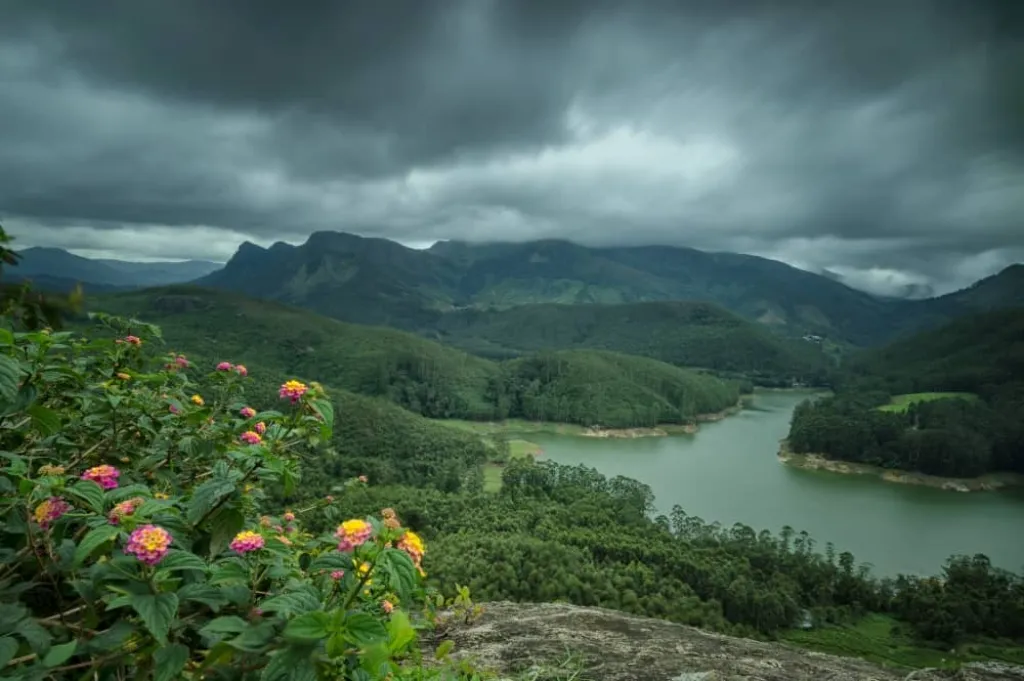
The arrival of the monsoon transforms India into a lush green paradise. Waterfalls gush down mountainsides, forests come alive, and the cool weather offers a refreshing escape from the summer heat. While this season is one of the most scenic times to travel, it also brings heavy rainfall, landslides, flash floods, and transport disruptions in several parts of the country.
Every year, the India Meteorological Department (IMD) issues rainfall alerts for many regions, particularly in the Himalayan states and the Western Ghats. Roads can become slippery, highways may close due to landslides, and rivers can overflow after continuous rainfall. That's why choosing the right destination is essential if you're planning a monsoon vacation.
Here are some destinations you should consider avoiding during the peak monsoon season, along with safer alternatives that still let you experience the beauty of India's rainy landscapes.
1. Manali, Kasol, and Shimla (Himachal Pradesh)
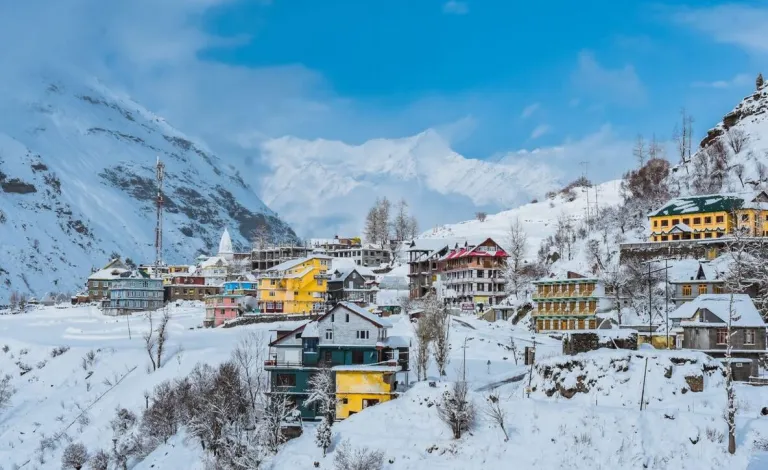
Himachal Pradesh is one of India's most visited hill destinations, attracting millions of travelers every year. However, during July and August, continuous rainfall often leads to landslides, road collapses, and traffic congestion along the mountain highways. The winding roads to Manali and Kasol are particularly vulnerable, making travel unpredictable.
Tourist attractions may remain open, but reaching them can become difficult if roads are blocked. Delays can stretch for several hours, and sudden weather changes are common in higher-altitude regions.
Also Read : 12 Things to Know Before Planning Manali Trip
Visit Instead: Kasauli
If you're looking for a peaceful hill station during the monsoon, Kasauli is an excellent alternative. Located at a lower elevation, it generally experiences milder rainfall than many parts of Himachal Pradesh. Visitors can enjoy colonial-era architecture, scenic walking trails, mist-covered hills, and beautiful viewpoints without facing the heavy tourist crowds found in Manali or Shimla.
2. Kedarnath, Badrinath, and Joshimath (Uttarakhand)
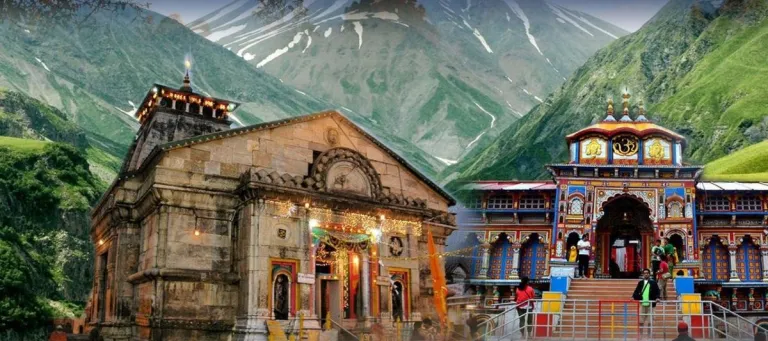
The Himalayan region of Uttarakhand becomes especially vulnerable during the monsoon. Pilgrimage routes leading to Kedarnath and Badrinath often witness landslides and road closures, while steep mountain terrain increases the risk of flash floods.
Although thousands of pilgrims visit these sacred sites every year, travelers should closely monitor weather updates and official advisories before planning their journey during the rainy season.
Visit Instead: Ranikhet
Ranikhet offers a calmer mountain experience with panoramic Himalayan views, pine forests, and peaceful surroundings. The destination is perfect for nature lovers who want to enjoy cool weather, scenic landscapes, and quiet walks away from crowded pilgrimage routes.
3. North Sikkim
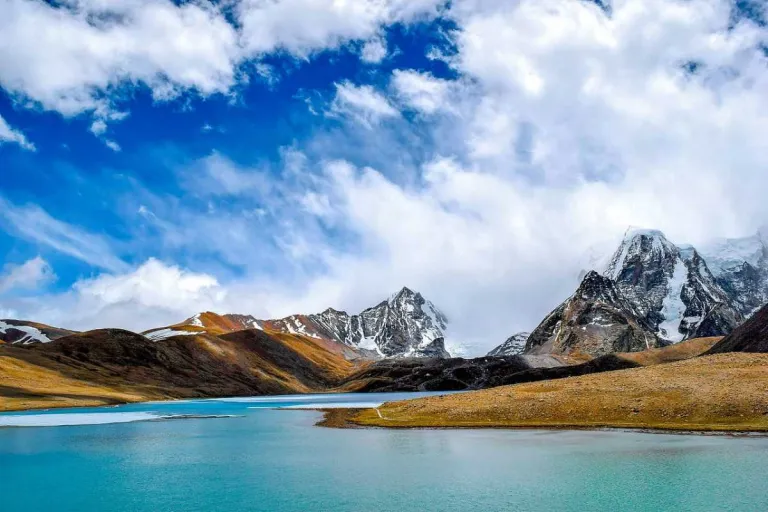
North Sikkim is famous for attractions like Gurudongmar Lake, Yumthang Valley, and Zero Point. However, the roads leading to these destinations pass through steep mountain valleys that frequently experience landslides during heavy rainfall.
Travel permits may also be suspended temporarily if weather conditions deteriorate, leaving visitors stranded or forced to change their plans.
Visit Instead: South Sikkim
South Sikkim offers beautiful monasteries, tea gardens, and mountain views with relatively better road connectivity. Destinations like Ravangla and Namchi are excellent choices for travelers seeking peaceful landscapes and cultural experiences during the monsoon.
4. Remote Areas of Arunachal Pradesh
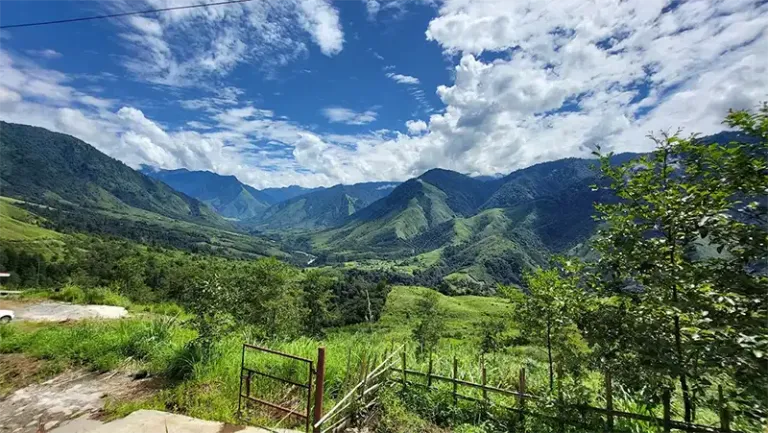
Arunachal Pradesh is one of India's most beautiful states, but many of its remote districts experience heavy rainfall throughout the monsoon season. Mountain roads are susceptible to landslides, while swollen rivers can disrupt transportation and delay travel plans.
Several regions may remain inaccessible for days after intense rainfall, making flexible itineraries essential.
Visit Instead: Meghalaya
Meghalaya is often called the "Abode of Clouds," and the monsoon is arguably the best time to visit. Waterfalls such as Nohkalikai Falls and Seven Sisters Falls are at their most spectacular, while attractions like the Living Root Bridges become even more enchanting amid lush greenery. Roads connecting major tourist destinations are generally more reliable than those in many remote Himalayan regions.
5. Goa for a Beach Holiday
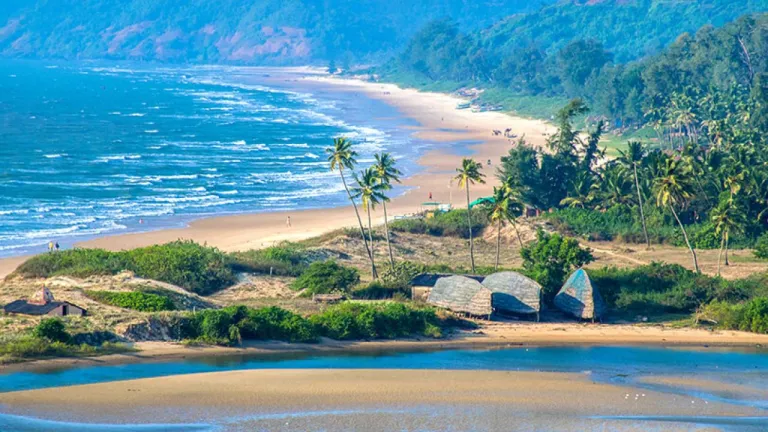
Although Goa remains open throughout the monsoon, travelers expecting sunny beaches and water sports may be disappointed. Strong sea currents, rough waves, and frequent rainfall often result in swimming restrictions and the temporary suspension of water activities.
However, the monsoon reveals another side of Goa, with green countryside, waterfalls, and fewer crowds.
Visit Instead: Wayanad, Kerala
Wayanad is one of India's best monsoon destinations. Rain enhances the beauty of its forests, waterfalls, spice plantations, and wildlife sanctuaries. Visitors can explore attractions like Soochipara Falls, Edakkal Caves, and Banasura Sagar Dam while enjoying cool weather and misty mountain scenery.
Essential Monsoon Travel Tips
Traveling during the rainy season requires a little extra preparation. Before setting off, keep these tips in mind:
Check the latest weather forecast from the India Meteorological Department (IMD).
Stay updated on local travel advisories and road conditions.
Avoid driving through flooded roads or crossing overflowing streams.
Carry waterproof jackets, quick-dry clothing, and sturdy footwear with good grip.
Pack a waterproof cover for your phone, camera, and important documents.
Keep emergency contact numbers and offline maps available in case of poor network connectivity.
Choose hotels with flexible cancellation policies in case your plans change due to weather.
Final Thoughts
India's monsoon season offers some of the country's most breathtaking scenery, from emerald-green valleys to roaring waterfalls and mist-covered mountains. However, safety should always be your top priority. Choosing destinations with reliable road connectivity and fewer weather-related risks can help you enjoy a stress-free holiday.
Before you travel, check the latest weather updates, monitor official advisories, and remain flexible with your itinerary. With thoughtful planning, a monsoon vacation can become one of your most memorable travel experiences.
Whether you prefer peaceful hill stations, lush forests, or charming countryside escapes, there are plenty of beautiful destinations where you can safely enjoy the magic of India's rainy season.
Published at
About Author

Subscribe our Newsletter
Get our weekly tips and travel news!
Related Posts
10 Monsoon Travel Destinations that are more than Kerala & Maharashtra
While Kerala and Maharashtra steal the monsoon spotlight, there’s an entire India drenched in magic waiting to be explored, if you dare to wander off the beaten path.
8 Essential Travel Tips For Monsoon Trips
Get the best tips for monsoon trips to travel safely and joyfully in the rainy season. Pack smart, stay flexible, and embrace the magic of monsoon adventures!
7 Romantic Monsoon Escapes for Couples in India
When the skies darken and the scent of rain fills the air, India unfolds secret hideaways where love quietly blooms with every drop.
10 Places to avoid Traveling during Monsoon in India
While monsoon brings magic to many places in India, some destinations demand caution. Here’s a thoughtful guide on places to avoid during the rainy season.
Stunning Waterfalls to Visit in Andhra Pradesh This Monsoon
As clouds descend and forests awaken, Andhra Pradesh reveals her most spectacular secret, majestic waterfalls that thunder and whisper through the monsoon mist.
Latest Posts
Tanzania Introduces Mandatory Travel Insurance for Foreign Visitors in 2026
Planning a trip to Tanzania? A new mandatory travel insurance requirement took effect on 1 October 2026. Here is what international visitors need to know before travelling.
10 Underrated Places to Travel in 2026: Beautiful Destinations Away from the Crowds
Escape the usual tourist hotspots and discover 10 underrated places to travel in 2026, featuring scenic mountain valleys, historic towns, remote islands and peaceful coastal escapes.
Best Emerging Travel Destinations for Indians in 2027: 7 Places to Visit Before They Get Popular
Looking for somewhere new to travel in 2027? Explore seven emerging destinations, including Bishkek, Okinawa, Malvan, Pokhara and Phu Quoc, for your next adventure.
October Getaways: 15 Best Places to Visit in India Before the Winter Rush
October is one of the best months to travel across India, with the monsoon retreating, cooler weather arriving and the country's festive season coming alive.
Austria Visa for Indians: Types and Requirements 2026
Planning a trip to Austria from India? This complete guide covers Austria visa types for Indians, including tourist, visitor, business, student, work and medical visas.