
Most Beautiful Lake in India for Nature Lovers
Still water has a different kind of beauty than a rushing river. It acts like a giant mirror, reflecting the blue sky, the white clouds, and the green trees around it. India is blessed with countless beautiful lakes, each having its own unique personality. Some sit high up in the cold mountains where trees cannot grow, while others are surrounded by old palaces or floating green grass.
For someone who loves nature, a lake side is the perfect place to sit quietly and listen to the birds. It is where you can watch the sun go down slowly, changing the color of the water from yellow to deep orange. These water bodies are not just beautiful sights; they are also home to fish, birds, and small plants that keep our planet healthy and alive.
Sacred Waters
In India, lakes are seen as much more than just travel spots. For generations, our communities have looked at these water bodies with deep respect, often treating them as living, sacred beings. From the high lakes of the Himalayas to the temple tanks of the south, water is a symbol of life and purity. People gather on the stone steps, called ghats, to offer prayers, celebrate festivals, and seek peace. This ancient bond means that when we visit a lake, we are entering a space loved and protected by human hands for centuries.
Crucial Details to Keep in Mind
Bird Watching Seasons: If you love looking at colorful birds, plan your lake visits between November and February when winter guests arrive from faraway countries.
Boating Rules: Always wear the provided life jackets during boat rides, even if the lake water looks completely calm.
Altitude Health: High mountain lakes require you to rest for a day so your body can get used to the thin air.
Local Cultures: Respect the traditional rules around lakes that are considered holy by the local villagers.
Also Read: Most Scenic Mountain Escapes in India
1. Dal Lake, Jammu and Kashmir
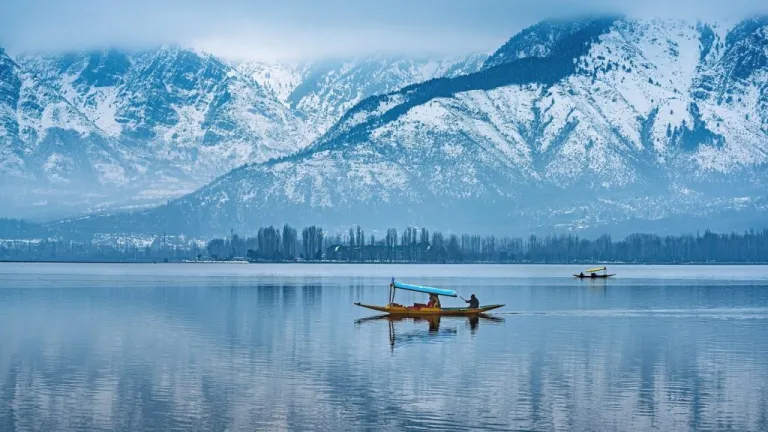 Image credit: Kashmir Online
This world-famous lake is the heart of Srinagar city. It is known for its beautiful wooden houses that float on water, called houseboats. Colorful wooden boats named shikaras glide across the water like quiet taxis, carrying people past floating gardens filled with bright flowers.
Location: Srinagar, Jammu and Kashmir.
Best Time to Visit: May to November for pleasant weather.
How to Reach: Fly directly into Srinagar airport and take a local taxi.
Key Detail: There is a bustling vegetable market that floats on the water early every morning.
Where to Stay Nearby: For a unique experience, stay right inside a traditional carved wooden houseboat floating securely on the lake itself.
Nearby Nature Attractions: Take a walk through the grand Shalimar and Nishat Mughal Gardens that sit beautifully right on the banks of the water.
What to Eat Nearby: Sip on hot, aromatic Kashmiri Kahwa (saffron tea) and try crispy lotus stem fritters sold right from passing boats.
Important Timings & Fees: The lake is open all day. Shikara boat rides have standard rates regulated hourly by the local tourist association.
2. Pangong Tso, Ladakh
This long and narrow lake is situated at an incredible height in the cold desert hills. The most magical thing about this lake is that the water changes its color through the day. It turns from light blue to deep turquoise, and sometimes to a shiny silver under the bright sun.
Location: Leh District, Ladakh.
Best Time to Visit: June to September when the roads are clear of snow.
How to Reach: Hire a sturdy mountain car from Leh city for a scenic drive.
Key Detail: A major part of this clear salt-water lake lies across the international border.
Where to Stay Nearby: Cozy eco-friendly wooden cabins and simple tourist tents are set up by locals in villages like Spangmik and Tangtse.
Nearby Nature Attractions: Look out for wild Himalayan marmots—small, furry animals that live in burrows along the rocky mountain fields nearby.
What to Eat Nearby: Warm up with hot Thukpa (noodle soup) and steamed vegetable momos served in small village dining tents.
Important Timings & Fees: Accessible during daylight hours. You need a special Inner Line Permit from Leh city to visit this high-security border area.
3. Loktak Lake, Manipur
This is the largest freshwater lake in the northeastern region and is famous for its floating islands called phumdis. These are thick mats of soil, grass, and organic matter that float naturally on the water. Local fishermen have even built small thatch huts on these moving green patches.
Location: Bishnupur District, Manipur.
Best Time to Visit: November to early March for clear blue skies.
How to Reach: Drive down from Imphal city, which takes about an hour.
Key Detail: It holds the world's only floating national park, home to the rare brow-antlered deer.
Where to Stay Nearby: Stay in simple, basic homestays run by community members on Moirang island or inside small cottages near the lake view point.
Nearby Nature Attractions: Take a boat ride to the Keibul Lamjao National Park area to catch a glimpse of the rare dancing deer moving gently on the floating grass.
What to Eat Nearby: Try traditional Manipuri fish stews or simple boiled local vegetables served with aromatic red rice.
Important Timings & Fees: Best visited between 6:00 AM and 5:00 PM. Entry to the park area requires a small standard ticket of around 30 rupees.
4. Lake Pichola, Rajasthan
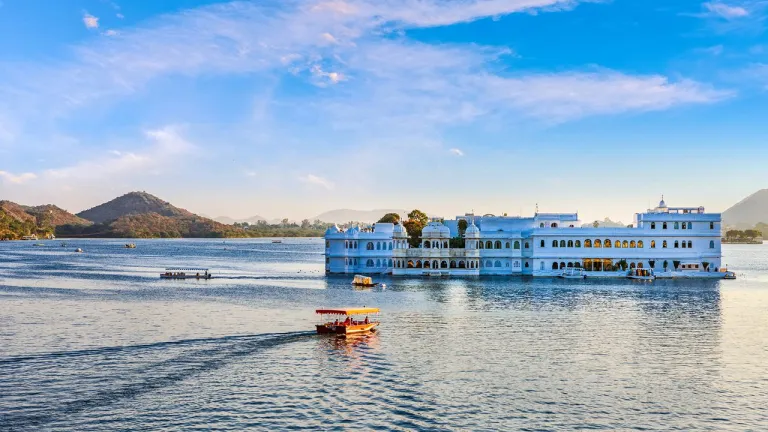 Image credit: Incredible India
This is a beautiful man-made lake built centuries ago in the middle of a desert state. Grand stone palaces made of white marble rise directly out of the calm water. When the sun sets, the historic buildings light up, making the entire water surface glitter like gold.
Location: Udaipur, Rajasthan.
Best Time to Visit: October to March when the desert air is cool.
How to Reach: Udaipur has its own railway station and airport with easy transport.
Key Detail: You can take a peaceful evening boat ride to view the heritage ghats.
Where to Stay Nearby: There are historic heritage hotels on the banks, as well as budget-friendly guest houses with lovely rooftop lake views in the old city area.
Nearby Nature Attractions: Visit the Sajjangarh Monsoon Palace located on a high hill nearby to get a breathtaking birds-eye view of all the lakes in Udaipur.
What to Eat Nearby: Eat crispy daal baati churma at lakeside rooftop cafes while watching the lights reflect on the water.
Important Timings & Fees: Open daily for boat rides from 9:00 AM to 6:00 PM. Boat ride tickets cost around 400 to 700 rupees, depending on the time of day.
Also Read: How to Plan Your Rajasthan Itinerary to Enjoy the Best of Everything
5. Chilika Lake, Odisha
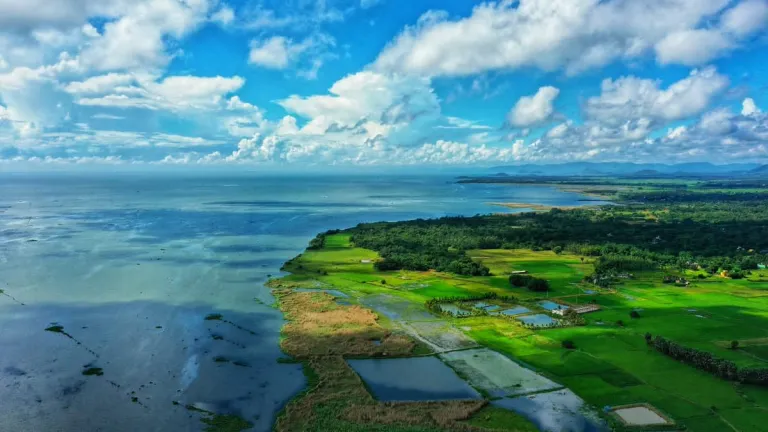 Image credit: Wikipedia
This is a giant coastal lake separated from the sea by a narrow strip of sand. It is the largest brackish water lagoon in Asia, meaning its water is a mix of fresh and sea water. It is a true paradise for bird lovers and wildlife photographers.
Location: Puri and Khurda Districts, Odisha.
Best Time to Visit: November to February to see thousands of migratory birds.
How to Reach: Take a local train or vehicle from Bhubaneswar city.
Key Detail: It is one of the few places in India where you can spot rare Irrawaddy dolphins.
Where to Stay Nearby: The state tourism department operates comfortable lakeside bungalows at Satapada and Barkul.
Nearby Nature Attractions: Take a morning boat to the quiet Nalabana Bird Sanctuary island, which becomes crowded with thousands of colorful flamingos in winter.
What to Eat Nearby: Treat yourself to fresh lake prawns, crabs, and fish curry made with local mustard spices at village food shacks.
Important Timings & Fees: Boat cruises run from 6:00 AM to 5:00 PM. There is no fee for the lake itself, but you hire specific boats from official associations.
Also Read: 10 Beautiful Hill Stations in Odisha for Family Vacations
6. Vembanad Lake, Kerala
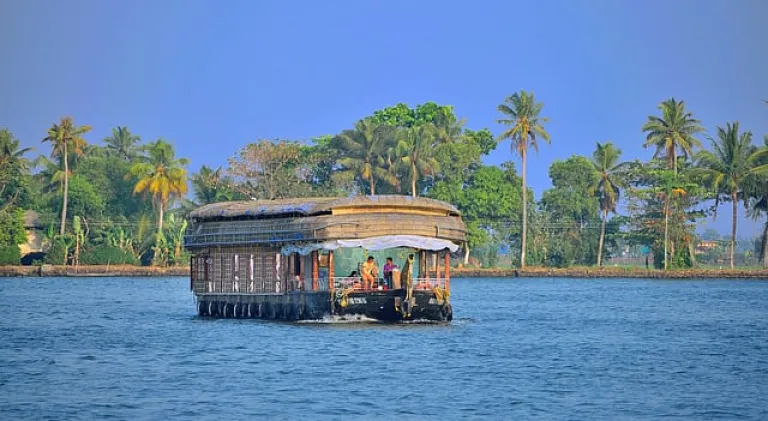 Image credit: Down to Earth
This is the longest lake in India and sits at the center of Kerala's famous backwater system. Large, comfortable houseboats made of wood and bamboo mats cruise slowly through its waters. The edges of the lake are lined with tall coconut trees and small traditional villages.
Location: Kumarakom and Alappuzha, Kerala.
Best Time to Visit: November to February for comfortable weather.
How to Reach: Reach Kochi city and take a taxi down south to the lakeside resorts.
Key Detail: The famous and colorful traditional snake boat races are held here every August.
Where to Stay Nearby: Relax at a peaceful lakeside resort in Kumarakom or spend a night inside a moving luxury houseboat on the calm water paths.
Nearby Nature Attractions: Spend a morning at the Kumarakom Bird Sanctuary right on the lake edge to spot local herons and owls resting in the trees.
What to Eat Nearby: Sample spicy Karimeen Pollichathu (pearl spot fish cooked in a banana leaf) and sweet, fresh coconut water.
Important Timings & Fees: Open all day. Public ferry rides across the lake cost just a few rupees and run on set hourly timetables.
Also Read: Top 10 Hidden Gems in Kerala to Visit in 2026
7. Chandratal Lake, Himachal Pradesh
Named the "Moon Lake" because of its beautiful crescent shape, this water body sits high up in the Spiti Valley. It is surrounded by grand, snow-capped mountains and fields of wild alpine flowers. The water is so clean and clear that it reflects the mountains like a glass sheet.
Location: Lahaul and Spiti District, Himachal Pradesh.
Best Time to Visit: June to September before the mountain passes freeze.
How to Reach: Travel by road from Manali via the scenic Atal Tunnel.
Key Detail: You have to camp at a designated site a few kilometers away to protect the water.
Where to Stay Nearby: Sleep in seasonal luxury Swiss tents or basic camps set up in the designated camping zone three kilometers down from the lake bank.
Nearby Nature Attractions: Take a drive across the high Kunzum Pass nearby, where colorful Tibetan prayer flags flutter strongly in the cold mountain wind.
What to Eat Nearby: Enjoy simple, boiling hot dal-rice and mixed vegetable subzi served fresh inside the community kitchen tents.
Important Timings & Fees: Best visited between 7:00 AM and 5:00 PM. No entry fee is charged, but vehicles must park in the designated space.
7 Paragliding Launch Points in Himachal Beyond Bir Billing
Simple Guide to Lake Photography
The Best Hour: Shoot photos during the first hour of sunrise or the last hour of sunset for soft, warm lighting on the water.
Steady Reflections: To get a perfect mirror image of mountains, try to take your pictures early in the morning when there is no wind to create ripples.
Keep Your Distance: Use a zoom lens for bird photos so you do not scare away the ducks or flamingos resting near the shores.
Protect Your Gear: Water bodies often create damp air, so keep your camera inside a sealed bag when you are not using it.
Final Words
Lakes teach us the beauty of staying calm and still. Spending a day near a lakeside allows you to watch nature put on a quiet show, from little fish jumping out of the water to birds flying back to their nests. It is a wonderful way to slow down your busy life, clear your mind, and connect deeply with the beautiful earth we live on.
Published at
About Author

Tashvi Gala
Subscribe our Newsletter
Get our weekly tips and travel news!
Related Posts
Travel Guide to Dubai from India 2023
Welcome to the enchanting realm of Dubai, where ancient traditions seamlessly blend with futuristic marvels. In this comprehensive travel guide, we embark on a captivating journey from India to the dazzling desert metropolis of Dubai. From informatio...
What to Expect When Travelling to London: Expectations vs Reality
Given the increasing migration inflow to London every year, the defining features of London as a place of endless job opportunities, stunning architecture, and history, as well as the alluring Brit...
What to Expect When Travelling to Nepal: Expectations vs. Reality
What comes to your mind when you first think about Nepal? Majestic views of the sunrise against the snow capped peaks of the Himalayan mountains, rows of colorful prayer flags fluttering in the cri...
What to Expect When Travelling to Santorini: Expectations vs Reality
Santorini has long been a firm favourite on everyone’s bucket list. Even though the very essence of “The Greek Islands” does look stunning in travel magazines and social media, is...
Travel Guide to Vietnam from India 2023
Vietnam, with its captivating blend of ancient traditions and modern allure, beckons Indian travelers with open arms. This Southeast Asian gem boasts a rich cultural tapestry, breathtaking landscapes, and a vibrant street food scene that will leave y...
Latest Posts
Cyclone Arnab: Indian Railways Issues Travel Advisory for Passengers
Cyclone Arnab is approaching India's east coast, prompting railway safety measures and train service changes. Here's what passengers should know about weather warnings, travel disruptions and official updates.
IndiGo International Flights from Navi Mumbai Airport: Routes & 2027 Updates
Mumbai’s aviation network is getting a major upgrade as IndiGo prepares to shift international flights to Navi Mumbai Airport in 2027. Discover the 12 planned destinations, the transition timeline and what passengers should know before booking their next
Kochi to Bangkok Direct Flight 2026 – Air India Express Timings and Schedule
Air India Express now operates direct flights from Kochi to Bangkok. Find the published schedule, departure and arrival timings, operating days and essential travel tips.
All You Need to Know About Dev Dipawali
Experience the magic of Diwali in Varanasi with illuminated ghats, the mesmerising Ganga Aarti, sunrise boat rides, hidden temples, Banarasi street food and vibrant local markets. Discover the best places to explore beyond Kashi Vishwanath and plan an unf
Trump Gold Card Visa for Indians: Cost, Benefits, Eligibility and How to Apply
The Trump Gold Card visa offers wealthy foreign nationals a new pathway to US permanent residency through a substantial financial contribution. Here is what Indian applicants need to know about its cost, eligibility, benefits and application process.