
Floods in Bali, Indonesia - Everything You Need to Know for Tourists
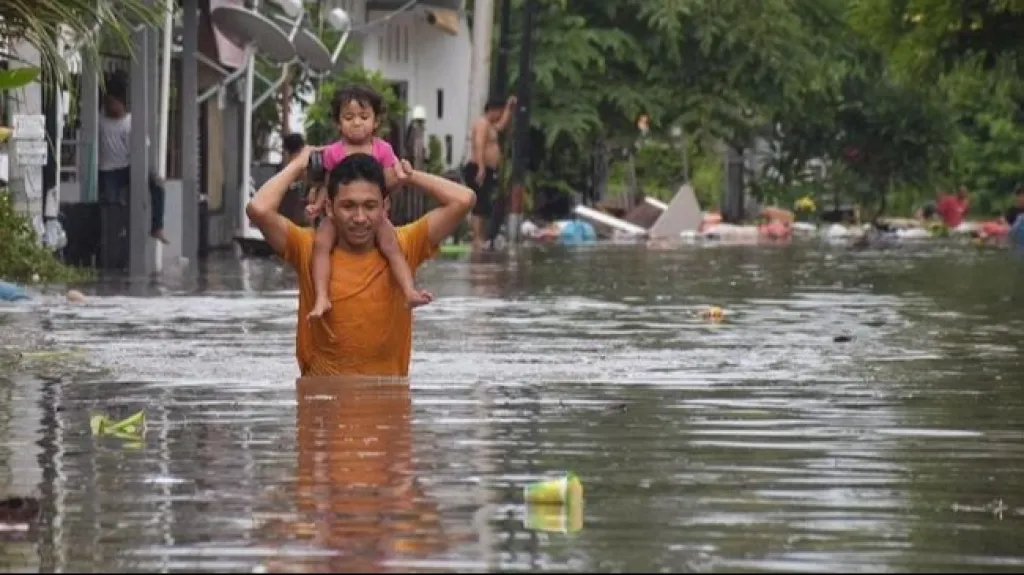
Recent heavy rains have caused significant flooding and landslides in parts of Bali, Indonesia. While this is a serious event for local communities, we want to help tourists understand how it might affect their travel plans. Here is a friendly, section-by-section guide with everything you need to know.
Current Situation and Places Affected
The floods have impacted a few regions across Bali, but it's important to remember that the island is quite large, and many areas are still perfectly fine for visitors.
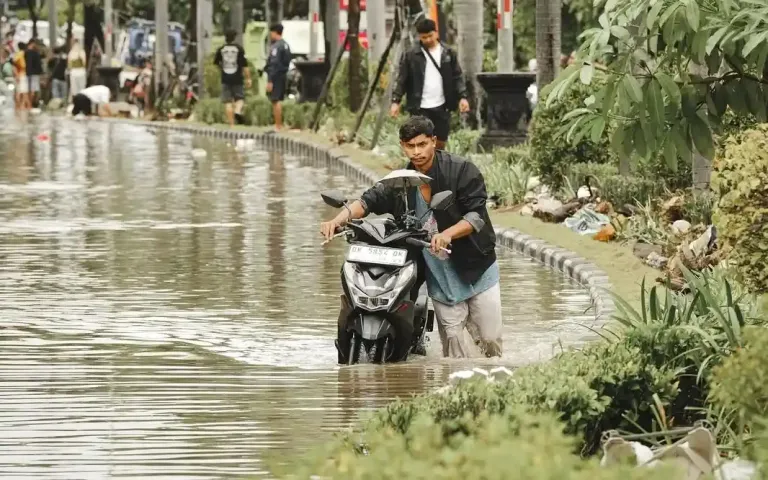
Heavily Affected Areas: The provincial capital of Denpasar has been the most impacted, with a lot of flooding in residential and business districts. Other areas with significant issues include Gianyar, Jembrana, and Tabanan, where rivers have overflowed, and roads have been blocked by water and debris.
What About the Tourist Hotspots? Popular destinations like Seminyak, Canggu, Ubud, and Kuta did experience some temporary street flooding, but the water receded quickly, and life has largely returned to normal. You might still encounter some road travel challenges, so a little extra patience is a great idea.
Airport and Transportation: The main international airport, I Gusti Ngurah Rai Airport, is still open and running. However, getting to and from the airport might take longer due to waterlogged roads. It's a good idea to check your flight status and give yourself plenty of extra time for your journey.
Also Read: Traveling to Bali or Jakarta? New All Indonesia App is Now Mandatory
Official Advisory and Key Information for Tourists
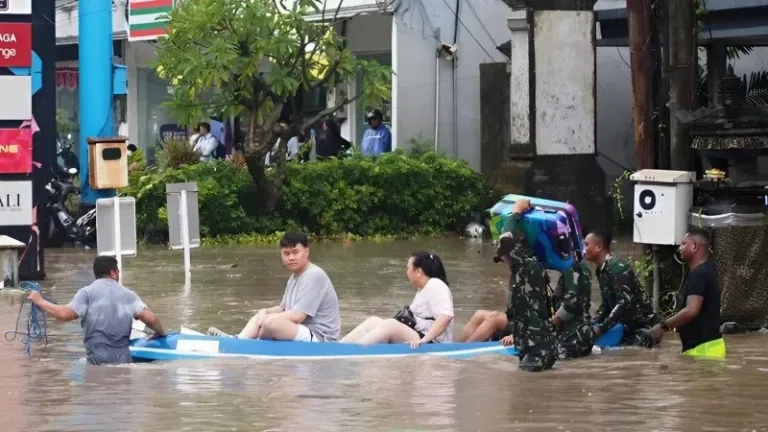
Authorities are hard at work helping with the cleanup and recovery. While there isn't a "do not travel" warning for the whole island, it's best to be a little extra cautious and follow local advice.
Safety First: Your safety is the top priority. Please stay updated on weather forecasts and any official news from reliable sources.
Steer Clear of Flooded Zones: It's best to avoid the most affected districts like Denpasar, Gianyar, Jembrana, and Tabanan for now. This helps keep you safe and allows emergency services to do their important work without extra traffic.
Stay in Touch: Keep in regular contact with your airline, hotel, and tour operators. They will have the most up-to-date information for your specific plans.
Travel Insurance: If you're planning a trip, take a moment to review your travel insurance policy. Make sure you understand what it covers in case of natural disasters and trip interruptions.
Be Patient and Kind: This event has been very difficult for local residents. A little patience and understanding can go a long way as the community works to get back on its feet.
Impact on Tourist Activities and Attractions
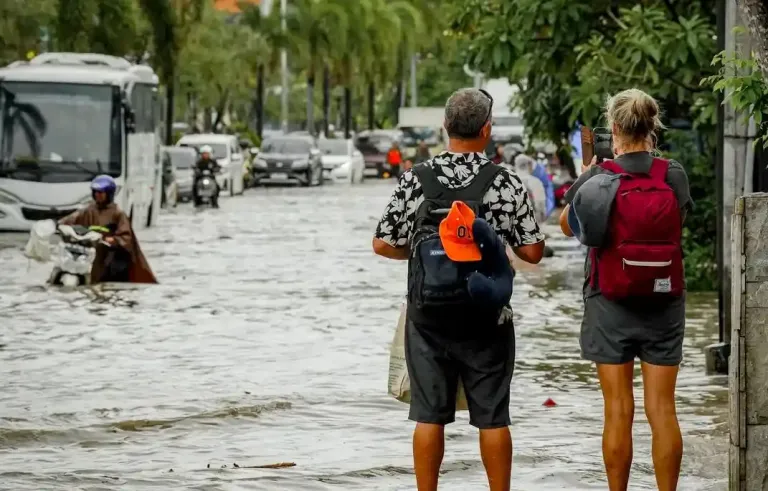
While the worst is over, the floods might still affect some of the activities you've planned, especially those in rural or coastal areas.
Water Activities: Runoff from the rain and floods can affect water quality at some beaches. It's a good idea to check with local operators about the conditions before you go snorkeling, diving, or surfing.
Hiking and Trekking: Be extra careful if you planned to hike in mountainous areas, as there is a risk of landslides. Please follow any local warnings and stick to trails that are officially open and safe.
Cultural and Religious Sites: Most major temples are on higher ground, but some might have been affected by road damage. If you're headed to a specific temple, a quick call to your hotel or guide can help you get the latest information on access.
Also Read: 20 Best Things to Do in Bali for Indian Tourists
What to Do If You're Currently in Bali
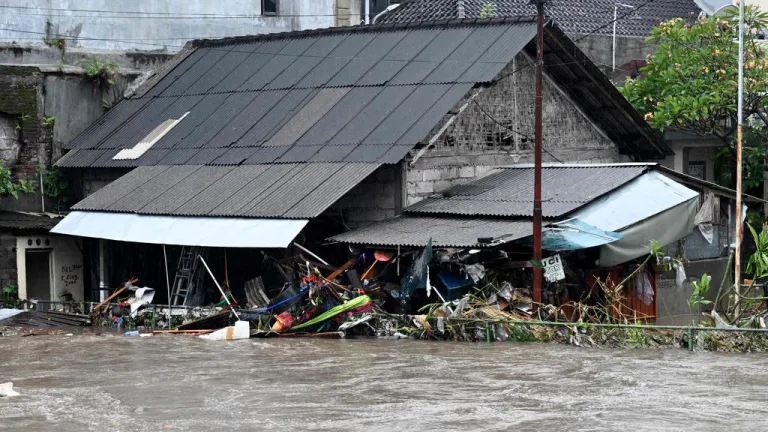
If you're already on the island, here are a few simple tips to help you stay safe and comfortable:
Keep Your Loved Ones Informed: Make sure your phone is charged and stay in touch with your family and embassy.
Tune In to Local News: Keep an eye on updates from official sources like the Bali Regional Disaster Management Agency (BPBD) and the Meteorology, Climatology, and Geophysics Agency (BMKG).
Listen to Warnings: If local authorities ask you to evacuate an area, please do so immediately. It's always better to be safe than sorry.
Be Prepared: It's smart to have some cash on hand in case of power outages that might affect ATMs. A small emergency kit with a flashlight and a portable charger can also be very helpful.
What to Consider if You Are Planning a Trip to Bali
Check the Forecast: While Bali is beautiful year-round, its rainy season is typically from October to April. This event is a good reminder to check the weather forecast for your travel dates.
Consider Flexibility: Think about booking travel and accommodation with flexible cancellation policies, just in case your plans need to change.
Adjust Your Itinerary: If your planned trip includes any of the heavily affected areas, you might consider adjusting your itinerary to focus on the many other beautiful parts of Bali that were not impacted.
Bali's people and its tourism industry are very resilient. While the floods are a serious event, the island has not shut down. By staying informed, being mindful of the local situation, and acting with care, you can still have a wonderful and responsible trip. Your visit and support are very much appreciated by the local community.
Published at
About Author

Tashvi Gala
Subscribe our Newsletter
Get our weekly tips and travel news!
Related Posts
West Bengal: Tagore's Residence Santiniketan Achieves UNESCO World Heritage Status
Santiniketan, a town in West Bengal's Birbhum region where Nobel laureate Rabindranath Tagore spent much of his life, has been added to the UNESCO World Heritage List.
UK Visitor Visa Fee Hiked: What's the New fee?
Planning to visit the United Kingdoms? Watchout for this Hike in Visa Charges. A UK tourist visa for less than six months will cost an additional £1,543 (£ 15), while UK student visas will cost an additional £13,070 (£127) for visitors from all over the w
India Issues Caution for Travel to Canada - Visa suspended
The advisory, issued by the Ministry of External Affairs (MEA), comes amid a diplomatic row between the two countries over allegations that the Indian government may be linked to the extra-judicial killing of a Sikh separatist in Canada.
First snowfall of the season in Gulmarg
As the chilly winds of winter start to sweep across the northern regions of India, Gulmarg, the crown jewel of Jammu and Kashmir, has once again transformed into a breathtaking winter wonderland. Nature's magic was on full display as Gulmarg recently...
Biswanath Ghat: Best tourism village of India 2023
In an exciting announcement, Biswanath Ghat in Assam has been crowned as India's "Best Tourism Village of 2023" by the Ministry of Tourism. This well-deserved recognition is a testament to the village's unique blend of cultural heritage, natural beau...
Latest Posts
Bangkok Floods 2026: What Indian Travellers Need to Know Before Visiting
Bangkok is dealing with widespread flooding, but its major airports remain operational. Here's what Indian travellers should know before visiting.
Philippine Airlines to Launch Delhi and Mumbai Flights in December 2026
Philippine Airlines plans to launch nonstop Manila–Delhi and Manila–Mumbai flights in December 2026, giving travellers new direct India-Philippines connections.
India–Vietnam Flights to Double: New Aviation Deal Brings More Travel Options
India and Vietnam have agreed to more than double weekly air capacity to over 16,000 seats, opening the door to more direct flight options for Indian travellers.
Delhi Airport Beats Dubai in Global Connectivity: What Indian Travellers Should Know
Delhi Airport has climbed to 28th in OAG's 2026 global connectivity ranking, moving ahead of Dubai. Here's what Indian travellers should know.
Malaysia Visa-Free Entry for Indians: India Issues Important Travel Advisory
Malaysia continues its 30-day visa-free entry for Indians, but a new advisory warns travellers against using the facility to seek employment.