
World's Most Dangerous Roads
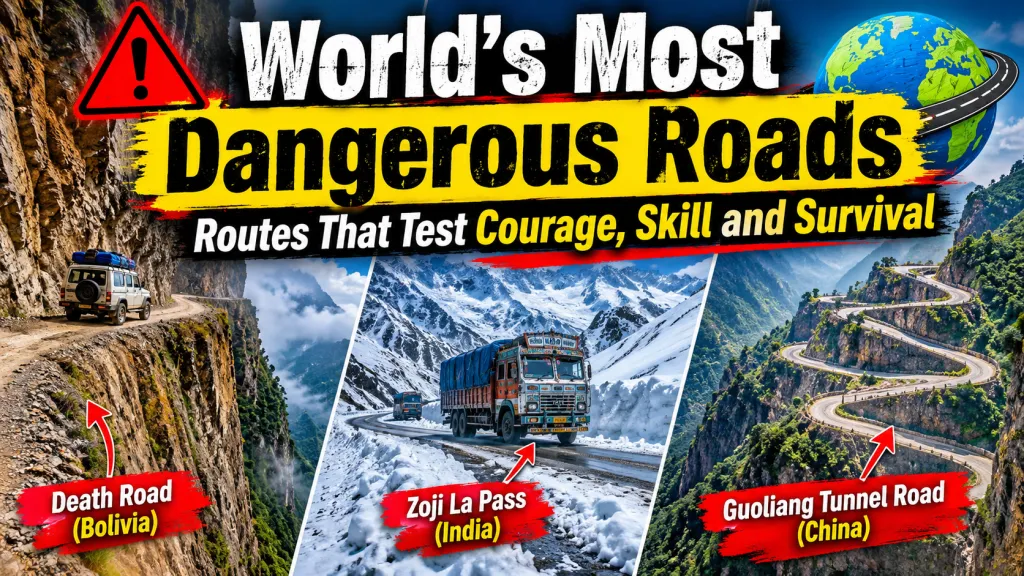
Road trips are often associated with freedom, beautiful landscapes and unforgettable adventures. But in some parts of the world, driving is not simply about reaching a destination - it is about surviving the journey itself.
From narrow mountain roads carved into cliffsides to highways surrounded by deserts, unstable terrain and unpredictable weather, some roads are considered among the most dangerous routes on Earth. These roads challenge even experienced drivers, with sharp turns, steep drops, landslides, limited visibility and little room for mistakes.
Yet despite the risks, they attract adventurous travellers, photographers and road-trip enthusiasts who want to experience some of the world's most dramatic landscapes.
Here are some of the world's most dangerous roads that are as breathtaking as they are terrifying.
1. North Yungas Road (Death Road) - Bolivia
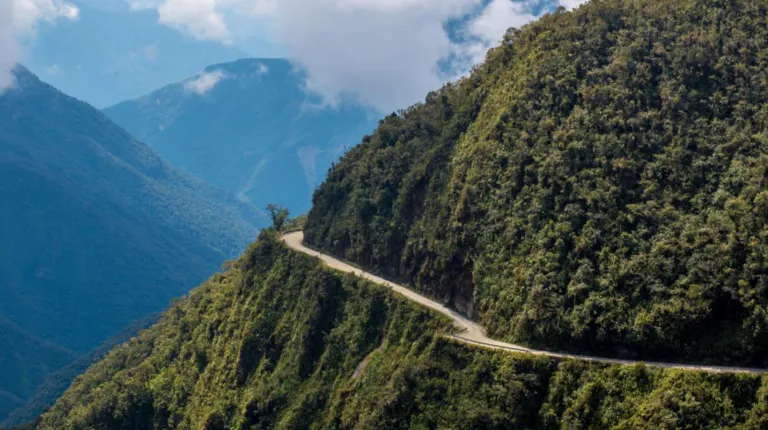
Often called the Death Road, the North Yungas Road in Bolivia is one of the most notorious routes in the world. It connects the mountainous region near La Paz with the lush Yungas valleys, descending through dramatic cliffs, thick forests and steep mountain slopes.
The road became infamous for its narrow gravel surface, sharp turns, heavy fog and enormous drops with little or no protective barriers. In several sections, the road is so narrow that vehicles must carefully manoeuvre around one another.
Historically, it was considered extremely dangerous when it carried regular two-way traffic. Today, a newer highway has diverted much of the traffic, and the old route is particularly popular with adventure cyclists.
Despite its reputation, the road remains a serious challenge, especially during rain, poor visibility and slippery conditions.
Country: Bolivia
Main danger: Narrow cliff edges, fog and loose gravel
Known for: Mountain biking and extreme adventure tourism
The road's historic reputation is based on conditions before much of its traffic shifted to the newer highway.
2. Fairy Meadows Road - Pakistan
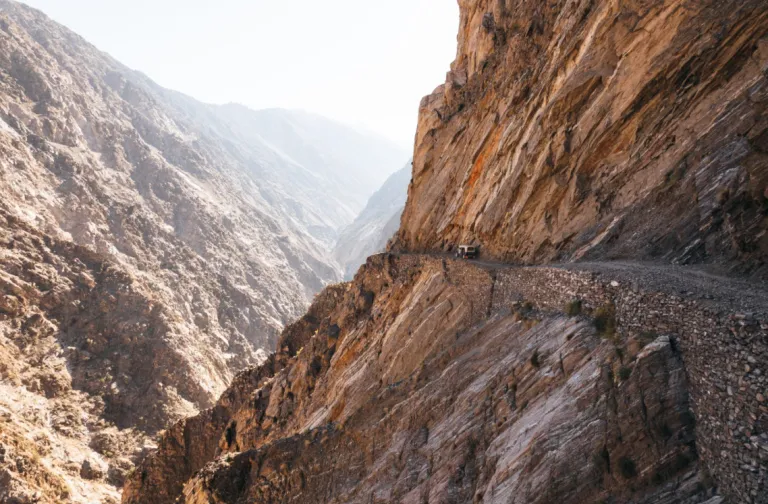
The road to Fairy Meadows is one of the most frightening mountain drives in Pakistan. This narrow dirt track winds through steep mountains and overlooks deep valleys, offering very little protection from the edges.
The route is particularly challenging because of its rough surface, tight turns, steep gradients and limited space for passing vehicles. In many stretches, the road is only wide enough for a single vehicle.
Travellers heading to Fairy Meadows, a beautiful alpine destination near the mighty Nanga Parbat, often use local jeep transport rather than attempting to drive themselves.
The scenery is extraordinary, but the road demands extreme caution and experienced local drivers.
Country: Pakistan
Main danger: Narrow tracks, steep drops and rough terrain
Known for: Access to spectacular mountain scenery and Nanga Parbat views
3. Karakoram Highway - Pakistan and China
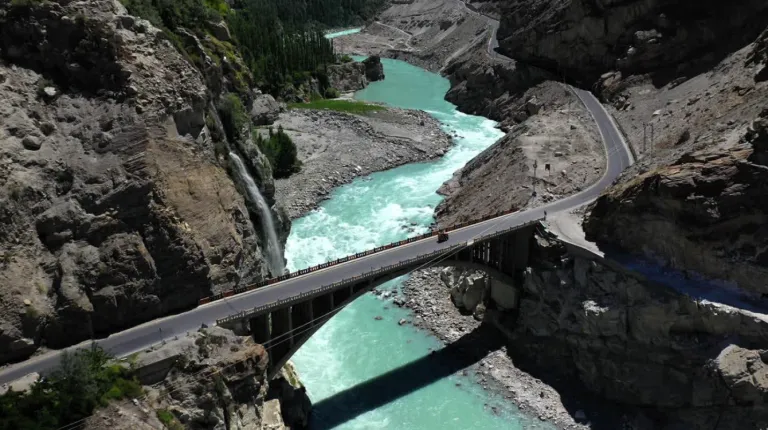
The Karakoram Highway is one of the world's highest international paved roads and an extraordinary feat of engineering.
Stretching through the Karakoram mountain range, the highway connects Pakistan with China and passes through some of the most dramatic landscapes on Earth. Travellers encounter towering peaks, deep valleys, glaciers and remote mountain settlements.
However, the route is vulnerable to landslides, falling rocks, flash floods, avalanches and earthquakes. Its high altitude can also cause altitude-related illness, while weather conditions may change rapidly.
The highway is a dream journey for adventure travellers, but certain sections can become dangerous without warning.
Countries: Pakistan and China
Main danger: Landslides, rockfalls, altitude and extreme weather
Known for: One of the world's highest and most spectacular international highways
The Karakoram Highway is a major route through terrain prone to landslides, rockfalls and severe weather.
4. Zoji La Pass - India
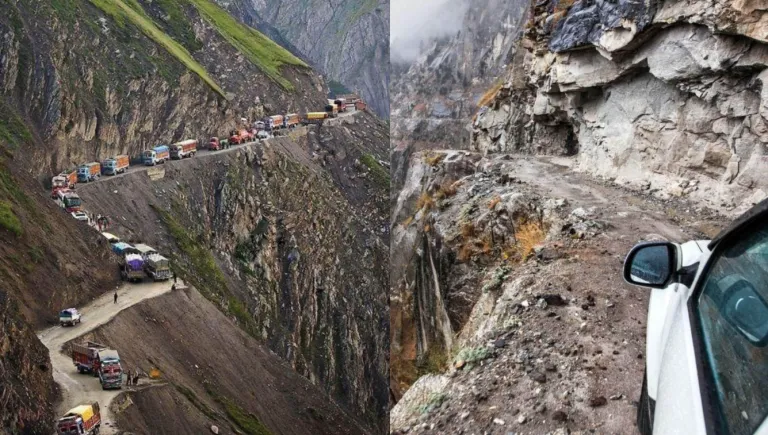
Located in the Himalayas, Zoji La is a high mountain pass connecting the Kashmir Valley with Ladakh.
The road is known for its narrow stretches, steep slopes, rough terrain, snow, mud and unpredictable weather. During certain periods, vehicles travel through sections surrounded by snow walls, while other stretches offer little protection from steep drops.
Heavy snowfall and avalanches can disrupt traffic and lead to seasonal closures, making travel conditions unpredictable.
For travellers, crossing Zoji La is an experience that showcases the raw beauty of the Himalayas, but it is a route where weather conditions and road status must be taken seriously.
Country: India
Main danger: Snow, landslides, narrow sections and steep mountain drops
Known for: Connecting Kashmir with Ladakh
Zoji La is a challenging high-altitude pass with severe seasonal weather and difficult road conditions.
5. Guoliang Tunnel Road - China
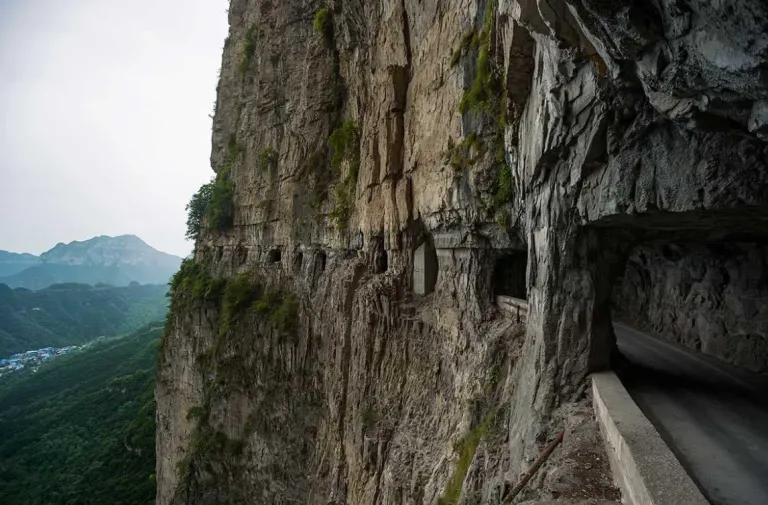
The Guoliang Tunnel is one of the most unusual roads in the world. Instead of winding around a mountain, this road passes directly through it.
Carved into the Taihang Mountains by villagers, the tunnel features uneven surfaces, rough rock walls and openings cut into the mountainside that look like giant windows. These openings allow natural light inside while offering dramatic views of the surrounding cliffs.
Although it was built to connect a remote village with the outside world, the tunnel's narrow passage, rocky surroundings and sharp bends make driving through it a nerve-racking experience.
Country: China
Main danger: Narrow tunnel, uneven road surface and exposed mountain openings
Known for: A tunnel carved directly through a mountain by villagers
6. Kolyma Highway - Russia
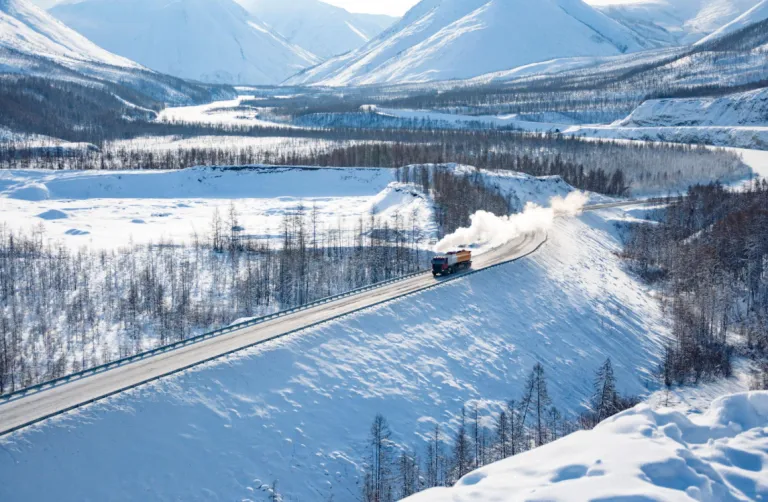
Known as the Road of Bones, the Kolyma Highway is one of the most isolated and unforgiving roads in Russia.
The highway stretches across the remote Far Eastern region, connecting areas around Yakutsk and Magadan. Its name is associated with the tragic history of forced labour during its construction, when prisoners of Soviet-era labour camps worked under brutal conditions and many died.
Today, the route remains challenging because of extreme cold, remote stretches, rough surfaces, limited services and the difficulty of getting help in an emergency.
During winter, temperatures can fall to dangerously low levels, while vehicles travelling through isolated sections must be prepared for breakdowns with little immediate assistance available.
Country: Russia
Main danger: Extreme cold, isolation, rough surfaces and limited rescue access
Known for: Its tragic history and unforgiving Siberian conditions
7. Dalton Highway - Alaska, USA
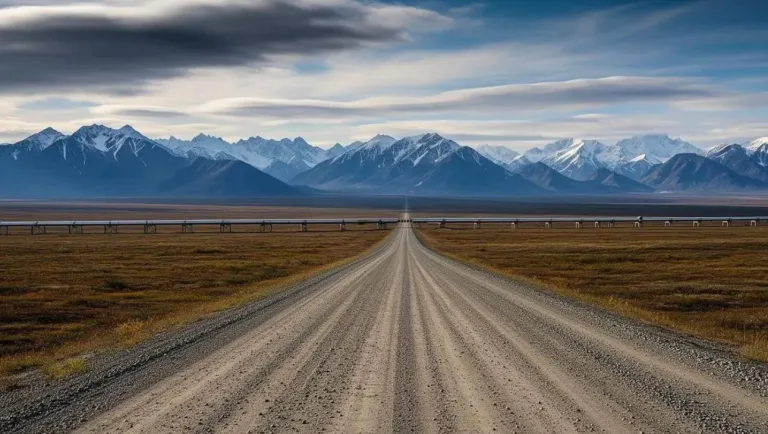
The Dalton Highway is one of the most remote highways in North America. Stretching deep into the Arctic region, it passes through vast wilderness, tundra and mountainous terrain.
The road was originally built to support oil operations and is still used by heavy trucks. Long gravel stretches, potholes, limited fuel stops, unpredictable weather and few services make it difficult for inexperienced drivers.
In winter, snow, ice and poor visibility can make the journey particularly dangerous. Even during summer, the highway's remoteness means that a vehicle breakdown can become a serious problem.
Travellers must prepare carefully, carrying emergency supplies, spare tyres, fuel planning and appropriate equipment.
Country: United States
Main danger: Isolation, gravel roads, Arctic weather and heavy truck traffic
Known for: A remote route through Alaska's wilderness
The Dalton Highway is an isolated Arctic route with very limited services and challenging weather.
8. Skippers Canyon Road - New Zealand
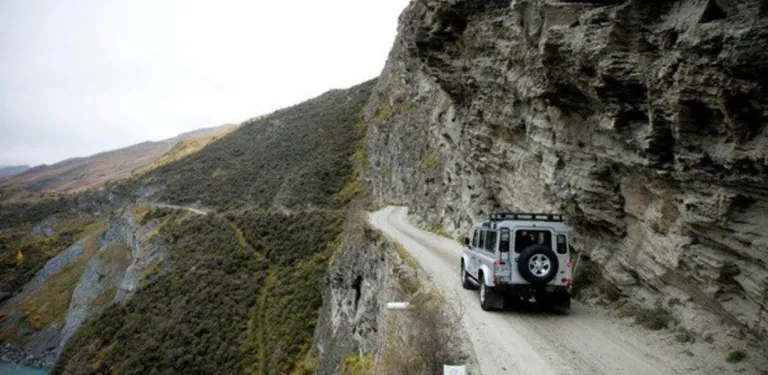
Located near Queenstown, Skippers Canyon is home to one of New Zealand's most intimidating mountain roads.
The road was carved into the rocky canyon during the gold-mining era and follows the Shotover River through steep cliffs and rugged terrain. Much of it is extremely narrow, with unsealed surfaces and limited space for two vehicles to pass.
In some places, encountering an oncoming vehicle means one driver must carefully reverse to a wider section of the road.
The road is so challenging that many rental-car companies exclude it from their insurance coverage, making guided tours a popular choice for visitors.
Country: New Zealand
Main danger: Narrow road, sheer drops and slippery gravel
Known for: Historic gold-mining routes and dramatic canyon scenery
Skippers Canyon Road is known for its narrow ledges, sharp bends and restricted rental-car access.
9. Stelvio Pass - Italy
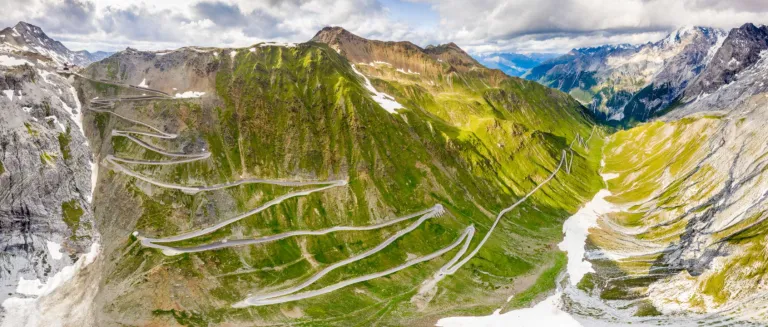
The Stelvio Pass is one of Europe's most famous mountain roads and a dream destination for driving enthusiasts.
Situated high in the Italian Alps, it features dozens of tight hairpin bends, steep gradients and narrow sections that require careful steering and constant attention.
The road is especially challenging for drivers unfamiliar with mountain driving. Sharp turns, cyclists, motorcyclists, tourist traffic and rapidly changing weather conditions can make the experience demanding.
Despite its challenges, Stelvio Pass is also celebrated for its spectacular scenery and is considered one of the most beautiful alpine drives in Europe.
Country: Italy
Main danger: Hairpin bends, steep gradients and unpredictable weather
Known for: One of Europe's most spectacular mountain passes
10. Passage du Gois - France
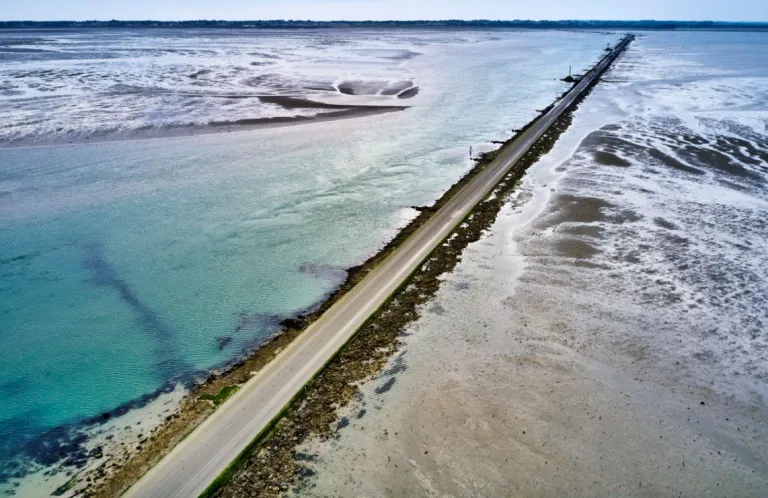
The Passage du Gois is unlike most dangerous roads because its biggest threat comes from the sea.
This extraordinary causeway connects the mainland of France with the island of Noirmoutier. It is submerged by seawater during high tide and becomes accessible only during specific periods when the water recedes.
Drivers who fail to check the tide timings can find themselves trapped by rising water. The causeway is slippery, and its surface can be covered with water, making crossing dangerous if attempted at the wrong time.
Unlike mountain roads, where danger comes from cliffs and falling rocks, this route demands careful attention to the ocean's changing conditions.
Country: France
Main danger: Rising tides, flooding and slippery road surfaces
Known for: A road that disappears beneath the sea twice a day
Passage du Gois is a tidal causeway and should only be crossed during officially permitted periods.
What Makes These Roads So Dangerous?
Although these roads are located in different parts of the world, many share the same risk factors that make driving difficult and sometimes life-threatening.
Steep drops: Some roads run along cliffs with little or no protective barrier.
Narrow passages: Vehicles may have very little room to pass one another.
Extreme weather: Snow, fog, rain and sudden storms can dramatically reduce visibility.
Landslides and rockfalls: Mountain roads are often vulnerable to shifting terrain and falling debris.
Remote locations: Breakdowns or accidents can become serious when emergency services are far away.
Altitude: High mountain roads can cause altitude sickness, fatigue and breathing difficulties.
There is no universally accepted ranking of the world's most dangerous roads, as the risks vary according to weather, traffic, road conditions and the time of year.
Tips for Travelling on Dangerous Roads
If you ever plan to travel along one of these routes, preparation is essential.
Hire experienced local drivers wherever the terrain is unfamiliar or particularly dangerous.
Check weather forecasts, road closures and local travel advisories before departure.
Avoid driving at night on remote mountain roads.
Carry sufficient water, food, warm clothing, a first-aid kit and emergency supplies.
Ensure your vehicle is suitable for the terrain and properly maintained.
Never underestimate mountain roads, even if they look manageable in photographs.
Avoid risky stops or attempts to capture photographs near unprotected cliff edges.
Final Thoughts
The world's most dangerous roads are a reminder of how extraordinary-and unforgiving-nature can be. These routes pass through some of the most beautiful landscapes on Earth, but their beauty often comes with serious risks.
From Bolivia's legendary Death Road and Pakistan's breathtaking mountain tracks to the icy wilderness of Alaska and the tidal causeway of France, every road tells a story of engineering, survival and human determination.
While these destinations may appeal to adventurous travellers, the goal should never be to test one's limits unnecessarily. The best road trip is not the one that takes the greatest risk, but the one that allows you to experience incredible places and return safely with unforgettable memories.
Adventure is worth experiencing-but safety should always come first.
Published at
About Author

Atihsin
Subscribe our Newsletter
Get our weekly tips and travel news!
Related Posts
Travel Essentials You Must Buy To Save Money
Many of us love preparing for a trip by going to a mall and buying travel essentials we think we’ll certainly be needing. But, think about it: How much have you actually spent on all your pre-trave...
Here’s why Travelling Cheap Can Completely Ruin a Trip
Let’s face it: No matter how budgeted your trips are, they will inevitably cause a noticeable dent in your pocket. We believe it pays to travel thriftily — this makes it possible for all kinds of t...
15 Road Trips from Bengaluru You Can Take in 2023
Longing for a break from the daily grind in Bengaluru? Look no further! We've curated a list of captivating road trip destinations that promise to whisk you away into a world of natural beauty, historical wonders, and cultural richness.
5 Best Hill Station Getaways Near Bangalore 2023
Step away from the daily grind and immerse yourself in the tranquility of the hill stations near Bangalore in 2023.
Himalayan Camping 101: Everything You Need to Know
Camping in the Himalayas is an adventure like no other, offering some mind-blowing landscapes, serene natural beauty, and a chance to disconnect from the hustle and bustle of city life. However, it requires careful planning and preparation.
Latest Posts
Cheapest International Destinations to Visit from India in January 2027
Looking for an affordable international holiday? Explore 10 budget-friendly countries to visit from India in January 2027, including Nepal, Sri Lanka, Thailand and Vietnam.
Ayodhya to Janakpur Train 2026 – Route, Stations, Timings and Ticket Details
The Saryu-Kamala Express connects Ayodhya and Janakpur Dham from November 28, 2026. Check the route, stations, weekly timings and ticket details.
Countries With Unusual Driving Rules: Laws That Can Surprise Tourists
From strict motorway rules in Germany to unexpected driving laws in Japan, discover unusual road regulations around the world that can surprise tourists.
SpiceJet Cancels 74% of Flights at Three Major Airports Amid Cash Crunch
SpiceJet faces severe flight disruptions, with 74% of scheduled services at Delhi, Mumbai and Bengaluru affected amid mounting financial pressure and a cash crunch.
Why Are Airplane Windows Round? The Science Behind Their Shape
Airplane windows aren't round by accident. Discover how their shape helps withstand cabin pressure, prevent stress concentration and keep aircraft safe at high altitudes.