
Why Are Airplane Windows Round? The Science Behind Their Shape

Have you ever looked out of an airplane window and wondered why it is almost always oval or rounded rather than square? It may seem like a simple design choice, but the shape of airplane windows is actually connected to aviation safety, engineering and the history of aircraft design.
Airplane windows are not rounded just to look attractive or give passengers a better view. Their shape plays a crucial role in helping aircraft withstand the enormous pressure differences experienced at high altitudes. In fact, the design of modern aircraft windows was influenced by a serious aviation problem discovered decades ago.
So, why are airplane windows round, and what would happen if they were square?
1. The Difference in Air Pressure Is Enormous
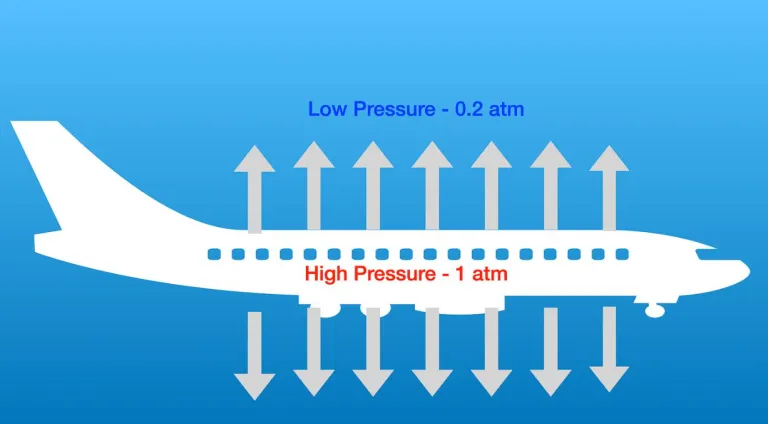
Commercial airplanes usually cruise at altitudes of around 30,000 to 40,000 feet, where the outside air pressure is much lower than the pressure maintained inside the passenger cabin.
To make flying comfortable and safe, aircraft cabins are pressurised. This means the air inside the aircraft is maintained at a pressure significantly higher than the surrounding atmosphere.
As a result, the aircraft's fuselage constantly experiences stress caused by the pressure difference between the inside and outside.
The windows are part of the aircraft's outer structure, so they must withstand this repeated pressure without developing cracks or weaknesses.
Rounded windows help distribute this stress more evenly.
2. Why Square Windows Can Be Dangerous
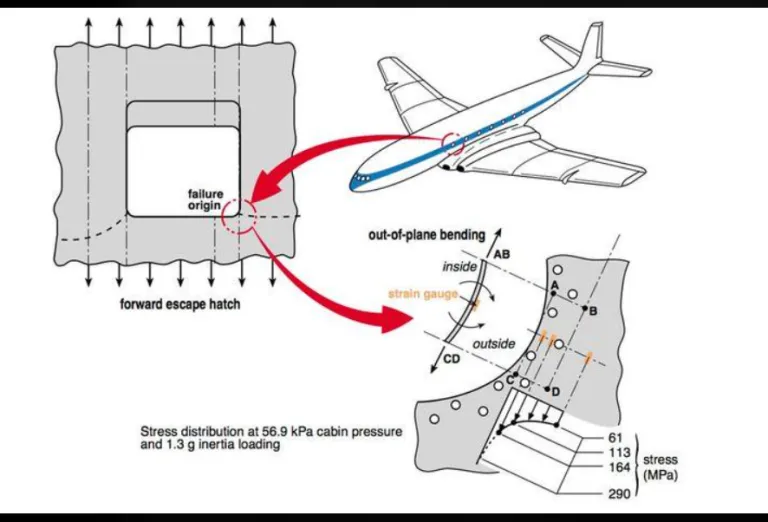
Square or rectangular windows have sharp corners. When pressure is applied to a structure containing sharp corners, stress tends to concentrate around those areas.
This phenomenon is known as stress concentration.
In an aircraft, these concentrated stresses can become particularly dangerous because the fuselage repeatedly expands and contracts slightly during flights as cabin pressure changes. Over thousands of flight cycles, this repeated stress can contribute to metal fatigue.
Rounded windows, on the other hand, allow stress to spread more smoothly around the opening instead of concentrating heavily at sharp corners.
This reduces the likelihood of cracks developing around the window frame and improves the structural strength of the aircraft.
3. The History Behind Rounded Airplane Windows
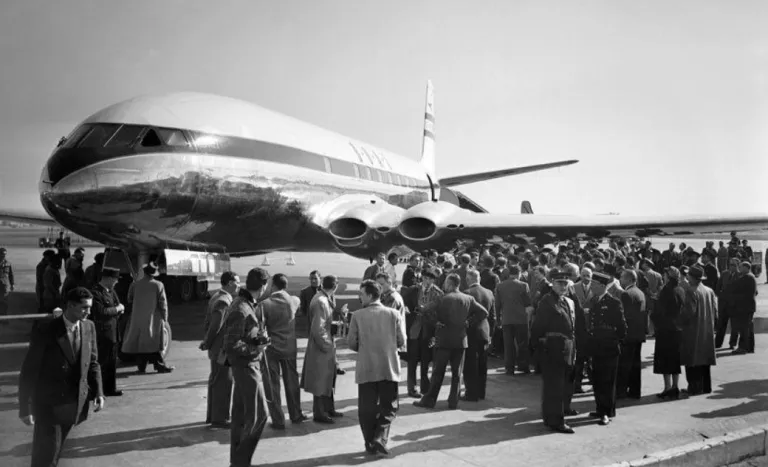
The importance of rounded airplane windows became widely understood following a series of accidents involving the de Havilland Comet in the early 1950s.
The Comet was one of the world's first commercial jet airliners and introduced a new era of fast passenger travel. However, several aircraft suffered catastrophic structural failures during flight.
Investigations revealed that metal fatigue played a major role. Stress concentrations around certain structural openings, including the corners of square-shaped windows, contributed to the development of cracks under repeated pressurisation cycles.
The aircraft's fuselage was subjected to repeated pressure changes, and cracks could grow over time until the structure failed.
These tragic accidents transformed aircraft engineering. Designers began paying much closer attention to the shape of openings in pressurised aircraft structures, and rounded windows became a standard feature of modern commercial aviation.
The lessons learned from the Comet helped improve the safety of aircraft around the world.
4. Airplane Windows Are Actually Made of Multiple Layers
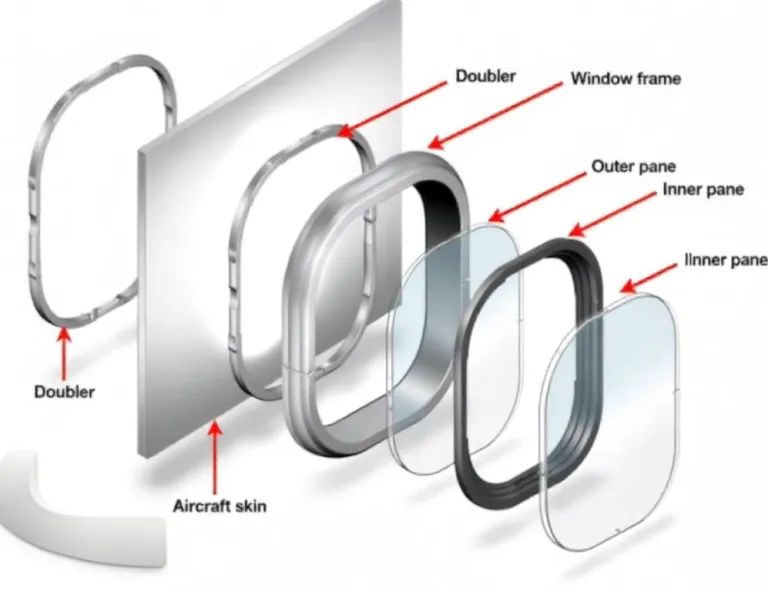
Another interesting fact is that airplane windows are not made of just one piece of glass. They consist of multiple layers designed to provide strength, insulation and safety.
A typical passenger aircraft window assembly includes:
Outer pane: Designed to withstand the pressure difference between the cabin and the outside atmosphere.
Middle pane: Acts as an additional safety barrier and provides structural backup.
Inner pane: The passenger-facing panel that protects the main window assembly from accidental damage inside the cabin.
These layers work together to improve safety while helping maintain cabin pressure throughout the flight.
5. What Is the Tiny Hole at the Bottom of an Airplane Window?
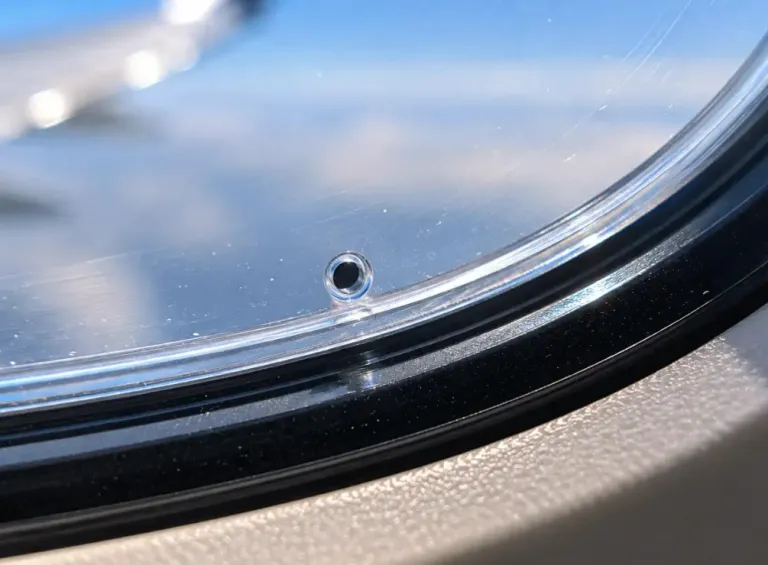
If you have ever sat beside an airplane window, you may have noticed a tiny hole near the bottom of the inner window pane.
It is called a breather hole or pressure equalisation hole, and it serves an important purpose.
The hole helps regulate pressure between the cabin and the window layers. It allows the cabin pressure to act primarily on the outer pane while helping the inner pane remain a protective barrier.
It also helps reduce moisture buildup and condensation between the window layers, keeping the window clearer for passengers.
So, that tiny hole is not a manufacturing defect. It is an intentional part of the aircraft's window design.
6. Why Are Airplane Windows So Small?
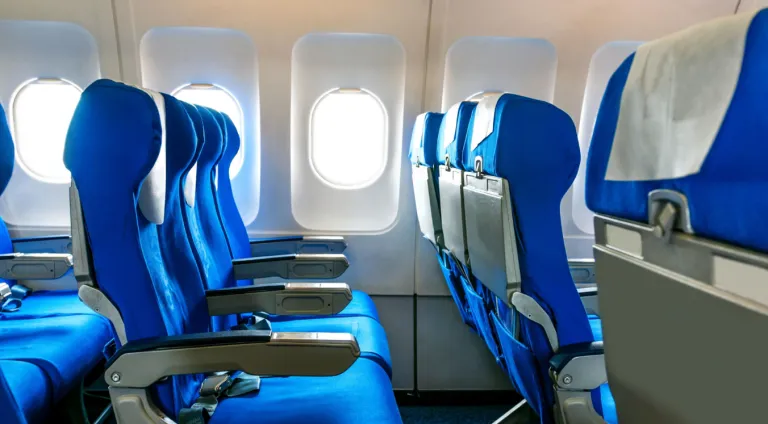
Compared to windows in homes, hotels or buildings, airplane windows are surprisingly small.
Their size is carefully determined by structural requirements. Larger openings remove more material from the aircraft fuselage, potentially affecting its strength and requiring additional reinforcement.
Smaller windows help engineers maintain the structural integrity of the aircraft while allowing passengers to enjoy outside views.
They also reduce the complexity and weight of the surrounding structure, which is an important consideration in aircraft design.
Although airlines and aircraft manufacturers continue to experiment with larger windows and improved passenger experiences, safety and structural efficiency remain the primary considerations.
7. Why Do Airplane Windows Sometimes Look Scratched or Cloudy?
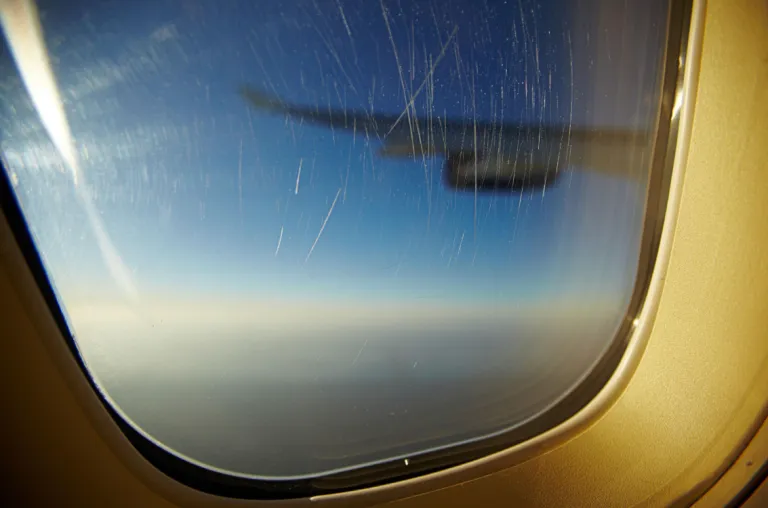
Airplane windows can sometimes appear scratched, foggy or slightly cloudy, particularly when sunlight hits them at certain angles.
This is often because the inner window panel is made from durable plastic materials rather than conventional household glass. Over time, these panels may develop minor scratches from cleaning, handling and everyday passenger use.
Temperature differences and humidity can also cause temporary condensation.
In most cases, these minor imperfections do not affect the safety of the aircraft because the passenger-facing panel is not the primary pressure-bearing structure.
Final Thoughts
The next time you sit beside an airplane window, take a moment to look at its shape. That simple oval design represents decades of aviation engineering, research and lessons learned from the history of flight.
Rounded windows help reduce dangerous stress concentrations, improve the structural performance of the aircraft and allow the fuselage to withstand repeated pressure changes at high altitudes.
Something as ordinary as the shape of a window can make a remarkable difference in keeping millions of passengers safe every year.
Aviation is full of such hidden details. The things we barely notice during a flight are often the very things that make flying possible.
The article is ready, but I would make one small historical correction before publishing: the Comet accidents were not simply caused by square passenger windows. The fatigue failures involved stress around fuselage openings, particularly the squarish ADF antenna opening. The passenger-window story is often oversimplified.
Federal Aviation Administration+1
This makes your article more accurate while keeping the main explanation intact.
Published at
About Author

Atihsin
Subscribe our Newsletter
Get our weekly tips and travel news!
Related Posts
Singapore Airlines First Class Cabin Experience: A Luxurious Journey
Singapore Airlines is known for its excellent customer service and luxurious cabin experiences, and its first class cabin is no exception.
What is Air India First Class and Business Class is like?
Air India is the national carrier of India and offers a variety of cabin classes, including First Class and Business Class. These two classes offer passengers a luxurious and comfortable travel experience.
Get Ready for Passport-Free Entry to Dubai and Singapore in 2024
Singapore Changi Airport and Dubai International Airport, two of the world's busiest airports, are set to go passport-free in early 2024, as biometric technology takes over the need for passports.
Hill stations in India that you can take Direct Flights to
Embark on a journey to India's captivating hill stations. In this blog, discover the magic of reaching these elevated retreats with ease through direct flights. From serene landscapes to soaring peaks, explore the beauty of India.
Cheapest Domestic flights on Dec 23rd and Jan 24
Discover vibrant Kolkata, experience Kerala's backwaters, and marvel at the Taj Mahal. With this blog, unlock affordable flights for budget-friendly adventures, whether you're a seasoned traveler or a first-time wanderer.
Latest Posts
Countries With Unusual Driving Rules: Laws That Can Surprise Tourists
From strict motorway rules in Germany to unexpected driving laws in Japan, discover unusual road regulations around the world that can surprise tourists.
SpiceJet Cancels 74% of Flights at Three Major Airports Amid Cash Crunch
SpiceJet faces severe flight disruptions, with 74% of scheduled services at Delhi, Mumbai and Bengaluru affected amid mounting financial pressure and a cash crunch.
Best Christmas Markets in Europe to Visit from India in 2026
Discover Europe's best Christmas markets for 2026, including Vienna, Strasbourg, Prague and Nuremberg, with dates and travel tips for Indians.
SpiceJet Crisis Deepens: Flight Cancellations, Cash Crunch and Growing Safety Concerns
SpiceJet's financial crisis is worsening, with 74% of flights cancelled at Delhi, Mumbai and Bengaluru airports. As passengers face disruptions and pilots raise concerns, the airline plans to raise ₹5,500 crore to revive operations.
Malaysia Visa Rules for Indians in 2027 – Visa-Free Entry, New Rules and Application Process
Malaysia will require Indian travellers to obtain a visa from 1 January 2027. Check the new rules, application dates and travel requirements.