
SpiceJet Crisis Deepens: Flight Cancellations, Cash Crunch and Growing Safety Concerns
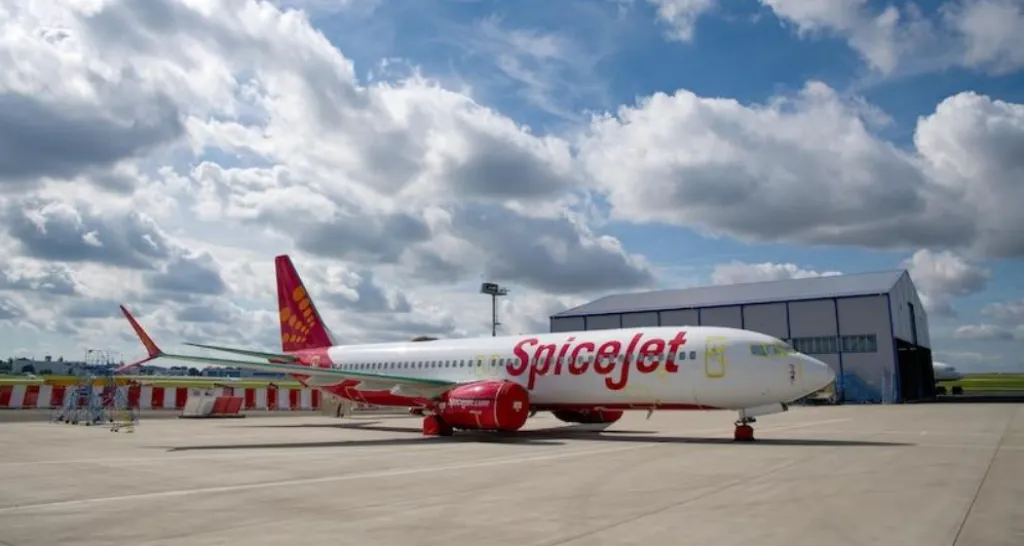
India’s aviation sector is witnessing renewed turbulence as SpiceJet faces mounting financial pressure, widespread flight cancellations and growing concerns over operational reliability. The cash-strapped airline is struggling to maintain its scheduled operations, leaving passengers stranded, raising questions about its financial recovery plans and drawing increased attention from aviation regulators.
With cancellations reportedly affecting several major airports and pilots flagging concerns about operational safety and oversight, the situation is becoming increasingly serious for the airline as well as its passengers.
74% of Flights Cancelled at Major Airports
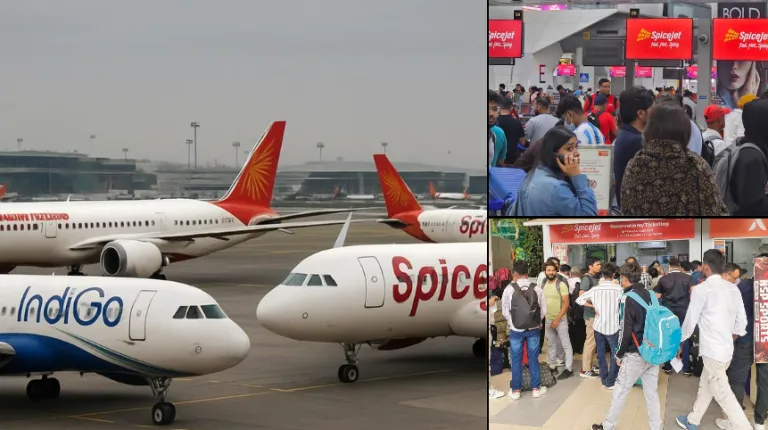
The scale of disruption became evident on November 19, when SpiceJet cancelled 31 out of 42 scheduled flights at Delhi, Mumbai and Bengaluru airports, representing nearly 74% of its scheduled operations at these three airports.
Airport-wise, the cancellations were particularly severe:
Delhi: 16 out of 22 flights cancelled or not operating
Mumbai: 3 out of 4 flights cancelled
Bengaluru: 12 out of 16 flights cancelled or not operating
The cancellations affected both arrivals and departures, disrupting travel plans for passengers connecting to cities including Mumbai, Delhi, Srinagar, Leh, Pune, Patna, Varanasi and Darbhanga.
The disruptions are being linked to the airline's financial difficulties, grounded aircraft, unpaid dues and operational constraints.
A Cash Crunch That Is Affecting Daily Operations
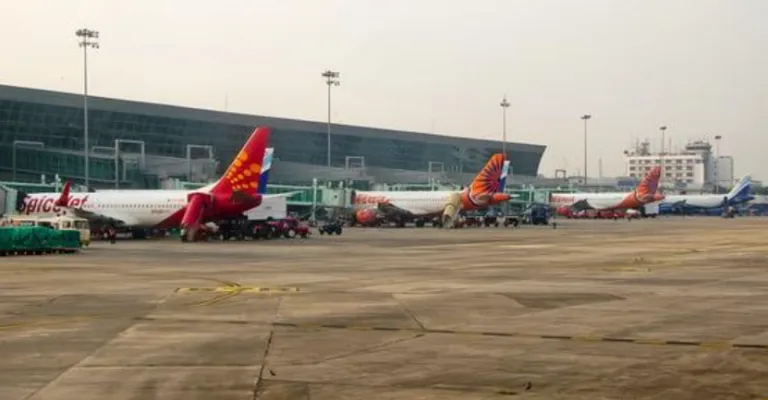
SpiceJet's financial problems have increasingly translated into operational challenges. The airline has reportedly struggled to clear dues to aircraft lessors, service providers and other vendors, while salary payments to employees have also faced delays.
The financial strain has affected aircraft availability, with several planes remaining grounded because of payment-related and other operational issues. Reports have also indicated that aircraft leased recently have not entered service as expected, further limiting the airline's capacity to operate its scheduled network.
The crisis is not just about cancelled flights. It reflects the difficulty of keeping an airline running when financial obligations, aircraft availability, employee payments and day-to-day operating expenses begin affecting one another.
According to recent reports, the airline's domestic market share has fallen sharply, highlighting the extent of its shrinking operations and weakening position in India's competitive aviation market.
₹5,500 Crore Fundraising Plan: A Lifeline for the Airline?
In an attempt to stabilise its finances, SpiceJet's board has approved a proposal to raise up to ₹5,500 crore through one or more permitted fundraising routes.
The proposed capital infusion is expected to help the airline:
Strengthen its balance sheet
Address immediate liquidity requirements
Clear pending operational dues
Bring grounded aircraft back into service
Rebuild its fleet and network capacity
Support its long-term revival strategy
The airline is reportedly in discussions with potential investors, but securing funds and converting the proposed fundraising into actual operational recovery will be crucial.
The timing is particularly important, as the airline needs financial support not only to revive its fleet but also to restore confidence among passengers, employees, suppliers, aircraft lessors and business partners.
DGCA Under Pressure Over Passenger Protection
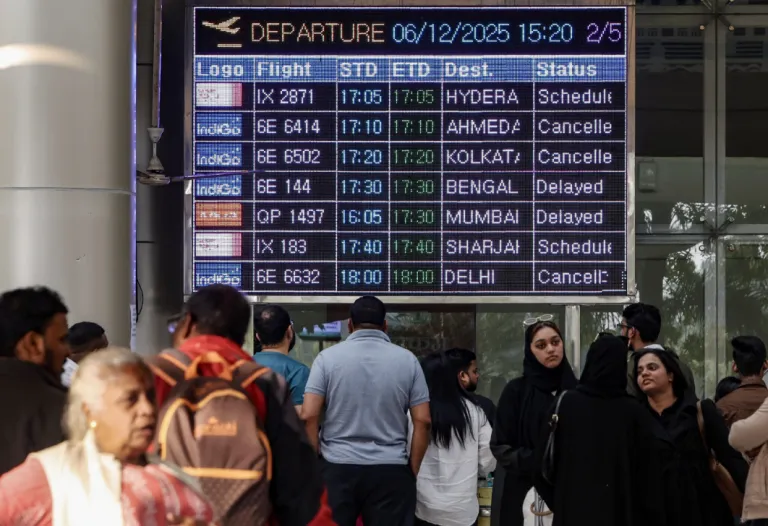
The situation has also raised questions about the role of India's aviation regulator, the Directorate General of Civil Aviation (DGCA).
Despite widespread disruptions and the airline's inability to operate its published schedule consistently, SpiceJet has continued to accept bookings for flights. This has prompted concerns about whether passengers should be allowed to book services when an airline's ability to operate them remains uncertain.
The regulator has reportedly issued notices over the airline's inability to maintain its schedule, while the question of whether further restrictions should be imposed remains a matter of regulatory scrutiny.
The challenge for authorities is to strike a balance between protecting passengers and avoiding measures that could further destabilise an already struggling airline. However, passenger protection, transparent communication and reliable information about flight operations remain essential.
Pilots Raise Concerns Over Flight Safety

The crisis has moved beyond financial concerns, with pilots' representatives reportedly raising questions about the possible impact of prolonged financial instability on flight safety.
Concerns include delayed salary payments, the potential impact on aircraft maintenance arrangements and the pressure on employees working under uncertain conditions.
The Airline Pilots' Association of India has reportedly warned that prolonged financial stress could have implications for employee welfare and operational safety if critical processes and responsibilities are affected.
These concerns underline an important distinction: financial distress does not automatically mean an aircraft is unsafe to fly. Aviation safety depends on strict regulatory requirements, maintenance standards, crew qualifications and operational checks. However, any disruption to the systems and resources that support these safeguards deserves serious attention from regulators.
The focus now is on ensuring that financial difficulties do not compromise the safety standards that passengers depend on.
International Operations Also Face Disruptions
SpiceJet's problems have extended beyond domestic airports. On November 12, Dubai Airports reportedly suspended check-in services for the airline amid outstanding dues to its ground-handling partner, Dnata. The development resulted in the cancellation of several flights and added to the growing uncertainty surrounding the carrier's international operations.
Such disruptions can have a wider impact on travellers, particularly those planning international journeys, business trips or connecting travel, where sudden cancellations can result in additional accommodation costs, missed connections and difficulties arranging alternative transportation.
What Passengers Should Do Before Travelling
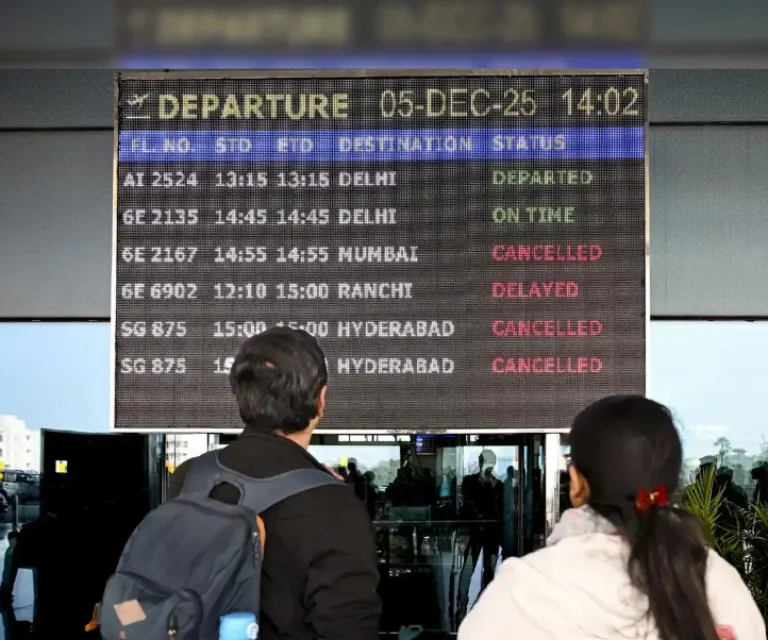
With SpiceJet's operations facing uncertainty, passengers booked on upcoming flights should take extra precautions.
Check flight status frequently: Verify the latest status on the airline's official website or app before leaving for the airport.
Keep booking records handy: Save tickets, boarding details, SMS alerts and email communications.
Avoid tight connections: If possible, leave extra time between connecting flights, especially when travelling on separate tickets.
Know your refund and rebooking options: If a flight is cancelled, check the airline's applicable refund or alternate-flight arrangements.
Keep essential expenses documented: Save receipts for transport, accommodation and other expenses arising from disruptions.
Consider alternatives for time-sensitive travel: If travelling for an examination, medical appointment, wedding or important business commitment, assess alternative airlines before departure.
Passengers should avoid relying solely on the original flight schedule, given the scale of cancellations being reported.
Can SpiceJet Turn Things Around?
SpiceJet's proposed ₹5,500-crore fundraising could be a critical step towards stabilising its operations, but raising capital alone may not solve all of its problems.
The airline will need to restore aircraft availability, settle outstanding obligations, rebuild employee confidence, improve punctuality and demonstrate that it can consistently operate the flights it sells. It will also need to regain passenger trust, which becomes increasingly difficult when travellers face repeated cancellations and uncertainty.
The airline's recovery will depend not only on how much money it raises, but also on how quickly that money translates into operational improvements.
For India's aviation industry, the situation serves as a reminder that financial health and operational reliability are closely connected. An airline's ability to sustain its services depends on maintaining a functioning fleet, supporting employees, meeting contractual obligations and ensuring that passengers receive the services they have paid for.
The Road Ahead for India's Aviation Industry
SpiceJet's current crisis has once again highlighted the vulnerabilities of India's aviation sector, where rising operating costs, financial obligations, aircraft leasing expenses and intense competition can place enormous pressure on airlines.
For passengers, the immediate concern is simple: a booked ticket should translate into a dependable journey. For the airline, the coming weeks could prove decisive in determining whether its fundraising efforts provide enough breathing room to restore operations.
The proposed financial rescue may offer SpiceJet an opportunity to rebuild, but restoring trust will require more than raising money. It will require reliable flights, transparent communication, financial discipline and a renewed commitment to passenger confidence.
Until that happens, SpiceJet passengers may continue to face uncertainty, while the airline's revival remains one of the closely watched developments in India's aviation industry.
Published at
About Author

Atihsin
Subscribe our Newsletter
Get our weekly tips and travel news!
Related Posts
West Bengal: Tagore's Residence Santiniketan Achieves UNESCO World Heritage Status
Santiniketan, a town in West Bengal's Birbhum region where Nobel laureate Rabindranath Tagore spent much of his life, has been added to the UNESCO World Heritage List.
UK Visitor Visa Fee Hiked: What's the New fee?
Planning to visit the United Kingdoms? Watchout for this Hike in Visa Charges. A UK tourist visa for less than six months will cost an additional £1,543 (£ 15), while UK student visas will cost an additional £13,070 (£127) for visitors from all over the w
India Issues Caution for Travel to Canada - Visa suspended
The advisory, issued by the Ministry of External Affairs (MEA), comes amid a diplomatic row between the two countries over allegations that the Indian government may be linked to the extra-judicial killing of a Sikh separatist in Canada.
First snowfall of the season in Gulmarg
As the chilly winds of winter start to sweep across the northern regions of India, Gulmarg, the crown jewel of Jammu and Kashmir, has once again transformed into a breathtaking winter wonderland. Nature's magic was on full display as Gulmarg recently...
Biswanath Ghat: Best tourism village of India 2023
In an exciting announcement, Biswanath Ghat in Assam has been crowned as India's "Best Tourism Village of 2023" by the Ministry of Tourism. This well-deserved recognition is a testament to the village's unique blend of cultural heritage, natural beau...
Latest Posts
Malaysia Visa Rules for Indians in 2027 – Visa-Free Entry, New Rules and Application Process
Malaysia will require Indian travellers to obtain a visa from 1 January 2027. Check the new rules, application dates and travel requirements.
Places Where Tourists Are Not Allowed to Take Photos
From sacred religious sites to historic landmarks, discover places around the world where tourists are forbidden from taking photographs and the reasons behind these restrictions.
Can Indian Tourists Drive in Thailand? What to Know Before Renting a Car
Explore car rental options with Hertz and start planning your next adventure.
12 Best Places to Visit in India in December 2026 for Winter Holidays
Explore the 12 best places to visit in India in December 2026, from snowy hill stations and beautiful beaches to desert adventures and winter festivals.
The World's Most Expensive Tourist Attractions: Places That Come With a Hefty Price Tag
Discover the world's most expensive tourist attractions and explore iconic landmarks, historic sites and extraordinary experiences that come with a hefty admission price.