
Missed the Last Train or Metro in a Foreign City. Here's What to Do

Exploring a foreign city late into the evening can be exciting, until you suddenly realise you've missed the last train or metro. Whether you're returning from sightseeing, dinner, shopping or a night out, being stranded in an unfamiliar city without public transport can quickly turn stressful.
If you find yourself in this situation, don't panic. Missing the last train doesn't necessarily mean you're stuck. With a little planning and the right decisions, you can still get back to your hotel safely without spending a fortune.
1. Check If There Is Another Route
Before assuming all public transport has stopped, check the city's official transport app or Google Maps. Some cities operate late-night buses, night routes, airport shuttles or alternative train services even after the main metro line closes.
You may also find that another nearby station has a different closing time or that a connecting service is still operating.
Check for:
Night buses or overnight routes
Airport buses, if you're travelling towards the airport
Other metro lines that operate later
Nearby railway stations with different operating hours
Late-night public transport services on weekends
A few minutes of checking could save you a costly taxi ride.
2. Book a Taxi or Ride-Hailing Service
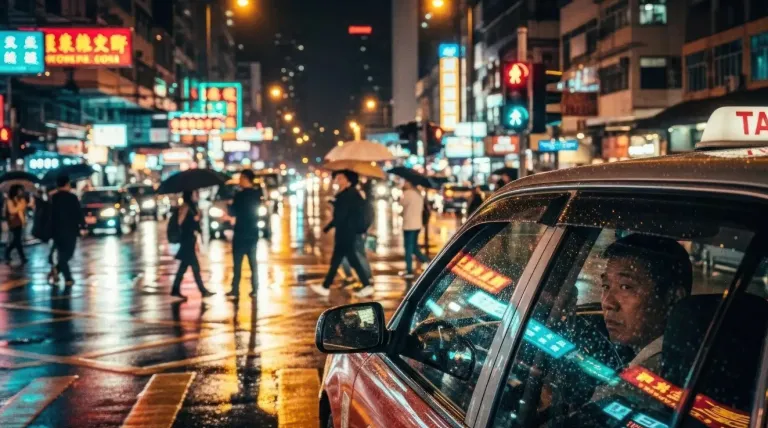
If public transport is no longer available, a licensed taxi or ride-hailing service is usually the most practical option.
Depending on the city, services such as Uber, Bolt, Grab, Lyft or local taxi apps may be available. Before booking, compare the fare estimates if possible and make sure the pickup point is accessible.
If prices are unusually high because of late-night demand, wait in a safe, well-lit area and check whether the fare drops after a few minutes.
Safety tip: Use official apps or licensed taxi stands, verify the vehicle registration and driver details, and avoid accepting unsolicited rides from strangers offering transport outside stations.
3. Look for a Nearby Hotel or Hostel
If your accommodation is far away and taxi fares are extremely expensive, staying closer to your current location for the night may be a better option.
Search for nearby:
Budget hotels
Hostels
Capsule hotels
Airport hotels
24-hour accommodation or reception
Sometimes paying for a basic room nearby is cheaper and safer than travelling across the city at an expensive late-night rate.
If you're travelling solo, prioritise a well-reviewed property with a staffed reception and a secure entrance rather than choosing the cheapest option in an unfamiliar neighbourhood.
4. Ask Station Staff or Security for Help
If you're still at the station, speak to transport staff, security personnel or police before leaving the premises. They may be able to tell you about alternative transport, nearby taxi stands, night buses or safe waiting areas.
Some major stations have designated waiting zones, staffed information desks or emergency assistance points. If you're unfamiliar with the area, local staff can help you understand which options are safest.
Avoid wandering around outside the station searching for transport, especially if the streets are deserted or the area feels unsafe.
5. Stay Somewhere Safe While Making a Plan

Your first priority should be safety, not getting back as quickly as possible.
If you need time to figure out your next move:
Stay inside a well-lit, staffed area if it is still accessible.
Keep your luggage and valuables close to you.
Avoid isolated streets, parks and deserted shortcuts.
Share your live location with someone you trust.
Keep your phone charged and conserve battery if necessary.
If the station closes completely, move towards a nearby open hotel lobby, 24-hour café, convenience store or other staffed public place. Don't assume every café or establishment will allow you to stay overnight.
6. If Your Phone Battery Is Dying, Prioritise It
Being stranded in a foreign city with a dead phone can make an already difficult situation much worse. Your phone is your map, translator, booking tool and communication lifeline.
If your battery is low:
Turn on battery saver mode.
Reduce screen brightness.
Close unnecessary apps.
Download or screenshot your hotel address and booking details.
Save your emergency contacts and transport details.
Ask a hotel, café or staffed establishment if you can safely charge your phone.
If possible, keep a power bank with you whenever you're exploring a city, especially during long sightseeing days.
7. Don't Assume the Station Is Safe to Sleep In
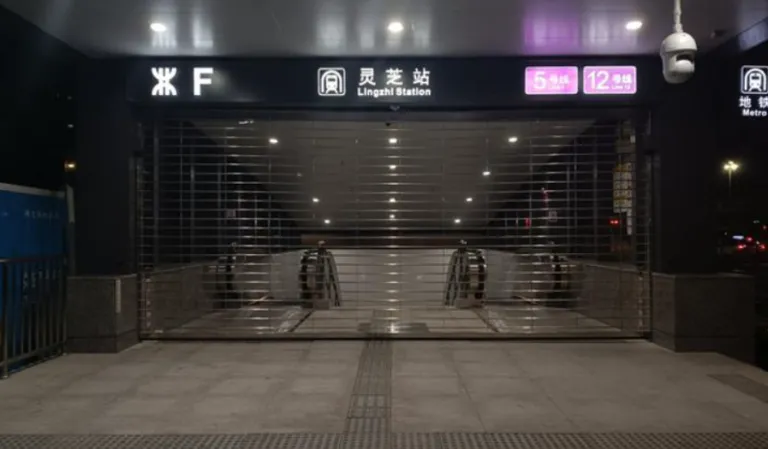
It may seem tempting to sit in the station until morning, but many stations close completely, clear passengers out or restrict access after operating hours.
Sleeping in a station can also leave you vulnerable to theft, security issues or uncomfortable situations, particularly when you're travelling alone.
Unless the station officially permits overnight waiting and has a secure designated area, look for a safer alternative such as a hotel, staffed transport hub or 24-hour public establishment.
8. Contact Your Hotel Before Making a Decision
If you are staying in a hotel, contact the property before spending money on another accommodation or travelling somewhere unfamiliar.
Ask whether:
Reception is open 24 hours.
They can help arrange a trusted taxi.
There is a safe pickup location nearby.
They have any late-night check-in instructions.
If your hotel is outside the city centre or in an area difficult to access at night, the staff may be familiar with local transport options and trusted taxi services.
9. Know When to Contact Emergency Services
If you feel threatened, are being followed, are stranded in an unsafe location or cannot find a safe place to go, contact the local emergency services immediately.
Do not hesitate to seek help from police officers, station security, airport staff, hotel staff or other official personnel.
If you are travelling internationally and face a serious situation, your country's embassy or consulate may also be able to provide guidance, particularly if you've lost your documents or are facing an emergency.
What If You're in a City Where You Don't Speak the Language?
This can make the situation more intimidating, but you don't need to speak the local language fluently to ask for basic help.
Use a translation app to communicate simple phrases such as:
"The last train has left. How can I get to my hotel?"
"Is there a safe taxi nearby?"
"Where is the nearest hotel?"
"Can you help me call a taxi?"
"Is this area safe to wait?"
Keep your hotel address saved in the local language, preferably as a screenshot, so you can show it to a taxi driver or local staff without needing an internet connection.
How to Avoid Missing the Last Train or Metro
A little preparation can prevent a late-night travel problem from becoming a stressful experience.
Check the last train timings in advance: Don't rely on Google Maps alone. Verify the final departure using the official transport website or app.
Set an alarm: If you're sightseeing or dining late, set a reminder 30–45 minutes before the last train.
Know your alternative: Save a taxi app and check whether night buses operate in the city.
Keep some emergency money: Have a backup payment method in case your card, app or internet connection fails.
Save your hotel location offline: Download maps and keep the address accessible without internet.
Keep your phone charged: A power bank can be extremely useful when travelling late.
Avoid leaving everything to the last minute: Reach the station before the final departure rather than depending on the last possible connection.
The Bottom Line
Missing the last metro or train in a foreign city can feel overwhelming, especially when you don't know the language, the neighbourhood or how to get back to your accommodation. But the safest solution is rarely to panic or wander around hoping to find transport.
Check for alternative routes, use verified taxis, seek help from station staff and prioritise staying somewhere safe and well-lit. A little extra expense or a change in plans is far better than taking unnecessary risks in an unfamiliar city.
When travelling abroad, flexibility is just as important as having an itinerary - because sometimes, the most important part of a journey is knowing what to do when things don't go according to plan.
Published at
About Author

Atihsin
Subscribe our Newsletter
Get our weekly tips and travel news!
Related Posts
Budget-Friendly European Destinations for Indian Travelers in 2023
Europe is renowned for its extraordinary beauty. The continent provides some exceptional experiences that no other continent can under any circumstances provide. Travelers from around the world find Europe to be even more fascinating because of its n...
Exploring Russia on a Budget: Essential Travel Tips for Affordable Trips
Russia, the largest country on Earth, is a land of incredible diversity, from historic cities like Moscow and St. Petersburg to the vast wilderness of Siberia. While it may not be the first destination that comes to mind for budget travelers, explori...
10 Budget-Friendly International Destinations for Indian Travelers
Discover amazing destinations that won't break the bank! Check out our top picks for budget-friendly international travel experiences for Indian adventurers.
15 Best Affordable Destinations in India 2023
For those on a tight budget, India provides a wide variety of beautiful scenery, delectable cuisine, and entertaining activities. There are many vacation spots that mix natural beauty, cultural legacy, and leisure from the North to the South.
Budget Travel: Cost of Travelling in India 2023
India is a popular tourist destination. It provides experiences at reasonable costs for all different sorts of vacationers, from luxury tourists to those on a budget.
Latest Posts
Why Do Airports Have So Many Duty-Free Shops
Airports are packed with duty-free stores for more than just passenger convenience. Discover how tax savings, passenger behaviour, luxury brands and airport revenue strategies make duty-free shopping a major part of the travel experience.
Etihad Airways is highlighting eight international destinations for Indian travellers, including Calgary, Gothenburg, Chicago, Boston, Charlotte, Washington DC, Munich and Milan.
How Much Money Should You Carry When Travelling Abroad
Wondering how much money to carry abroad? Learn how to balance cash, cards and emergency funds so you can travel internationally without financial stress.
Countries That Pay You to Visit or Move There: Places That Actually Offer Money to New Residents
Discover 7 places around the world that offer money, grants, or financial support to attract new residents.
Cheapest International Destinations to Visit from India in January 2027
Looking for an affordable international holiday? Explore 10 budget-friendly countries to visit from India in January 2027, including Nepal, Sri Lanka, Thailand and Vietnam.