
Why Do Airports Have So Many Duty-Free Shops
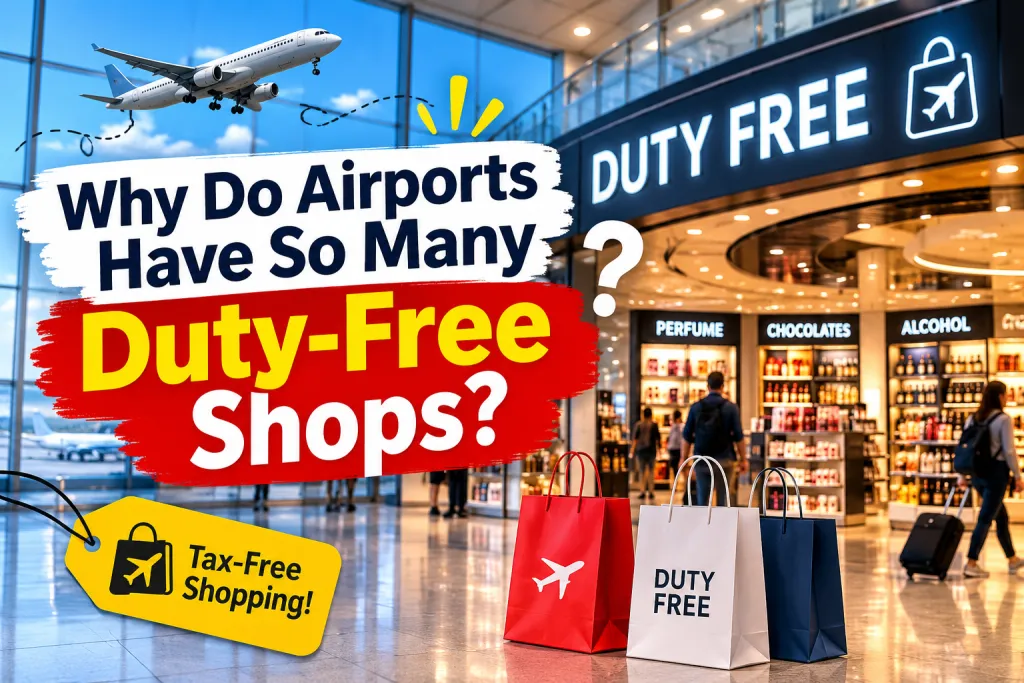
Have you ever noticed that airports are filled with duty-free shops selling perfumes, chocolates, cosmetics, alcohol, watches, sunglasses and luxury goods? Whether you're waiting for your flight or walking towards your boarding gate, these stores seem to be everywhere. But their presence is not just about shopping convenience - it is a carefully designed business strategy that benefits airports, retailers and travellers alike.
Duty-free shopping is one of the biggest commercial features of international airports, turning passenger waiting time into a major retail opportunity.
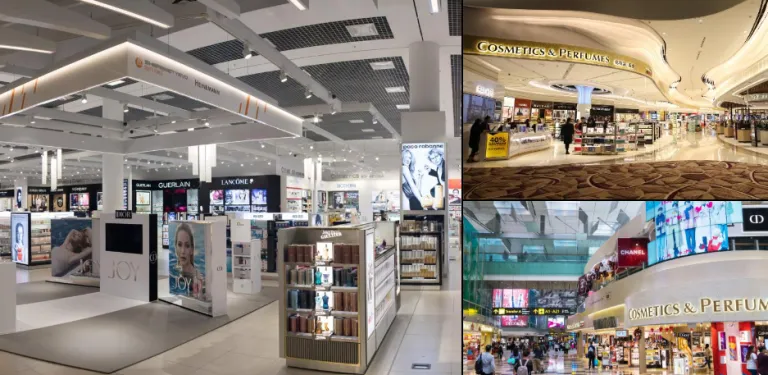
What Exactly Is Duty-Free Shopping?
Duty-free shops sell certain products without some of the taxes and duties that would normally be charged in a domestic retail market. These stores are generally located in international travel zones, where eligible passengers can purchase goods while travelling across borders.
Depending on the country, products such as perfumes, cosmetics, chocolates, alcohol, tobacco and luxury accessories may be available at duty - free prices.
However, duty-free doesn't always mean the cheapest. Prices can vary depending on the brand, currency exchange rates, promotions and local retail prices.
1. Airports Have a Captive Audience
Unlike shopping malls, airports have a unique advantage: passengers often have time to spare and limited alternatives.
Travellers usually arrive early, wait through security, spend time between connecting flights or remain in terminals during delays. With limited entertainment and shops nearby, browsing becomes an easy way to pass the time.
Retailers take advantage of this waiting period by placing stores along passenger routes, making shopping almost unavoidable for those walking through the terminal.
2. Duty-Free Shopping Generates Huge Revenue
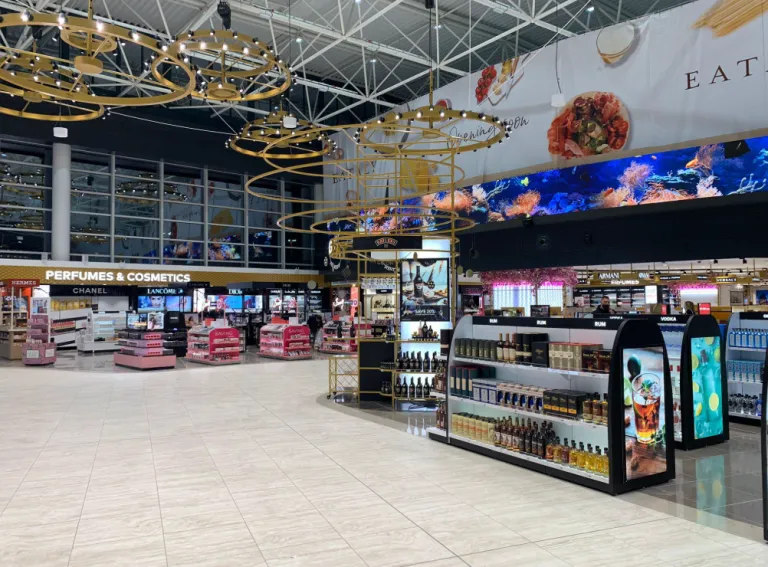
Airports earn money not only from airlines and passenger fees but also from commercial activities. Duty-free shops, restaurants, cafés and retail outlets contribute significantly to their revenue.
In many airports, retailers pay rent, concession fees or a percentage of their sales to operate inside the terminal. This means every purchase made by a passenger can contribute to the airport's business income.
For major international airports, retail spaces can be among the most valuable commercial locations in the entire airport.
3. Tax Savings Make Certain Products Attractive
One of the biggest attractions of duty-free shopping is the possibility of lower prices due to reduced taxes and customs duties.
Products such as perfumes, premium cosmetics, liquor and tobacco can carry substantial taxes in some countries. Removing certain duties can make these products attractive to international travellers.
This is why duty-free shops often focus on high-value products that are easy to carry, gift or purchase for personal use.
However, the actual savings depend on the product and destination. Some items may be cheaper at regular stores, during online sales or through local promotions.
4. Travellers Are More Likely to Make Impulse Purchases
Airports are designed around movement, but they also encourage spending.
Eye-catching displays, limited-edition packaging, attractive gift sets, promotional offers and premium brands are positioned strategically to catch the attention of travellers.
A person who originally planned to buy nothing may suddenly purchase a perfume, a box of chocolates or a souvenir after seeing it displayed near their boarding gate.
The combination of free time, holiday excitement and the feeling of being in a special travel environment makes impulse shopping more common.
5. Airports Earn Money Even When You Don't Buy a Flight Ticket
Airports are expensive to operate. They require constant maintenance, security systems, infrastructure upgrades, electricity, staffing and passenger facilities.
Airline-related charges alone may not always be enough to cover these costs or keep airport operations financially sustainable. Retail and duty-free sales provide airports with an additional source of income that helps support their operations and development.
In fact, commercial revenue is an important part of the modern airport business model, which is why airports invest heavily in retail spaces and passenger shopping experiences.
6. Duty-Free Shops Promote Luxury Brands to International Customers
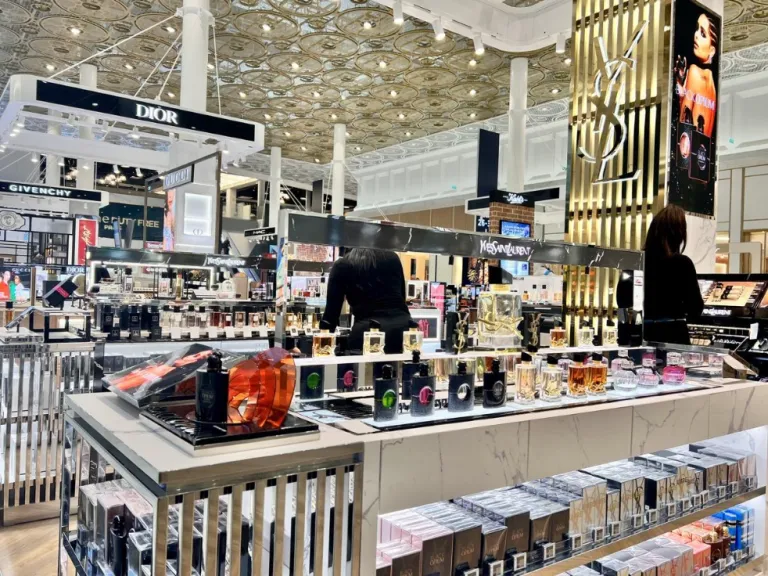
Airports bring together travellers from different countries, cultures and income groups, making them an attractive marketplace for international brands.
Luxury brands use airport stores to reach customers who may be travelling for leisure, business or special occasions. Many duty-free stores also offer exclusive travel editions, gift sets, special packaging and limited collections that are not always available in regular stores.
For brands, airports are more than retail outlets - they are an opportunity to build visibility, attract international customers and introduce products to a global audience.
7. Shopping Is Designed Around the Passenger's Journey
Duty-free stores are not placed randomly. Their locations are carefully planned around passenger movement.
Many airports position retail stores after security checks, along routes leading towards departure gates, or near areas where passengers naturally slow down and wait.
This allows travellers to shop without having to leave the terminal or make a separate trip to a shopping centre. Some airports also allow passengers to pre-order duty-free products online and collect them before boarding, making the experience even more convenient.
8. Why Are There So Many Perfume, Chocolate and Alcohol Shops?
These products are particularly suited to airport shopping because they are:
Easy to carry: Most products fit conveniently into hand luggage or checked baggage.
Popular as gifts: Chocolates, perfumes and premium beverages are common souvenirs and presents.
High-value: Small products can generate significant sales without requiring large retail spaces.
Brand-driven: Travellers often prefer purchasing familiar brands, especially when buying gifts.
Suitable for impulse purchases: Attractive packaging and promotional bundles make them easy to buy on the spot.
This makes them ideal products for a retail environment where customers have limited time and luggage space.
Can Duty-Free Shopping Actually Be Cheaper?
Not always. Although duty-free shops offer tax advantages on certain products, the final price depends on several factors, including the country, brand, exchange rate, retail pricing and promotional offers.
Some perfumes, chocolates, cosmetics and luxury products may be cheaper at duty-free stores, while others may cost less at regular retail outlets or online.
Travellers should also remember that duty-free purchases are subject to customs allowances in the country they are entering. Buying duty-free does not automatically mean you can carry unlimited quantities across borders.
The Bottom Line
Airports have so many duty-free shops because they are one of the most profitable ways to turn passenger traffic into commercial revenue. Travellers have time to spare, brands have access to an international audience, and airports earn money through retail partnerships, concessions and shopping activity.
What appears to be just a convenient shopping experience is actually a carefully planned business ecosystem. Every store, display and product placement is designed to make the most of the time passengers spend inside the airport - and sometimes, even a quick walk to the boarding gate turns into an unexpected shopping spree.
Published at
About Author

Atihsin
Subscribe our Newsletter
Get our weekly tips and travel news!
Related Posts
Singapore Airlines First Class Cabin Experience: A Luxurious Journey
Singapore Airlines is known for its excellent customer service and luxurious cabin experiences, and its first class cabin is no exception.
What is Air India First Class and Business Class is like?
Air India is the national carrier of India and offers a variety of cabin classes, including First Class and Business Class. These two classes offer passengers a luxurious and comfortable travel experience.
15 Must-Visit Shopping Destinations in India 2023
India, a land of diverse cultures and traditions, is also a paradise for shopaholics. The country is a treasure trove of unique, handcrafted, and culturally rich items that cater to every shopper's preferences.
The Ultimate Shopping Guide to Jaipur India 2023
If you're planning a trip to Jaipur in 2023, make sure you don't miss the ultimate shopping experience. In this shopping guide, we'll take you through the best places to shop and what to buy in Jaipur, India.
Top 10 Cheap Shopping Places in Delhi for Shopaholics
In this guide, we'll walk you through the top 10 cheap shopping places in Delhi, where you can snag the latest fashion, unique handicrafts, and electronics—all without denting your wallet.
Latest Posts
Etihad Airways is highlighting eight international destinations for Indian travellers, including Calgary, Gothenburg, Chicago, Boston, Charlotte, Washington DC, Munich and Milan.
How Much Money Should You Carry When Travelling Abroad
Wondering how much money to carry abroad? Learn how to balance cash, cards and emergency funds so you can travel internationally without financial stress.
Countries That Pay You to Visit or Move There: Places That Actually Offer Money to New Residents
Discover 7 places around the world that offer money, grants, or financial support to attract new residents.
Cheapest International Destinations to Visit from India in January 2027
Looking for an affordable international holiday? Explore 10 budget-friendly countries to visit from India in January 2027, including Nepal, Sri Lanka, Thailand and Vietnam.
Ayodhya to Janakpur Train 2026 – Route, Stations, Timings and Ticket Details
The Saryu-Kamala Express connects Ayodhya and Janakpur Dham from November 28, 2026. Check the route, stations, weekly timings and ticket details.