
How Much Money Should You Carry When Travelling Abroad
Travelling to another country is exciting, but managing money in a foreign destination can be confusing. From paying for meals and transportation to shopping, emergencies, and sightseeing, having the right amount of money on hand can make your trip much more comfortable. Carry too little, and you may find yourself struggling to make payments. Carry too much cash, and you risk losing it or having it stolen.
So, how much money should you actually carry when travelling abroad? The answer depends on your destination, travel duration, spending habits, and how easily you can access money while travelling.
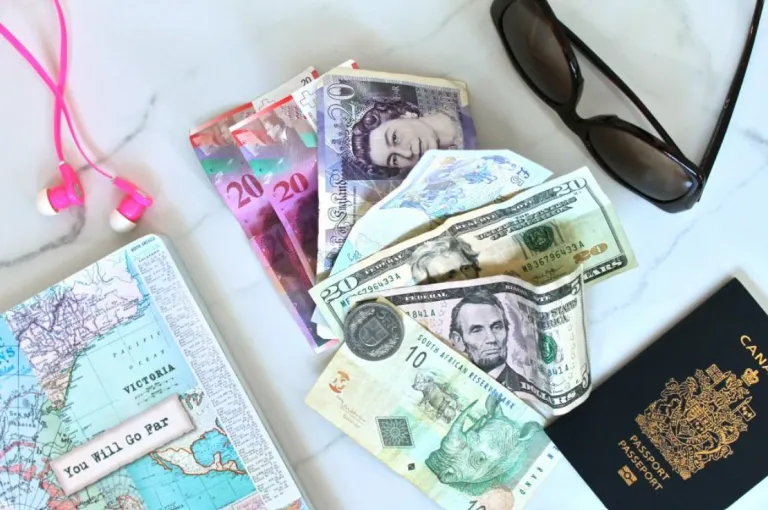
How Much Cash Should You Carry Abroad?
For most international travellers, carrying enough local currency for the first one or two days of expenses, along with an emergency cash reserve, is a sensible approach. You don't necessarily need to carry your entire travel budget in cash.
A general estimate for daily spending money, excluding flights and hotel bookings, is:
Type of destination | Estimated daily spending |
Budget destinations | 30 - 50 |
Mid-range destinations | 60 - 120 |
Expensive destinations | 150 - 250+ |
These amounts can vary significantly depending on the country, lifestyle, food choices, shopping plans, and activities.
For a week-long trip, carrying around 200 - 500 worth of cash in local currency or a widely accepted currency, while keeping the remaining budget accessible through cards, can be practical for many travellers.
Why You Shouldn't Carry All Your Money in Cash
Carrying your entire travel budget in cash might seem convenient, but it comes with risks. Losing your wallet, misplacing your bag, or having cash stolen could leave you without access to your money.
Instead, divide your travel funds into different forms of payment:
Cash: For taxis, small shops, local markets, tips and places that don't accept cards.
Debit or credit card: For hotels, restaurants, shopping malls and larger payments.
Emergency reserve: Kept separately from your everyday wallet for unexpected situations.
This way, losing one source of money won't disrupt your entire trip.
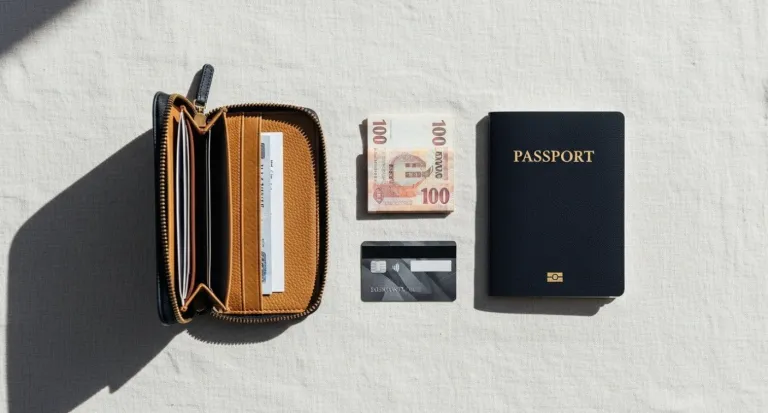
Cash vs. Cards: What Works Better Abroad?
Both cash and cards have their advantages, and the best option is usually to use a combination of the two.
Payment method | Best used for |
Cash | Street food, local transport, markets and small purchases |
Credit card | Hotels, shopping, restaurants and emergencies |
Debit card | ATM withdrawals and everyday spending |
Forex card | Managing foreign currency with potentially more predictable exchange rates |
In many major cities, card payments are widely accepted. However, in smaller towns, local markets, remote areas, or certain countries, cash may still be essential.
How Much Cash Should Indians Carry When Travelling Abroad?
For Indian travellers, it is useful to exchange a small amount of currency before departure so that you have money for immediate expenses after landing.
A practical starting point could be:
Short trip (3- 4 days): ₹10,000 - ₹20,000 worth of foreign currency
Week-long trip: ₹15,000-₹30,000 worth of foreign currency
Longer trip: Carry enough cash for a few days and rely on cards or secure ATM withdrawals for the rest.
These are suggested cash reserves, not total trip budgets. Your actual requirement will depend on whether accommodation, meals, transfers and activities are already paid for.
Also, check the foreign exchange rules applicable to Indian residents before carrying currency overseas, particularly if you are carrying substantial amounts of cash.
Keep Some Money for Emergencies
Unexpected expenses are a part of travelling. You might need to pay for an extra taxi, replace a lost item, buy medicines, change accommodation, or deal with a delayed flight.
Keeping an emergency fund equivalent to at least one or two days of expenses can be helpful. Store it separately from your regular wallet, preferably in a secure place in your luggage or hotel safe.
It's also a good idea to keep an emergency credit card or backup debit card separate from your primary payment method.
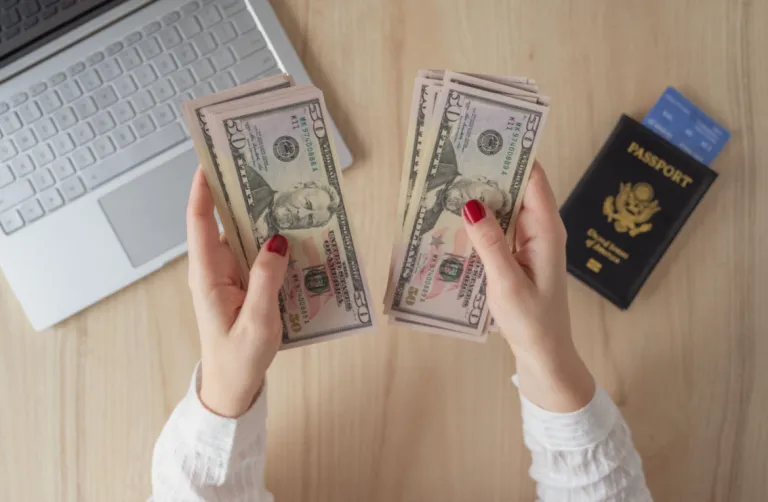
Things to Check Before Carrying Foreign Currency
Before travelling, a few simple checks can help you avoid unnecessary fees and money-related problems.
Check exchange rates: Compare currency exchange providers instead of exchanging money at the airport, where rates may be less favourable.
Inform your bank: Check whether your card will work internationally and whether international transactions are enabled.
Understand ATM fees: Foreign withdrawals may involve charges from both your bank and the ATM operator.
Avoid carrying all your money in one place: Split your cash between your wallet, luggage and a secure emergency reserve.
Know local payment habits: Some countries are highly cashless, while others still rely heavily on cash.
What If You Run Out of Cash Abroad?
Running out of cash doesn't necessarily mean you're stranded. In most destinations, you can withdraw local currency from ATMs using an internationally enabled debit card, use a credit card for payments, or arrange a transfer through a trusted service if needed.
However, it's always better to have a backup plan before you leave. Keep your bank's contact details, card-blocking numbers, and emergency contact information accessible offline.
Final Thoughts
When travelling abroad, the goal isn't to carry as much money as possible but to carry enough to feel prepared. A modest amount of local currency, a reliable card, and a separate emergency reserve can help you manage most travel situations without unnecessary stress.
Plan your spending before you leave, keep your money in more than one place, and avoid carrying your entire travel budget in cash. A little preparation can make the difference between worrying about every expense and enjoying the journey.
Published at
About Author

Atihsin
Subscribe our Newsletter
Get our weekly tips and travel news!
Related Posts
Travel Essentials You Must Buy To Save Money
Many of us love preparing for a trip by going to a mall and buying travel essentials we think we’ll certainly be needing. But, think about it: How much have you actually spent on all your pre-trave...
Travel Guide to Dubai from India 2023
Welcome to the enchanting realm of Dubai, where ancient traditions seamlessly blend with futuristic marvels. In this comprehensive travel guide, we embark on a captivating journey from India to the dazzling desert metropolis of Dubai. From informatio...
Here’s why Travelling Cheap Can Completely Ruin a Trip
Let’s face it: No matter how budgeted your trips are, they will inevitably cause a noticeable dent in your pocket. We believe it pays to travel thriftily — this makes it possible for all kinds of t...
What to Expect When Travelling to London: Expectations vs Reality
Given the increasing migration inflow to London every year, the defining features of London as a place of endless job opportunities, stunning architecture, and history, as well as the alluring Brit...
What to Expect When Travelling to Nepal: Expectations vs. Reality
What comes to your mind when you first think about Nepal? Majestic views of the sunrise against the snow capped peaks of the Himalayan mountains, rows of colorful prayer flags fluttering in the cri...
Latest Posts
Countries That Pay You to Visit or Move There: Places That Actually Offer Money to New Residents
Discover 7 places around the world that offer money, grants, or financial support to attract new residents.
Cheapest International Destinations to Visit from India in January 2027
Looking for an affordable international holiday? Explore 10 budget-friendly countries to visit from India in January 2027, including Nepal, Sri Lanka, Thailand and Vietnam.
Ayodhya to Janakpur Train 2026 – Route, Stations, Timings and Ticket Details
The Saryu-Kamala Express connects Ayodhya and Janakpur Dham from November 28, 2026. Check the route, stations, weekly timings and ticket details.
From narrow mountain tracks and cliffside highways to roads swallowed by the sea, discover the world's most dangerous roads that challenge even experienced drivers.
Countries With Unusual Driving Rules: Laws That Can Surprise Tourists
From strict motorway rules in Germany to unexpected driving laws in Japan, discover unusual road regulations around the world that can surprise tourists.