
Countries That Pay You to Visit or Move There: Places That Actually Offer Money to New Residents
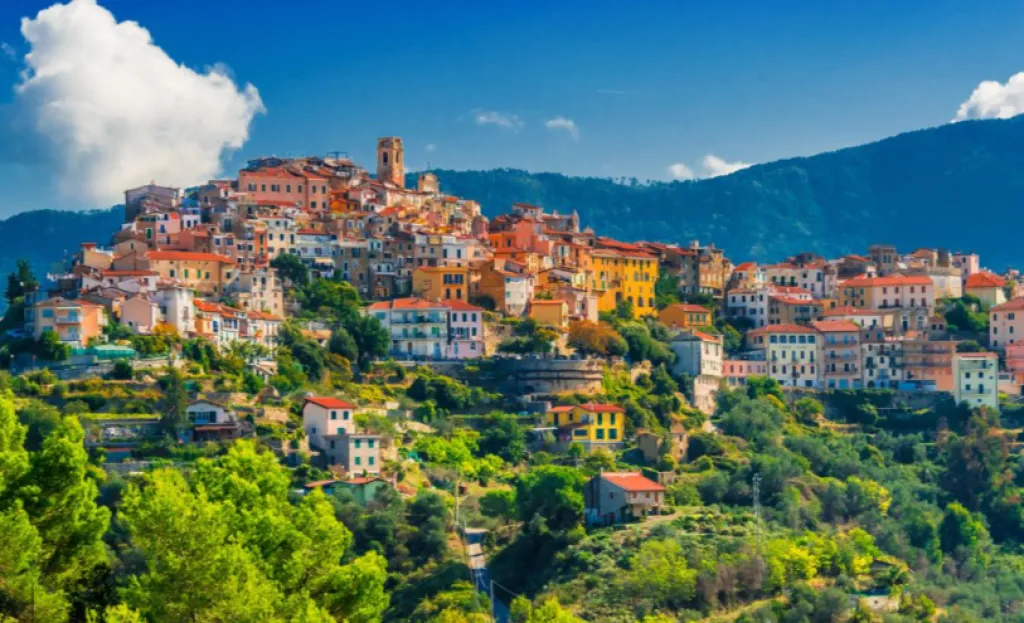
Imagine moving to a beautiful European village, settling near the mountains, or starting a new life on a peaceful island-and receiving financial help for doing so. It may sound too good to be true, but several countries and regions around the world offer genuine financial incentives to attract new residents.
From Italian villages offering grants to people who purchase homes to Irish islands supporting property restoration, these programmes are designed to bring life back to communities struggling with declining populations.
However, there is a catch: you usually cannot simply arrive as a tourist and collect money. Most schemes require applicants to live in a particular location, buy or renovate a property, work remotely, start a business, or stay for several years.
Here are some interesting places that offer financial incentives to people willing to make the move.
1. Italy - Get Financial Help to Move to a Small Village
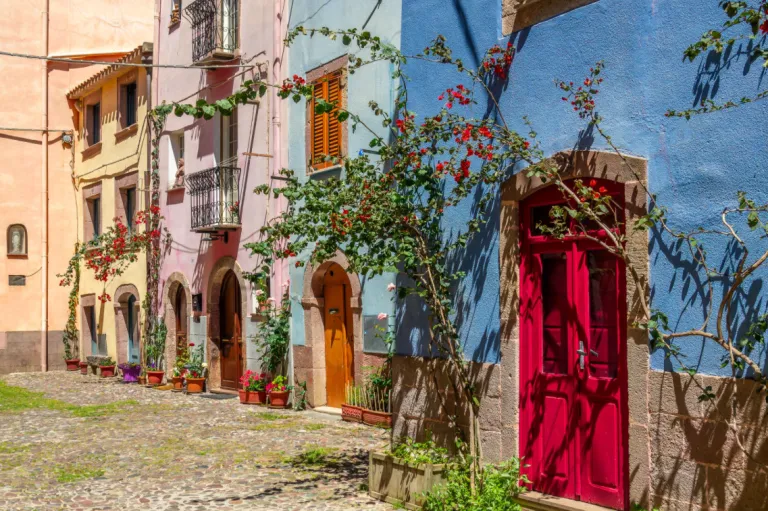
Italy is famous for its picturesque villages, historic buildings, delicious food, and relaxed lifestyle. But many smaller communities are facing population decline as younger residents move to bigger cities.
To attract new people, some Italian regions have introduced financial incentives.
For example, Sardinia has a programme supporting people who purchase or renovate their first home in smaller municipalities with populations of up to 5,000. Eligible applicants can receive up to €15,000, subject to programme conditions and available municipal funding.
Some Italian villages have also experimented with grants for people willing to start businesses and establish permanent residency.
The catch: You generally need to make the property your primary residence, meet local requirements, and fulfil the relevant residency conditions. These offers are not automatically available throughout Italy.
2. Ireland - Receive Up to €84,000 for Renovating an Old Property
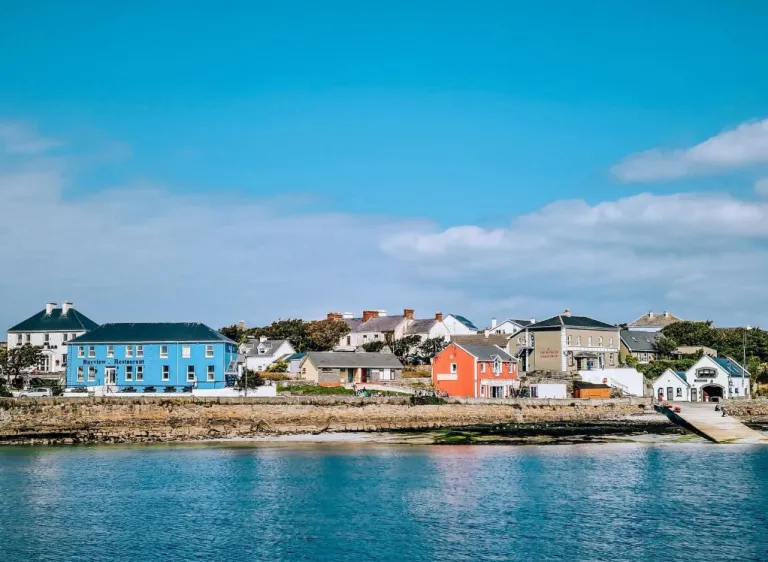
Would you consider living on a peaceful Irish island surrounded by the ocean?
Ireland has introduced an initiative to encourage people to restore vacant and derelict properties on selected offshore islands.
Under its Vacant Property Refurbishment Grant, eligible applicants can receive up to €50,000 for renovating a vacant property and up to €70,000 for a derelict property. An additional island incentive can raise these maximum amounts to €60,000 and €84,000 respectively.
The aim is to bring abandoned homes back into use and encourage more people to settle in island communities.
The catch: This is a renovation grant, not free money for moving. You must qualify for the scheme, own or acquire an eligible property, and complete approved renovation work. You also need to arrange your own immigration permission if required.
3. Switzerland - A Mountain Village That Offers Money to New Residents
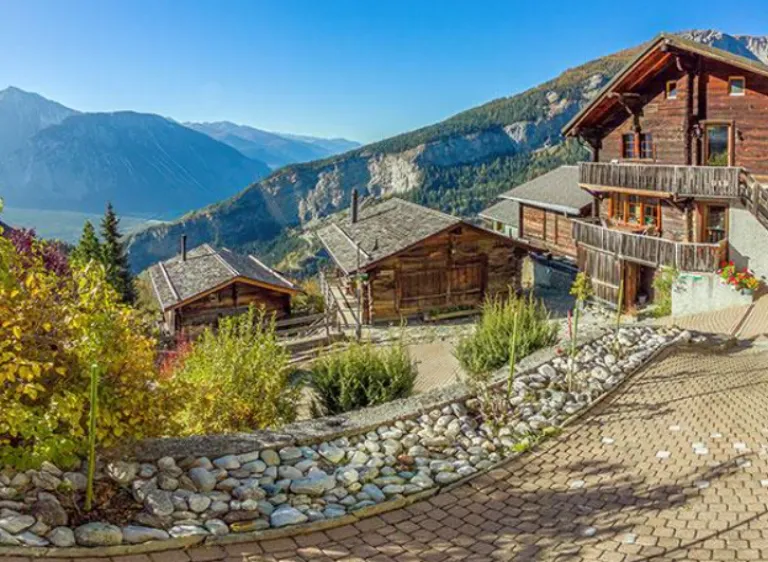
Switzerland is known for its beautiful Alpine landscapes, clean surroundings, and high standard of living. One of its most interesting relocation initiatives comes from the small village of Albinen.
The village has offered eligible residents CHF 25,000 per adult and CHF 10,000 per child to encourage families to settle there.
It sounds like an attractive opportunity, especially for people dreaming of living in a peaceful mountain community.
However, the eligibility conditions are strict. Applicants generally need to be under 45, purchase or build a qualifying primary residence worth at least CHF 200,000, and commit to living in the village for ten years.
Foreign applicants also need the required Swiss settlement status.
The catch: This is not a scheme that allows anyone from abroad to move to Switzerland and receive money. The residency and property requirements make it a long-term commitment.
4. Portugal - Financial Support for Moving to Rural Areas
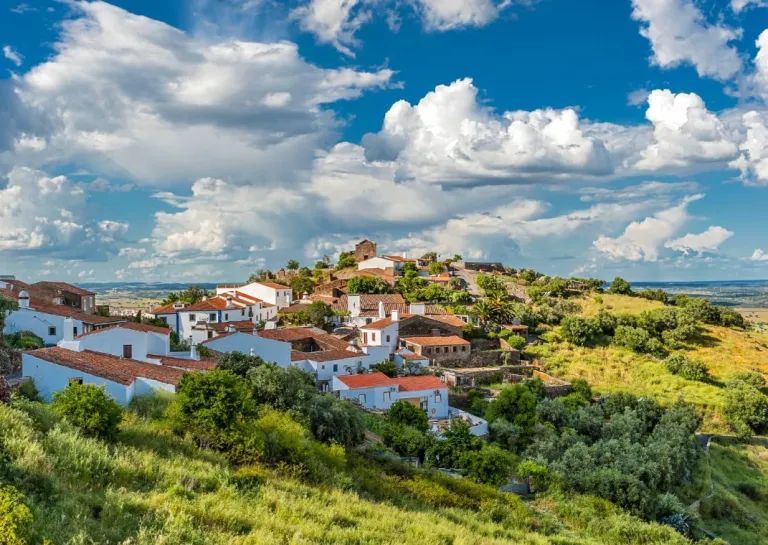
Portugal has become a popular destination for remote workers, retirees, and people looking for a slower lifestyle.
But while cities such as Lisbon and Porto attract many newcomers, smaller inland communities need more residents and workers.
Portugal's Emprego Interior MAIS programme provides financial support to eligible workers who relocate their habitual residence to designated interior areas.
The programme can cover people taking up qualifying employment, transferring professional activities, becoming self-employed, or establishing businesses. Certain remote workers may also qualify.
The amount depends on the type of work and circumstances. Additional support may be available for family members relocating together and for transporting household belongings.
The catch: You must meet the programme's employment and relocation conditions, and the destination must be an eligible interior area. It is not an automatic payment for every foreigner moving to Portugal.
5. Japan - Get Financial Support for Moving Away from Tokyo
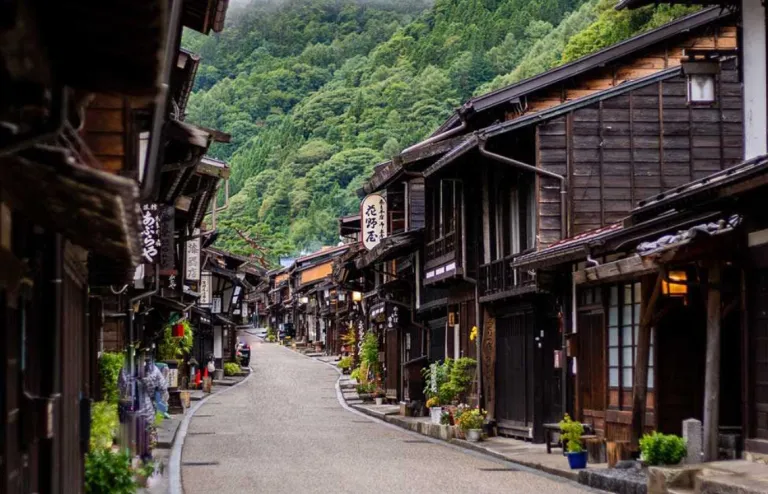
Japan has a fascinating problem: while Tokyo continues to attract people, many rural communities are losing residents.
To address this, Japan operates regional relocation support programmes that encourage eligible people to move from the Tokyo metropolitan area to participating rural regions.
Depending on the programme and family circumstances, eligible applicants may receive financial support for relocating. Additional assistance can be available for families with children.
The purpose is to encourage people to settle outside major metropolitan areas, find work, or establish businesses in smaller communities.
The catch: These schemes are mainly aimed at people who meet specific residence and employment conditions connected to the Tokyo metropolitan area. They are not general cash offers for international tourists or anyone arriving from abroad.
7. United States - Get Paid to Work Remotely from a New City
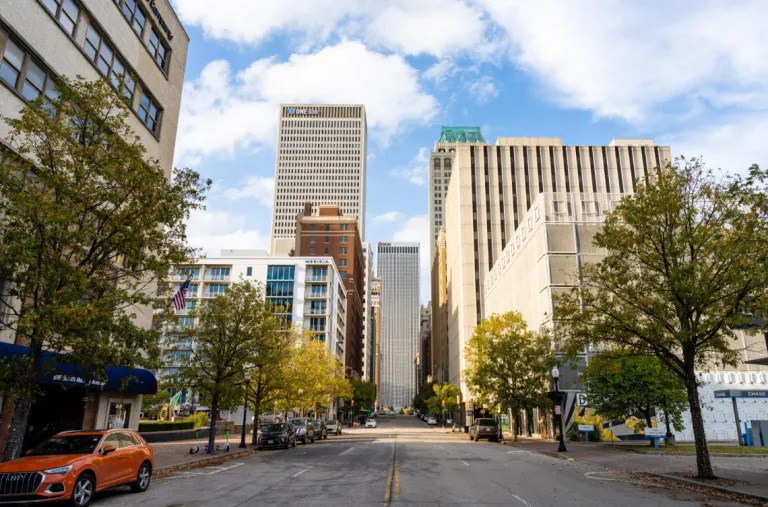
The United States also has some interesting relocation incentives, particularly for people who work remotely.
One well-known example is Tulsa Remote in Oklahoma. It has offered eligible remote workers a financial incentive of $10,000 to relocate to Tulsa and become part of its local community.
The programme is designed to attract talented professionals, entrepreneurs, and remote workers who can contribute to the city's economy.
Other American communities have introduced similar initiatives to attract professionals and families.
The catch: These are city-level programmes, not nationwide relocation offers. Applicants must meet employment, residency, and other eligibility requirements. Having permission to work in the United States is also essential.
Why Are These Places Paying People to Move?
You might wonder why governments and small communities would offer money to attract residents.
The reasons are quite practical:
Declining populations: Many rural towns are losing young people who move to major cities.
Abandoned houses: Empty properties can damage local communities and historic neighbourhoods.
Worker shortages: Smaller regions need teachers, healthcare workers, entrepreneurs, and skilled professionals.
Economic growth: New residents bring spending power, businesses, skills, and fresh ideas.
Keeping communities alive: More residents help support schools, shops, public transport, and local services.
In other words, these programmes are investments in the future of communities rather than simply gifts to newcomers.
Things to Know Before Applying
Before packing your bags and planning an international move, remember these important points:
Check visa requirements: A relocation grant does not automatically give you permission to live or work in another country.
Read the conditions carefully: Some programmes require you to remain in the location for five or even ten years.
Calculate the actual costs: Property renovation, taxes, insurance, transport, and living expenses can be substantial.
Check whether applications are open: Some schemes operate for limited periods or have restricted funding.
Understand the payment method: Some programmes offer cash, while others reimburse approved expenses after you spend your own money.
Avoid social media scams: Never pay an unknown agent who promises guaranteed relocation grants or free houses.
Final Thoughts
The idea of getting paid to move to another country sounds like a dream, but it is becoming an interesting way for smaller communities to attract new residents.
From the peaceful villages of Italy to the beautiful islands of Ireland and the mountain landscapes of Switzerland, these initiatives offer opportunities for people who are genuinely interested in starting a new life somewhere different.
However, it is important to understand that most of these incentives are location-specific and come with strict conditions. They are not free holidays or payments handed out to tourists.
So, if you have ever dreamed of moving abroad, perhaps the most interesting opportunity isn't in a crowded capital city. It could be waiting in a small village that simply needs more people to call it home.
Would you consider moving to a quiet foreign village if the government helped pay for it?
Note: Programme amounts and eligibility rules can change. Always check the official government or local authority website before making relocation or property decisions.
Published at
About Author

Atihsin
Subscribe our Newsletter
Get our weekly tips and travel news!
Related Posts
A spotlight on Over-tourism: Explained
A spotlight on Overtourism: Challenges & solutions in Japan, Croatia & India. Promoting off-season travel, limiting visitor numbers, and fostering community involvement offer pathways to mitigate its impacts.
How to be a Responsible Traveler This World Environment Day 2025
Practical tips for sustainable choices in accommodation, transport, and local engagement, minimizing your impact and preserving our planet for future generations.
World Environment Day 2025: Why Sustainable Tourism Matters More Than Ever
Sustainable tourism is crucial!
Yoga Day 2025: Easy Yoga to Rejuvenate Your Body and Mind at Your Desk
Desk job fatigue? This International Yoga Day, learn simple, India-inspired yoga poses and exercises to revitalize your body and mind, right from your chair.
Yoga Day 2025: Yoga Poses for a Healthy Traveler!
Discover how to reduce jet lag, boost energy, and find your calm no matter where your journey takes you.
Latest Posts
How Much Money Should You Carry When Travelling Abroad
Wondering how much money to carry abroad? Learn how to balance cash, cards and emergency funds so you can travel internationally without financial stress.
Cheapest International Destinations to Visit from India in January 2027
Looking for an affordable international holiday? Explore 10 budget-friendly countries to visit from India in January 2027, including Nepal, Sri Lanka, Thailand and Vietnam.
Ayodhya to Janakpur Train 2026 – Route, Stations, Timings and Ticket Details
The Saryu-Kamala Express connects Ayodhya and Janakpur Dham from November 28, 2026. Check the route, stations, weekly timings and ticket details.
From narrow mountain tracks and cliffside highways to roads swallowed by the sea, discover the world's most dangerous roads that challenge even experienced drivers.
Countries With Unusual Driving Rules: Laws That Can Surprise Tourists
From strict motorway rules in Germany to unexpected driving laws in Japan, discover unusual road regulations around the world that can surprise tourists.