
Dudhwa National Park: A Place Near Delhi That Transforms An Average Traveller Into A Wildlife Lover
It's a known fact that the only way to do a road trip from Delhi is to start before sunrise, brave the blinding headlights, and get past all the NCR roads before the sun comes up. That’s what we did last Sunday.
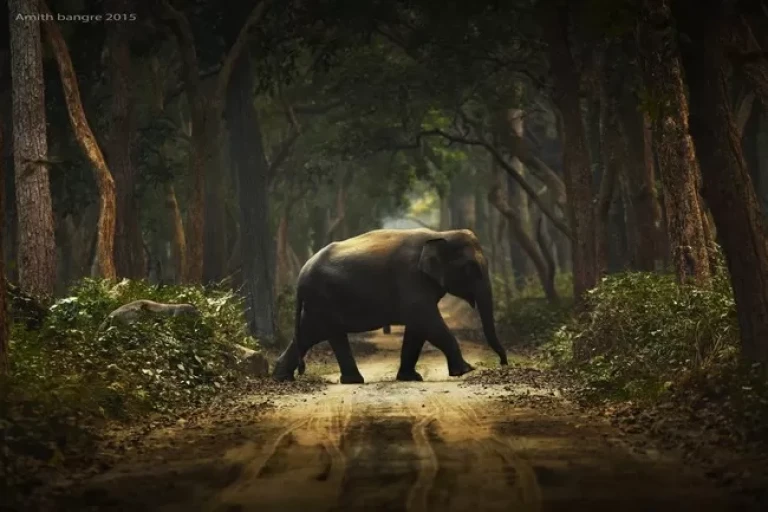
We had to drive 450 km to our destination, which involved 200km on the state highways of Uttar Pradesh (Bareilly and Pilibhit Roads, to be precise). We reached the lodge that would be our base for the next two days in the Terai forests of Uttar Pradesh after a long but not too difficult drive.
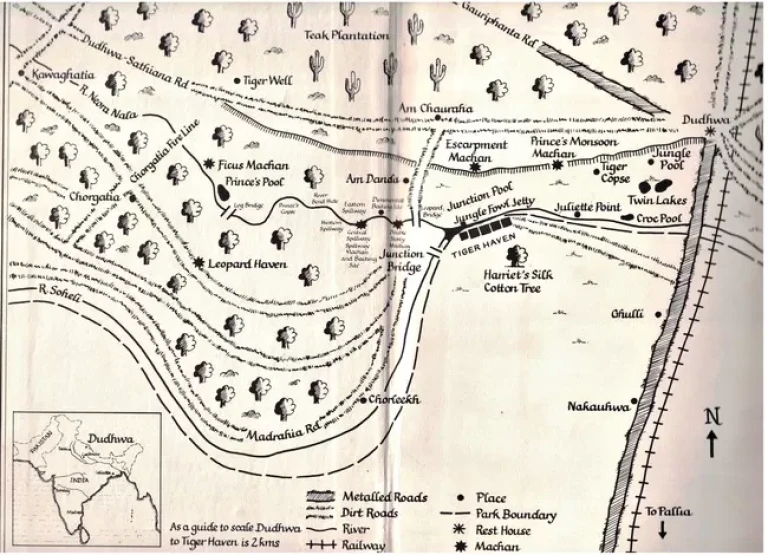
Dudhwa National Park
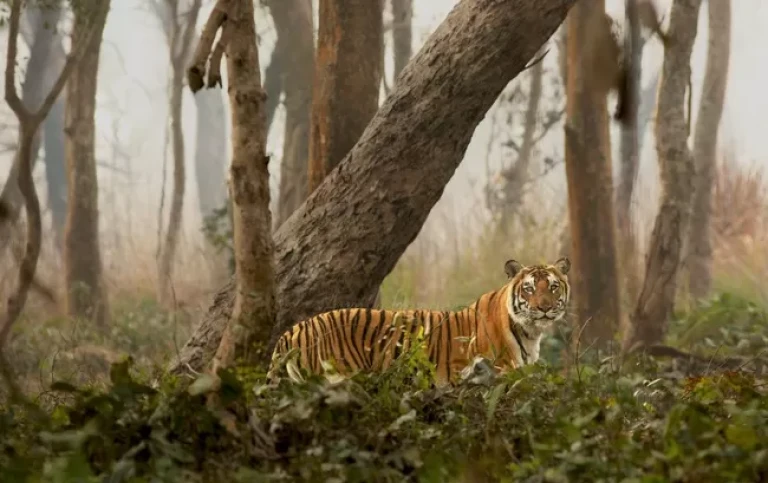
The Dudhwa Tiger Reserve is a conservation area that spans the Lakhimpur Kheri and Bahraich districts, and includes the Dudhwa National Park, Kishanpur Wildlife Sanctuary and Katarniaghat Wildlife Sanctuary. They cover a total area of 1,285km.
Also Read: Top 10 Wildlife Safaris that you must Experience in India
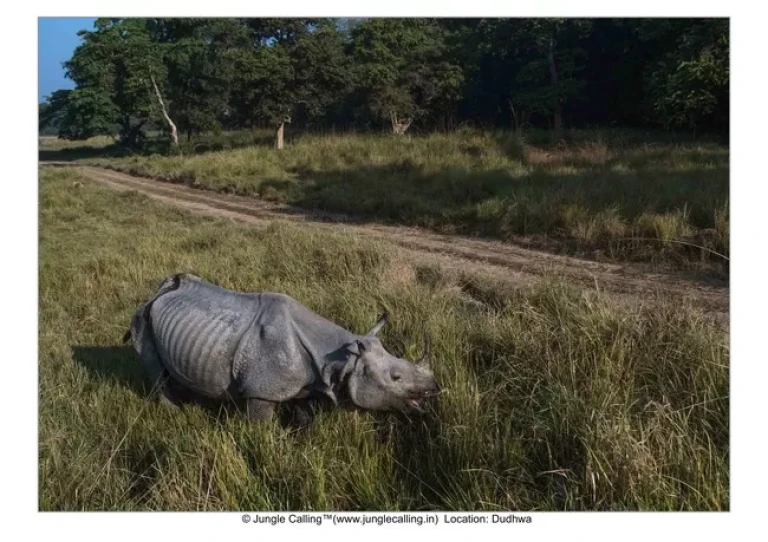
The landscape is divided into two different zones. The first one is Bhabar, a hilly region with rough alluvium and rocks along with unmatched Sal Tree vegetation. The second one is the special Terai region, which is rich in clay swamps and adorned by tall grassland. The Terai is one of the world’s most vital eco-regions because of the large number of mammals found in the area.
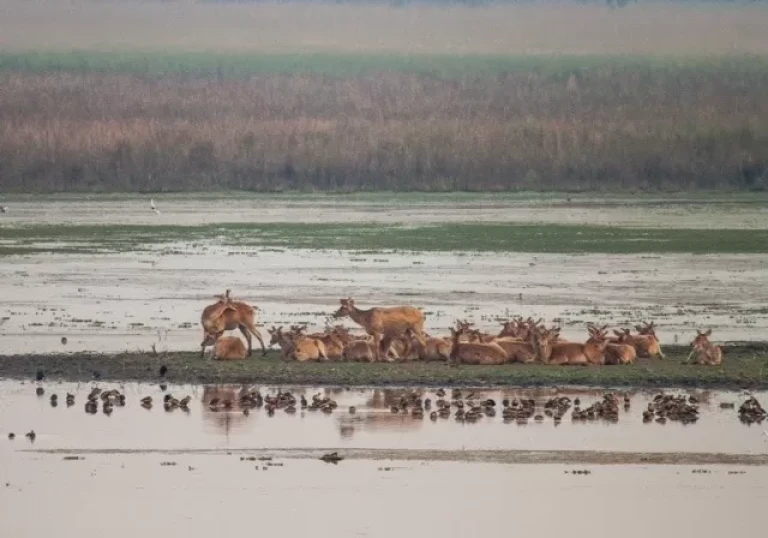
The national park has the Mohana River in the north and the Suheli River in the south, and has one of the highest concentrations of endangered animals and birds in the world. The Dudhwa National Park and Kishanpur Wildlife Sanctuary are mainly famous for sightings of the Hog Deer, Fishing Cat, tiger, alligator, elephant, rhino, leopard and migratory birds. But the Katarniaghat Wildlife Sanctuary is a unique region, which is ideal for spotting gharial, otter, Gangetic Dolphin, Swamp Deer, Hispid Hare, Bengal Florican and the Long-Billed Vultures.
Also Read: 15 Best Camping Sites in India for Nature Lovers
The Story of Dudhwa National Park
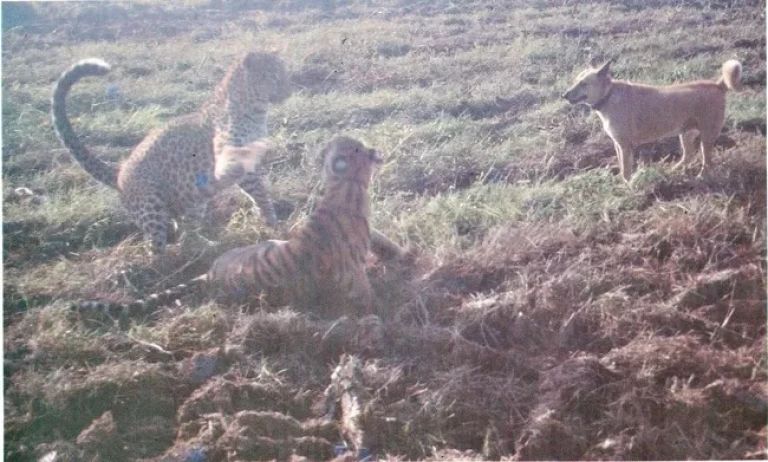
The story of the tiger reserve in Dudhwa, is the story of Billy Arjan Singh. A royal descendant of the Kapurthala family, Arjan Singh was a relentless hunter until one night when he had a change of heart after killing a leopard. From that night, this royal rebel became one of India’s greatest wildlife protectors.
To keep his promise of saving the vanishing wild animals, Billy found a small spot in the evergreen and swamp forests of Dudhwa. He lived in a small hut (which was later turned into a lodge) and spent his whole life there. He rescued many wild animals, starting with a group of Swamp Deer (Barasingha) on the Sathiana side of the Dudhwana forest.
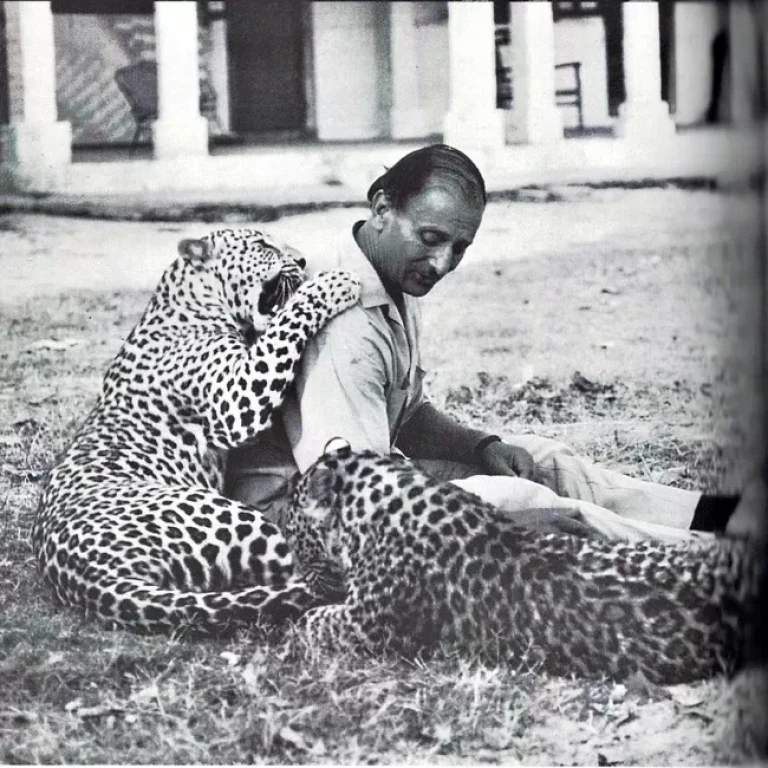
Billy Arjan Singh
Arjan Singh began his work with the wild cats by saving and raising Prince, a leopard cub who had lost his parents. He also raised two female leopard cubs, Juliette and Harriet and successfully released the leopards into the wild. After this remarkable achievement, came Tara. A tigress cub saved from a zoo in England. Tara was his life’s biggest and most disputed project. But with the support of the then prime minister Indira Gandhi, he increased the tiger population by a large number.
With the relentless efforts of Arjan Singh, the forest was named Dudhwa National Park in 1977. In 2006, he received the high civilian honor of Padma Shri for his work towards saving wild animals. The best time to go to Dudhwa National Park is from November to May. The park is open to the public from November 15 to June 15, but the peak summer months might be too hot there.
Also Read: Spotting Tigers in Ranthambore National Park: Expert Tips
What is the Best time to visit Dudhwa National Park and How to get there?
November to May is the ideal time to go to Dudhwa National Park. The park is open from November 15 to June 15, but it might be too hot there in the summer.
You can drive from Delhi without any trouble. It’s about 500 km away and will take around 6 to 7 hours.
You can also take a bus from Shahjahanpur railway station to Paliya. That’s the closest town to the national park.
The quickest way is to fly to Lucknow, and then get a cab to your destination. It will take roughly two hours.
Published at
About Author

Sreshti Verma
Subscribe our Newsletter
Get our weekly tips and travel news!
Related Posts
Wildlife Tourism: When Is It Ethical?
What a way to live: to belong in the wild, but be caged your entire life.This is what I think of every time I step into a zoo or a tourist attraction where you can pet creatures for a fee. D...
Bandipur National Park: Your Ultimate Guide to Wildlife Exploration
Immerse yourself in the symphony of nature, where tigers roam freely, elephants majestically traverse the terrain, and colorful bird species fill the skies.
Planning a Kabini Trip: Tips and Tricks for a Memorable Experience
Prepare to embark on a journey into the heart of nature's grandeur as we guide you through the enchanting realm of Kabini!
Top 10 Wildlife Safaris that you must Experience in India
The vicious tiger is hiding behind the dense bamboo bushes and is calmly waiting for its prey. The shrieking of an eagle periodically breaks the contemplative calm of the heavens above.
Spotting Tigers in Ranthambore National Park: Expert Tips
Ranthambore National Park, located in the Indian state of Rajasthan, is a wildlife enthusiast's paradise and one of the best places on Earth to spot the majestic Bengal tiger in its natural habitat.
Latest Posts
Air India Express has launched direct flights between Navi Mumbai and Abu Dhabi, becoming the first airline to operate scheduled international services from Navi Mumbai International Airport.
Uttar Pradesh plans to integrate its Buddhist and religious tourism circuit across eastern UP, improving connectivity, infrastructure, and spiritual travel experiences for domestic and international visitors.
IndiGo Reaches Record 66.3% Domestic Market Share as Competition Shifts in Indian Aviation
IndiGo has achieved a record 66.3% domestic market share, reinforcing its dominance in India's aviation industry, according to the latest DGCA data.
**Excerpt (under 160–200 characters):** Saudi Arabia has introduced a new Package Visa that integrates visa applications with flights, hotels, and travel services, making trip planning faster and more convenient for international travellers.
Thailand has retained visa-free entry for Indian travellers, but the maximum stay is now 30 days instead of 60. Here's what you need to know before your trip.