
10 Tourist Scams Around the World and How to Avoid Them
Travelling abroad is all about discovering new places, meeting interesting people, trying unfamiliar food and collecting memories that last a lifetime. But sometimes, the most memorable part of a trip is not the beautiful sunset or the famous landmark. It is the stranger who suddenly offers you a free bracelet and then refuses to let you leave without paying for it!
Tourist scams are surprisingly common across popular travel destinations. From fake taxi meters in busy cities to suspiciously friendly strangers near famous attractions, scammers often take advantage of one thing most tourists have in common: unfamiliarity with their surroundings.
The tricky part? Many scams do not look like scams at first. Some begin with a friendly conversation, an offer to help or even an apparently generous gesture.
Whether you are planning a European backpacking trip, exploring Southeast Asia or travelling solo to a new country, knowing what to watch out for can save you money, time and unnecessary trouble.
Here are 10 common tourist scams around the world, how they work and what you can do to avoid becoming a victim.
1. The Free Bracelet Scam - Europe
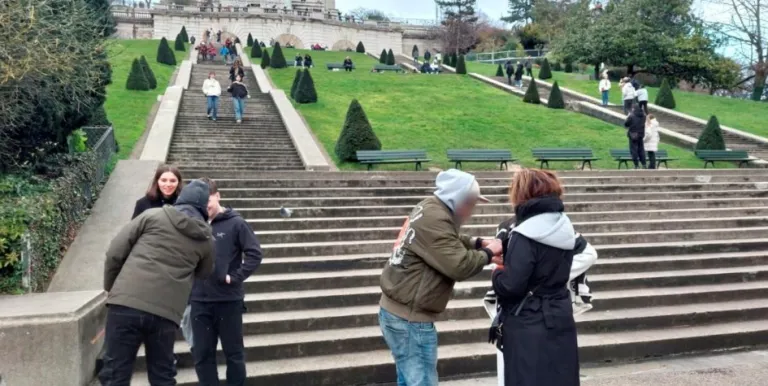
Imagine walking around a beautiful European square when someone approaches you with a warm smile and offers you a colourful bracelet. Before you can properly respond, they tie it around your wrist and start talking about friendship, good luck or supporting local artists.
Sounds harmless, right?
Not quite.
Once the bracelet is on your wrist, the person demands payment. If you refuse, they may become aggressive, create an uncomfortable scene or insist that you have already accepted their product.
This trick is commonly associated with tourist-heavy areas in Paris and other European destinations.
How to avoid it:
Politely refuse unsolicited gifts from strangers.
Keep walking instead of stopping for an unexpected interaction.
Never allow someone to put anything on your wrist without your permission.
If someone places an item on you, remove it and return it without getting drawn into an argument.
Remember: If a stranger insists something is free, make sure it stays free.
2. The Broken Taxi Meter Scam - Southeast Asia and Other Tourist Cities
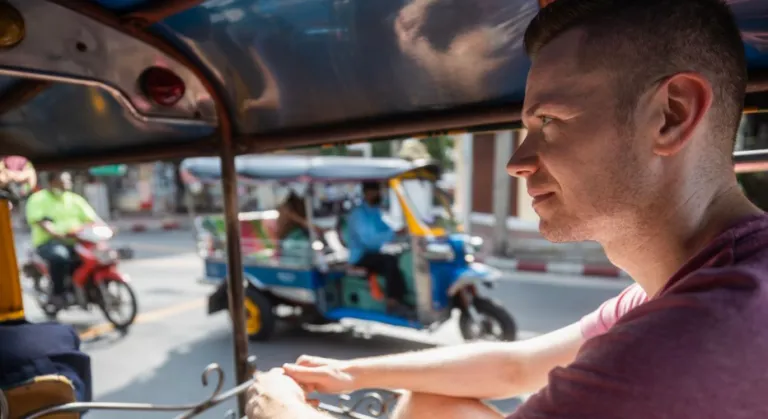
You arrive at an airport after a long flight, collect your luggage and find a taxi driver offering to take you to your hotel.
You settle in, enjoy the city views and then hear the dreaded sentence: "Meter not working."
The driver may initially quote a reasonable price but later demand a much higher amount once you reach your destination. Some drivers may also take unnecessarily long routes or suggest expensive shopping stops along the way.
This type of overcharging is reported in several popular tourist destinations, particularly where visitors are unfamiliar with local transport fares.
How to avoid it:
Use official airport taxi counters or reputable ride-hailing services.
Check whether the meter is running before starting the journey.
Agree on the fare in advance if the taxi operates on fixed pricing.
Check the route using your phone's navigation app.
Avoid accepting unexpected detours or shopping stops.
Travel tip: Knowing the approximate distance and typical fare before getting into a taxi can make a big difference.
3. The Fake Police Officer Scam - Europe and Tourist Hotspots
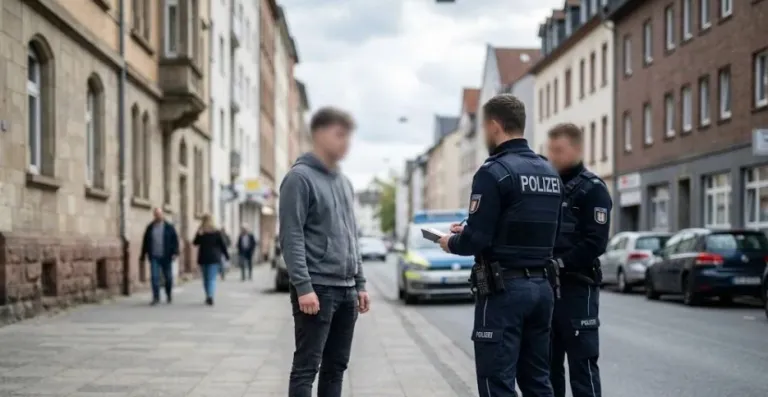
This one can be particularly intimidating because it uses authority to create fear.
A person approaches you claiming to be a police officer and asks to check your passport, wallet or identification. Sometimes, an accomplice may pose as a suspicious stranger, creating a situation in which the fake officer suddenly appears to investigate.
The supposed officer may then inspect your cash, claim that your currency is counterfeit or demand money to resolve an invented issue.
The US Department of State specifically warns travellers about fake police and related distraction scams in its international travel safety guidance.
How to avoid it:
Ask to see official identification.
Never hand over your wallet or cash for inspection.
If uncomfortable, request to visit the nearest police station.
Contact local emergency services if you feel threatened.
Keep digital and physical copies of important travel documents.
A real police officer should not need you to pay an unofficial fine on the pavement.
4. The Distraction Pickpocket Scam - Europe, South America and Crowded Cities
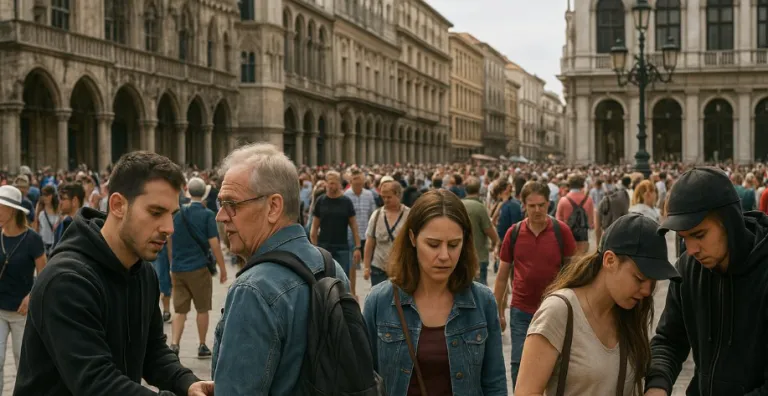
Sometimes, the biggest warning sign is that nothing seems suspicious at all.
A stranger accidentally spills something on your clothes. Another person rushes to help clean it. Someone bumps into you in a crowded train station. A friendly individual starts an unusually enthusiastic conversation.
While your attention is occupied, an accomplice may quietly take your phone, wallet or passport.
These distraction techniques are highlighted in official travel safety guidance, including warnings from the US Department of State.
How to avoid it:
Keep your valuables in zipped, secure compartments.
Avoid carrying your phone in your back pocket.
Be cautious when strangers suddenly offer unsolicited help.
Keep your bag in front of you in crowded places.
If someone spills something on you, secure your belongings before accepting assistance.
Remember: A distraction is often the entire plan, not an accident.
5. The Closed Hotel Scam - Popular Tourist Destinations
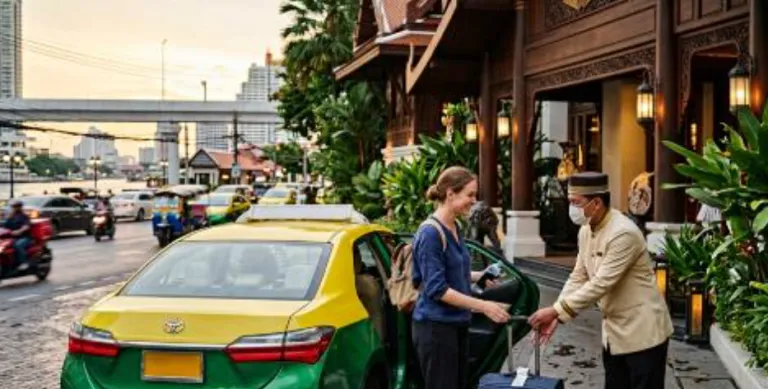
You land in a foreign country, get into a taxi and tell the driver the name of your hotel.
A few minutes later, the driver suddenly announces that your hotel is closed, fully booked or temporarily unavailable.
Conveniently, they happen to know another hotel nearby. They offer to take you there, assuring you that it is just as good, if not better.
What they do not tell you is that they may receive a commission for bringing tourists to that particular property. You could end up paying significantly more for a room you never intended to book.
This scam is specifically documented in travel safety guidance from AIG.
How to avoid it:
Confirm your hotel reservation directly with the property.
Save the hotel's address and contact number offline.
Do not believe a driver's claim that your hotel is closed without checking.
Ask the driver to take you to the original destination.
Arrange airport transfers through your hotel or a trusted service.
Golden rule: Your taxi driver is responsible for getting you to your hotel, not finding you a new one.
6. The Fake Attraction Ticket Scam - Popular Tourist Attractions Worldwide
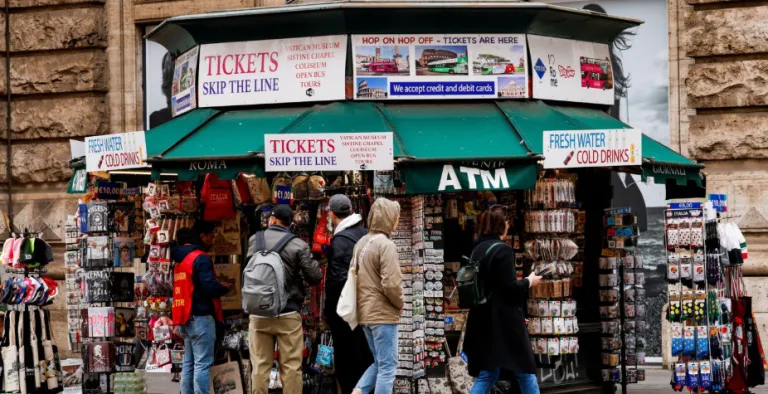
You arrive at a famous attraction after travelling halfway across the world, only to discover that tickets are sold out.
Just then, someone approaches claiming to have spare tickets. They might even offer you a discounted price or promise to help you skip the queue.
You pay, receive what looks like a perfectly legitimate ticket and walk towards the entrance.
Except the ticket is fake, already used or invalid.
Sometimes, scammers sell tickets to attractions that do not even require paid admission.
Fake tickets for museums, concerts, sightseeing tours and popular monuments can turn an exciting day into an expensive disappointment.
How to avoid it:
Purchase tickets through official attraction websites.
Check whether the attraction has authorised ticket partners.
Avoid buying tickets from strangers outside entrances.
Be suspicious of unusually cheap last-minute deals.
Check the ticket's validity before making payment.
Travel tip: Book popular attractions in advance, especially during holidays and peak tourist seasons.
7. The Restaurant Bill Surprise - Tourist-Focused Restaurants
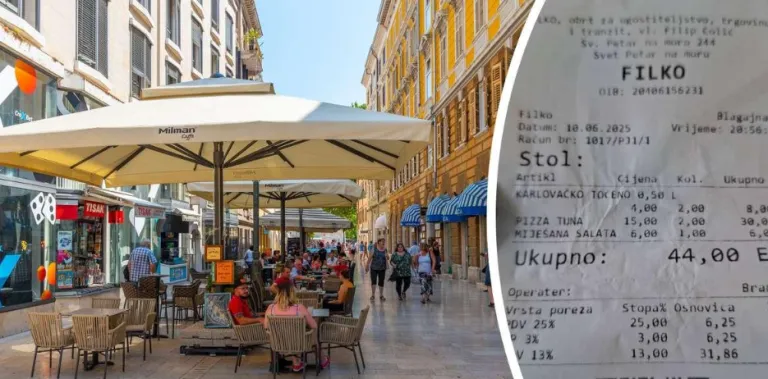
You find a beautiful restaurant overlooking a famous square. The waiter welcomes you, offers a table and recommends a few local specialities.
Everything seems perfect until the bill arrives.
Suddenly, there are extra charges for bread you never ordered, appetisers you thought were complimentary, unexplained service fees or drinks priced much higher than expected.
In some cases, the menu displayed outside may have different prices from the menu handed to tourists.
Overcharging, wrong change and unexpected restaurant charges are among the scams highlighted in Australian government travel safety guidance.
How to avoid it:
Always check menu prices before ordering.
Ask whether bread, appetisers and other extras are chargeable.
Check the final bill carefully.
Confirm the currency before paying.
Avoid restaurants where prices are not clearly displayed.
Travel tip: A restaurant with a beautiful view is not automatically a good deal. Sometimes, you are paying more for the view than the food!
8. The Free Photography Scam - Famous Landmarks

You are standing in front of a beautiful landmark, trying to get that perfect holiday picture.
A friendly stranger approaches and offers to take your photograph. You hand over your phone, they take a few pictures and return it with a smile.
Then comes the catch: they demand payment for their photography services.
In some variations, people dressed in costumes or holding props offer photographs and later insist on payment. Others may take your photograph and demand money afterwards.
How to avoid it:
Politely decline unsolicited photography offers.
Ask a fellow traveller or another tourist to take your picture.
Agree on the price before accepting any photography service.
Never hand your phone or camera to someone you do not trust.
This scam is particularly frustrating because the photograph may be the only thing you wanted from that interaction!
9. The Shell Game - Tourist Squares and Street Markets
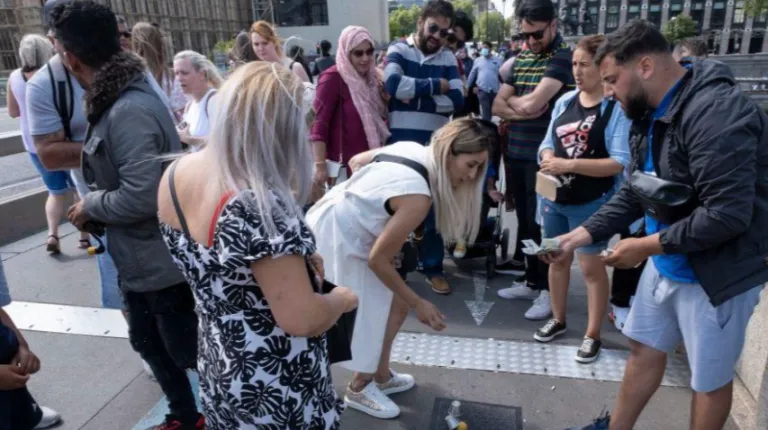
You notice a small crowd gathered around someone playing a simple guessing game.
Three cups, one tiny ball and a challenge: guess which cup hides the ball.
It looks easy. People standing around seem to be winning, and the organiser encourages you to try.
You place a small bet and win. Feeling confident, you increase the amount.
Suddenly, the ball disappears, the cups move faster than you can follow and you lose your money.
The catch? Many people in the crowd may be working with the organiser. Their apparent winnings are designed to make the game look genuine.
The US Department of State specifically warns travellers about shell and card games at tourist locations.
How to avoid it:
Never participate in street gambling games.
Do not assume people watching are genuine tourists.
Avoid handing over money to participate in demonstrations.
Walk away if strangers encourage you to place a bet.
Remember: If winning looks ridiculously easy, you are probably not seeing the whole game.
10. Fake Travel Booking Websites and Holiday Packages - Worldwide
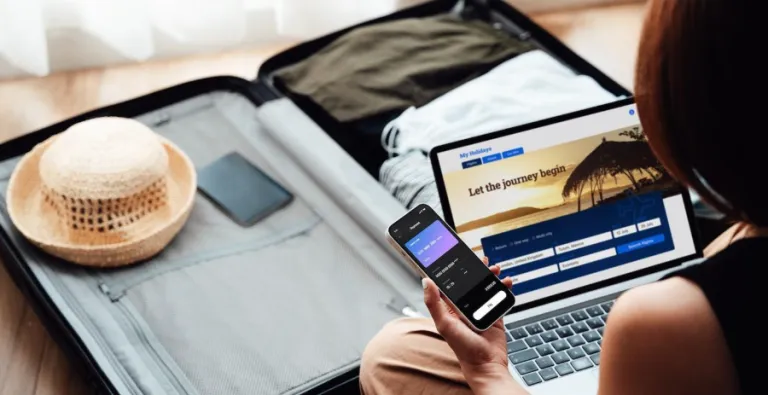
This is perhaps one of the most frustrating scams because you do not even need to leave your home to become a victim.
You find an attractive holiday package online. The website looks professional, the photographs are beautiful and the price is significantly lower than other offers.
You make the payment, receive a confirmation message and start planning your holiday.
But when you contact the hotel or airline, there is no booking.
Fake travel agencies, cloned hotel websites, fraudulent social media pages and suspicious booking links are increasingly used to target travellers.
India's Indian Cyber Crime Coordination Centre has specifically warned about fake online booking websites and social media advertisements impersonating tourism services, including hotel bookings, taxis and holiday packages.
How to avoid it:
Book through official airline, hotel or established travel company websites.
Verify the travel agency's registration and contact information.
Search for independent customer reviews.
Be suspicious of deals that are significantly cheaper than the market rate.
Avoid making payments to unknown personal bank accounts.
Never share OTPs, passwords or card details through suspicious links.
Travel tip: A professional-looking website does not automatically mean a legitimate business.
Quick Guide: How to Protect Yourself from Tourist Scams
Here is a quick checklist worth saving before your next international trip.
Situation | What you should do |
Stranger offers a free gift | Politely refuse |
Taxi refuses to use meter | Agree on fare or find another taxi |
Someone claims to be police | Verify identification |
Stranger offers unexpected help | Secure your belongings first |
Driver says hotel is closed | Call the hotel directly |
Someone offers cheap tickets | Use official ticket platforms |
Restaurant has no displayed prices | Ask before ordering |
Stranger offers free photographs | Agree on charges beforehand |
Someone invites you to gamble | Walk away |
Online holiday deal looks too cheap | Verify the company before paying |
What Should You Do If You Become a Victim of a Tourist Scam?
Even careful travellers can become victims. If something goes wrong, avoid panicking and take these steps:
Prioritise your safety: Do not physically confront scammers, especially if they become aggressive.
Block your cards: Immediately contact your bank if your debit or credit card has been compromised.
Secure your documents: Report stolen passports to the local police and contact your country's embassy or consulate.
Keep evidence: Save receipts, screenshots, transaction details, phone numbers and booking confirmations.
Report the incident: Contact local authorities and use the appropriate consumer protection or cybercrime reporting channels.
Inform your travel insurer: Check whether your policy covers theft, financial losses or related travel disruptions.
Indian travellers can also report cyber financial fraud through the National Cyber Crime Reporting Portal or helpline 1930.
Final Thoughts
Exploring a new country should be exciting, not stressful. And while tourist scams are a reality in many popular destinations, they should not stop you from travelling or experiencing the world.
The trick is to stay aware without becoming suspicious of everyone you meet. Accept genuine help, interact with locals, explore unfamiliar streets and enjoy spontaneous experiences, but know when something feels unusual.
A little preparation goes a long way. Research local transport, understand the currency, book through trusted platforms and keep your valuables secure.
Because the only unexpected expenses you should be dealing with on holiday are that extra dessert you ordered and the souvenir you absolutely did not need!
Published at
About Author

Atihsin
Subscribe our Newsletter
Get our weekly tips and travel news!
Related Posts
10 Underrated Places to Travel in 2026: Beautiful Destinations Away from the Crowds
Escape the usual tourist hotspots and discover 10 underrated places to travel in 2026, featuring scenic mountain valleys, historic towns, remote islands and peaceful coastal escapes.
10 Peaceful Things to Do in Rishikesh Away from Crowds
Discover 10 peaceful things to do in Rishikesh, from hidden waterfalls and quiet riverside walks to scenic mountain views, forest trails and relaxing yoga retreats.
Top 7 Visa-Free Destinations for Indians in 2026: Travel Abroad Without the Visa Hassle
Discover 7 visa-free countries for Indians in 2026, including entry rules, travel costs, top attractions and practical tips for planning your next international trip.
Air India Express Is Bringing Festive Flavours to the Sky
Flying this Navratri? Explore Air India Express’s special onboard meal, featuring Sabudana Khichdi, Vrat Sheera and fruit, plus booking tips.
Planning a trip? Discover the different types of travel insurance, what they cover, common exclusions and how to decide whether travel insurance is worth it.
Latest Posts
Lost Luggage at an International Airport? How to Get It Back
Your suitcase hasn't arrived at the baggage carousel. Now what? From filing a missing baggage report to claiming compensation, here's what travellers should do when luggage goes missing abroad, including how rules differ across countries.
Planning a Thailand trip this November? Chiang Mai Airport has cancelled 108 flights and rescheduled 80 ahead of the Yi Peng Lantern Festival. Here's everything travellers need to know about flight restrictions, festival dates and airport travel precautio
Finland Offers Free Trips to 16 Singles in 2027: How Indians Can Apply
Forget dating apps! Finland is inviting 16 international singles on a four-day, all-expenses-paid culinary trip in February 2027. Here's how Indian travellers can apply for the Finnish Dinner Date.
India Visa Rules 2027 – Proposed Changes Every International Traveller Should Know
India is planning major visa reforms for 2027, with fewer visa categories and shorter application forms. Explore the proposed changes and current requirements.
8 Best Christmas Markets Around the World to Visit in 2026
From Germany's traditional Christmas fairs to Singapore's spectacular festive lights, discover 8 Christmas markets around the world that promise unforgettable December experiences.