
India Visa Rules 2027 – Proposed Changes Every International Traveller Should Know
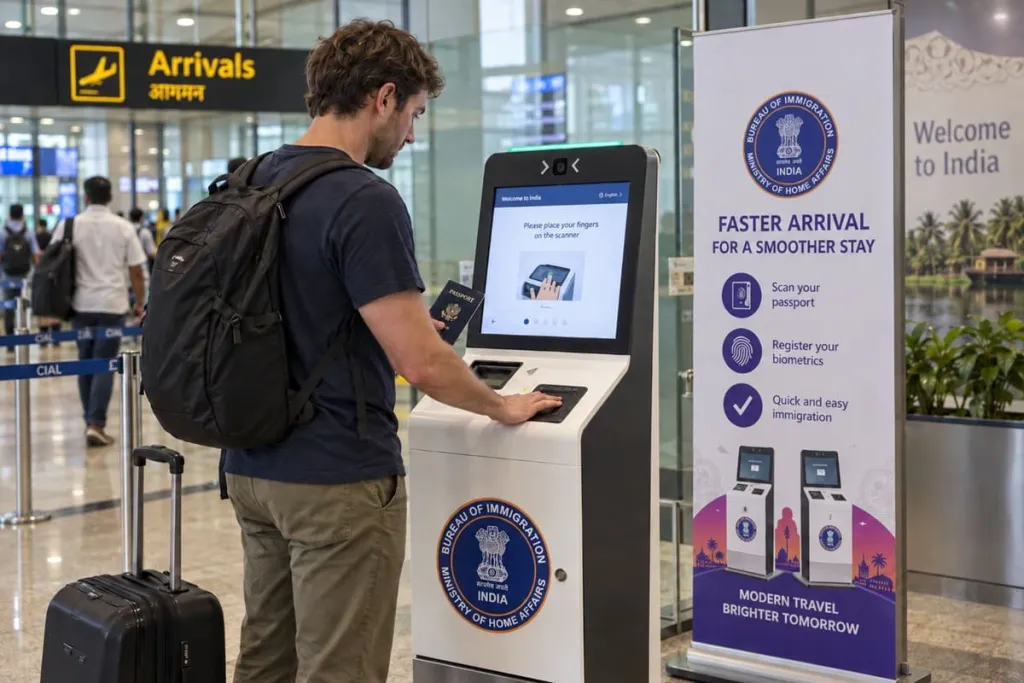
India is preparing to simplify its visa application process as part of a proposed overhaul expected to make travel easier for international visitors. The Union Ministry of Home Affairs is reviewing the existing visa framework, with plans to reduce the number of visa categories and remove unnecessary information from application forms.
According to reports published in November 2026, the proposed reforms could reduce the number of main visa categories from 13 to nine, visa sub-categories from 49 to 23, and application form fields by approximately 70%.
If implemented, these changes could make applying for an Indian visa simpler for international tourists, business visitors and other foreign nationals planning to visit the country in 2027.
However, the revised rules have not yet been officially implemented. Here is everything international travellers should know about the proposed India visa rules for 2027.
What Are the Proposed India Visa Rule Changes for 2027?
The Ministry of Home Affairs is reviewing the Visa Manual, 2019, to simplify India's existing visa framework. The main objective is to remove overlapping classifications, reduce repetitive questions and make visa applications more user-friendly.
The proposed changes include three major updates:
Existing visa system | Proposed changes |
|---|---|
13 main visa categories | 9 main visa categories |
49 visa sub-categories | 23 visa sub-categories |
Existing application form fields | Approximately 70% reduction in fields |
These changes are intended to simplify the application process without compromising essential security checks and background verification.
1. India Plans to Reduce Visa Categories From 13 to 9
One of the major proposed changes is reducing the number of main visa categories from 13 to nine.
Currently, foreign nationals travelling to India may need to choose from different visa classifications depending on their purpose of travel. These include tourism, business, employment, education, medical treatment and other activities.
The government plans to consolidate overlapping categories and make the classification system easier to understand.
For international travellers, this could make it easier to identify the appropriate visa category before starting an application.
2. Visa Sub-Categories Could Be Reduced From 49 to 23
Along with reducing the main visa categories, the government is also proposing to reduce visa sub-categories from 49 to 23.
The existing system includes several sub-categories designed for different purposes of travel. Although these classifications help authorities manage applications, they can sometimes make the selection process complicated for applicants.
The proposed reduction aims to simplify these classifications and remove unnecessary duplication.
However, the final list of revised visa categories and sub-categories has not yet been officially released.
3. Indian Visa Application Forms Could Become 70% Shorter
One of the most significant proposed changes concerns the length of Indian visa application forms.
The government is considering removing approximately 70% of the existing application form fields. This would help eliminate repetitive, overlapping and unnecessary questions.
Currently, completing an Indian e-Visa application can involve providing several pages of personal information, travel details and background-related information.
The proposed redesign aims to make the forms easier to complete and reduce the administrative burden on international visitors.
Importantly, the reduction in form fields does not mean that security-related questions or essential background checks will be removed.
Also Read : Cheap International Flights from India: Affordable Destinations for 2026
4. Local Address Requirements May Become Simpler
Another possible change concerns the local address information requested from international visitors.
Under the existing application process, applicants may need to provide an address in India as part of their travel details.
The government is reportedly considering making this requirement easier for foreign visitors by allowing them to provide their intended hotel or guesthouse address.
This could be particularly helpful for tourists who have not arranged long-term accommodation before arriving in India.
The exact revised address requirements will become clear once the government releases the updated application forms.
5. What the Proposed Changes Mean for International Tourists
If the proposed India visa reforms are implemented in 2027, international tourists could benefit from a more straightforward application process.
Some expected benefits include:
Fewer visa categories to choose from.
Reduced repetitive information in application forms.
A simpler application experience for international visitors.
Easier selection of the appropriate visa category.
Less administrative complexity when submitting applications.
However, these proposed changes do not automatically mean lower visa fees, guaranteed approvals or faster processing times.
The government has not announced any confirmed changes to these areas as part of the proposed overhaul.
6. Will India's e-Visa Rules Also Change in 2027?
India's electronic visa system, commonly known as the e-Visa, allows eligible foreign nationals to apply online before travelling to the country.
The proposed visa overhaul is expected to cover the wider visa framework. However, the government has not yet published the final details explaining how the redesigned application forms will apply to individual e-Visa categories.
Travellers should also understand that visa eligibility depends on nationality, travel purpose and the relevant visa conditions.
Until the revised framework is officially introduced, international visitors should continue using the existing e-Visa and regular visa application procedures.
7. When Will the New India Visa Rules Come Into Effect?
The proposed visa reforms are expected to be introduced in 2027, following the review of the Visa Manual, 2019.
The Ministry of Home Affairs has discussed amendments to different sections of the existing manual, including the visa categories and application requirements.
However, no confirmed implementation date has been announced.
International travellers should wait for an official government notification before assuming that the revised categories or shorter application forms are available.
Until then, the existing visa requirements will continue to apply.
8. How Foreign Travellers Can Apply for an Indian Visa Currently
Foreign nationals planning to visit India should continue following the existing visa application process.
The general steps include:
Visit the official Indian Visa Online website.
Select the appropriate visa type based on the purpose of travel.
Complete the online application form with the required information.
Upload the necessary documents and photograph.
Pay the applicable visa fee.
Submit the application and wait for the decision.
Check the visa status and follow the instructions provided by the authorities.
Travellers should apply through the official government portal and check the latest requirements for their nationality before making travel arrangements.
Official website: https://indianvisaonline.gov.in/
What International Travellers Should Know Before Planning a Trip to India in 2027
The proposed India visa changes could make travelling to the country more convenient for international visitors. However, travellers should not make plans based on changes that have not yet been officially implemented.
Keep these points in mind:
Check the current visa requirements for your nationality.
Apply using the existing official visa process until revised forms are released.
Ensure your passport meets the applicable validity requirements.
Keep accommodation and travel details ready.
Check whether you are eligible for an Indian e-Visa.
Follow official immigration announcements before travelling.
Final Thoughts
India's proposed visa reforms for 2027 could bring significant improvements to the application process for international travellers. Reducing the number of main visa categories from 13 to nine, cutting sub-categories from 49 to 23 and removing approximately 70% of application form fields could make the system easier to navigate.
However, these changes are still under consideration, and the government has not confirmed an implementation date. Foreign nationals planning to visit India should continue following the existing visa requirements until the revised framework is officially announced.
Published at
About Author

Subscribe our Newsletter
Get our weekly tips and travel news!
Related Posts
Emirates’ A350 aircraft spreads its wings to India, offering latest travel experiences to customers
Emirates expands operations with A350 launch in India to Mumbai and Ahmedabad. The airline now serves five destinations with the latest aircraft. In addition to India, Emirates also flies to Edinburgh, Kuwait, and Bahrain.
Aftermath of Operation Sindhoor: Flights Suspended & Travel Plans Cancelled!
Chaos unfolds as Indian travelers react to the ongoing military escalation between India and Pakistan!
Fasten Your Standing Belts: Budget Airlines to Introduce 'Standing-Only' Seats by 2026
“Ladies and gentlemen, welcome aboard. Please remain upright and fasten your... standing belts?”
Delhi to Srinagar IndiGo Flight Makes Emergency Landing
IndiGo Delhi to Srinagar flight hit by severe hailstorm amid Kashmir weather alert, forcing emergency landing.
Travel Alert: Bali Flights Back to Normal After Volcano Eruption
Bali Flights Resume After Mount Lewotobi Volcano Eruption Disrupts Travel
Latest Posts
8 Best Christmas Markets Around the World to Visit in 2026
From Germany's traditional Christmas fairs to Singapore's spectacular festive lights, discover 8 Christmas markets around the world that promise unforgettable December experiences.
Karnataka Bus Fare Hike 2026: New BMTC and KSRTC Ticket Prices From November 5
Karnataka has revised bus fares across BMTC, KSRTC, NWKRTC and KKRTC from November 5, 2026. Here's a look at the new Bengaluru city bus fares, airport ticket prices, intercity KSRTC rates and reasons behind the increase.
Best Places to Celebrate New Year 2027 in India – Top 10 Destinations
From Goa's beach parties and Manali's snowy mountains to Udaipur's royal charm and Fort Kochi's carnival, discover 10 of the best places to celebrate New Year 2027 in India.
15 Important Things to Take Care of Before Going on a Trek
From choosing the right trekking shoes to packing essential gear and preparing for changing weather, discover 15 important trekking tips to stay safe, comfortable and prepared on your next adventure.
Sleep Tourism: Best Sleepcation Destinations & Travel Guide
Discover the rising trend of sleep tourism, where holidays are all about switching off, slowing down and catching up on quality rest. Explore the best sleepcation destinations, wellness retreats and peaceful getaways in India and around the world.