
Vietnam Digital Nomad Visa 2027 – Eligibility, Stay Duration and Application Details for Indians
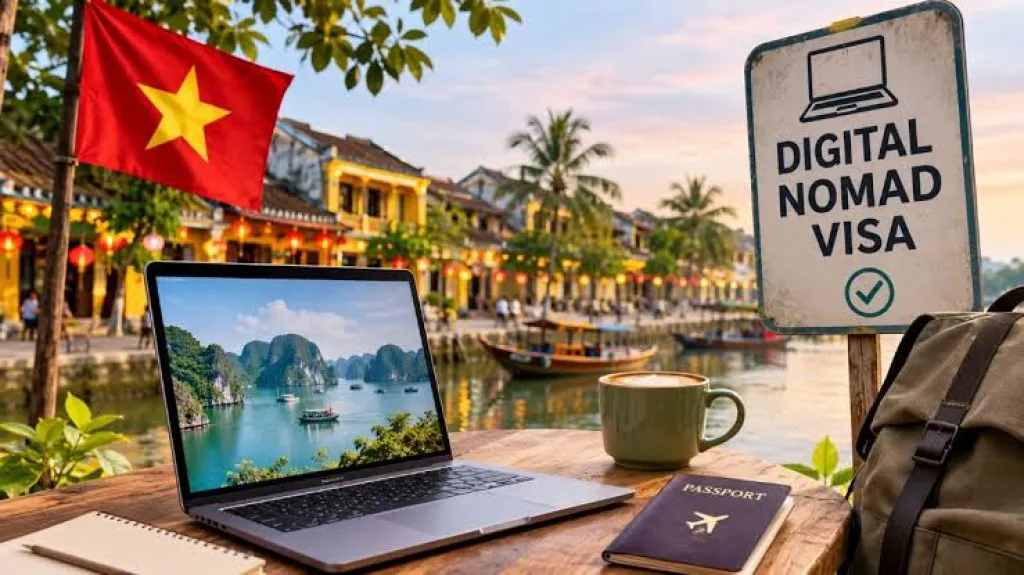
Vietnam is moving towards introducing a dedicated visa framework for digital nomads and foreign remote workers, potentially creating new opportunities for Indian professionals who want to work remotely while living abroad.
The country's National Assembly has approved Resolution No. 59/2026/QH16, allowing the government to study pilot visa and residence arrangements for foreigners working remotely.
The resolution takes effect on January 1, 2027. However, Vietnam has not officially launched a digital nomad visa, and details such as eligibility, minimum income, permitted stay duration and application procedures are yet to be announced.
For Indian freelancers, remote employees, entrepreneurs and digital professionals, this could become an interesting opportunity to explore Southeast Asia while continuing their careers.
Vietnam Digital Nomad Visa 2027 – Latest Update
Vietnam's National Assembly approved a new tourism development resolution in November 2026, which includes provisions to study pilot visa and residence policies for foreign remote workers.
The initiative aims to attract international professionals who can stay longer in the country and contribute to its tourism economy.
Key details
Details | Information |
|---|---|
Country | Vietnam |
Proposed visa | Digital Nomad Visa |
Policy resolution | No. 59/2026/QH16 |
Approval | November 2026 |
Resolution effective date | January 1, 2027 |
Target applicants | Foreign remote workers and digital nomads |
Visa duration | Not announced |
Minimum income | Not announced |
Application process | Not announced |
Current status | Proposed pilot framework under study |
The January 1, 2027 date is the effective date of the tourism resolution. It is not a confirmed application opening date for the digital nomad visa.
Who May Be Eligible for Vietnam's Proposed Digital Nomad Visa?
Although Vietnam has not published the final eligibility criteria, the proposed framework is aimed at foreign professionals who work remotely.
The following groups may be interested in the programme:
1. Remote employees
Professionals working for companies based outside Vietnam, particularly in technology, marketing, finance and customer support.
2. Freelancers
Independent professionals providing services to international clients, including graphic designers, content writers, SEO specialists, video editors and web developers.
3. Entrepreneurs and business owners
Business owners who manage their companies remotely and want to spend an extended period in Vietnam.
4. Online professionals
Consultants, online educators and other location-independent professionals may also be potential applicants.
These are potential applicant categories, not officially confirmed eligibility groups.
Vietnam Digital Nomad Visa Requirements for Indians
The Vietnamese government has not announced the official document requirements for the proposed visa.
However, Indian professionals should keep the following documents organised in preparation for future guidelines.
Possible requirement | Current status |
|---|---|
Valid Indian passport | Official requirement not announced |
Proof of remote employment | Not announced |
Freelance or business income proof | Not announced |
Minimum monthly income | Not announced |
Health insurance | Not announced |
Police clearance certificate | Not announced |
Accommodation details | Not announced |
Application fee | Not announced |
Applicants should wait for official guidelines before making payments or submitting documents through third-party agents.
How Long Can Indians Stay in Vietnam on the Digital Nomad Visa?
The permitted duration of stay is one of the most important details yet to be confirmed.
During parliamentary discussions, a proposal was made to consider a multiple-entry visa valid for up to one year for remote workers and certain long-stay visitors.
However, this was a suggestion during discussions and has not been confirmed as an official visa condition.
The resolution itself allows pilot policies to operate for up to five years. This refers to the policy pilot period, not the permitted stay for individual visa holders.
Also Read : Malaysia Visa Rules for Indians in 2027 – Visa-Free Entry, New Rules and Application Process
How to Apply for Vietnam Digital Nomad Visa 2027
Applications for the proposed digital nomad visa are not currently open. Vietnam is yet to publish the final application procedure, eligibility conditions and fees.
Once the programme is officially introduced, applicants should follow the instructions issued by the Vietnamese immigration authorities.
Indian professionals interested in applying can prepare by:
Keeping their passports valid for international travel.
Maintaining employment contracts or freelance agreements.
Organising income and financial documents.
Reviewing international health insurance options.
Following official immigration announcements.
Avoid applying through websites or agents claiming to offer this visa before the official launch.
Current Vietnam Visa Options for Indian Citizens
Until Vietnam introduces a dedicated remote-worker visa, Indian citizens must follow the existing immigration rules.
The Vietnam e-visa is currently available to eligible Indian passport holders.
Details | Information |
|---|---|
Visa type | Electronic Visa |
Maximum validity | Up to 90 days |
Entry options | Single or multiple entry |
Application method | Online |
Official website | Vietnam Immigration Department |
The e-visa is useful for Indian tourists planning short visits to Vietnam. However, a tourist visa should not automatically be treated as permission to undertake remote employment from Vietnam. Travellers should check applicable immigration rules before working from the country.
Best Places in Vietnam for Indian Digital Nomads
Vietnam offers several cities with cafés, accommodation options, cultural attractions and international connections. These destinations may appeal to professionals interested in a remote-working lifestyle.
1. Da Nang
Da Nang is known for its beaches, cafés and relaxed coastal atmosphere. It offers easy access to attractions such as Marble Mountains and the historic town of Hoi An.
2. Ho Chi Minh City
Ho Chi Minh City is one of Vietnam's major business and technology centres. It has coworking spaces, restaurants, shopping areas and a growing international community.
3. Hanoi
Hanoi combines traditional culture with modern city life. Remote professionals can explore the Old Quarter, Hoan Kiem Lake, cafés and historic attractions.
4. Da Lat
Da Lat is known for its cooler climate, pine forests, lakes and peaceful surroundings. It may appeal to professionals looking for a quieter environment.
Vietnam Digital Nomad Visa Compared with Other Asian Countries
Several Asian countries already offer visa programmes designed for remote workers.
Country | Remote work visa | Permitted stay |
|---|---|---|
Thailand | Destination Thailand Visa (DTV) | Up to 180 days per entry, subject to conditions |
Malaysia | DE Rantau Nomad Pass | Initially 3–12 months, with renewal options |
Indonesia | E33G Remote Worker Visa | Up to 1 year, subject to conditions |
Vietnam | Proposed digital nomad framework | Not announced |
These programmes have different income, employment, insurance and documentation requirements. Travellers should check each country's current immigration rules before applying.
Tax Rules Indian Remote Workers Should Know
Visa permission and tax residency are separate matters.
Foreigners staying in Vietnam for at least 183 days within a calendar year or 12 consecutive months from their first arrival may qualify as Vietnamese tax residents, subject to applicable rules.
Vietnamese tax residents are generally subject to personal income tax on worldwide taxable income.
Indian professionals planning an extended stay should also consider their Indian tax residency status, double taxation rules and reporting obligations.
It is advisable to consult a qualified tax professional before making long-term relocation decisions.
Why Vietnam Could Become Popular Among Indian Digital Nomads
The proposed visa framework could make Vietnam more attractive to Indian professionals interested in combining international travel with remote work.
Some potential advantages include:
Affordable lifestyle: Vietnam offers a range of accommodation and food options for different budgets.
International connectivity: Major cities have international airports and connections to other Southeast Asian destinations.
Café and coworking culture: Cities such as Da Nang and Ho Chi Minh City offer work-friendly spaces.
Cultural experiences: Visitors can explore beaches, temples, historic towns and local markets.
Longer-stay opportunities: A dedicated visa could eventually provide a clearer immigration option for remote workers.
These are potential benefits and not confirmed features of the proposed visa programme.
Final Words
Vietnam's proposed digital nomad visa framework could create new opportunities for Indian freelancers, remote employees and entrepreneurs interested in working from Southeast Asia.
The approval of Resolution No. 59/2026/QH16 marks an important policy development, but several details remain undecided. Minimum income, eligibility, visa duration, application fees and the opening date have not been officially confirmed.
Indian professionals interested in Vietnam should follow official immigration announcements and wait for the final guidelines before making relocation plans.
Published at
About Author

Subscribe our Newsletter
Get our weekly tips and travel news!
Related Posts
Malaysia Extends Visa-Free Travel for Indians Until 2026!
Good news... Indians can explore Malaysia visa-free until December 2026 for up to 30 days!
How to Successfully Apply For Dubai Visa Online for Indians & Get Approved?
Learn how to apply for a Dubai visa online for Indians with our detailed guide. Step-by-step process, tips, and common pitfalls to ensure approval.
How to Successfully Apply For Thailand Visa Online for Indians & Get Approved?
Learn how to apply for a Thailand visa online as an Indian citizen. Follow this step-by-step guide for a hassle-free approval process and travel smoothly.
How to Successfully Apply For Visa to Qatar? - Indian Travelers Guide
Planning a trip to Qatar? This guide for Indian travelers breaks down everything you need to know about the visa process
How to Plan Trip to Bhutan from India: Travel Visa & Costs
Ready to embark on an unforgettable adventure from India to the Kingdom of Bhutan? With no visa required, stunning landscapes, and affordable travel options, Bhutan is calling Indian travelers for the ultimate Himalayan getaway!
Latest Posts
Hyderabad’s Traffic Crisis: Can More Buses and Fewer Private Vehicles Give the City Its Roads Back
Hyderabad is battling rising traffic congestion as commute times nearly double. With corporates pledging to reduce employee vehicles and urban experts calling for better buses and fewer private vehicles
Things to Do in Winter in India to Make the Season Feel Special
Make winter special with cosy bonfires, family time, hot chocolate, winter getaways and delicious seasonal treats from across India.
What Is Coolcationing: The New Travel Trend Among Holidaymakers
Forget crowded beaches and scorching temperatures. Coolcationing is the new travel trend encouraging holidaymakers to explore cooler destinations, mountains, lakes and peaceful nature escapes.
Missed the Last Train or Metro in a Foreign City. Here's What to Do
Missed the last metro or train in a foreign city? Don't panic. Here's how to find alternative transport, stay safe, get back to your hotel and avoid the situation next time.
Why Do Airports Have So Many Duty-Free Shops
Airports are packed with duty-free stores for more than just passenger convenience. Discover how tax savings, passenger behaviour, luxury brands and airport revenue strategies make duty-free shopping a major part of the travel experience.