
What's Bikepacking and Why You Must Try it?
Whether it's a brief local excursion or an extended journey spanning months, bikepacking offers the chance to venture beyond and reconnect with the fundamentals of exploration.
You might be astonished by the minimal essentials required to commence this adventure. In the worst-case scenario, the encounter will instill a newfound appreciation for the familiar comfort of your own bed.
Now, delving into the details—what precisely is bikepacking, what items are essential, and how should you go about planning your excursion? Let's explore these questions.
Also Read: Guide to Surfing in Maldives - Everything You Need To Know
What is Bikepacking?
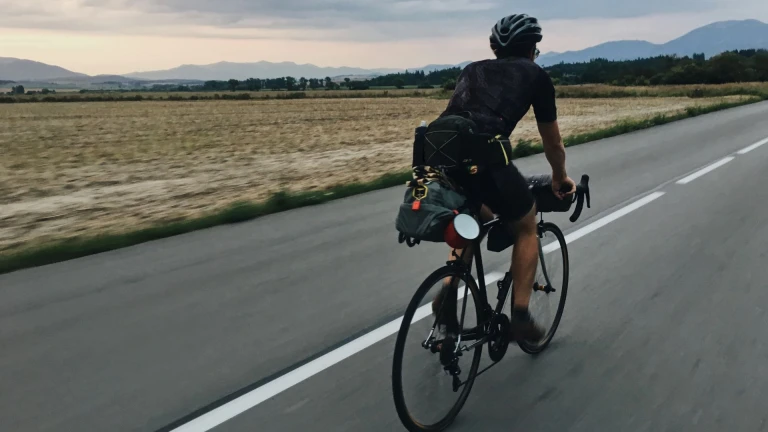
Bikepacking is essentially embarking on an overnight or multi-day adventure using your bicycle. The focus is on self-sufficiency and traveling light, often taking you far from civilization, predominantly on gravel or mountain bikes, although any bike can be used for bikepacking. The key involves packing essential gear into bags that can be attached to any bike frame without the need for a rack.
Bikepacking vs Cycle Touring
In contrast to traditional cycle touring, which involves loading pannier bags on a rear rack for on-road experiences, bikepacking utilizes bags strapped directly to the bike. Bikepacking allows for off-road adventures, not limiting you to paved roads. Bikepacking often emphasizes traveling light, opting for a bivvy bag and wild camping rather than a traditional tent or credit card touring.
Why You MUST try Bikepacking?
Embarking on a bikepacking adventure is not just a journey; it's an immersive experience that offers a unique blend of self-discovery and connection with nature. Unlike conventional travel methods, bikepacking allows you to explore remote landscapes, venture off the beaten path, and rediscover the joy of simplicity. The minimalistic approach to packing forces you to prioritize essentials, fostering a sense of self-sufficiency and adaptability. As you pedal through diverse terrains, from winding trails to open roads, the rhythmic hum of the wheels becomes a soundtrack to your personal exploration. Whether a seasoned cyclist or a novice adventurer, bikepacking unveils a world of possibilities, encouraging you to push boundaries, embrace challenges, and savor the sheer exhilaration of the open road. The memories forged on a bikepacking excursion linger as a testament to the transformative power of this extraordinary journey, making it a must-try for anyone seeking a genuine and unforgettable outdoor experience.
Essentials for a Bikepacking Trip
The items to take on a bikepacking trip depend on factors such as distance from civilization, duration of the trip, and personal preferences for comfort. For a basic overnighter, the essentials include a well-maintained bike, bikepacking bags or a suitable alternative, a sleeping kit, basic toiletries and electronics, warm layers and waterproofs, and cooking equipment.
Preparing Your Bike for Bikepacking
Any bike can be used for bikepacking, and it's recommended to plan a route based on your bike's capabilities. Carrying spare parts and tools for common mechanical issues such as flat tires or chain problems is essential. A GPS bike computer or map for navigation, a lightweight bike lock, and a means to charge electronic devices are also necessary.
Choosing the Right Bags
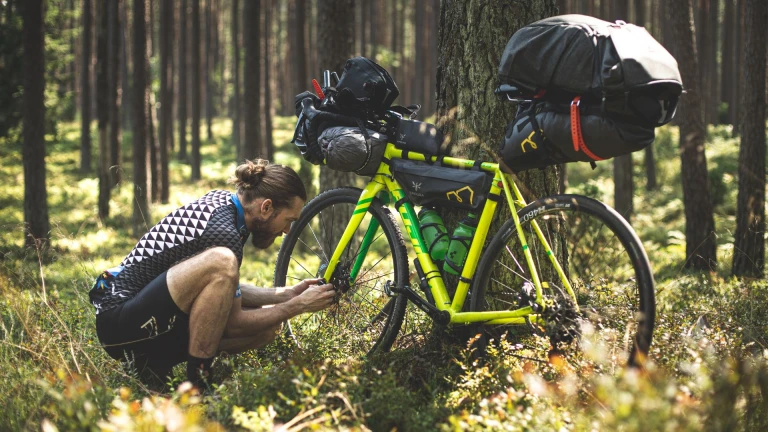
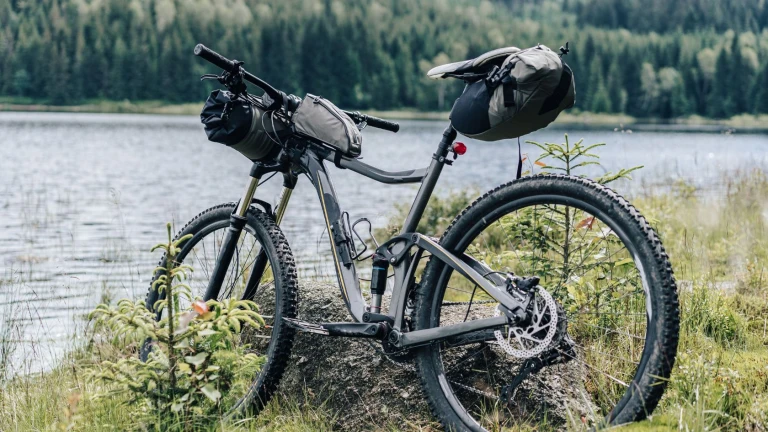
Bikepacking bags are designed to be attached directly to the bike, with various mounting points available. These bags can be placed on the seatpost, handlebar, and inside the main triangle. While there are specialized bikepacking bags, alternatives like pannier racks can also be used, though they are more effective on roads. It's crucial to consider the bike's compatibility and the availability of mounting points.
Sleeping Kit Essentials
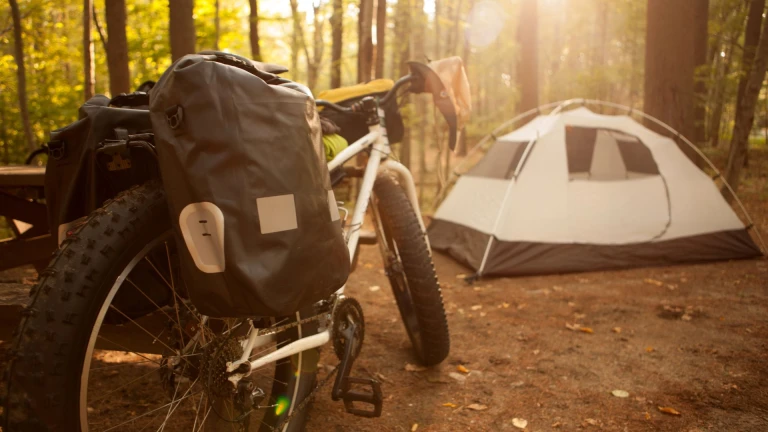
The choice of a sleeping setup depends on personal preferences, ranging from camping in a tent to minimalist bivvy setups or opting for accommodations like B&Bs. A lightweight, compact, and durable sleep system including a tent or bivvy bag, sleeping bag, and sleeping mat is recommended. Proper placement of these items in bike bags is crucial for easy access and weight distribution.
Basic Toiletries and Electronics
Maintaining basic hygiene is essential during a bikepacking trip. Packing travel-sized toothpaste and toothbrush, sunscreen, insect repellent, and lip balm is necessary. Ensuring cleanliness and dryness in sensitive areas is crucial. Carrying a fully charged battery pack for recharging electronic devices is advisable, and letting someone know about your itinerary adds a layer of safety.

Warm Layers and Waterproofs
While the focus is on traveling light, having the right cycling kit is crucial. Beyond basic cycling attire, warm layers and waterproofs are necessary, especially as temperatures may drop during the night. Carrying a down or insulated jacket for added warmth is recommended. A waterproof cycling jacket should always be included, regardless of the weather forecast.
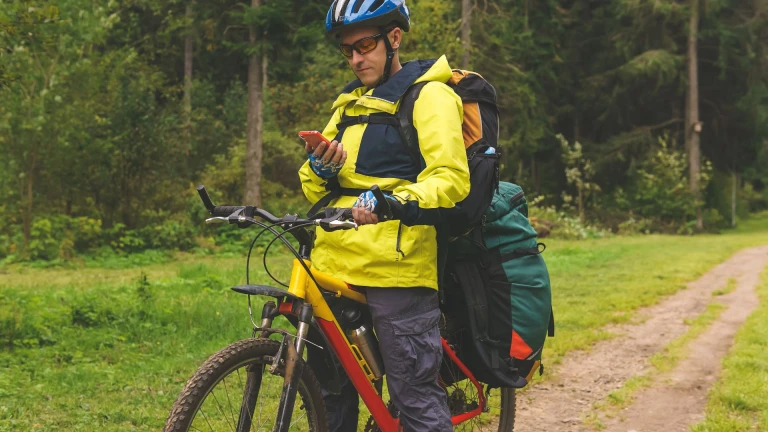
Cooking Equipment for Bikepacking
For preparing meals during a bikepacking trip, carrying a portable stove is essential. The easiest meals require boiled water, making dried noodles, pasta, or dehydrated food convenient choices. Compact and lightweight bikepacking stoves are recommended, and sharing equipment among friends can be a practical approach.
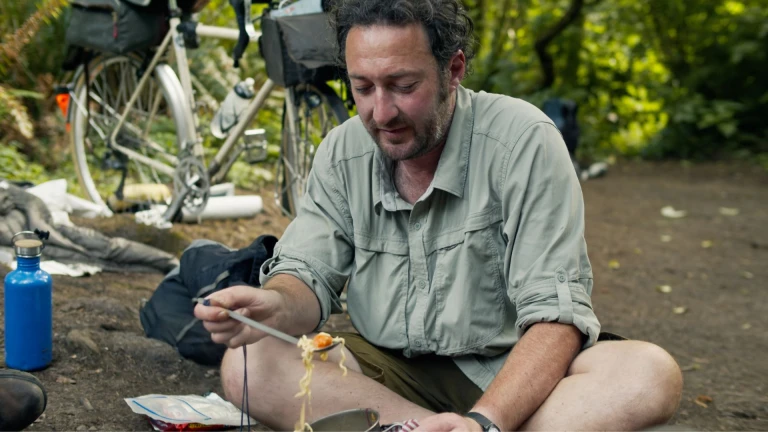
How to Pack for Bikepacking?
Efficiently loading bikepacking bags involves keeping the weight low and centralized. Heavy items should be strategically placed to avoid affecting balance, and accessibility is crucial for frequently used items. Using additional mounting points, bento bags, or canister bags can aid in keeping essentials within reach. Waterproofing measures, such as waterproof dry bags, ensure the protection of critical items.
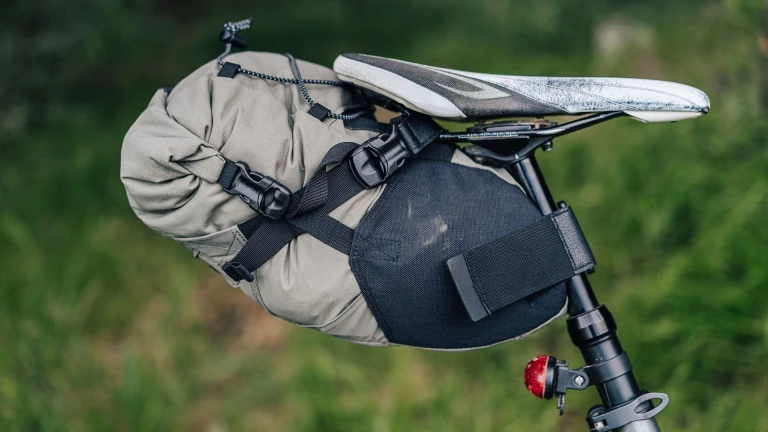
Where to Go Bikepacking
Bikepacking is versatile, allowing exploration almost anywhere, considering legal constraints and bike suitability. You can go bikepacking pretty much anywhere you like, provided you can legally ride there, with your bike likely to be the limiting factor.
If you’re on a road bike, you’re going to have to stick to tarmac (or very light off-road trails, if you have wider tyres), but even if you’re on a gravel bike you might not want to go anywhere too extreme. Consider what’s manageable for your gearing and tyres. Remember, your bike will weigh considerably more and may not handle as well as it would when unloaded.
A mountain bike will open up a wider range of terrain but, once again, remember that the bike’s off-road capability – and your ability to manoeuvre the bike – may be affected by the extra weight placed on it.
Cycling in India is surely challenging yet exhilarating. While bikepacking, it is of utmost importance to plan your route well. The route you plan will determine the kind of gear you need. Bikepacking in the wilderness will require more research and meticulous planning. Apps like Google Maps, Strava, RidewithGPS and Komoot already have routes that other cyclists have ridden in a given area.
Also Read: 6 Adventurous Places to snorkel in India
How to Plan a Bikepacking Trip?
Planning a bikepacking trip involves choosing a suitable route based on personal preferences and bike capabilities. Utilizing apps like Komoot for route planning and checking weather conditions is important. Adequate resupply points, snacks, and water considerations should be factored into the plan. Safety measures, such as notifying someone about your itinerary, add an extra layer of precaution.
Steps to Take Before the Trip
Before embarking on the trip, a dry run of the sleeping kit setup is advisable. This includes practicing pitching a tent or setting up a hammock or bivvy bag. Checking local laws regarding wild camping, booking accommodations, and having a backup plan are essential. Understanding how to use survival and first aid kits, along with warm and waterproof layers, is crucial for unexpected situations.
Packing Light Without Compromising Safety
While packing light is essential, safety should not be compromised. Carrying key items like a survival blanket, a small first aid kit, warm and waterproof layers, and necessary tools is crucial. Experience gained from multiple trips helps in understanding personal preferences and necessary gear, striking a balance between packing light and ensuring preparedness.
Reflecting on the Experience
After completing the first bikepacking trip, reflecting on the experience is essential. Analyzing what worked and what didn't, identifying useful items, and assessing the route's enjoyability contribute to valuable insights. Learning from the experience helps refine future plans, making each subsequent trip more enjoyable and efficient.
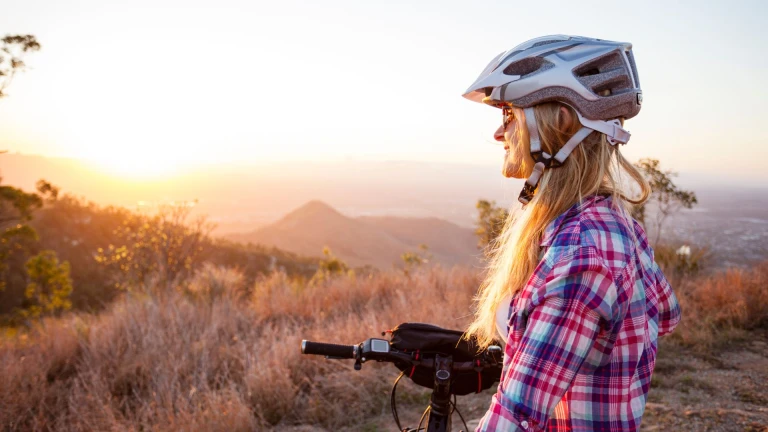
Embracing the Adventure
The essence of bikepacking lies in embracing the adventure. Despite challenges, the experience offers opportunities to appreciate nature, learn new skills, and enjoy the journey. Inviting experienced friends can provide guidance and moral support. Documenting the trip through pictures, sketches, and savoring local experiences adds to the joy of bikepacking.
Bikepacking is a versatile and rewarding way to explore the outdoors on two wheels. From choosing the right bike and bags to packing efficiently and planning the route, every aspect contributes to a successful trip. While the emphasis is on traveling light, ensuring safety through proper gear and preparation is paramount. Reflecting on each adventure helps refine future plans, making bikepacking a continuously evolving and enjoyable pursuit.
Published at
About Author

Manya Shastry
Subscribe our Newsletter
Get our weekly tips and travel news!
Related Posts
9 Reasons Why Fiji Is the Best Place to Fall in Love
You’ve probably seen trending posts on Facebook featuring some exquisitely gorgeous beaches and crystal clear waters, some looking almost too good to be true. Heralded as the new Maldives, Fiji is...
6 Amazing Places to visit in Malaysia
Malaysia is a country that offers a rich diversity of cultures, landscapes, and attractions. Whether you are looking for a cosmopolitan city, a tropical island, a historical town, or a natural wonder, Malaysia has something for everyone. In this blog...
Top 10 Cultural Destinations in Thailand for a Journey Through Tradition!
Destinations in Thailand are always worth the time and interest because they are filled with incredible stories or distinct traditions. With its innate natural beauty, such a country must have an impressive history behind it. Get to know wh...
8 Places to visit in Thailand that you can’t miss
Thailand is a country that offers something for everyone: from glittering temples and golden beaches to vibrant cities and lush jungles. Whether you are looking for adventure, culture, relaxation, or romance, you will find it in the Land of Smiles. B...
Romantic Honeymoon Destinations in Asia
Planning for a romantic honeymoon in Asia? Choose one of these Honeymoon Destinations in Asia, which range from India to Thailand.Honeymoon destinations in Asia are some of the most popular choices for newlyweds who want to celebrate their love in a...
Latest Posts
Best New Year 2027 Destinations in India by Budget
Looking for a New Year getaway? Explore 10 destinations in India for welcoming 2027, with estimated budgets, things to do and tips for planning an affordable holiday.
Things to Do in Burkina Faso: Food, Culture and Unique Travel Experiences
Explore Burkina Faso's rich cultural heritage through traditional dishes, vibrant music, handmade textiles, major festivals and fascinating historic landscapes.
Madame Tussauds Singapore Launches Icons of India Diwali Campaign
Madame Tussauds Singapore and MakeMyTrip celebrate Diwali with the Icons of India campaign, featuring Bollywood wax figures and a special Buy One Get One ticket offer.
Best Time to Visit Mexico: Festivals, Hidden Gems & Travel Tips
Discover the best time to visit Mexico, from sunny Caribbean beaches and hidden colonial towns to vibrant festivals like Día de los Muertos and Oaxaca’s Guelaguetza. Explore seasonal travel tips, offbeat destinations, local food experiences and the best m
Best Places to Visit in India During Diwali Holidays 2026
Planning a Diwali holiday in 2026? Explore eight destinations across India, including Ayodhya, Jaipur, Amritsar, Goa and Varanasi, for a memorable festive getaway.