
Famous Festivals of India and Their Cultural Significance Explained: A Complete Guide
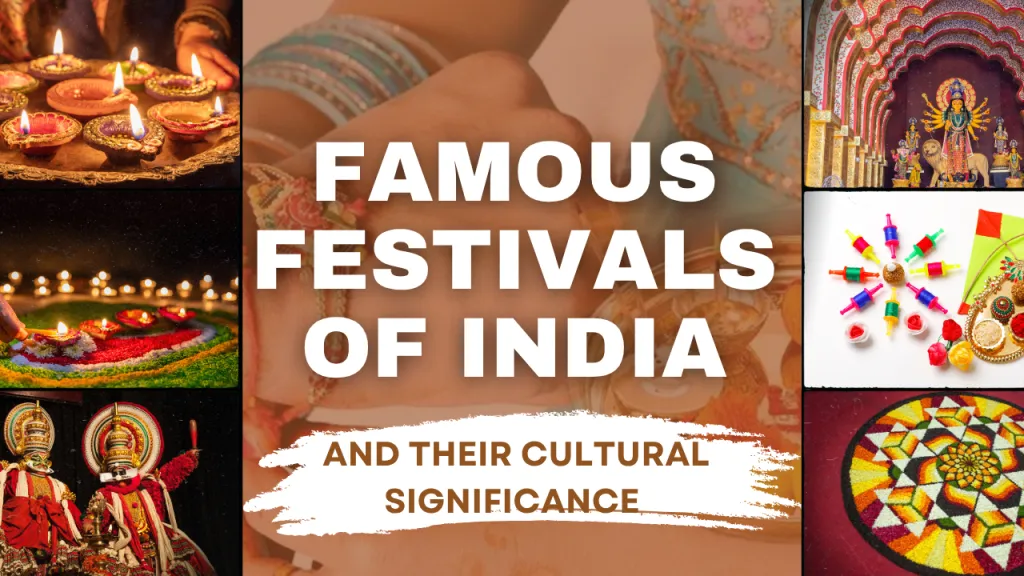
India is often described as a kaleidoscope of cultures, where every street corner tells a story and every season brings a reason to celebrate. Known globally as the "Land of Festivals," India’s calendar is an endless cycle of joy, color, and spiritual devotion. These celebrations are far more than just dates on a calendar; they are the threads that weave together the country's diverse ethnic, linguistic, and religious fabrics. From the snow-capped peaks of the Himalayas to the tropical backwaters of Kerala, festivals serve as a bridge between the ancient past and the modern present, offering a glimpse into the heart of Indian hospitality and heritage.
Here Below are Some of The most Iconic Festivals of India
1. Diwali: The Festival of Lights
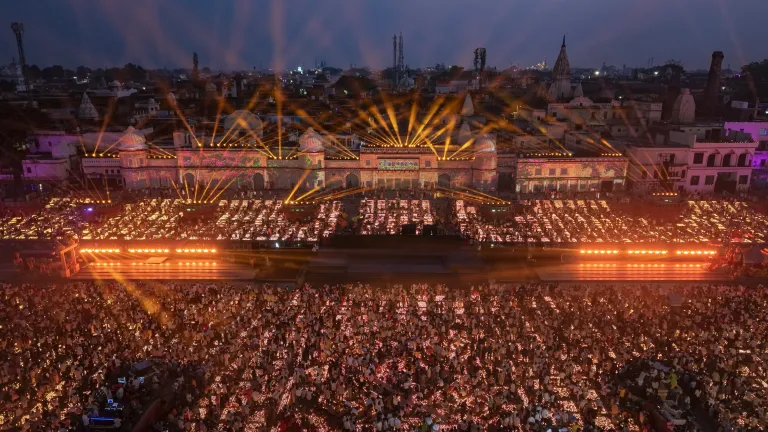 Image credit: Deccan herald
Diwali, or Deepavali, is the most iconic of all Indian festivals, symbolizing the victory of light over darkness and knowledge over ignorance.
Significance: It commemorates the return of Lord Rama to Ayodhya after 14 years of exile and his victory over the demon king Ravana. It also honors Lakshmi, the Goddess of Wealth.
Tradition: Families clean and decorate their homes with Rangoli (vibrant floor art), perform Lakshmi Puja, and exchange boxes of sweets and gifts.
Vibe: Magical and warm. The air is filled with the scent of jasmine and incense, the glow of thousands of oil lamps (diyas), and the sound of laughter and occasional firecrackers.
Where to Celebrate
Varanasi: To witness the spectacular Dev Deepavali on the ghats.
Ayodhya: The spiritual home of Diwali with record-breaking lamp lightings.
Jaipur: Famous for its beautifully illuminated markets and palaces.
Amritsar: For the stunning golden glow of the Golden Temple.
Also Read: 7 Light Festivals Beyond Diwali to Witness in India This Year
2. Holi: The Festival of Colors
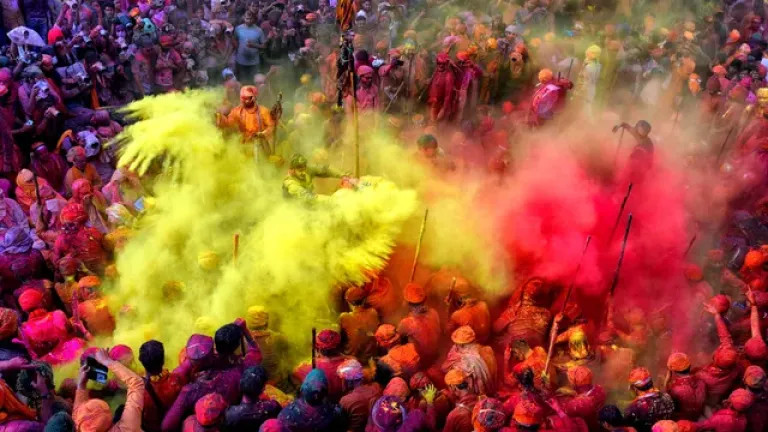 Image credit: CNN traveller
Holi is a boisterous, high-energy celebration that marks the arrival of spring and the end of winter’s chill.
Significance: It celebrates the legend of Prahlad and Holika, signifying the triumph of true devotion. It is also a celebration of the divine love between Radha and Krishna.
Tradition: People gather in the streets to smear each other with Gulal (colored powder) and water. The night before, a bonfire called Holika Dahan is lit to burn away evil.
Vibe: Electric, messy, and uninhibited. It is a day where social hierarchies dissolve, and everyone is united by a rainbow of colors and the rhythm of Dhol drums.
Where to Celebrate:
Mathura & Vrindavan: For the most authentic, high-energy temple celebrations.
Barsana: To witness the unique Lathmar Holi (where women playfully beat men with sticks).
Pushkar: Known for its massive, backpacker-friendly street parties.
Udaipur: For a royal celebration hosted by the Mewar family.
3. Ganesh Chaturthi: The Arrival of the Elephant God
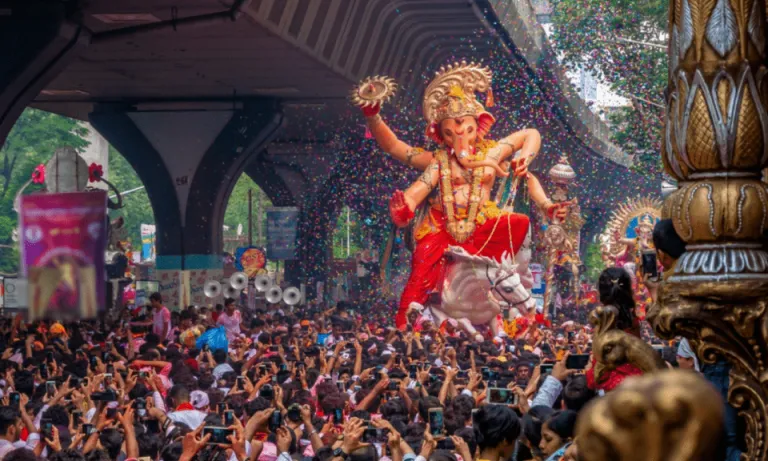 Image credit: HW news
This festival celebrates the birth of Lord Ganesha, the elephant-headed deity who is the patron of arts, sciences, and the remover of obstacles.
Significance: While a religious event, it was popularized as a public festival to unite people across different castes and backgrounds. It represents new beginnings and wisdom.
Tradition: Exquisite clay idols of Ganesha are installed in homes and grand public Pandals. After 10 days of worship, the idols are carried in massive processions to be immersed in water (Visarjan).
Vibe: Intense and rhythmic. The streets echo with chants of "Ganpati Bappa Morya" and the thunderous beats of traditional drum troupes.
Where to Celebrate:
Mumbai: Home to the world-famous Lalbaugcha Raja and massive sea immersions.
Pune: The birthplace of public celebrations with traditional Dhol-Tasha drum troupes.
Hyderabad: Famous for its massive, towering Khairatabad Ganesh idol.
Goa: For a more traditional, village-centric "Chovoth" experience.
Also Read: Ganesh Chaturthi Travel Destinations in Maharashtra Beyond Mumbai
4. Eid-ul-Fitr: The Breaking of the Fast
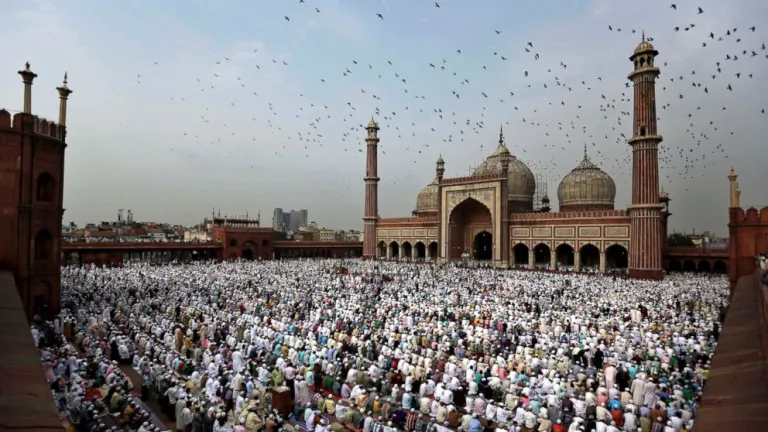 Image credit: Good Morning America
Marking the conclusion of Ramadan, the Islamic holy month of fasting, Eid-ul-Fitr is a day of gratitude, charity, and brotherhood.
Significance: It is a time of spiritual renewal and a celebration of the strength and discipline shown during the fast. It emphasizes the importance of community and helping the less fortunate.
Tradition: Devotees gather for special prayers (Salat) in large open grounds or mosques. It is customary to give Zakat (charity) and visit friends and family to share a meal.
Vibe: Serene yet celebratory. The air is filled with the aroma of Sheer Khurma (sweet vermicelli) and the warmth of "Eid Mubarak" embraces.
Where to Celebrate:
Old Delhi (Jama Masjid): For a sea of devotees and incredible street food in Chandni Chowk.
Hyderabad (Charminar): To experience the rich Nizami culture and famous Haleem.
Lucknow: Known for its sophisticated "Tehzeeb" and grand Eidgah prayers.
Srinagar: For a serene celebration with a backdrop of the Himalayas.
5. Durga Puja & Navratri: The Power of the Goddess
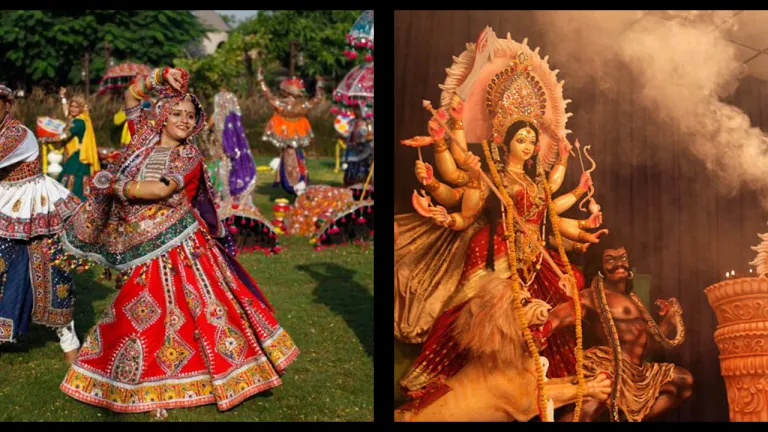 Image credit: Canva
This nine-night festival celebrates the Divine Feminine (Shakti) and the victory of Goddess Durga over the buffalo demon Mahishasura.
Significance: It honors the strength of women and the ultimate victory of good over evil. In many parts of India, it is also a celebration of the harvest.
Tradition: In the West, people perform Garba and Dandiya dances. In the East, stunning Pandals house artistic idols of the Goddess, accompanied by the hypnotic sound of Dhak drums.
Vibe: Artistic and high-spirited. From the rhythmic clacking of sticks in Gujarat to the elaborate street food stalls in Bengal, it is a sensory explosion.
Where to Celebrate:
Kolkata: To see the city transform into an open-air art gallery during Durga Puja.
Ahmedabad/Vadodara: The global hubs for high-energy Garba and Dandiya.
Mysuru: For the 400-year-old Dasara procession at the illuminated Mysore Palace.
Kullu: For the unique Kullu Dussehra where deities from all over the valley meet.
Also Read: Best Indian Festivals to Experience in 2026: Complete Travel & Cultural Guide
6. Onam: The Harvest Festival of Kerala
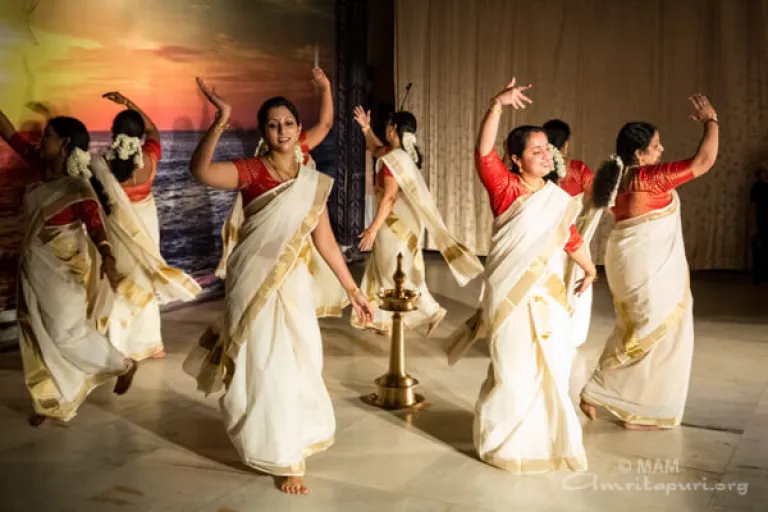 Image credit: Amritapuri.org
Onam is the official state festival of Kerala, celebrated by all regardless of religion, welcoming the spirit of the benevolent King Mahabali.
Significance: It is a harvest festival that celebrates a mythical era of prosperity and equality. It represents the deep connection between the people and the land.
Tradition: Creating Pookalams (flower carpets), watching Vallam Kali (Snake Boat Races), and serving the Sadhya, a legendary vegetarian feast on a banana leaf.
Vibe: Lush and elegant. It features graceful traditional dances like Kathakali and Pulikali (tiger dance) against the backdrop of Kerala’s green landscapes.
Where to Celebrate:
Thiruvananthapuram: For the grand state-sponsored cultural illumination and parades.
Thrissur: To see the famous Pulikali (Tiger Dance) in the city center.
Aranmula: To witness the adrenaline-pumping Vallam Kali (Snake Boat Race).
Kochi: For the historic Athachamayam procession in Tripunithura.
Also Read: 7 Unmissable Festivals & Events in South India – 2026
7. Makar Sankranti & Pongal: The Harvest of the Sun
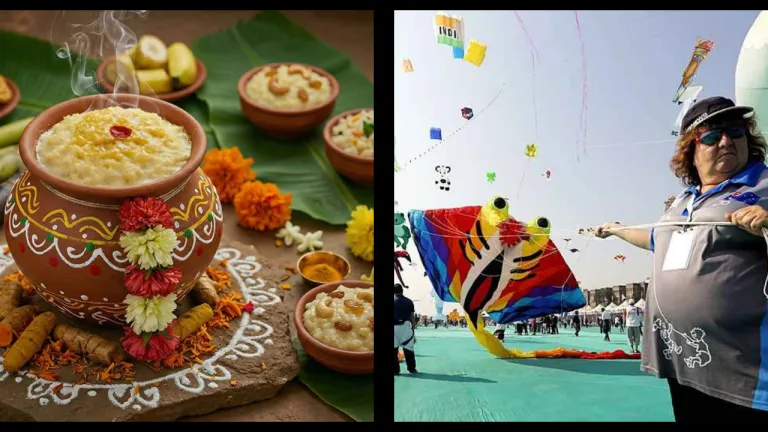 Image credit: Canva
Marking the sun’s transition into the zodiac sign of Capricorn (Makara), this festival celebrates the end of winter and the arrival of the harvest season across different states.
Significance: It is a thanksgiving festival dedicated to the Sun God (Surya) for a bountiful harvest. It represents prosperity, the cycle of nature, and the start of longer, warmer days.
Tradition: In the North and West, the sky is filled with colorful kites. In the South, especially Tamil Nadu, "Pongal" (a dish of rice and milk) is boiled in decorated pots until it overflows, symbolizing abundance.
Vibe: Bright and breezy. The air is filled with shouts of "Kai Po Che" from rooftops in Gujarat and the aromatic steam of freshly cooked jaggery and rice in South Indian courtyards.
Where to Celebrate:
Ahmedabad: Host of the International Kite Festival (Uttarayan).
Madurai: To witness the traditional Jallikattu and authentic Tamil Pongal rituals.
Haridwar: For a holy dip in the Ganges to mark the auspicious transition.
Assam (Bihu): To experience the "Magh Bihu" bonfires and traditional folk dances.
8. Raksha Bandhan: The Thread of Protection
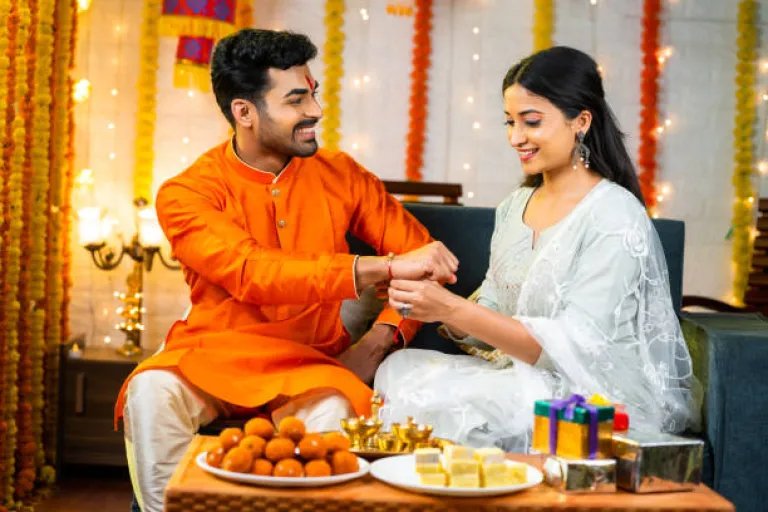 Image credit: Sloshout
This heartwarming festival celebrates the eternal bond of love and duty between brothers and sisters.
Significance: The name translates to "the bond of protection." It honors the sibling relationship, where a sister prays for her brother's well-being and the brother vows to protect her throughout his life.
Tradition: Sisters tie a decorative silk thread called a Rakhi around their brothers' wrists and apply a tilak to their foreheads. In return, brothers offer gifts and a symbolic promise of support.
Vibe: Intimate and nostalgic. It is a day of family reunions, the rustle of new ethnic wear, and the constant passing of plates filled with home-cooked sweets and dry fruits.
Where to Celebrate:
Delhi/NCR: Where the markets become colorful hubs for Rakhi shopping and family reunions.
Vrindavan: Celebrated with deep spiritual fervor in the temples of Krishna.
Udaipur: For a traditional Rajasthani experience of the bond between siblings.
Mumbai: Where the festival often coincides with Narali Purnima (the coconut festival) of the fishing community.
Also Read: 5 Sand Dune Festivals in the Thar Desert During Winter
Why These Festivals Matter
 Image credit: Kidsstoppers
Beyond the rituals, Indian festivals serve a vital social purpose:
Strengthening Bonds: They bring families and neighbors together, often bridging the gap between different generations.
Economic Impact: Festivals provide a massive boost to local artisans, weavers, and small businesses.
Preserving Heritage: Each festival is a living classroom, passing down stories, folk music, and traditional recipes to the next generation.
In a world that is rapidly modernizing, these festivals keep India rooted in its values of tolerance, joy, and togetherness.
Final Thoughts
To experience a festival in India is to experience the country at its most authentic. These celebrations are a testament to the Indian spirit—one that finds joy in community, seeks light in the face of darkness, and welcomes every guest with open arms. Whether you are dancing in the streets of Gujarat or watching the lamps float down the Ganges, these festivals remind us that despite our differences, the human desire for celebration and togetherness is universal.
Published at
About Author

Tashvi Gala
Subscribe our Newsletter
Get our weekly tips and travel news!
Related Posts
10 Must-See Sights in Jaipur, India’s Pink City (2023)
India, with its mysterious and exotic charms, is just the sort of country that even a whole lifetime spent exploring wouldn’t be able to suffice. From the majestic Himalayan mountain peaks to charm...
5 Koreatowns in Southeast Asia You Need to Visit in Your Lifetime!
Picture this: You’re watching a Korean drama where the main characters are walking along Seoul’s vibrant streets. It’s a cold winter night. They enter a pocha (a local bar with food) where...
13 Historic Sites in the Philippines to Visit (2023)
The Philippines has long been considered a top tourist destination by people all over the world. Not only does it have plenty of
Top 10 Cultural Destinations in Thailand for a Journey Through Tradition!
Destinations in Thailand are always worth the time and interest because they are filled with incredible stories or distinct traditions. With its innate natural beauty, such a country must have an impressive history behind it. Get to know wh...
West Bengal: Tagore's Residence Santiniketan Achieves UNESCO World Heritage Status
Santiniketan, a town in West Bengal's Birbhum region where Nobel laureate Rabindranath Tagore spent much of his life, has been added to the UNESCO World Heritage List.
Latest Posts
Tanzania Introduces Mandatory Travel Insurance for Foreign Visitors in 2026
Planning a trip to Tanzania? A new mandatory travel insurance requirement took effect on 1 October 2026. Here is what international visitors need to know before travelling.
10 Underrated Places to Travel in 2026: Beautiful Destinations Away from the Crowds
Escape the usual tourist hotspots and discover 10 underrated places to travel in 2026, featuring scenic mountain valleys, historic towns, remote islands and peaceful coastal escapes.
Best Emerging Travel Destinations for Indians in 2027: 7 Places to Visit Before They Get Popular
Looking for somewhere new to travel in 2027? Explore seven emerging destinations, including Bishkek, Okinawa, Malvan, Pokhara and Phu Quoc, for your next adventure.
October Getaways: 15 Best Places to Visit in India Before the Winter Rush
October is one of the best months to travel across India, with the monsoon retreating, cooler weather arriving and the country's festive season coming alive.
Austria Visa for Indians: Types and Requirements 2026
Planning a trip to Austria from India? This complete guide covers Austria visa types for Indians, including tourist, visitor, business, student, work and medical visas.