
How Climate Change Is Reshaping Travel Planning
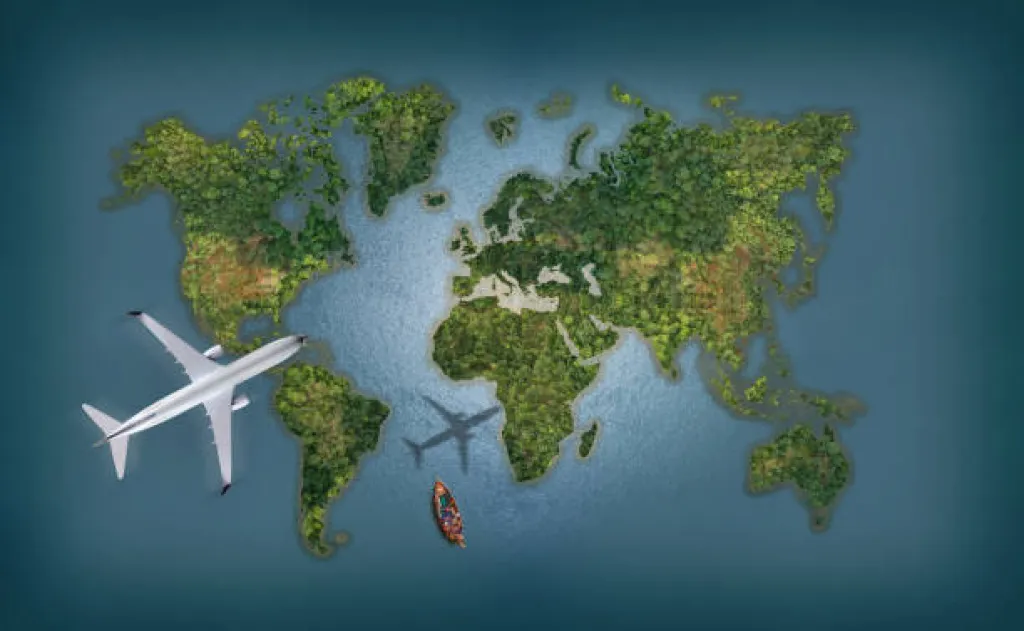
For decades, travel guides, brochures, and seasoned globetrotters have relied on one golden phrase: the best time to visit.
Whether it was Europe’s spring blossoms, the Caribbean’s winter sunshine, or Japan’s sakura season, these neat seasonal cues acted as a compass for wanderlust. Yet, as climate change intensifies, that compass is spinning wildly, pointing in unpredictable directions.
The reliable rhythm of seasons, the very backbone of global tourism is slipping away, leaving travelers to rethink not only when they travel, but also how.
Climate Change Is Reshaping Global Travel Plans
The Disappearing Rulebook of Seasons
Traditionally, tourism ran on predictable cycles: high season, shoulder season, and low season. A simple calendar could guide you, avoid Venice in August, head to the Swiss Alps in December, catch New England in October. But now, the rules are changing. Summer heatwaves scorch European cities earlier than expected, wildfires rage through Mediterranean coastlines in what used to be the peak holiday season, and winter resorts in the Alps sometimes struggle to guarantee snowfall even in January.
What was once reliable is now uncertain. The phrase “best time to visit” feels outdated, as travelers face the reality that the weather calendar is no longer a trustworthy guide.
Weather as the New Wildcard
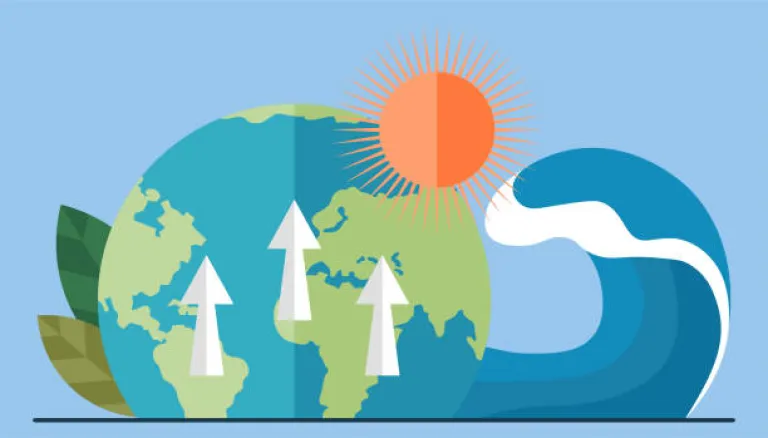
It’s not just about hotter summers or milder winters, it’s about unpredictability. A trip to Southeast Asia once promised dry, sunny escapes between November and February, but now, surprise monsoons can dampen the experience. Similarly, once-cool hill stations in India or Nepal are experiencing unseasonal heat waves, and beach vacations from California to Thailand are sometimes disrupted by tropical storms that don’t stick to their old schedules.
This unpredictability has turned weather into the ultimate wildcard. Instead of confidently planning six months ahead, travelers are now checking climate forecasts with the same urgency they reserve for flight prices.
Shifts in Popular Destinations

As climate change transforms landscapes, destinations are shifting in popularity. Places once considered too cold or remote are emerging as new tourist havens. For example, northern countries like Iceland, Norway, and even parts of Canada are welcoming more visitors than ever before, offering mild summers where southern Europe now swelters.
On the other hand, destinations traditionally thriving on “seasonal charm” are struggling. Ski resorts reliant on thick snow are now investing in artificial slopes, while tropical islands threatened by rising sea levels face the difficult task of balancing tourism with survival.
Travelers, in turn, are becoming explorers of the unexpected, venturing further north, seeking cooler alternatives, or choosing offbeat months to avoid both crowds and climate chaos.
Also read: Hobbidays: The Latest Global Travel Trend!
The Rise of Flexible Travel

In this new era, adaptability is becoming the traveler’s best companion. The rigid itineraries of the past, booked a year in advance, synced with traditional peak seasons are giving way to flexible planning. Last-minute bookings, open-date tickets, and travel insurance covering climate-related disruptions are on the rise.
Technology plays a key role here: apps track wildfire risks, websites update flood warnings in real time, and airlines adapt routes to dodge storms. Travelers are becoming more cautious but also more spontaneous, embracing the unpredictability with resilience.
Beyond Weather: A Shift in Mindset
But the influence of climate change on travel is not only practical, it’s also psychological. More travelers are now aware of their environmental footprint, leading to a surge in sustainable tourism. Eco-lodges, rail journeys, and low-carbon adventures are becoming not just ethical choices, but appealing alternatives.
There is also a growing sense of responsibility: protecting coral reefs, reducing plastic waste on beaches, supporting local communities recovering from climate disasters. Travel, once solely about escape and indulgence, is being reshaped into an act of awareness, sometimes even activism.
The Future of Travel Planning
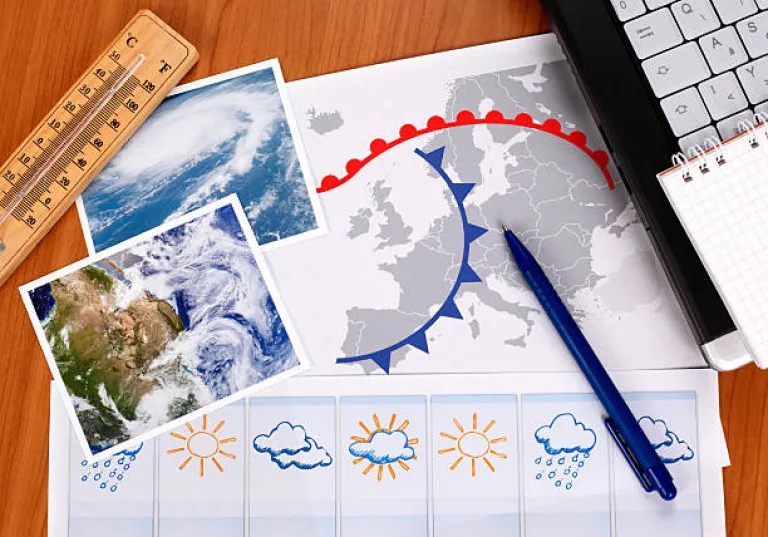
So, what does the future look like? Perhaps guidebooks will soon abandon the phrase “best time to visit” altogether, replacing it with adaptable windows of opportunity. Instead of promising sunny skies in July or snow in December, destinations might market themselves as year-round but weather-sensitive experiences, urging travelers to stay flexible.
The golden rule of tomorrow’s travel may not be about choosing the right season but embracing uncertainty. Journeys will be less about perfect conditions and more about meaningful experiences, even amidst unpredictability.
Also read: Sustainable Travel Starts With These 10 Tiny Habit Changes
A New Kind of Adventure
As climate change reshapes our planet, it is also rewriting the very way we explore it. Travel planning, once a predictable art, is becoming a dynamic dance with shifting seasons, fragile ecosystems, and unpredictable skies. While this new reality comes with challenges, it also offers opportunities to discover new destinations, to travel more responsibly, and to let go of rigid expectations.
Perhaps, in the end, the best time to travel is no longer dictated by the weather at all, but by the openness of the traveler.
Published at
About Author

Prerna Dixit
Subscribe our Newsletter
Get our weekly tips and travel news!
Related Posts
A spotlight on Over-tourism: Explained
A spotlight on Overtourism: Challenges & solutions in Japan, Croatia & India. Promoting off-season travel, limiting visitor numbers, and fostering community involvement offer pathways to mitigate its impacts.
How to be a Responsible Traveler This World Environment Day 2025
Practical tips for sustainable choices in accommodation, transport, and local engagement, minimizing your impact and preserving our planet for future generations.
World Environment Day 2025: Why Sustainable Tourism Matters More Than Ever
Sustainable tourism is crucial!
Yoga Day 2025: Easy Yoga to Rejuvenate Your Body and Mind at Your Desk
Desk job fatigue? This International Yoga Day, learn simple, India-inspired yoga poses and exercises to revitalize your body and mind, right from your chair.
Yoga Day 2025: Yoga Poses for a Healthy Traveler!
Discover how to reduce jet lag, boost energy, and find your calm no matter where your journey takes you.
Latest Posts
Best Places to Visit in Mysore During Dasara 2026
Explore the best places to visit in Mysore during Dasara 2026, from the illuminated palace and historic temples to colourful markets and cultural events.
Top 7 Visa-Free Destinations for Indians in 2026: Travel Abroad Without the Visa Hassle
Discover 7 visa-free countries for Indians in 2026, including entry rules, travel costs, top attractions and practical tips for planning your next international trip.
Oktoberfest 2026 for Indians: Germany Visa, Cost, Flights & Complete Travel Guide
Dreaming of Oktoberfest in Germany? Here is your complete guide for Indian travellers, covering German visas, flights from India, accommodation, beer prices, budgets and everything you should know before visiting Munich's biggest festival.
10 Peaceful Things to Do in Rishikesh Away from Crowds
Discover 10 peaceful things to do in Rishikesh, from hidden waterfalls and quiet riverside walks to scenic mountain views, forest trails and relaxing yoga retreats.
India Rises to 31st Place in Global Travel and Tourism Index 2026
India has climbed to 31st place in the WEF's 2026 Travel & Tourism Development Index, reflecting progress in tourism infrastructure and cultural resources.