
Greece's Best-Kept Secrets: 7 Beautiful Places to Visit Beyond Santorini
Discover the Greece Beyond the Postcards
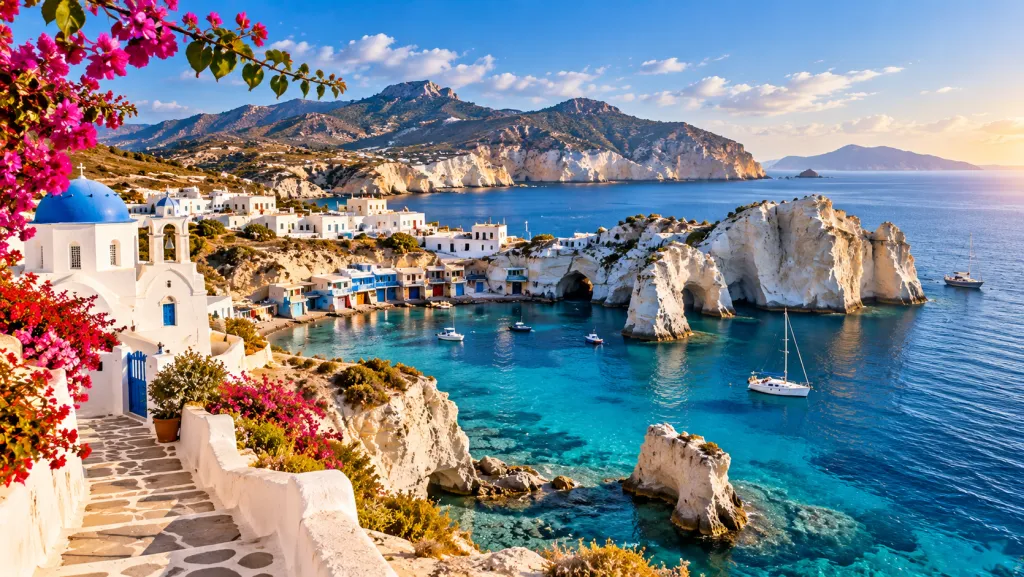
Greece has a way of making the extraordinary look effortless. Whitewashed houses cling to hillsides, fishing boats drift across turquoise bays, and narrow stone lanes open into little squares where cafés spill out beneath flowering bougainvillea. It is the kind of scenery that makes travellers want to stay a little longer.
Yet, for many visitors, a Greek holiday begins and ends with Santorini and Mykonos. While these famous islands deserve their reputation, the Aegean Sea holds countless other destinations where the experience can feel more intimate, the landscapes more unexpected and the pace of life refreshingly unhurried.
One island that has increasingly captured travellers' attention is Milos. Once a quieter alternative to Greece's better-known destinations, it is now attracting visitors with its extraordinary volcanic coastline, secluded-looking coves and colourful fishing villages. Its growing popularity raises an interesting question: what other Greek islands deserve a place on your itinerary before they become the next big travel trend?
From the sculpted white rocks of Milos to the cliffside villages of Folegandros and the culinary traditions of Sifnos, these seven destinations reveal a different side of Greece. They may not all be undiscovered, but each offers a compelling reason to look beyond the usual island-hopping route.
1. Milos: Greece's Otherworldly Volcanic Island
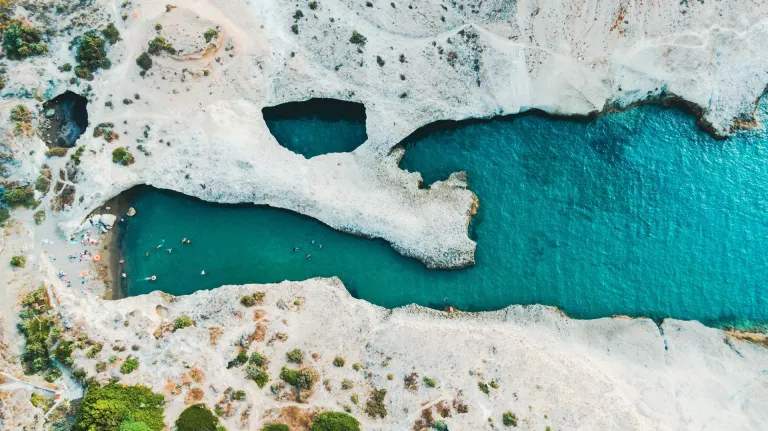 Image credit: dronepicr / Wikimedia Commons / CC BY 2.0
Milos is the kind of destination that makes you look twice. Located in the Cyclades, this volcanic island is known for its striking rock formations, colourful fishing settlements and beaches that seem to change character around every corner.
Its rise in popularity is part of a wider shift in Greek travel. Visitors who once headed straight for Santorini are increasingly exploring islands that offer something different, and Milos delivers a landscape that feels almost otherworldly.
What makes Milos special?
Begin at Sarakiniko, where smooth white volcanic rock curves around brilliant blue water. The landscape resembles a lunar surface, creating one of the island's most recognisable views. Early mornings are particularly appealing for photography, when the light is softer and the atmosphere can be quieter.
Continue to Kleftiko, a dramatic collection of white sea cliffs, caves and rock arches best experienced by boat. The coastline here is the main attraction, with the sea revealing shades of turquoise and deep blue between the rocks.
For a glimpse of traditional island life, visit Klima. Its colourful syrmata - waterfront buildings traditionally used by fishermen to shelter their boats - line the shore in bright shades of red, blue and yellow.
Spend an evening wandering through Plaka, the island's hilltop capital, where narrow lanes, traditional tavernas and elevated viewpoints create an inviting setting for sunset.
2. Folegandros: A Cliffside Escape with Old-World Charm
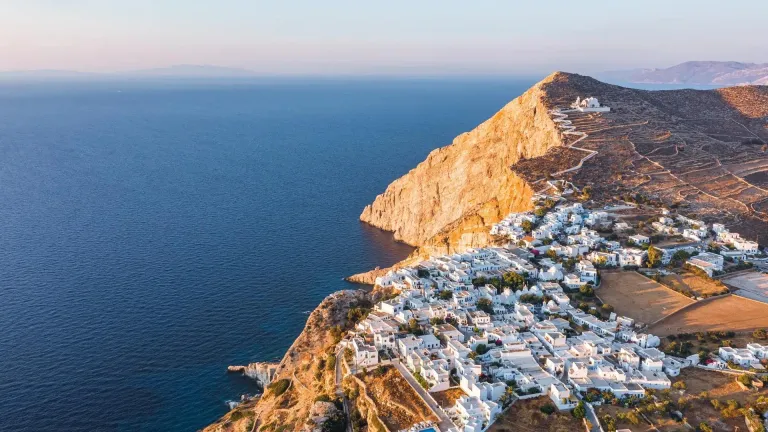 Image credit: Etienne O. Dallaire / Wikimedia Commons / CC BY 4.0
If Milos is about dramatic landscapes, Folegandros is about atmosphere. This small Cycladic island combines rugged cliffs, quiet beaches and traditional whitewashed architecture without the scale of tourism found on some of its better-known neighbours.
At the heart of the island is Chora, a beautiful settlement perched high above the Aegean. Its narrow lanes wind between white houses, colourful shutters, small squares and traditional cafés. There is no need to follow a strict sightseeing schedule here; some of the island's best moments come from simply wandering.
What should you explore?
Walk up to the Church of Panagia, which stands above Chora and offers sweeping views of the island and surrounding sea. Sunset is especially beautiful, although it is worth arriving early to enjoy the setting at a relaxed pace.
During the day, explore beaches such as Agali and Katergo. Some coastal spots require a boat transfer or a walk, so plan according to the weather and your preferred level of adventure.
For travellers who enjoy walking, the island's network of traditional paths connects villages, chapels and coastal viewpoints. These routes offer a chance to experience the island beyond its most photographed locations.
Folegandros is not a destination for rushing from one attraction to another. It is a place for long lunches, unhurried evenings and the pleasure of discovering a quiet corner without a checklist.
3. Sifnos: Where Beautiful Landscapes Meet Greek Food
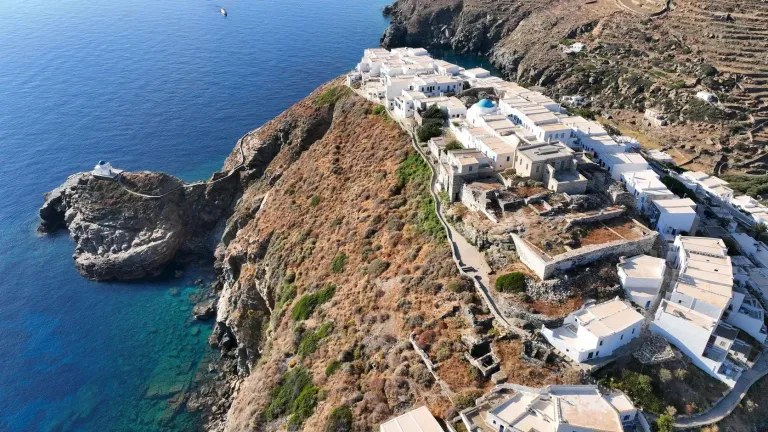 Image credit: Kondephy / Wikimedia Commons / CC BY-SA 4.0
Some destinations win you over with their beaches. Sifnos adds something else to the experience: a strong culinary identity and a living tradition of local crafts.
Part of the Cyclades, Sifnos is characterised by whitewashed villages, hillside chapels, old walking paths and beaches with clear Aegean waters. It feels well suited to travellers who want their holiday to include more than sunbathing and sightseeing.
What makes Sifnos worth visiting?
Start with Kastro, a historic settlement perched above the sea, where narrow lanes and traditional architecture reward a slow wander. Visit the Chrysopigi Monastery, dramatically positioned on a rocky outcrop beside the water.
The island also has a longstanding pottery tradition. Exploring local workshops offers a glimpse into a craft that remains connected to everyday island life.
Then there is the food. Look out for revithada, a slow-baked chickpea dish, and mastelo, a traditional preparation of lamb or goat cooked in a clay pot. These regional specialities offer a delicious introduction to Sifnian cooking.
For a beach day, consider Vathy or Platys Gialos. If you prefer walking, explore the island's network of paths linking villages, chapels and coastal scenery.
Sifnos is particularly appealing to travellers who believe that understanding a destination involves tasting its food, meeting its makers and noticing the details that make local life distinctive.
4. Sikinos: A Quieter Side of the Cyclades
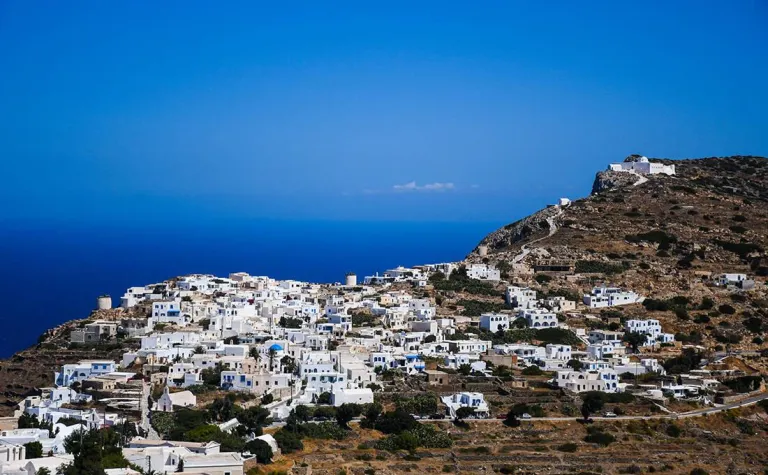 Image credit: Zde / Wikimedia Commons / CC BY-SA 4.0
For travellers who want to step away from crowded waterfronts and busy nightlife, Sikinos offers a more understated experience. It is a small island where the landscape, traditional settlements and simple pleasures of coastal life take centre stage.
Its capital, Chora, sits high above the sea, with whitewashed buildings, narrow alleys and small squares that feel wonderfully removed from the rush of modern travel.
What should you see?
Spend time wandering through Chora, stopping at local cafés and taking in the views from the village's elevated position.
The island also has historic and religious landmarks, including the Monastery of Zoodochos Pigi and the Church of Episkopi, a distinctive monument with a history stretching back to antiquity.
Outside the settlements, walking paths lead through terraced landscapes, chapels and stretches of countryside. The island's natural environment is another reason to visit, particularly if you enjoy observing landscapes at a slower pace.
Sikinos is not about an endless list of activities. Its appeal lies in having time to appreciate the details: the sound of the wind, a quiet coastal view and an evening that unfolds without much planning.
5. Tinos: Traditional Villages, Marble Craftsmanship and Wild Beaches
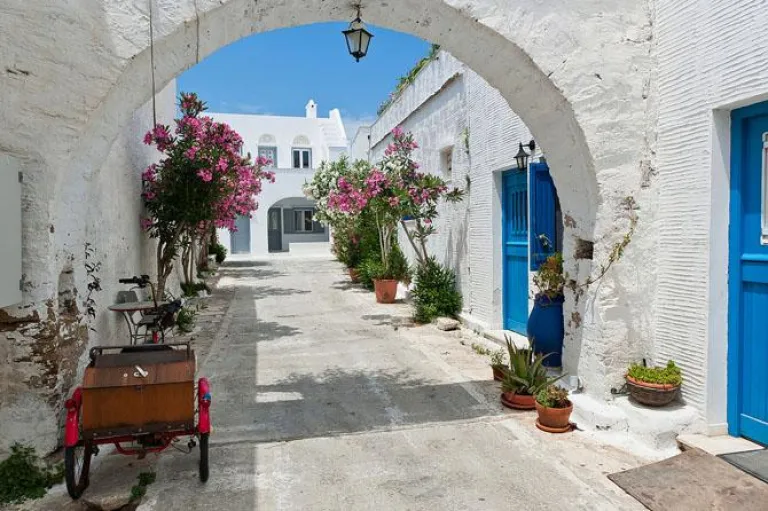 Image credit: Bernard Gagnon / Wikimedia Commons / CC BY-SA 3.0
Tinos is an island of contrasts. Its coastal landscapes range from sheltered sandy beaches to rugged stretches of shoreline, while inland villages reveal a rich architectural and artistic heritage.
Although Tinos is known in Greece as an important pilgrimage destination, it offers much more than religious tourism. Its traditional settlements, marble craftsmanship and walking routes make it an interesting choice for travellers who want to explore beyond the beach.
What makes Tinos different?
Begin in Pyrgos, a village closely associated with marble carving. The craft can be seen in architectural details, decorative features and local artistic traditions.
Continue to Volax, a settlement surrounded by unusual rounded granite boulders. The landscape feels strikingly different from the familiar white-and-blue imagery often associated with the Greek islands.
Tinos is also known for its dovecotes, distinctive structures traditionally used for raising pigeons. Many feature elaborate geometric patterns that make them fascinating architectural details to look out for while exploring the countryside.
For beach lovers, Kolymbithra offers a beautiful coastal setting, while other beaches around the island provide alternatives depending on wind and sea conditions.
6. Serifos: Rugged Hills and Unhurried Beach Days
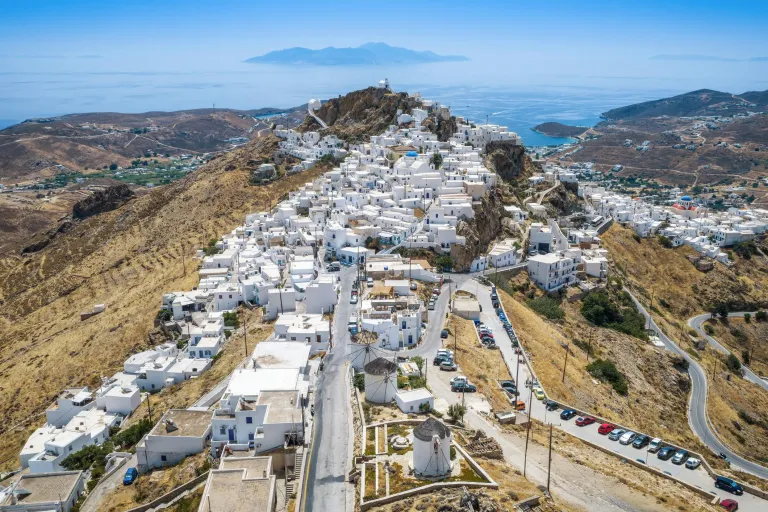 Image credit: Zde / Wikimedia Commons / CC BY-SA 4.0
Serifos is an excellent choice for travellers who want the appeal of the Cyclades without structuring every day around a famous attraction.
Its landscape is rugged and open, with dry hills, traditional settlements and a coastline dotted with beaches. The island feels particularly suited to those who enjoy exploring at their own pace, stopping wherever a view catches their attention.
Places to explore in Serifos
The hilltop Chora is one of the island's highlights. Whitewashed buildings rise above the landscape, and walking through its narrow lanes leads to viewpoints overlooking the sea and surrounding hills.
Livadi, the island's main port, is a convenient base for accommodation and dining. From there, you can explore different beaches, choosing between accessible stretches of sand and more secluded coves.
For a more active day, look into local hiking routes that pass through the island's dry-stone landscapes and traditional settlements. Always check route conditions and carry sufficient water, particularly during the hotter months.
Serifos is a destination for travellers who appreciate a balance of simplicity and scenery. You can spend the morning swimming, the afternoon wandering through Chora and the evening enjoying dinner without feeling compelled to fit in another attraction.
7. Amorgos: Dramatic Cliffs and the Deep Blue Aegean
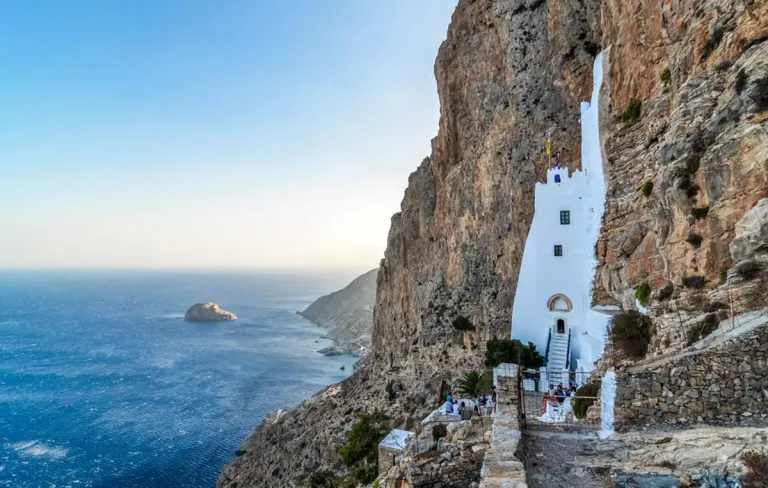 Image credit: Fbarbe / Wikimedia Commons / CC BY-SA 4.0
Amorgos stands out for its rugged beauty. Its mountainous interior, steep coastal cliffs and deep-blue waters create a landscape that feels more dramatic than the gentle, sandy beaches many people associate with Greece.
It is also an appealing destination for travellers who like combining outdoor adventures with traditional village life.
What should you discover?
One of the island's most remarkable landmarks is the Monastery of Hozoviotissa, a white structure built into a steep cliff above the sea. Its striking position makes it one of the most memorable sights in the Cyclades. Visitors should check opening arrangements and dress requirements before arriving.
Explore Chora, the island's traditional capital, where narrow lanes and small squares create a charming setting for a leisurely walk.
Amorgos is also known for hiking trails that cross the island's mountainous terrain and connect settlements with coastal viewpoints. Choose a route appropriate to your fitness level and check weather conditions before setting out.
For a swim, Agia Anna is a famous coastal spot near the monastery, known for its clear water and dramatic rocky setting. It is a beautiful place to pause and appreciate the island's rugged character.
How to Plan a Greek Island Trip Beyond Santorini
Exploring these destinations requires a little more planning than visiting a single major island, but the reward is a more varied holiday.
How many days do you need?
4-5 days: Focus on Milos and one nearby island, depending on ferry connections.
7 days: Choose two or three islands rather than attempting to visit all seven.
10-14 days: Combine several destinations at a comfortable pace, allowing for travel days and possible schedule changes.
Milos, Sifnos, Serifos and Folegandros belong to the Cyclades, but ferry connections vary by season and route. Sikinos, Tinos and Amorgos also have different transport patterns, so check your intended connections before deciding on the order of travel.
When is the best time to visit?
May and June: A good choice for warm weather, outdoor exploration and a generally quieter atmosphere than the peak summer period.
July and August: Ideal for a classic summer beach holiday, but expect higher demand, busier ferries and stronger winds on some days.
September: Often a rewarding time to visit, with warm sea temperatures and a more relaxed atmosphere after the peak summer rush.
April and October: Can be attractive for walking, village exploration and quieter travel, although some seasonal businesses and ferry services may operate less frequently.
Weather and operating schedules vary from year to year, so verify conditions close to departure.
How do you get around?
Most island-hopping itineraries rely on ferries, with some islands also offering flights from Athens. On arrival, local buses, taxis and rental vehicles can help you explore, depending on the destination.
Book accommodation close to your preferred base, check how far beaches and villages are from one another, and avoid scheduling a tight connection between separate ferry journeys.
Final Thoughts: Greece Is More Than Its Famous Islands
The beauty of Greece lies not only in the destinations everyone recognises, but also in the places that invite you to slow down and explore a little further.
Milos offers surreal volcanic landscapes and colourful waterfront villages. Folegandros rewards unhurried evenings above the Aegean. Sifnos brings together food, craft and village life, while Sikinos offers a quieter rhythm. Tinos, Serifos and Amorgos add their own mix of culture, rugged coastlines and outdoor experiences.
These islands are no longer entirely under the radar, and their growing appeal is part of what makes them worth considering now. Rather than searching for somewhere completely untouched, look for a destination that matches the way you want to travel.
Choose fewer islands, stay long enough to understand their character, and leave room for discoveries that never make it onto a standard itinerary. Sometimes, the best part of a Greek holiday is not the famous view you came to see, but the little village, quiet beach or sunset you found along the way.
Frequently Asked Questions
What are the best hidden gems in Greece?
Milos, Folegandros, Sifnos, Sikinos, Tinos, Serifos and Amorgos are excellent options for travellers seeking distinctive landscapes, traditional villages and alternatives to Greece's busiest island destinations.
Is Milos still a hidden gem?
Milos has become increasingly popular because of its volcanic scenery, unusual beaches and colourful fishing villages. It is no longer an undiscovered destination, but it still offers experiences that feel different from the classic Santorini or Mykonos holiday.
Which Greek island is best for a quiet holiday?
Sikinos and Folegandros are appealing choices for travellers seeking a slower pace. The level of tranquillity depends on the season, the area you stay in and local visitor numbers.
Which Greek islands are best for couples?
Folegandros is particularly attractive for its cliffside setting and sunset views. Milos is another excellent option for couples interested in coastal scenery, boat trips and distinctive beaches.
Can you visit several Greek islands in one week?
Yes, but two or three islands are a more comfortable target for a seven-day trip. Check ferry schedules and allow sufficient time for transfers rather than trying to cover too many destinations.
What should you pack for a Greek island holiday?
Pack comfortable walking shoes, swimwear, sun protection, a light layer for windy evenings, and suitable footwear for rocky beaches. If you plan to hike, bring enough water and gear appropriate to your route.
Published at
About Author

Atihsin
Subscribe our Newsletter
Get our weekly tips and travel news!
Related Posts
Travel Guide to Dubai from India 2023
Welcome to the enchanting realm of Dubai, where ancient traditions seamlessly blend with futuristic marvels. In this comprehensive travel guide, we embark on a captivating journey from India to the dazzling desert metropolis of Dubai. From informatio...
8 Lesser-Known Traditional Markets to Visit in Korea
South Korea is undoubtedly a favourite destination for many travellers! However, instead of the usual shopping and eating, why not do something different for a change on your next trip?Take...
5 Koreatowns in Southeast Asia You Need to Visit in Your Lifetime!
Picture this: You’re watching a Korean drama where the main characters are walking along Seoul’s vibrant streets. It’s a cold winter night. They enter a pocha (a local bar with food) where...
10 Reasons to visit Türkiye (formerly Turkey)
Turkey is an increasingly popular destination for travellers all across the globe, and it’s not difficult to see why. Presenting the perfect marriage between natural phenomena and man-made wonders,...
9 Reasons Why Fiji Is the Best Place to Fall in Love
You’ve probably seen trending posts on Facebook featuring some exquisitely gorgeous beaches and crystal clear waters, some looking almost too good to be true. Heralded as the new Maldives, Fiji is...
Latest Posts
Planning a trip? Discover the different types of travel insurance, what they cover, common exclusions and how to decide whether travel insurance is worth it.
Bangalore’s Top 10 Best Garba Night Venues in 2026
Planning a festive night out? Explore 10 Garba and Dandiya events in Bangalore for Navratri 2026, with venues, dates and helpful booking tips.
Sri Lanka Trip Cost from India in 2026: Budget and 5-Day Itinerary
Planning a Sri Lanka holiday? Explore the estimated 2026 trip cost from India, visa rules, top destinations and a 5-day itinerary.
Best Places to Visit in Goa in December 2026 for Christmas and New Year
Planning a festive getaway? Explore the best places to visit in Goa in December 2026, including Baga Beach, Old Goa, Fontainhas and Palolem for Christmas and New Year.
Kashmir Travel Guide 2026: 7-Day Itinerary & Tips
Planning a trip to Kashmir? Explore the best places to visit, a practical 7-day itinerary, scenic stays, local food and essential travel tips for an unforgettable holiday.