
Gen Z Concert Tourism 2026: How Music Festivals Are Redefining Travel in India

India's travel landscape is witnessing a cultural revolution, and it's orchestrated by the country's youngest travelers. According to a groundbreaking Airbnb survey released this January, over 62% of India's Gen Z plans to travel specifically for concerts and music festivals in 2026, fundamentally reshaping how destinations attract visitors and how tourism revenue flows across the country.
This isn't just a trend—it's a seismic shift in travel behavior that's creating winners and losers in India's billion-dollar tourism industry.
The Rise of Experience-Led Tourism in India
Music has quietly become one of the most powerful forces shaping travel choices among young Indians. Unlike previous generations who planned vacations around holiday calendars or long weekends, Gen Z travelers are prioritizing live cultural experiences over traditional tourism patterns.
The numbers tell a compelling story. An impressive 76% of Gen Z respondents say they visited a city for the first time specifically to attend a concert or music festival. This means music events aren't just influencing when people travel—they're determining where people go, often introducing travelers to destinations that weren't previously on their radar.
"Growing interest in music concerts and festivals has paved the way for a new kind of traveler," explains Amanpreet Singh Bajaj, Airbnb's Country Head for India and Southeast Asia. "Someone who sees music as a gateway to discovering new destinations."
How Gen Z Plans Concert Travel Differently
The planning behavior of music-led travelers reveals fascinating insights into Gen Z's approach to travel. More than one-third (36%) start planning their trip immediately after an event announcement—often months before tickets even go on sale. This represents a dramatic departure from the spontaneous last-minute booking behavior typically associated with younger travelers.
The financial commitment is equally noteworthy. On average, Gen Z travelers spend approximately Rs 51,000 on a single event-led trip. This substantial investment reflects how seriously young Indians take their concert experiences, allocating between 21-40% of their monthly income toward music-led travel according to survey data.
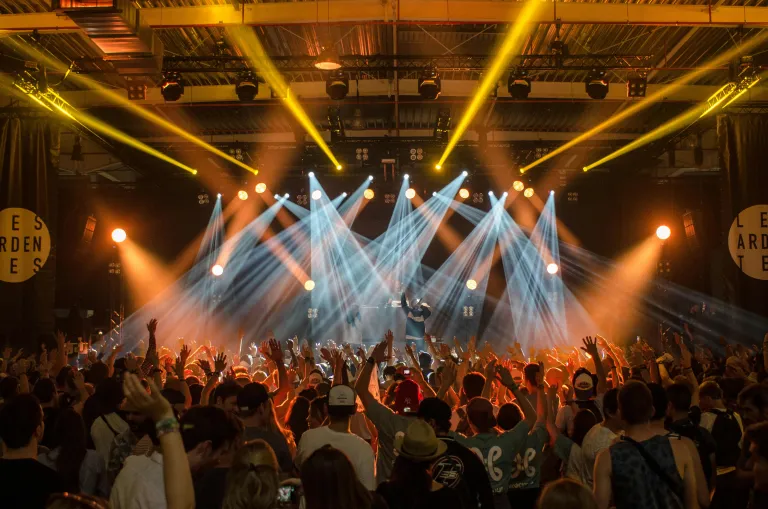
Economic impact extends beyond ticket prices. Around 53% of Gen Z travelers extend their stay beyond concert dates specifically to explore the host city, turning a one-day event into a multi-day cultural immersion. This extended visitation pattern benefits local economies significantly—from hotels and restaurants to cafes, auto-rickshaw drivers, and neighborhood shops that see increased footfall before and after major concerts.
Beyond Borders: International Concert Tourism
The geographic ambition of India's concert tourists is striking. Over 40% of Gen Z travelers express willingness to travel internationally for music events, with the United States leading destination preferences at 48%, followed closely by Asia (46%) and Europe (45%).
This international appetite creates interesting dynamics for India's outbound tourism sector. Airlines, travel agents, and accommodation providers are adapting offerings to capture this music-driven international travel demand. Concert packages that bundle flights, accommodation, and event tickets are becoming increasingly common, particularly for major international festivals and artist tours.
The social dimension amplifies this trend. Approximately 70% of Gen Z concert attendees travel in groups or with friends rather than solo, creating demand for group-friendly accommodations and shared travel experiences. This preference for communal experiences is reshaping accommodation demand patterns, with larger properties and entire apartment rentals seeing increased bookings during major music events.
Festival Cities: The New Tourism Hotspots
Large-format festivals exemplify this behavioral shift most dramatically. Lollapalooza India, held annually in Mumbai, demonstrates the stickiness of music tourism. Survey data reveals 62% of attendees cite the festival atmosphere as their primary reason for returning, while an overwhelming 98% express intent to attend future editions.
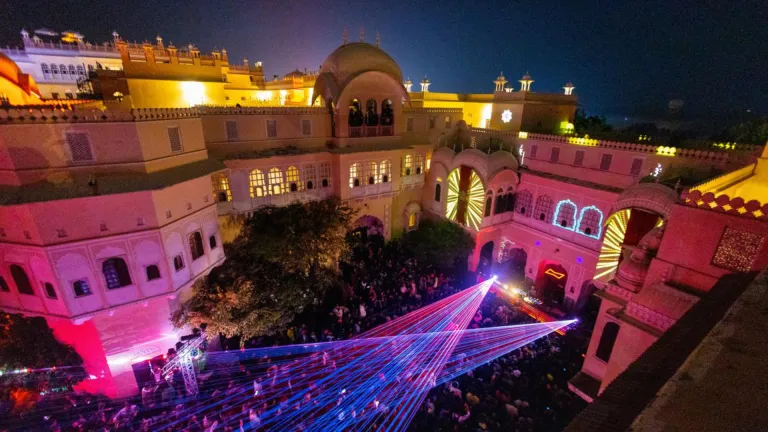
But it's not just about mega-festivals in major metros. Events like Ziro Music Festival in Arunachal Pradesh, Magnetic Fields in Rajasthan, and NH7 Weekender across multiple cities are introducing travelers to regions they might never have considered visiting otherwise. This geographic dispersion of tourism benefits destinations beyond India's traditional tourism circuits.
Cities hosting regular music events are experiencing transformation into cultural hotspots for young, dynamic audiences. Previously overlooked locations are rising to prominence as festival destinations, with local governments and tourism boards increasingly recognizing music events as powerful tools for destination marketing.
The Exploration Factor: Concerts as Destination Discovery
Perhaps most significantly, music-led travelers don't view concerts as isolated events. They're springboards for broader urban exploration and cultural discovery. Gen Z concert-goers actively seek out local neighborhoods, independent cafes, street food scenes, and nightlife venues, going well beyond the main event venue.
This exploration pattern creates meaningful economic impact for local businesses. Unlike conventional tourists who stick to established tourist districts, concert travelers venture into authentic local neighborhoods, supporting community-based businesses and creating more equitable distribution of tourism revenue.
For destinations, this means concerts offer dual benefits: immediate economic impact during the event plus extended benefits as first-time visitors return for non-event tourism after their positive initial experience. Cities successfully leveraging this include Mumbai, Bangalore, Pune, and Delhi-NCR, which regularly host major music events and benefit from repeat visitation.
Implications for India's Tourism Industry
This shift toward experience-led tourism carries significant implications for various tourism stakeholders:
For Destinations: Cities and states competing for tourism revenue must consider cultural programming and live events as seriously as traditional attractions. Investment in concert venues, festival infrastructure, and artist-friendly policies becomes crucial for staying competitive.
For Hospitality: Hotels, hostels, and homestays near major event venues command premium pricing during festivals. Properties that can accommodate groups comfortably have distinct advantages. Dynamic pricing strategies aligned with concert schedules optimize revenue.
For Airlines and Railways: Music event calendars are becoming important for route planning and schedule optimization. Special services during major festivals capture price-insensitive demand from concert tourists.
For Local Governments: Understanding that music tourism disperses economic benefits beyond traditional tourism zones provides compelling arguments for investing in cultural infrastructure and supporting live music ecosystems.
The Lollapalooza Effect and Beyond
Airbnb's partnership with Lollapalooza India 2026, taking place January 24-25 at Mumbai's Mahalaxmi Racecourse, represents recognition of music tourism's commercial significance. As part of Airbnb's first-ever global live music partnership, the collaboration offers unique fan experiences that deepen connections between music, travel, and cultural exploration.
This partnership model will likely expand as more brands recognize music tourism's power to drive travel decisions and create memorable experiences that build long-term customer relationships.
Looking Ahead: 2026 and Beyond
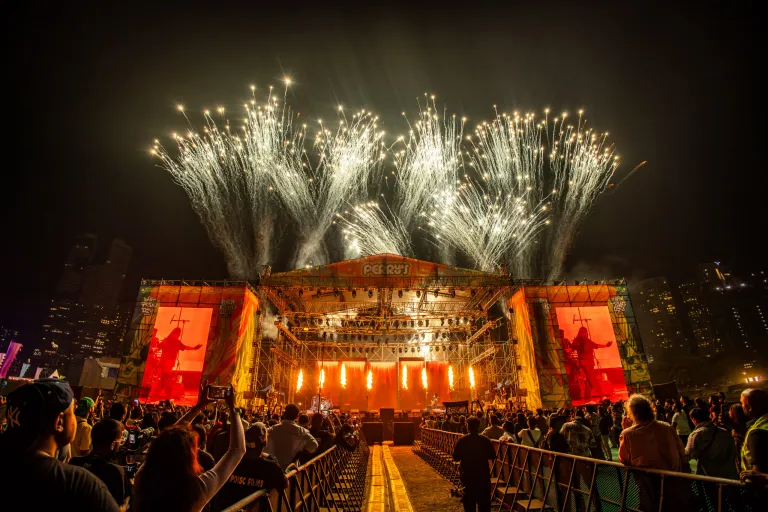
As India's concert and festival scene expands with more international artists touring the country and homegrown festivals multiplying, music-led tourism shows no signs of slowing. The trend aligns with broader shifts toward experiential consumption among younger Indians who prioritize creating memories over accumulating possessions.
For Gen Z, travel isn't about checking destinations off a bucket list—it's about participating in cultural moments that feel meaningful and shareable. Music provides the perfect vehicle for this kind of travel, combining adventure, community, discovery, and authentic cultural engagement in ways traditional tourism often struggles to deliver.
The message for India's tourism industry is clear: the future of travel planning isn't driven by calendars—it's driven by culture. And for Gen Z, music is the ultimate cultural compass, pointing them toward new cities, new experiences, and new ways of understanding the world around them.
As 2026 unfolds with packed concert calendars across India, one thing is certain: wherever the music goes, young India follows. And they're not just showing up for the show—they're staying for the story.
Gen Z travel trends 2026, concert tourism India, music festivals India, Gen Z tourism, experience-led travel, Lollapalooza India 2026, music-led trips, Gen Z travel behavior, festival tourism India, Airbnb Gen Z survey, youth travel trends India
Published at

Subscribe our Newsletter
Get our weekly tips and travel news!
Related Posts
West Bengal: Tagore's Residence Santiniketan Achieves UNESCO World Heritage Status
Santiniketan, a town in West Bengal's Birbhum region where Nobel laureate Rabindranath Tagore spent much of his life, has been added to the UNESCO World Heritage List.
UK Visitor Visa Fee Hiked: What's the New fee?
Planning to visit the United Kingdoms? Watchout for this Hike in Visa Charges. A UK tourist visa for less than six months will cost an additional £1,543 (£ 15), while UK student visas will cost an additional £13,070 (£127) for visitors from all over the w
India Issues Caution for Travel to Canada - Visa suspended
The advisory, issued by the Ministry of External Affairs (MEA), comes amid a diplomatic row between the two countries over allegations that the Indian government may be linked to the extra-judicial killing of a Sikh separatist in Canada.
First snowfall of the season in Gulmarg
As the chilly winds of winter start to sweep across the northern regions of India, Gulmarg, the crown jewel of Jammu and Kashmir, has once again transformed into a breathtaking winter wonderland. Nature's magic was on full display as Gulmarg recently...
Biswanath Ghat: Best tourism village of India 2023
In an exciting announcement, Biswanath Ghat in Assam has been crowned as India's "Best Tourism Village of 2023" by the Ministry of Tourism. This well-deserved recognition is a testament to the village's unique blend of cultural heritage, natural beau...
Latest Posts
Best New Year 2027 Destinations in India by Budget
Looking for a New Year getaway? Explore 10 destinations in India for welcoming 2027, with estimated budgets, things to do and tips for planning an affordable holiday.
Things to Do in Burkina Faso: Food, Culture and Unique Travel Experiences
Explore Burkina Faso's rich cultural heritage through traditional dishes, vibrant music, handmade textiles, major festivals and fascinating historic landscapes.
Madame Tussauds Singapore Launches Icons of India Diwali Campaign
Madame Tussauds Singapore and MakeMyTrip celebrate Diwali with the Icons of India campaign, featuring Bollywood wax figures and a special Buy One Get One ticket offer.
Best Time to Visit Mexico: Festivals, Hidden Gems & Travel Tips
Discover the best time to visit Mexico, from sunny Caribbean beaches and hidden colonial towns to vibrant festivals like Día de los Muertos and Oaxaca’s Guelaguetza. Explore seasonal travel tips, offbeat destinations, local food experiences and the best m
Best Places to Visit in India During Diwali Holidays 2026
Planning a Diwali holiday in 2026? Explore eight destinations across India, including Ayodhya, Jaipur, Amritsar, Goa and Varanasi, for a memorable festive getaway.