
IndiGo Fuel Surcharge Hike: Flight Tickets Get Costlier From October 6, 2026
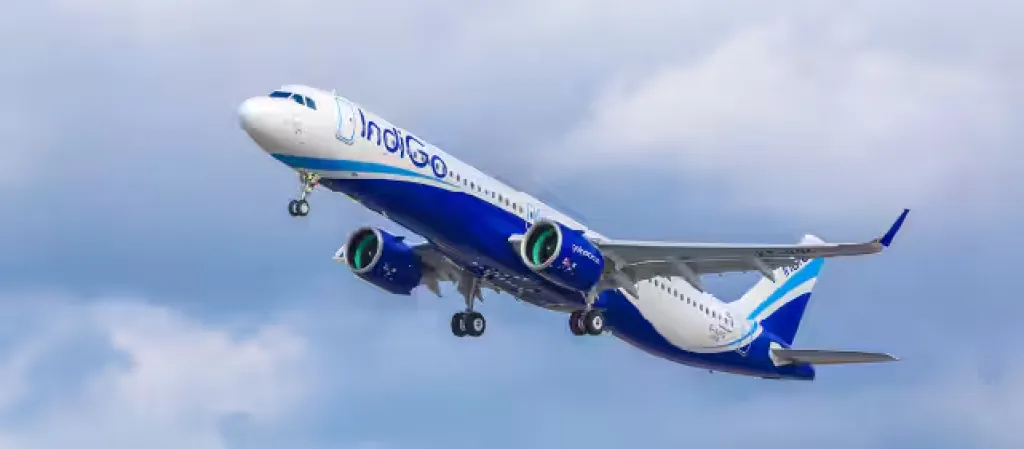
Flying with IndiGo is set to become more expensive as India's largest airline has announced a fresh increase in fuel charges on domestic and international flights from October 6, 2026.
The airline said the decision comes amid a sharp rise in Aviation Turbine Fuel (ATF) prices. The revised fuel charges will apply to all new IndiGo bookings made from 12:01 am on October 6.
For domestic flights, the revised fuel charge will range from ₹375 to ₹1,300 per sector, depending on the distance travelled. International passengers will also face higher fuel charges, with Europe-bound flights carrying the highest surcharge of ₹10,000 per sector.
IndiGo Fuel Surcharge Hike From October 6
IndiGo has revised its fuel charges for both domestic and international routes as rising jet-fuel costs put pressure on airline operating expenses.
The airline said the latest month-on-month increase in ATF prices exceeded 14%, pushing fuel costs to among their highest levels in the past decade.
The new charges will apply to new bookings made from October 6, 2026, meaning passengers booking IndiGo flights from that date will see the revised fuel component included in their fares.
Also Read: IndiGo Gaya-Bangkok Direct Flight From October 26: Schedule, Fare, Route & Everything Travellers Need to Know
New IndiGo Domestic Fuel Charges
The revised domestic fuel surcharge is distance-based.
Flight Distance | Earlier Fuel Charge | New Fuel Charge |
|---|---|---|
Up to 500 km | ₹275 | ₹375 |
501–1,000 km | ₹400 | ₹600 |
1,001–1,500 km | ₹600 | ₹900 |
1,501–2,000 km | ₹800 | ₹1,150 |
Above 2,000 km | ₹950 | ₹1,300 |
The increase ranges from ₹100 to ₹350 per sector, depending on the distance.
For passengers travelling on longer domestic routes, the additional charge will therefore be higher.
IndiGo International Flight Charges Also Increase
The fuel surcharge has also been revised for international flights.
The new charges include:
SAARC routes up to 500 km: ₹1,000
SAARC routes above 500 km: ₹3,000
Southeast Asia: ₹5,500
GCC and Middle East: ₹5,500
North and East Asia: ₹5,500
Africa: ₹6,000
Europe: ₹10,000
These charges apply per sector and will be applicable to new bookings from October 6.
Why Is IndiGo Increasing Fuel Charges?
The main reason is the sharp increase in Aviation Turbine Fuel prices.
Domestic ATF prices increased by around ₹16 per litre, or 13.2%, from October 1, rising from approximately ₹121 to ₹137 per litre. This followed increases in August and September, making it the third consecutive monthly increase.
IndiGo said geopolitical developments in the Middle East have contributed to volatility in fuel prices.
Since fuel represents a significant portion of airline operating costs, sustained increases can put pressure on airline finances and ticket prices.
How Much More Will IndiGo Tickets Cost?
The increase in the fuel charge does not mean every IndiGo ticket will automatically rise by exactly the same amount.
The final ticket price also includes other components such as:
Base fare
Fuel charge
Airport fees
Taxes
Government charges
Other applicable fees
Therefore, the total increase passengers see will depend on the route and booking.
However, the revised surcharge will directly add to the cost of new bookings made from October 6.
Festive Travel Could Become More Expensive
The timing of the increase is important because India is entering a busy festive travel period.
Passengers planning trips around Diwali, Dussehra, Christmas and New Year could face higher airfares as airlines deal with increased fuel costs and strong seasonal demand.
Domestic routes between major cities can become particularly expensive during peak travel dates because available seats tend to sell quickly.
Travellers planning festive journeys may therefore want to compare dates and book earlier rather than waiting until the last minute.
What Does the IndiGo Fuel Hike Mean for Indian Travellers?
For passengers, the immediate impact is straightforward: new IndiGo bookings from October 6 will carry higher fuel charges.
Travellers should consider:
Book Early Where Possible
If you already know your travel dates, checking fares before the revised charges take effect could be worthwhile.
Compare Different Travel Dates
Flying one or two days earlier or later can sometimes make a significant difference to the total fare.
Compare Airlines
Passengers can compare IndiGo fares with Air India, Air India Express, Akasa Air and other available carriers before booking.
Check the Complete Fare
Don't compare only the base fare. Look at the final price after taxes, fuel charges, baggage and other fees.
Is This IndiGo's First Fuel Charge Increase?
No.
IndiGo introduced fuel surcharges earlier this year and revised its domestic fuel-charge structure in April. The airline has now increased the charges again amid another sharp rise in ATF prices.
The latest increase is therefore part of a continuing effort by the airline to manage higher fuel-related operating costs.
Will Other Airlines Increase Their Fares Too?
IndiGo's decision does not automatically mean that every airline will introduce the same surcharge.
However, higher ATF prices can affect the broader airline industry because fuel is a major operating expense.
If elevated fuel prices continue, other carriers could also face pressure to adjust fares, fuel charges or capacity.
Travellers should therefore watch for further announcements from other airlines.
Will International Travel Become More Expensive?
For IndiGo passengers, international travel costs will increase through the revised fuel charges.
The largest increase in absolute terms is particularly relevant for Europe-bound travellers, where the new fuel charge is ₹10,000 per sector.
Passengers travelling to Southeast Asia, the Middle East and North and East Asia will face a ₹5,500 fuel charge per sector under the revised structure.
For a return journey, passengers should remember that the surcharge can apply to both directions, depending on the applicable booking structure.
What Travellers Can Do to Save Money
With airfares under pressure, travellers can use a few strategies to reduce their overall travel costs:
Book flights well in advance for peak periods.
Compare fares across multiple airlines.
Check nearby travel dates.
Consider early-morning or late-night flights.
Compare one-way and return combinations.
Avoid last-minute festive-season bookings.
Check baggage rules before selecting the cheapest fare.
Look for airline sales and promotional offers.
A slightly cheaper base fare may not always result in the lowest final ticket price, so travellers should compare the complete amount payable.
Final Takeaway
IndiGo is increasing fuel charges on domestic and international flights from October 6, 2026, as rising Aviation Turbine Fuel prices push up airline operating costs.
Domestic fuel charges will now range from ₹375 to ₹1,300 per sector, while international charges will range from ₹1,000 to ₹10,000, depending on the destination region.
The increase comes just as India's festive travel season gets underway, potentially putting additional pressure on passengers planning domestic holidays or international trips.
For travellers, the best approach is to compare total fares, check multiple travel dates and book early when possible, especially for popular festive-season routes.
Published at
About Author

Subscribe our Newsletter
Get our weekly tips and travel news!
Related Posts
Emirates’ A350 aircraft spreads its wings to India, offering latest travel experiences to customers
Emirates expands operations with A350 launch in India to Mumbai and Ahmedabad. The airline now serves five destinations with the latest aircraft. In addition to India, Emirates also flies to Edinburgh, Kuwait, and Bahrain.
Aftermath of Operation Sindhoor: Flights Suspended & Travel Plans Cancelled!
Chaos unfolds as Indian travelers react to the ongoing military escalation between India and Pakistan!
Fasten Your Standing Belts: Budget Airlines to Introduce 'Standing-Only' Seats by 2026
“Ladies and gentlemen, welcome aboard. Please remain upright and fasten your... standing belts?”
Delhi to Srinagar IndiGo Flight Makes Emergency Landing
IndiGo Delhi to Srinagar flight hit by severe hailstorm amid Kashmir weather alert, forcing emergency landing.
Travel Alert: Bali Flights Back to Normal After Volcano Eruption
Bali Flights Resume After Mount Lewotobi Volcano Eruption Disrupts Travel
Latest Posts
Best Places to Visit in India in Winter: 6 Snowy Destinations for 2026
From snowy mountains to peaceful valleys, discover the best places to visit in India during winter, including Tawang, Manali, Gulmarg, Auli, Sikkim and Spiti Valley.
Maya Bay Reopens on October 1, 2026: What Travellers Need to Know
Maya Bay reopens on October 1, 2026, after its annual conservation closure. Check visitor rules, swimming restrictions and travel tips.
Bangkok Floods 2026: Thai Airways Cancels Flights as Airport Disruptions Continue
Bangkok floods are disrupting flights, baggage handling and road transport. Here's the latest Thai Airways, airport and travel update for tourists.
India Launches National Digital Tourism Stack: What Travellers Need to Know
India has launched the National Digital Tourism Stack to simplify travel discovery and connect tourists with destinations, homestays and local experiences.
Bangkok Floods 2026: What Indian Travellers Need to Know Before Visiting
Bangkok is dealing with widespread flooding, but its major airports remain operational. Here's what Indian travellers should know before visiting.