
Bangkok Floods 2026: What Indian Travellers Need to Know Before Visiting
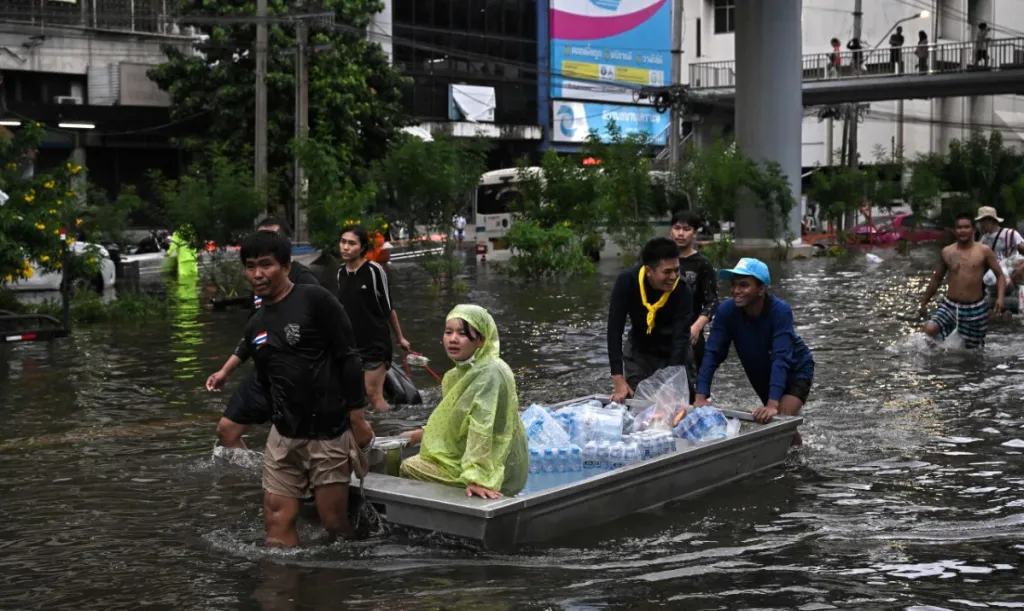
Bangkok is experiencing widespread flooding after days of heavy rain, with several roads and residential areas affected. However, the city's two main international airports — Suvarnabhumi Airport and Don Mueang International Airport — remain operational.
For Indian travellers planning a trip to Thailand, the situation means that travel is still possible, but airport transfers, road journeys and local sightseeing may take longer than usual.
Here is the latest Bangkok flood and travel information travellers should know before planning their trip.
Bangkok Flood Situation in September 2026
Heavy rainfall has caused flooding across several parts of Bangkok. The Bangkok Metropolitan Administration has reported significant impacts in districts including Lat Krabang, Bang Kapi, Khan Na Yao, Sai Mai, Suan Luang, Saphan Sung and Lak Si. Around 329,000 households, representing roughly 700,000 people, have been affected, according to Thai government information.
Rainfall has started to ease, but water remains on several major roads and drainage operations are continuing.
The BMA has been using pumps and lowering water levels in major canals to speed up drainage.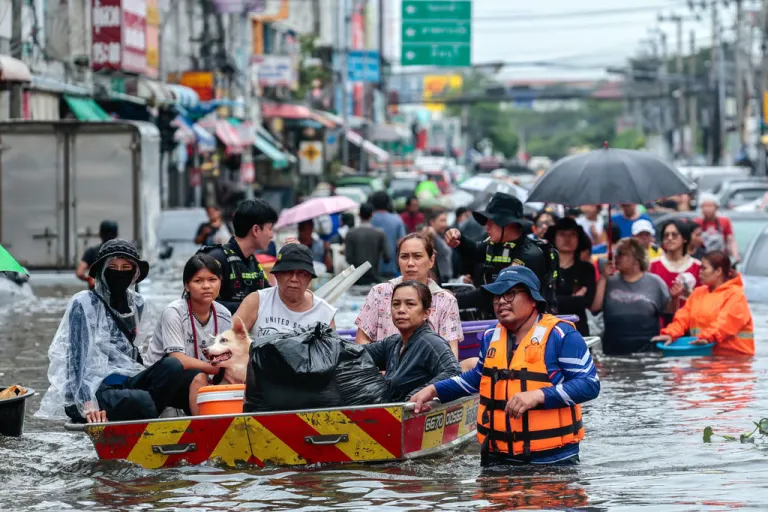
Are Bangkok Airports Open?
Yes. Suvarnabhumi Airport (BKK) and Don Mueang International Airport (DMK) remain open and operational. Flights are continuing to operate.
However, getting to and from the airports by road can be affected by flooding and traffic congestion.
Suvarnabhumi Airport
The main airport access routes remain open, but travellers are advised to avoid the Lat Krabang route because of significant waterlogging.
Alternative routes include:
Motorway No. 7
Burapha Withi Expressway
Suvarnabhumi Airport recommends allowing at least 3 hours for international flights and 2 hours for domestic flights, while checking road conditions before leaving for the airport.
Don Mueang Airport
Don Mueang Airport is also operating normally despite flooding in surrounding areas.
Travellers can use the Don Mueang Tollway to reach the terminals. Airport bus services A1–A4 are operating, although delays are possible. The Red Line also provides a rail connection to the airport.
Metered taxi services have temporarily been affected, so passengers should consider alternative transport options.
Are Flights to Bangkok Being Cancelled?
The airports themselves remain operational, and flights are continuing.
However, travellers should check their flight status directly with their airline before travelling to the airport, as weather and road conditions can change quickly.
The biggest current challenge for many travellers is not the flight itself but reaching the airport through flooded or congested roads.
Also Read : 10 Things Indian Tourists Must Do in Bangkok
Bangkok Public Transport During the Floods
Rail-based transport can be a useful alternative to road travel while some streets remain flooded.
According to the latest visitor information:
Airport Rail Link: Operating
BTS Skytrain: Operating
MRT: Operating
Red Line: Operating
SRT Northern Line: Reopened
SRT Eastern Line: Services suspended
SRT Southern and Northeastern lines: Operating, subject to route conditions
Travellers should still check the latest service information before starting a journey.
Which Bangkok Roads Are Affected?
Several major roads continue to experience flooding.
The latest BMA update lists areas of concern including:
Ramkhamhaeng Road
Sena Nikhom Road
Srinagarindra Road
Lat Phrao Road
Ngam Wong Wan Road
Nakkila Laem Thong Road
Sihaburanukit Road
Nuan Chan Road
Parts of Phetchaburi Road
Some sections of roads have reopened as water levels fall, but conditions can vary significantly even along the same road.
For tourists, this means it is better to check the specific route rather than assuming an entire area is inaccessible or completely clear.
Should Indian Travellers Cancel Their Bangkok Trip?
There is currently no blanket closure of Bangkok's tourism services.
The Tourism Authority of Thailand says visitor services and facilities continue to operate, although localised flooding and transport delays are affecting some journeys.
Whether to travel depends on the traveller's itinerary, dates and tolerance for disruption. Those with upcoming trips should monitor official weather, airport and transport updates rather than relying on older information.
Travellers visiting mainly for outdoor sightseeing may also want to keep their plans flexible.
What About Bangkok's Tourist Attractions?
Bangkok's tourism services remain operational, but access to individual attractions can vary depending on local flooding and transport conditions.
Visitors should check conditions before heading to places such as:
Grand Palace
Wat Arun
Wat Pho
Chinatown
Chatuchak Weekend Market
Iconsiam
Asiatique
Khao San Road
If heavy rain affects outdoor sightseeing, travellers can consider indoor attractions such as shopping malls, museums, restaurants and covered markets.
Tips for Indian Travellers Visiting Bangkok During the Floods
If you are travelling to Bangkok soon, these precautions can make the trip easier:
1. Leave Early for the Airport
Allow significantly more time than usual for airport transfers, especially if travelling during busy periods.
2. Prefer Rail Where Practical
Airport Rail Link, BTS, MRT and Red Line services can provide alternatives to roads affected by flooding.
3. Check Your Hotel Location
Before booking, check whether your accommodation is in an area currently affected by flooding.
4. Keep Your Itinerary Flexible
Avoid scheduling several time-sensitive activities on the same day, particularly if they require long road journeys.
5. Monitor Weather Updates
Heavy rainfall can quickly change road and transport conditions.
6. Carry Waterproof Protection
A waterproof phone pouch, rain jacket and waterproof footwear can be useful during Bangkok's wet conditions.
7. Avoid Walking Through Floodwater
Travellers should avoid entering deep or contaminated floodwater, particularly when the depth or condition of the road cannot be clearly seen.
Is Bangkok Safe for Tourists Right Now?
Bangkok's tourism infrastructure and major airports remain operational, but localised flooding is creating travel disruption in parts of the city. The current situation is therefore different from a complete shutdown of tourism.
Travellers should follow local authority instructions, avoid flooded roads and check transport conditions before setting out.
The Thai government continues to provide travel updates, while the Tourism Authority of Thailand is monitoring conditions.
Thailand Declares Special Holidays Amid Flooding
Thailand's cabinet approved special holidays on September 28 and 29 for civil servants in Bangkok and three surrounding provinces because of the flooding situation. Essential public services are continuing.
The measure is intended to support flood-management efforts and reduce pressure on transportation during the affected period.
What Indian Tourists Should Know Before Flying
For Indian travellers with upcoming Bangkok holidays, the most important point is that flights are still operating, but getting around the city may be more difficult than usual.
Before departure, check:
Your airline's latest flight status
Airport access routes
Hotel location
BTS/MRT/rail service updates
Local flood conditions
Travel insurance coverage
Weather forecasts
If your itinerary includes onward travel to other parts of Thailand, check the status of those routes separately because conditions can differ significantly between regions.
Final Takeaway
The Bangkok floods of September 2026 are causing significant disruption in parts of the city, but Bangkok's major airports remain open and tourism services continue to operate.
Rainfall has begun to ease, while authorities continue pumping water and lowering canal levels. However, several roads remain flooded, particularly in parts of eastern and northern Bangkok.
For Indian travellers, the best approach is to check conditions shortly before travelling, allow extra time for airport transfers, use rail services where practical and keep sightseeing plans flexible.
Published at
About Author

Subscribe our Newsletter
Get our weekly tips and travel news!
Related Posts
Latest Posts
Philippine Airlines to Launch Delhi and Mumbai Flights in December 2026
Philippine Airlines plans to launch nonstop Manila–Delhi and Manila–Mumbai flights in December 2026, giving travellers new direct India-Philippines connections.
India–Vietnam Flights to Double: New Aviation Deal Brings More Travel Options
India and Vietnam have agreed to more than double weekly air capacity to over 16,000 seats, opening the door to more direct flight options for Indian travellers.
Delhi Airport Beats Dubai in Global Connectivity: What Indian Travellers Should Know
Delhi Airport has climbed to 28th in OAG's 2026 global connectivity ranking, moving ahead of Dubai. Here's what Indian travellers should know.
Malaysia Visa-Free Entry for Indians: India Issues Important Travel Advisory
Malaysia continues its 30-day visa-free entry for Indians, but a new advisory warns travellers against using the facility to seek employment.
Argentina Offers 90-Day Visa-Free Entry for Indians
Eligible Indian passport holders with certain U.S. visas or a Green Card can visit Argentina without an Argentine visa for up to 90 days for tourism.