
7 Overrated Tourist Places in India You Can Actually Skip in 2026
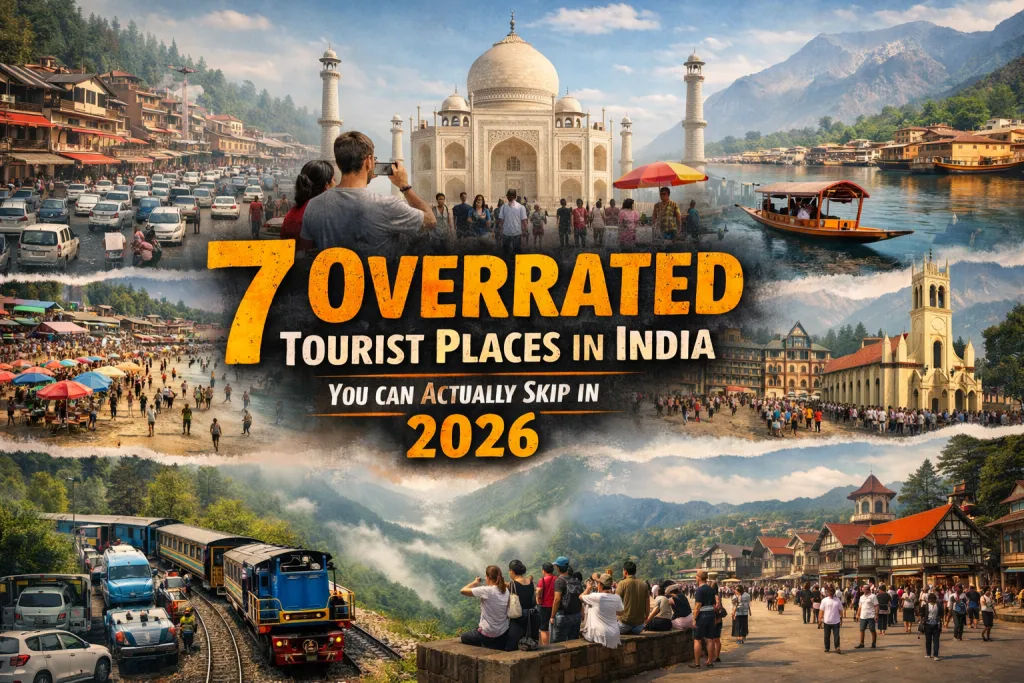
In 2026, Indian travel has entered a quiet but necessary phase of honesty. Travellers are no longer impressed by destinations simply because they trend every summer or dominate reels every winter. The question has shifted from “Is this famous?” to “Is this still enjoyable?”
Some places haven’t aged badly, but they haven’t aged thoughtfully either. Overcrowding, over-commercialisation, inflated prices, and repetitive experiences have turned once-magical destinations into predictable routines.
This is not a hate list. These places are iconic for a reason. But in their current form, they may no longer deserve your limited time, money, or patience.
Here’s a deeper, look at 7 overrated tourist places in India you can realistically skip in 2026 and why doing so might actually improve your travel experience.
India’s Most Overrated Travel Destinations in 2026
1. Manali: When the Mountains Become the Backdrop, Not the Point
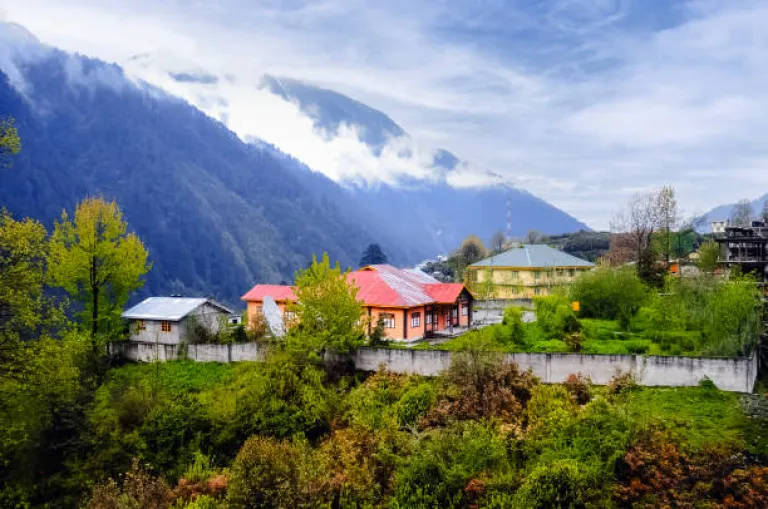
Manali’s issue in 2026 isn’t that it’s lost its beauty, it’s that beauty has been pushed far away from the experience most travellers actually have.
What once felt like a relaxed mountain town now feels like a busy tourist junction. The core of Manali is dominated by traffic, parking struggles, and overpacked itineraries, while the landscapes people come for sit at a distance.
Why it increasingly feels overrated
Mall Road-centric travel replaces nature-focused exploration
Peak snow season creates congestion rather than calm
Cafés, hotels, and shops feel mass-produced
Scenic spots require long, tiring detours
The deeper issue
Manali sells the idea of the mountains while functioning like a commercial town. Most visitors don’t realise they need to travel significantly beyond Manali to actually experience what they imagined.
What it feels like now
A place where the mountains are visible but rarely felt.
Verdict: Manali still works as a gateway, but staying within the town rarely delivers the escape travellers expect in 2026.
Also read: Is Manali Worth the Hype? 5 Alternatives to Winter Wonderland in India
2. Shimla: Heritage Under Pressure
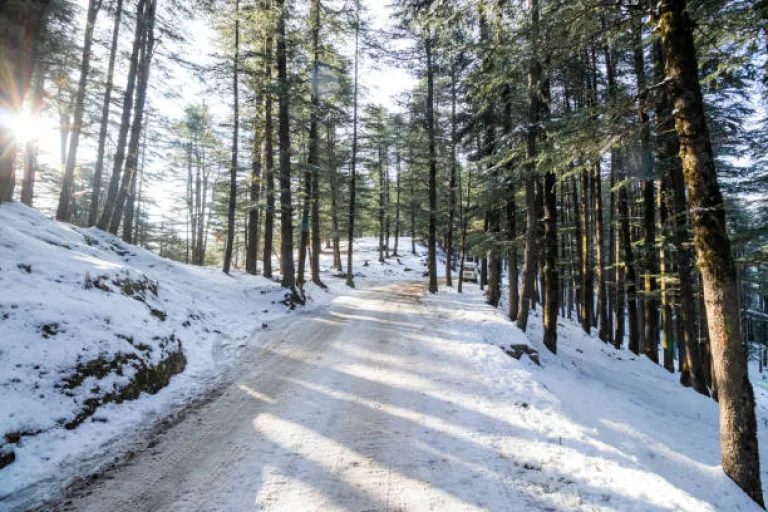
Shimla’s appeal has always been its old-world charm: colonial buildings, winding roads, and cool-weather nostalgia. But in 2026, that charm is under constant strain.
The town carries the weight of being both a capital city and a mass tourism Destination and it often struggles to balance the two.
Why it now feels diluted
Mall Road and The Ridge are overcrowded almost year-round
Natural surroundings feel disconnected from the main experience
Hotels and cafés are priced for demand, not quality
Movement within the town feels slow and restrictive
The deeper issue
Shimla’s infrastructure was never designed for the tourism volume it now receives. As a result, visitors experience compression, too many people sharing too little space.
What it feels like now
A beautiful setting experienced in fragments, not flow.
Verdict: Shimla still has atmosphere, but enjoying it requires navigating crowds that often overpower the experience.
3. Baga Beach & Calangute Beach: The Goa You’ve Already Seen
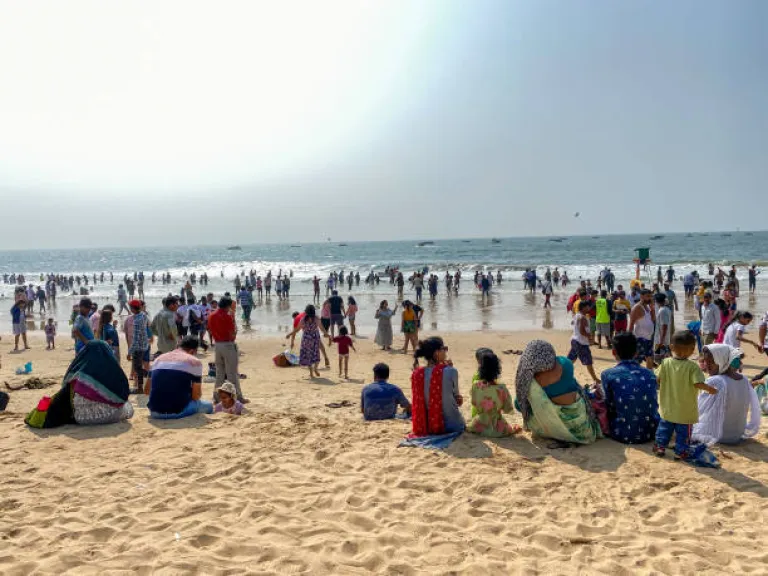
Baga and Calangute aren’t just popular, they’ve become predictable. In 2026, they represent a version of Goa that runs on repetition rather than discovery.
These beaches have evolved into high-density entertainment zones where everything feels familiar, even if it’s your first visit.
Why they no longer stand out
Beaches are crowded from morning to night
Commercial nightlife overshadows local culture
Restaurants, music, and menus blur together
Quiet moments are rare
The deeper issue
These areas cater to volume, not experience. They offer stimulation but little depth, movement but no stillness.
What it feels like now
A place where you’re constantly surrounded, yet rarely engaged.
Verdict: Goa remains exceptional but Baga and Calangute no longer represent its best version.
4. Agra: A World Wonder Trapped in a Half-Day Itinerary
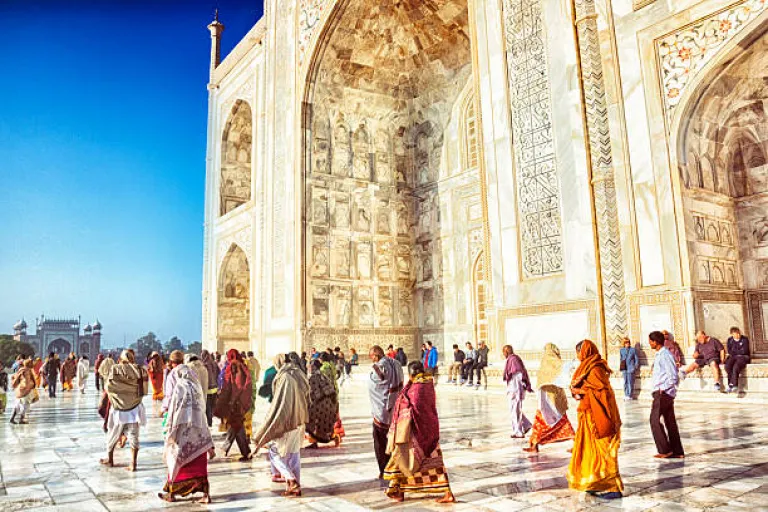
Agra’s problem in 2026 isn’t the Taj Mahal. The Taj remains one of the most emotionally powerful monuments on the planet. The problem is that Agra as a destination has never evolved beyond it.
For most travellers, the experience follows an identical script: early-morning entry, crowded viewpoints, rushed photos, aggressive vendors, and a quick exit by afternoon.
Why it feels increasingly overrated
The Taj Mahal experience is tightly time-bound and overcrowded
Viewing angles are limited by queues and crowd control
Surrounding areas feel transactional rather than cultural
Local experiences feel poorly curated and repetitive
The deeper issue
Agra doesn’t encourage lingering. Once the Taj visit is over, travellers struggle to justify staying longer. The city lacks a strong walkable culture, immersive neighbourhoods, or relaxed spaces that invite exploration.
What it feels like now
A destination you consume rather than experience.
Verdict: Agra works best as a short stop, not a standalone trip. In 2026, dedicating multiple days here often feels like forcing depth where the infrastructure doesn’t support it.
Also read: Beyond the Taj: Places to visit in Agra after your visit to the Taj Mahal?
5. Ooty: When a Hill Station Outgrows Its Capacity
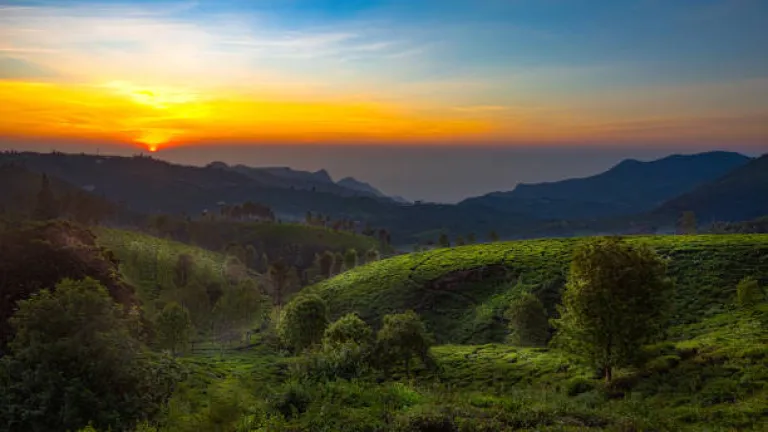
Ooty’s popularity hasn’t declined but its ability to handle that popularity has. During peak seasons, the town feels stretched beyond comfort.
Why the experience feels diluted
Traffic congestion dominates daily movement
Attractions like Botanical Gardens and Doddabetta Peak are overcrowded
Toy train tickets are difficult to secure without long planning
Short distances take disproportionately long to cover
The deeper issue
Ooty’s charm lies in slow walks, misty mornings, and quiet viewpoints. Unfortunately, modern tourism has turned it into a stop-and-go circuit rather than a place to settle into.
What it feels like now
A scenic destination experienced through windshields, queues, and fixed schedules.
Verdict: Ooty still has beauty, but accessing it requires patience and compromises that many travellers don’t anticipate in 2026.
6. Srinagar: When Beauty Is Carefully Managed

Srinagar remains visually breathtaking. The problem in 2026 isn’t what you see it’s how little freedom you have to experience it organically.
Tourism here has become highly structured, designed to ensure safety and efficiency, but often at the cost of spontaneity.
Why it can feel underwhelming
Shikara rides feel standardised and rushed
Popular areas experience heavy tourist concentration
Exploration follows fixed routes
Moments of solitude are increasingly rare
The deeper issue
Srinagar offers beauty, but not always immersion. Many experiences feel pre-packaged, leaving little room for personal discovery.
What it feels like now
A place you admire, but don’t fully sink into.
Verdict: Srinagar is stunning, but in 2026 it often feels curated rather than lived-in.
Also read: Do-It-Yourself Srinagar Itinerary for 3 days
7. Lonavala: The Weekend Default That Rarely Delivers More
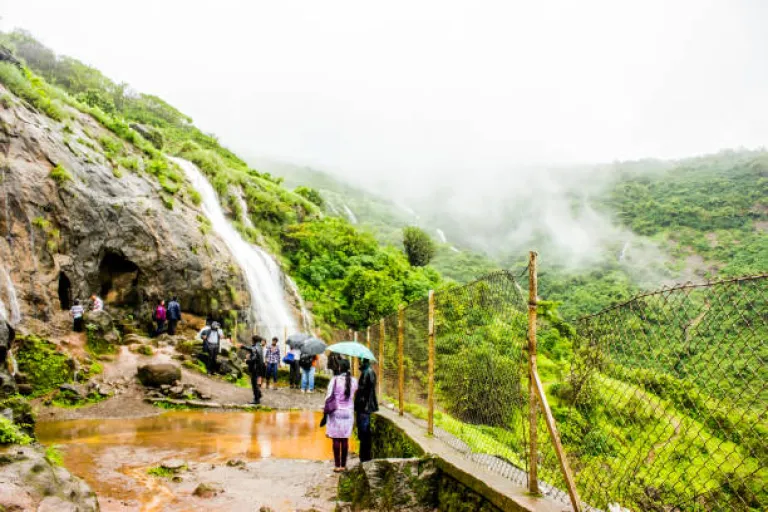
Lonavala has become less of a destination and more of a reflex. When city fatigue hits, people go, not because they’re excited, but because it’s easy.
Why it consistently disappoints
Weekend crowding is unavoidable
Popular viewpoints feel rushed and noisy
Cafés and resorts feel interchangeable
Nature experiences are brief and surface-level
The deeper issue
Lonavala doesn’t allow space for unplanned discovery. Every experience follows a familiar pattern, and repetition sets in quickly even for first-time visitors.
What it feels like now
A temporary pause rather than a meaningful escape.
Verdict: Lonavala works for convenience, not for connection. In 2026, it satisfies urgency but rarely curiosity.
Why Skipping Overrated Places Makes Sense in 2026
Travel in 2026 is quietly redefining success. It’s no longer measured by how many famous landmarks you’ve seen, but by how deeply a place lets you settle in. Overrated tourist places in India struggle because they are no longer designed for experience, they are designed for throughput.
Most of them share the same structural problems.
What Overrated Destinations Have in Common
Crowding that erodes enjoyment
When a destination is always busy, nothing feels special. Viewpoints become queues, cafés feel rushed, and moments meant for reflection turn into background noise. The place may still be beautiful, but the experience feels fragmented.
Commercialisation that replaces authenticity
Local character slowly disappears under identical menus, souvenir shops, and curated “photo spots.” The destination begins to perform for tourists rather than exist for itself.
Poor value for time and money
High prices don’t always buy better experiences. In overrated destinations, travellers often pay more for less shorter stays, rushed attractions, and limited access to what originally made the place desirable.
Predictable, copy-paste itineraries
When every trip follows the same pattern, discovery disappears. You know what the day will look like before it begins and that familiarity drains excitement, even on a first visit.
What Lesser-Known Destinations Do Better
The appeal of lesser-known places isn’t mystery for its own sake it’s balance.
Slower travel rhythms
Days aren’t packed with checklists. You walk more, wait less, and allow places to reveal themselves naturally rather than on a schedule.
Deeper local interactions
Smaller destinations often encourage genuine conversations at cafés, homestays, markets, or trailheads. These moments linger longer than photographs.
Better value for time and money
Your budget stretches further, not just financially but emotionally. Stays feel personal, food feels intentional, and experiences don’t feel rushed.
A real sense of discovery
There’s room to get lost, to change plans, to stumble into something unplanned. Travel becomes participatory rather than consumptive.
Smarter Alternatives to Overrated Places in 2026
Instead of chasing the obvious, consider these experience-forward swaps:
Instead of Manali or Shimla → Choose quieter Himalayan regions where nature is central, not peripheral
Instead of Baga or Calangute → Explore slower coastal stretches where beaches still breathe
Instead of Agra-only trips → Visit heritage towns where history is layered, not singular
Instead of Ooty → Seek hill regions built for walking, not traffic
Instead of Srinagar peak season → Travel to landscapes that allow independent exploration
Instead of Lonavala weekends → Opt for lesser-known getaways that reward staying longer than overnight
These alternatives don’t shout for attention but they stay with you.
Also read: Top 10 unexpected travel expenses and how to avoid them!
Final Thoughts: Travel Isn’t About Famous Names Anymore
In 2026, the smartest travellers aren’t trying to out-travel each other. They’re choosing presence over popularity, depth over display, and memory over momentum.
Skipping overrated tourist places in India isn’t about rejecting icons. It’s about recognising that meaningful travel often begins where the crowds end.
Sometimes, the most rewarding journeys start with a simple decision:
not to go where everyone else already is.
Published at
About Author

Prerna Dixit
Subscribe our Newsletter
Get our weekly tips and travel news!
Related Posts
8 Impressive World Heritage Sites in India to Visit
Truth is, India is more than just authentic mouth-watering curries, intricate traditional saris, colourful Bollywood films and nail-biting cricket matches. In fact, India is also the birthplace of...
Top 10 Enchanting Honeymoon Destinations for Romantic Getaways!
India is a land of diversity, culture, and romance. It offers a variety of honeymoon destinations that suit every taste, budget, and preference. Whether you want to enjoy the snow-capped mountains,...
10 Must Visit Places in North India
North India is a region of incredible diversity and beauty. It has a rich and varied history, culture, cuisine, and landscape that can appeal to any traveler. Whether you are looking for spiritual enlightenment, historical monuments, natural wonders,...
Top 10 Hill Stations in North India
Hill stations are popular destinations for tourists who want to escape the heat and enjoy the scenic beauty of nature. North India has many hill stations that are worth visiting, as they offer a variety of attractions, activities, and experiences. So...
Top 10 Honeymoon Destinations in India
India is a land of diversity, culture, and romance. It offers a variety of honeymoon destinations that suit every taste, budget, and preference. Whether you want to enjoy the snow-capped mountains, the serene backwaters, the exotic beaches, or the hi...
Latest Posts
**Excerpt (under 160–200 characters):** Saudi Arabia has introduced a new Package Visa that integrates visa applications with flights, hotels, and travel services, making trip planning faster and more convenient for international travellers.
Thailand has retained visa-free entry for Indian travellers, but the maximum stay is now 30 days instead of 60. Here's what you need to know before your trip.
DGCA Warns IndiGo Over Safety Lapses in Dangerous Goods Handling: What Travellers Should Know
India's DGCA has issued a warning to IndiGo after identifying lapses in dangerous goods handling during a regulatory audit. Here's what travellers need to know.
Vietnam Travel Update: Health Declaration Rules Explained for International Tourists
Vietnam has clarified its latest health declaration rules. Here's what international tourists need to know before travelling in 2026.
10 Countries That Made Travel Easier for Indians in 2026: Visa-Free, eVisa & Simplified Entry
Discover 10 countries that made travel easier for Indians in 2026 with visa-free entry, eVisas, and simplified travel rules for hassle-free trips abroad.