
New Boarding Pass Rule From September 1: What International Travellers Need to Know
International travel from India is set to become simpler from September 1, 2026. The Bureau of Immigration (BoI) is ending the mandatory requirement for international passengers departing India to have their boarding passes physically stamped at immigration counters.
Under the new system, travellers can present an electronic boarding pass on their smartphone during immigration clearance. Passengers who prefer a printed boarding pass can continue to carry one, but immigration officers will no longer stamp it.
The change will apply across international airports in India and is aimed at reducing paperwork and making the immigration process more convenient for passengers.
What Is the New Boarding Pass Rule From September 1?
From September 1, 2026, international passengers departing from India will no longer be required to produce a physical boarding pass specifically for immigration stamping.
Instead, travellers can show their e-boarding pass on their mobile phone at the immigration counter. Physical boarding passes will also remain acceptable, but the immigration stamp will be discontinued.
This means passengers will no longer have to wait for an immigration officer to stamp their boarding pass before proceeding towards the departure area.
Can International Travellers Use a Mobile Boarding Pass?
Yes. Under the revised procedure, passengers can present an electronic boarding pass on their smartphone for immigration clearance.
Travellers who complete online check-in and receive a valid e-boarding pass from their airline can display it on their phone when required.
However, travellers should remember that airline check-in and document-verification requirements can vary by airline and destination. Some international routes may still require passengers to visit the airline counter for passport, visa or other document checks before receiving a boarding pass.
Therefore, the new immigration rule should not be interpreted as a guarantee that every international passenger can complete the entire airport process using only a phone.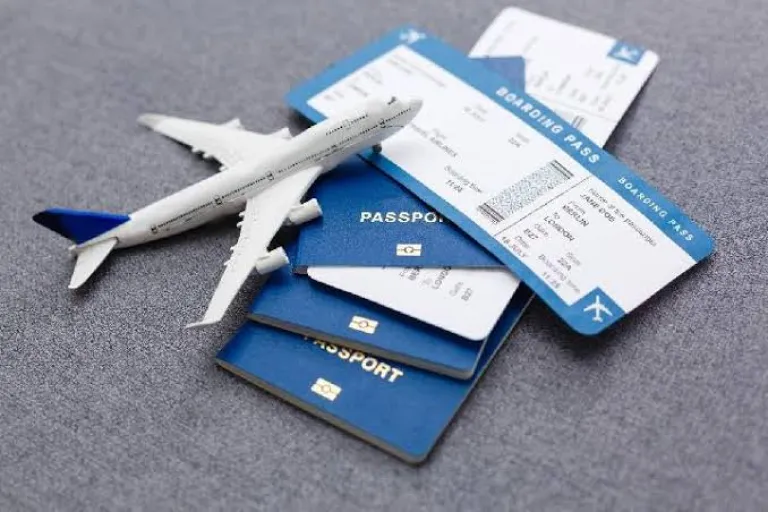
Are Printed Boarding Passes Still Valid?
Yes.
This is one of the most important points for travellers to understand.
The new rule does not ban printed boarding passes. Passengers who have a physical boarding pass can continue to use it during their journey.
The difference is that, from September 1, immigration officers will no longer stamp the physical boarding pass during immigration clearance.
So travellers can choose between:
📱 E-boarding pass on a smartphone
🧾 Printed boarding pass
❌ No immigration stamp on the boarding pass
Why Is India Ending Boarding Pass Stamping?
The Bureau of Immigration reviewed the existing procedure and decided to remove the mandatory physical boarding-pass requirement and stamping process.
Officials cited passenger inconvenience as one reason for the change. There have also been instances where incorrect or unclear stamping made boarding-pass details difficult to read.
The move is part of a wider effort to make airport and immigration procedures more digital and efficient.
India has already been expanding digital systems at airports, including electronic boarding passes and Digi Yatra, which uses digital identity and biometric technology at participating airports.
What Changes for Passengers at Immigration?
The biggest change is simple: the boarding-pass stamp disappears.
Previously, an international passenger departing India could be asked to present a boarding pass at the immigration counter, where the document could be stamped.
From September 1, travellers can present an e-boarding pass on their phone, while those carrying a physical boarding pass can still use it without receiving an immigration stamp.
Before September 1
Check-in → Security → Immigration → Boarding pass stamped → Departure gate
From September 1
Check-in → Security → Immigration → Digital or physical boarding pass → Departure gate
The removal of the stamp eliminates one physical step from the immigration process.
Does This Mean Travellers Do Not Need a Boarding Pass?
Not necessarily.
The new rule concerns immigration clearance, not every stage of the airport journey.
Travellers should still follow their airline's check-in instructions and keep their boarding credentials accessible. Depending on the airline, destination and document-verification requirements, a passenger may still need to visit an airline counter.
It is therefore advisable to keep the boarding pass easily accessible on your phone and, if preferred, carry a printed copy as a backup.
What Documents Should You Carry for International Travel?
Even though the boarding-pass stamping requirement is being removed, passengers should continue to carry all documents required for their journey.
These may include:
Valid passport
Visa or electronic travel authorisation, where required
Airline boarding pass
Return or onward travel details, where applicable
Hotel or accommodation details, if required
Other destination-specific documents
The September 1 change does not remove passport or visa requirements.
Is This Rule Applicable at All Indian International Airports?
Reports indicate that the revised procedure will apply at international airports across India.
The Bureau of Immigration has communicated the change to airport operators, the CISF and other aviation stakeholders and asked them to make staff and passengers aware of the revised procedure before implementation.
What Should Travellers Do Before Flying?
Although the new procedure is designed to make international departures easier, travellers should take a few simple precautions.
1. Keep Your Phone Charged
If you plan to use an e-boarding pass, make sure your smartphone has sufficient battery before reaching the airport.
2. Save the Boarding Pass Offline
It is a good idea to save your boarding pass to your phone or airline app so that you can access it even if airport internet connectivity is slow.
3. Carry a Printed Copy if You Prefer
A printed boarding pass remains acceptable. Travellers who are more comfortable with physical documents can continue carrying one.
4. Check Airline Requirements
Some airlines and international destinations may have additional document-verification requirements. Check with your airline before travelling.
5. Keep Your Passport Ready
The boarding-pass change does not affect passport requirements. Your passport remains essential for international travel.
Could Passport Stamping Also Be Removed?
The boarding-pass change could be part of a broader move towards digital immigration processing in India.
Officials have indicated that the Bureau of Immigration is also working on a pilot project concerning immigration entry and exit stamping for Indian passport holders. However, that is a separate measure and should not be confused with the September 1 boarding-pass change.
For now, the confirmed change travellers need to know is the removal of mandatory boarding-pass stamping at immigration for international departures from India.
New Boarding Pass Rule: Key Details
Detail | New Rule |
|---|---|
Effective date | September 1, 2026 |
Applies to | International passengers departing India |
E-boarding pass | Accepted at immigration |
Printed boarding pass | Still accepted |
Immigration stamp | No longer required on boarding pass |
Passport | Still required |
Visa requirements | Continue as applicable |
Airline check-in | Still required |
International airports | Rule applies across India |
Why This Matters for International Travellers
For frequent flyers, the change may appear small, but it removes another paper-based step from India's international departure process.
Travellers will no longer need to worry about finding a physical boarding pass specifically for immigration stamping. Those using electronic boarding passes can simply display them on their smartphones, while passengers who prefer paper can continue using printed copies without needing a stamp.
The change also reflects the wider shift towards digital airport processing in India, where electronic documents, biometric systems and automated verification are increasingly being used to reduce queues and paperwork.
Conclusion
From September 1, 2026, international travellers flying out of India will no longer need to get their boarding passes stamped at immigration counters.
Passengers can use an e-boarding pass on their smartphone, while printed boarding passes will continue to be accepted without an immigration stamp. The change is expected to make the international departure process simpler and more convenient.
However, travellers should still check their airline's requirements before flying and keep their passport, visa and other required travel documents ready.
For passengers accustomed to carrying a paper boarding pass just for that final immigration stamp, one familiar airport step is officially coming to an end.
Published at
About Author

Subscribe our Newsletter
Get our weekly tips and travel news!
Related Posts
Singapore Airlines First Class Cabin Experience: A Luxurious Journey
Singapore Airlines is known for its excellent customer service and luxurious cabin experiences, and its first class cabin is no exception.
What is Air India First Class and Business Class is like?
Air India is the national carrier of India and offers a variety of cabin classes, including First Class and Business Class. These two classes offer passengers a luxurious and comfortable travel experience.
Get Ready for Passport-Free Entry to Dubai and Singapore in 2024
Singapore Changi Airport and Dubai International Airport, two of the world's busiest airports, are set to go passport-free in early 2024, as biometric technology takes over the need for passports.
Hill stations in India that you can take Direct Flights to
Embark on a journey to India's captivating hill stations. In this blog, discover the magic of reaching these elevated retreats with ease through direct flights. From serene landscapes to soaring peaks, explore the beauty of India.
Cheapest Domestic flights on Dec 23rd and Jan 24
Discover vibrant Kolkata, experience Kerala's backwaters, and marvel at the Taj Mahal. With this blog, unlock affordable flights for budget-friendly adventures, whether you're a seasoned traveler or a first-time wanderer.
Latest Posts
Best Time to Visit Mexico: Festivals, Hidden Gems & Travel Tips
Discover the best time to visit Mexico, from sunny Caribbean beaches and hidden colonial towns to vibrant festivals like Día de los Muertos and Oaxaca’s Guelaguetza. Explore seasonal travel tips, offbeat destinations, local food experiences and the best m
Best Places to Visit in India During Diwali Holidays 2026
Planning a Diwali holiday in 2026? Explore eight destinations across India, including Ayodhya, Jaipur, Amritsar, Goa and Varanasi, for a memorable festive getaway.
Scenic Group 2027 India & Sri Lanka Cruises: Hooghly River
Scenic Group unveils five luxury India and Sri Lanka journeys for 2027-28, featuring the Scenic Aura’s debut on the Hooghly River. Discover historic Bengal, royal Rajasthan, South India's cultural treasures and Sri Lanka's ancient landmarks through immers
Delhi Metro to Increase Train Services Under GRAP-I: 20 Additional Trips
Delhi Metro will operate 20 additional weekday train trips from October 22, 2026, as Delhi-NCR implements GRAP-I to combat rising air pollution. Discover how the move, along with DMRC’s anti-dust measures, aims to promote public transport and improve air
Top 5 Best Hotels to Stay in Africa for a Luxury and Unforgettable Holiday
From extraordinary wildlife encounters in South Africa to tropical island retreats and Moroccan palace hotels, discover five of Africa's most remarkable places to stay.