
Nepal-Tibet Floods: 290 Indians Still Unreachable as Rescue Operations Continue
Nepal-Tibet floods: A devastating flash flood disaster along Nepal’s northern border with Tibet has left hundreds of people dead or missing, with 290 Indian nationals still uncontactable, according to the latest update reported from India’s Ministry of External Affairs (MEA). Rescue and tracing operations are continuing as authorities work to locate stranded tourists, pilgrims and workers.
The disaster has severely affected parts of Nepal’s Rasuwa and neighbouring Himalayan regions, disrupting roads, bridges and other infrastructure. The situation is particularly concerning for Indian travellers undertaking the Kailash Mansarovar Yatra, as several pilgrimage groups were in the affected region when the floods struck.
Nepal Floods: What Happened?
The flash floods struck on August 26, 2026, affecting the Bhotekoshi and Trishuli river systems and areas around the Nepal-Tibet border.
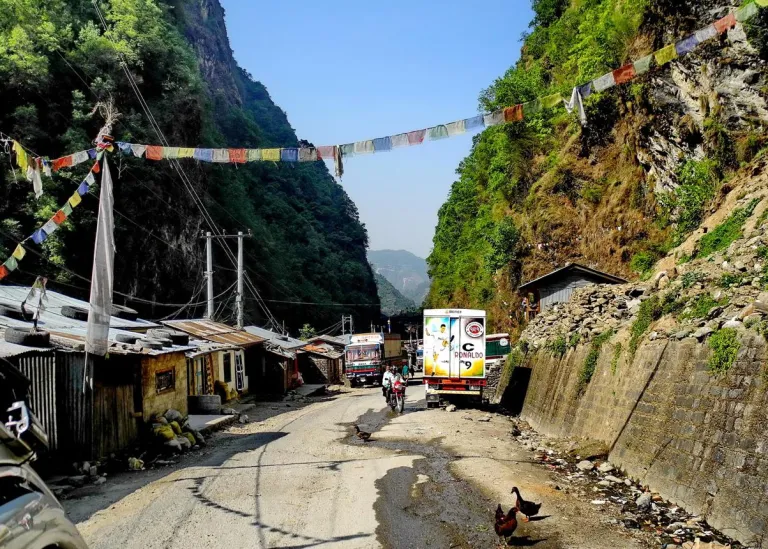
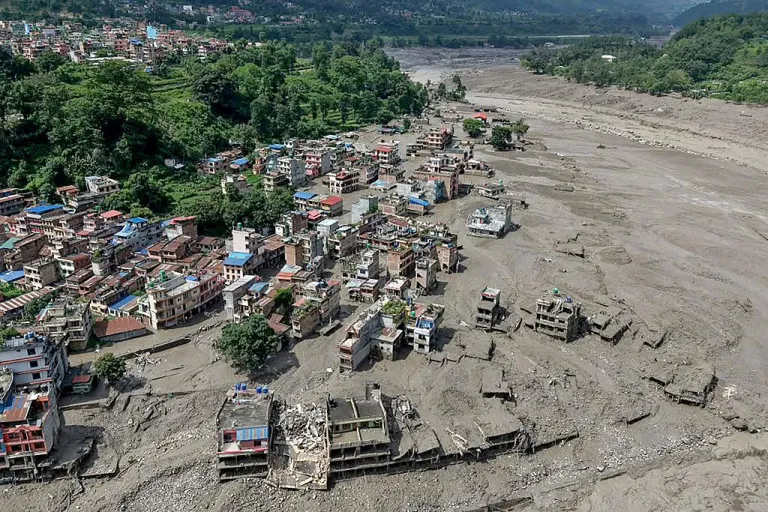
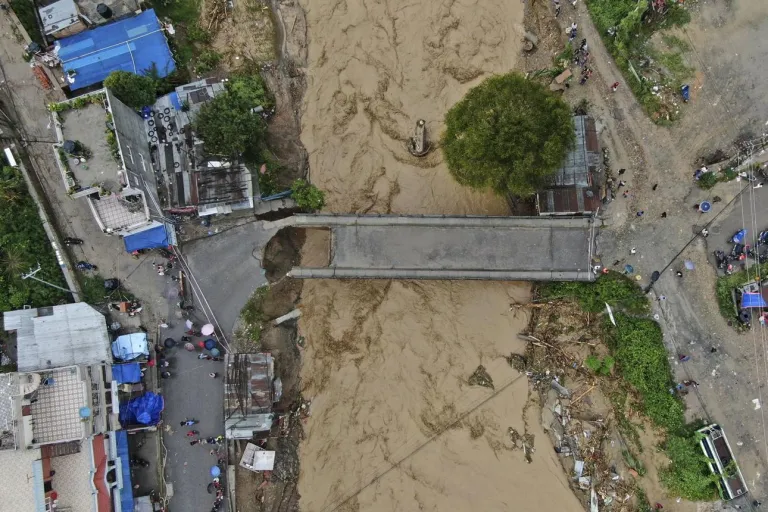
The flooding caused widespread destruction across mountainous areas, washing away roads and bridges and cutting off several communities. Rescue teams are facing difficult terrain, damaged infrastructure and rapidly changing river conditions.
Reuters reported on Friday that the death toll in Nepal had reached 469, while nearly 1,000 people were missing across Nepal and neighbouring Tibet. Authorities are also monitoring a newly formed debris lake on the Bhotekoshi River because a sudden release could create another dangerous flood downstream.
290 Indians Remain Uncontactable
The latest figure of 290 uncontactable Indians includes people from different categories, including tourists, pilgrims and workers in Nepal.
According to reports, 84 Indians had been rescued, including 63 workers associated with the Trishuli-1 project and 21 people from Tamil Nadu who were travelling for the Kailash Mansarovar Yatra.
Indian authorities are coordinating with Nepalese and Chinese officials to locate people who remain stranded or unreachable.
The situation remains fluid, meaning the number of people reported missing or rescued can change as communication is restored and search teams reach isolated areas.
Also Read : Nepal Flash Flood: 384 Travellers Reported Missing as Bhote Koshi River Floods Rasuwa
Kailash Mansarovar Pilgrims Among Those Affected
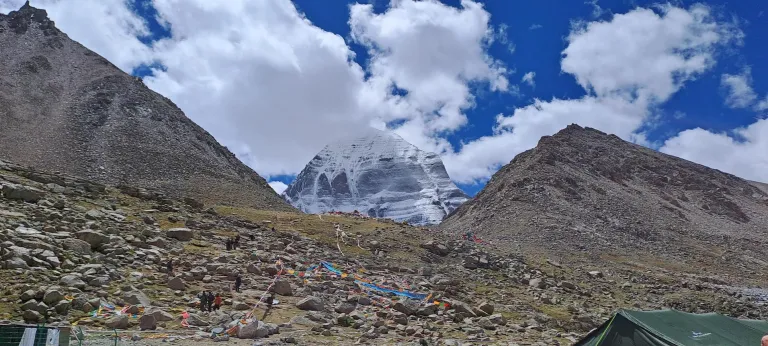
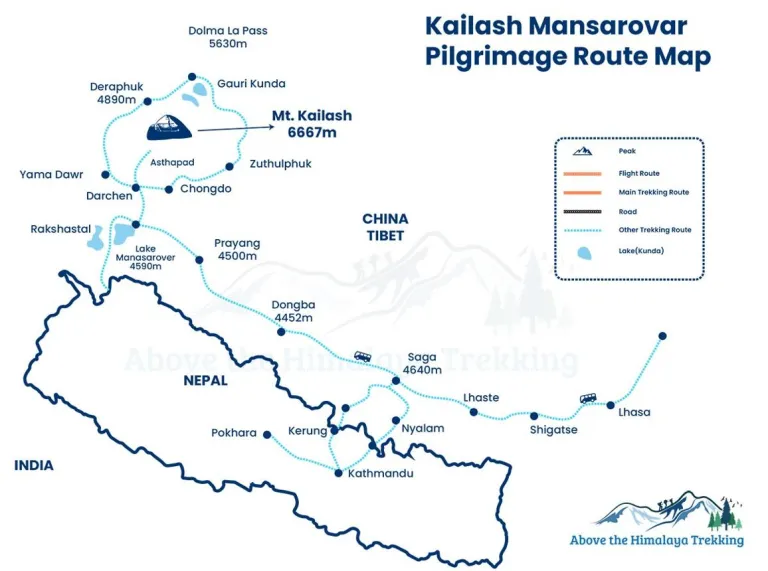
The disaster has raised particular concern among Kailash Mansarovar pilgrims, many of whom travel through Nepal before crossing into Tibet.
The MEA said around 200 Indian pilgrims undertaking the Mansarovar Yatra had sought assistance for evacuation from the Chinese side. Some were reported to be in areas including Garchen, Saga, Darchen and other locations in Tibet.
Several pilgrimage groups from Indian states were travelling through the region when the floods struck, leaving families back home anxiously waiting for updates.
6
Rescue Operations Underway
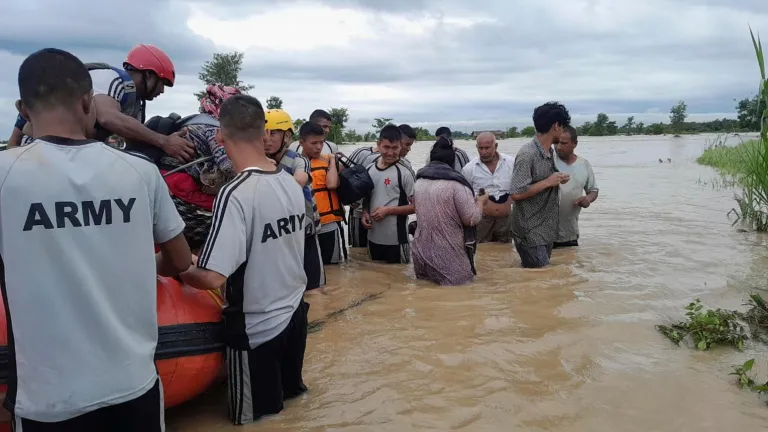
Nepalese security forces and emergency agencies are conducting search-and-rescue operations across the affected areas.
Helicopters have been used to evacuate people from inaccessible locations, while rescue teams are working through mud, debris and damaged roads to reach stranded communities.
The scale of the disaster has made rescue operations particularly challenging. Several roads and bridges have been damaged, while some areas remain difficult to access because of the mountainous terrain.
Authorities are also monitoring river levels and the potential danger from a newly formed barrier lake in the region.
India Steps Up Assistance for Citizens
The Indian government and its diplomatic missions are coordinating with authorities in Nepal and China to assist affected Indian nationals.
The Embassy of India in Kathmandu has issued emergency contact numbers specifically for Indian nationals affected by the floods. The numbers can also be contacted through WhatsApp.
Emergency Contacts for Indians in Nepal
Embassy of India, Kathmandu:
+977 985 131 6807
+977 970 910 7500
+977 981 032 6117
The Ministry of External Affairs has also established a 24-hour control room for the Nepal flood situation:
+91 11 2308 8718
+91 11 2308 8719
WhatsApp: +91 9968291988
Email: situationroom@mea.gov.in
Travellers and family members should rely on official government channels for the latest information rather than unverified social media posts.
What Should Travellers to Nepal Do Now?
For tourists planning to visit Nepal, particularly the northern and Himalayan regions, the current situation calls for extra caution.
1. Avoid Flood-Affected Areas
Travellers should avoid areas affected by flash floods, landslides and damaged roads until authorities confirm that routes are safe.
2. Check Local Conditions Before Travelling
Mountain weather can change quickly. Tourists should check weather warnings, road conditions and local government advisories before beginning journeys.
3. Keep Communication Active
Travellers already in Nepal should keep their phones charged and maintain regular contact with family members, hotels, tour operators or travel groups.
4. Follow Official Instructions
If local authorities issue evacuation or movement advisories, travellers should follow them immediately.
5. Kailash Mansarovar Travellers Should Stay in Contact
Pilgrims travelling towards Tibet should remain in contact with their tour operators and the relevant Indian diplomatic authorities for information about border crossings, evacuation and onward travel.
Is Nepal Safe for Tourists Right Now?
Nepal as a whole has not been uniformly affected by the disaster. However, specific areas in the northern and Himalayan regions have suffered severe damage, and conditions can vary significantly from one location to another.
Travellers should therefore avoid treating the entire country as either completely safe or completely unsafe. Instead, they should check the status of their specific destination, route and transport connections before travelling.
For those already in Nepal, the priority should be personal safety rather than continuing sightseeing or pilgrimage plans in affected areas.
Travel Plans May Face Delays
The floods could cause significant disruption to road travel, pilgrimage routes and tourism services in affected Himalayan districts.
Damaged bridges, landslides, debris and disrupted communications may result in:
Road closures
Delayed bus services
Cancelled or delayed flights
Disrupted pilgrimage itineraries
Border-crossing delays
Limited access to remote areas
Changes to hotel and tour arrangements
Travellers should keep their itineraries flexible and confirm arrangements directly with transport providers and tour operators.
A Developing Travel Emergency
The Nepal-Tibet flood disaster remains a developing situation, and casualty and missing-person figures are continuing to change as rescue teams reach more affected areas.
For Indian travellers and families searching for relatives, the most important step is to stay connected with the Indian Embassy, MEA and local authorities and avoid relying solely on unofficial reports.
The priority now is the safe rescue and evacuation of those stranded across the affected Himalayan region.
6
Nepal Floods: Key Updates at a Glance
Update | Latest Information |
|---|---|
Affected region | Nepal-Tibet border and Himalayan areas |
Indians uncontactable | 290 |
Indians rescued | 84 reported |
Major affected areas | Rasuwa and surrounding regions |
Kailash pilgrims affected | Yes |
Rescue operations | Ongoing |
Travel situation | Major disruptions in affected areas |
Situation | Developing |
Final Word for Travellers
The Nepal-Tibet floods have created one of the most serious travel disruptions in the Himalayan region this year, with Indian tourists, workers and Kailash Mansarovar pilgrims among those affected.
Anyone planning travel to Nepal's northern regions should reconsider non-essential travel to affected areas until conditions improve and should closely monitor official advisories before departure.
For Indians already in Nepal, keeping emergency contacts accessible and following instructions from local authorities and the Indian Embassy can be critical.
Published at
About Author

Subscribe our Newsletter
Get our weekly tips and travel news!
Related Posts
8 Impressive World Heritage Sites in India to Visit
Truth is, India is more than just authentic mouth-watering curries, intricate traditional saris, colourful Bollywood films and nail-biting cricket matches. In fact, India is also the birthplace of...
Top 10 Enchanting Honeymoon Destinations for Romantic Getaways!
India is a land of diversity, culture, and romance. It offers a variety of honeymoon destinations that suit every taste, budget, and preference. Whether you want to enjoy the snow-capped mountains,...
10 Must Visit Places in North India
North India is a region of incredible diversity and beauty. It has a rich and varied history, culture, cuisine, and landscape that can appeal to any traveler. Whether you are looking for spiritual enlightenment, historical monuments, natural wonders,...
Top 10 Hill Stations in North India
Hill stations are popular destinations for tourists who want to escape the heat and enjoy the scenic beauty of nature. North India has many hill stations that are worth visiting, as they offer a variety of attractions, activities, and experiences. So...
Top 10 Honeymoon Destinations in India
India is a land of diversity, culture, and romance. It offers a variety of honeymoon destinations that suit every taste, budget, and preference. Whether you want to enjoy the snow-capped mountains, the serene backwaters, the exotic beaches, or the hi...
Latest Posts
Best Time to Visit Mexico: Festivals, Hidden Gems & Travel Tips
Discover the best time to visit Mexico, from sunny Caribbean beaches and hidden colonial towns to vibrant festivals like Día de los Muertos and Oaxaca’s Guelaguetza. Explore seasonal travel tips, offbeat destinations, local food experiences and the best m
Best Places to Visit in India During Diwali Holidays 2026
Planning a Diwali holiday in 2026? Explore eight destinations across India, including Ayodhya, Jaipur, Amritsar, Goa and Varanasi, for a memorable festive getaway.
Scenic Group 2027 India & Sri Lanka Cruises: Hooghly River
Scenic Group unveils five luxury India and Sri Lanka journeys for 2027-28, featuring the Scenic Aura’s debut on the Hooghly River. Discover historic Bengal, royal Rajasthan, South India's cultural treasures and Sri Lanka's ancient landmarks through immers
Delhi Metro to Increase Train Services Under GRAP-I: 20 Additional Trips
Delhi Metro will operate 20 additional weekday train trips from October 22, 2026, as Delhi-NCR implements GRAP-I to combat rising air pollution. Discover how the move, along with DMRC’s anti-dust measures, aims to promote public transport and improve air
Top 5 Best Hotels to Stay in Africa for a Luxury and Unforgettable Holiday
From extraordinary wildlife encounters in South Africa to tropical island retreats and Moroccan palace hotels, discover five of Africa's most remarkable places to stay.