
Top 10 Villages in India Famous for Unique Architecture
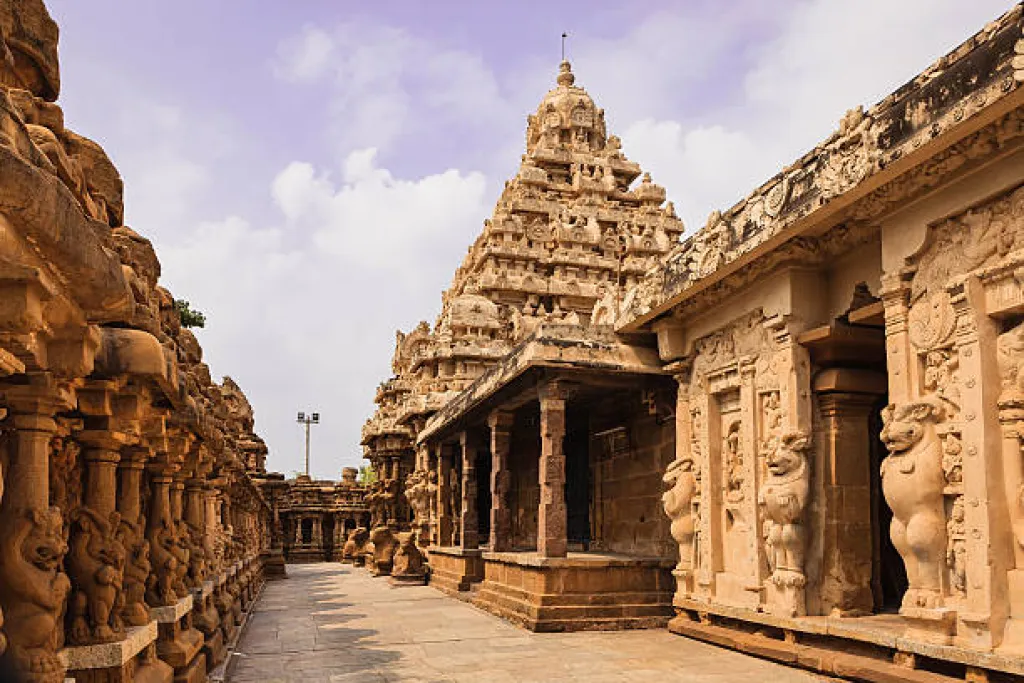
Where Entire Villages Feel Like Open-Air Museums
Some travelers collect passport stamps. Others collect photographs of famous monuments.
But the most curious travelers collect stories.
And few places tell stories better than India's villages.
Far from the crowds of major cities lie settlements where architecture is not merely about shelter, it's a reflection of history, geography, culture, faith, and centuries of local wisdom. Here, homes are built to survive earthquakes, withstand monsoon rains, combat desert heat, and embrace mountain winters. Every courtyard, roof, wall, and window serves a purpose.
These villages prove that extraordinary architecture isn't always found in royal palaces or UNESCO monuments. Sometimes it's hidden in a remote Himalayan hamlet, a desert settlement, or a forest community that has perfected sustainable living over generations.
Let's explore some of India's most fascinating villages where architecture is every bit as impressive as the landscapes surrounding them.
Discover India's Most Fascinating Villages for Architecture and Heritage
1. Malana, Himachal Pradesh
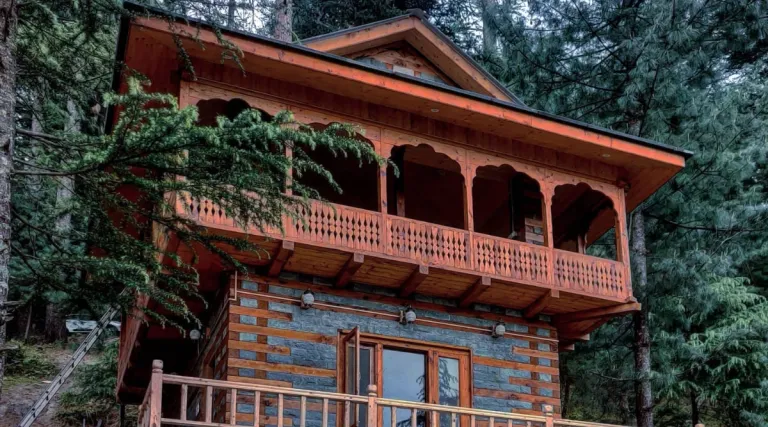
The Village of Timeless Himalayan Architecture
Nestled deep within the Parvati Valley, Malana is famous for its distinct traditions and centuries-old building techniques.
The village showcases the remarkable Kath Kuni architectural style, which alternates layers of wood and stone without relying heavily on cement. Developed centuries ago, this ingenious technique provides insulation during freezing winters while also offering resistance to earthquakes.
The narrow pathways, sloping roofs, carved wooden balconies, and traditional homes create a landscape that feels untouched by time.
What Makes It Unique?
Earthquake-resistant construction
Traditional Himalayan craftsmanship
Sustainable use of local materials
Stunning mountain setting
2. Hodka, Gujarat
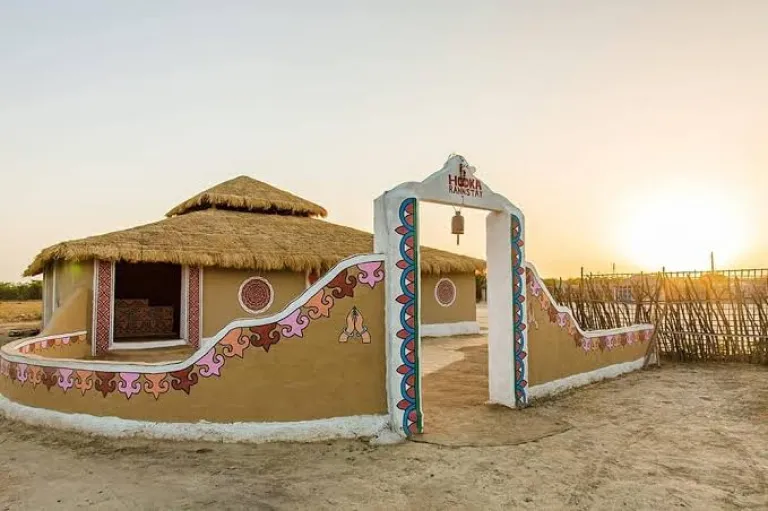
The Desert Village of Circular Masterpieces
Near the edge of the Great Rann of Kutch lies one of India's most architecturally fascinating villages.
Hodka is renowned for its traditional Bhunga houses, circular mud structures that have evolved over centuries to withstand both extreme desert temperatures and seismic activity.
Their thick mud walls keep interiors cool during scorching summers, while decorative mirror work transforms these practical homes into works of art.
The village perfectly demonstrates how architecture can be both beautiful and functional.
What Makes It Unique?
Circular earthquake-resistant homes
Intricate mirror and mud artwork
Climate-responsive design
Traditional Kutchi craftsmanship
3. Kalpa, Himachal Pradesh
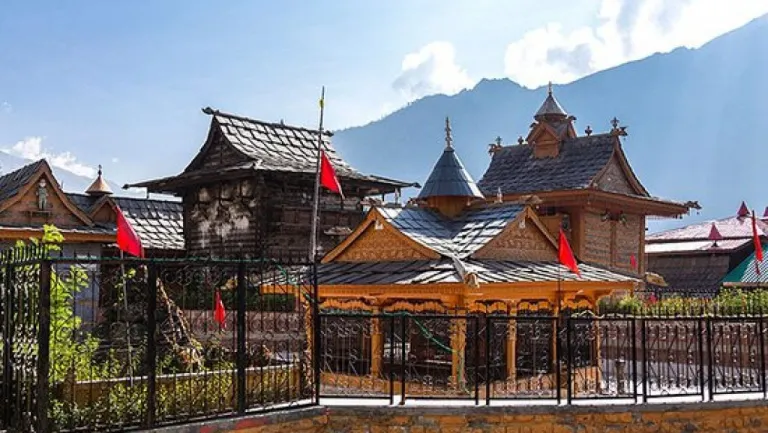
Architecture Framed by Snow-Capped Peaks
Set against the dramatic backdrop of the Kinnaur Kailash range, Kalpa offers some of the finest examples of traditional Kinnauri architecture.
Homes and temples feature elegant combinations of wood and stone, often decorated with intricate carvings inspired by local beliefs and traditions.
Unlike modern mountain constructions, these structures are carefully adapted to survive heavy snowfall, strong winds, and harsh winters.
The result is a village that feels perfectly integrated into its Himalayan surroundings.
What Makes It Unique?
Traditional Kinnauri craftsmanship
Beautiful carved wooden facades
Snow-resistant architectural design
Spectacular mountain backdrop
4. Ziro Valley Villages, Arunachal Pradesh
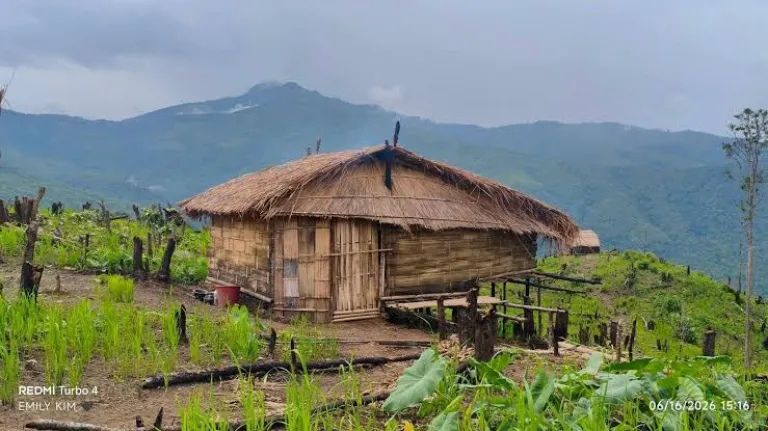
Sustainable Living Through Bamboo Architecture
The villages of Ziro Valley showcase how sustainable architecture can exist in perfect harmony with nature.
Home to the Apatani community, these settlements feature houses constructed using bamboo, cane, timber, and locally sourced materials. Elevated on stilts, the structures are designed to handle heavy rainfall and varying terrain.
The architecture complements the valley's famous rice fields and agricultural landscapes, creating one of India's most visually distinctive rural settings.
What Makes It Unique?
Eco-friendly construction
Bamboo-based architecture
Elevated stilt homes
Integration with agricultural landscapes
5. Khonoma, Nagaland
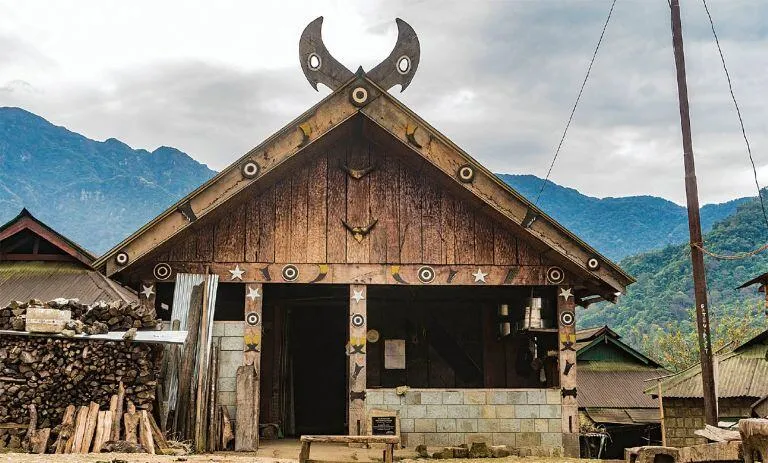
A Village Built on Heritage and Conservation
Often referred to as India's first green village, Khonoma is celebrated for both its conservation efforts and traditional architecture.
Homes are built using stone, timber, and locally available materials, often featuring carved motifs and decorative elements that reflect the cultural identity of the Angami Naga people.
The village's terraced layout follows the contours of the surrounding hills, creating a harmonious relationship between architecture and landscape.
What Makes It Unique?
Traditional Naga craftsmanship
Hillside village planning
Heritage architecture
Strong connection to local culture
6. Mawlynnong, Meghalaya
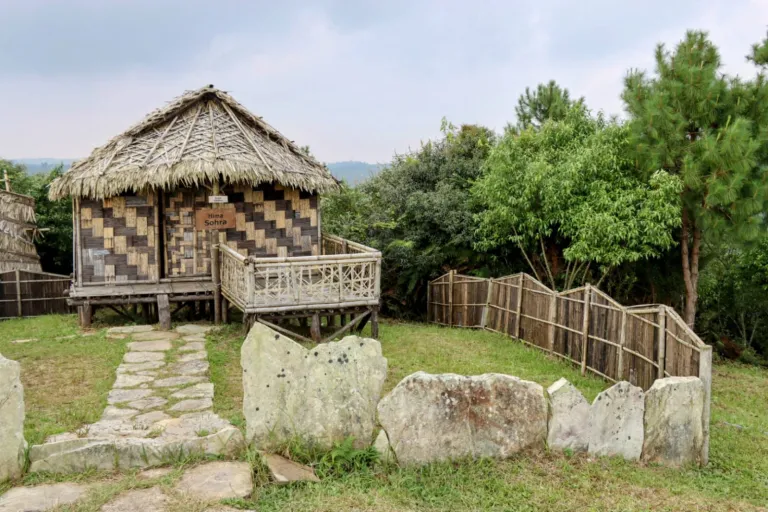
Where Architecture and Nature Coexist Beautifully
Known globally as one of Asia's cleanest villages, Mawlynnong demonstrates how thoughtful planning can transform a community.
Traditional Khasi homes constructed from bamboo, timber, and stone blend seamlessly into the surrounding greenery. Carefully maintained pathways, flower-lined streets, and eco-friendly infrastructure contribute to the village's charm.
The beauty of Mawlynnong lies not in grand monuments but in its remarkable attention to detail.
What Makes It Unique?
Sustainable village planning
Bamboo-based architecture
Exceptionally clean public spaces
Integration with natural surroundings
7. Raghurajpur, Odisha
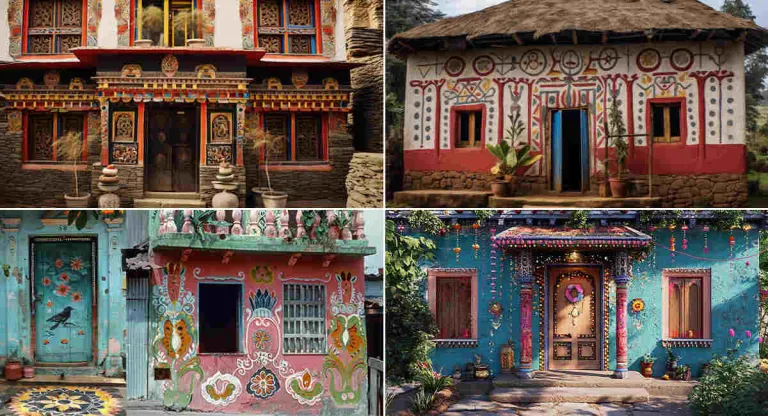
The Village Where Every Wall Is a Canvas
Few villages in India blur the line between architecture and art quite like Raghurajpur.
Famous for its Pattachitra artists, the village is lined with houses adorned with colorful murals, mythological scenes, and traditional artwork.
Walking through its streets feels like strolling through an open-air museum where architecture serves as the canvas for centuries-old artistic traditions.
What Makes It Unique?
Painted house facades
Living artistic heritage
Traditional village planning
Rich cultural atmosphere
8. Chettinad Villages, Tamil Nadu
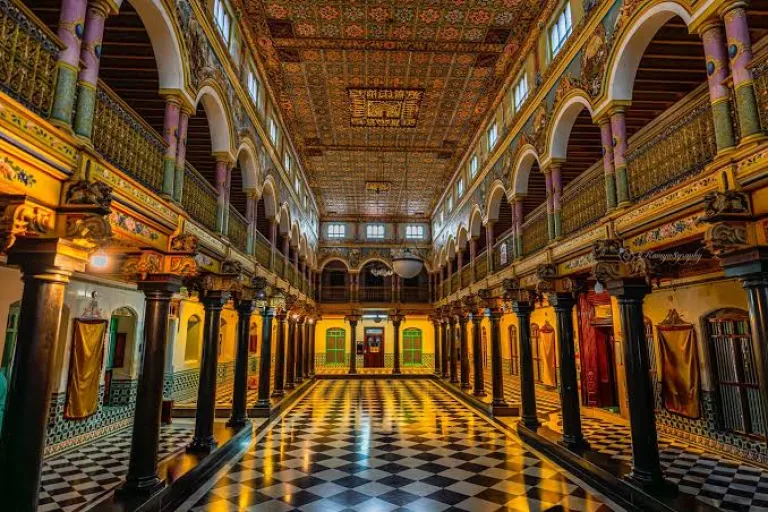
Palaces Hidden in Rural Landscapes
The villages surrounding Karaikudi are famous for some of India's grandest residential architecture.
Built by the affluent Chettiar merchant community, these mansions feature massive courtyards, marble floors, ornate columns, Belgian glass, and Burmese teak.
The architecture reflects influences from Europe, Southeast Asia, and traditional Tamil design, creating homes unlike anything else in India.
What Makes It Unique?
Massive heritage mansions
International design influences
Intricate craftsmanship
Luxurious architectural details
9. Kibber, Himachal Pradesh
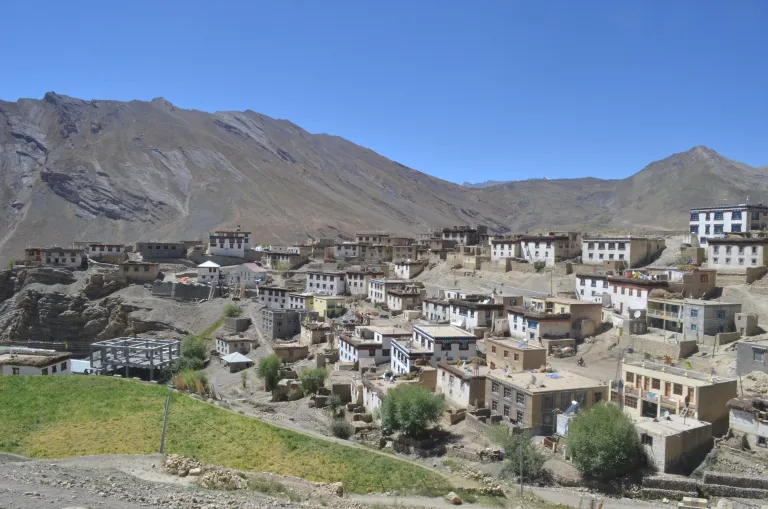
Stone Homes in the High Himalayas
Located at an altitude of over 4,000 meters in the Spiti Valley, Kibber showcases architecture shaped by one of India's harshest environments.
Traditional homes feature thick stone walls, compact layouts, and whitewashed exteriors designed to withstand freezing temperatures and strong mountain winds.
The result is a settlement that appears almost sculpted into the surrounding landscape.
What Makes It Unique?
High-altitude architecture
Thick stone construction
Climate-adaptive design
Stunning desert mountain setting
10. Kongthong, Meghalaya
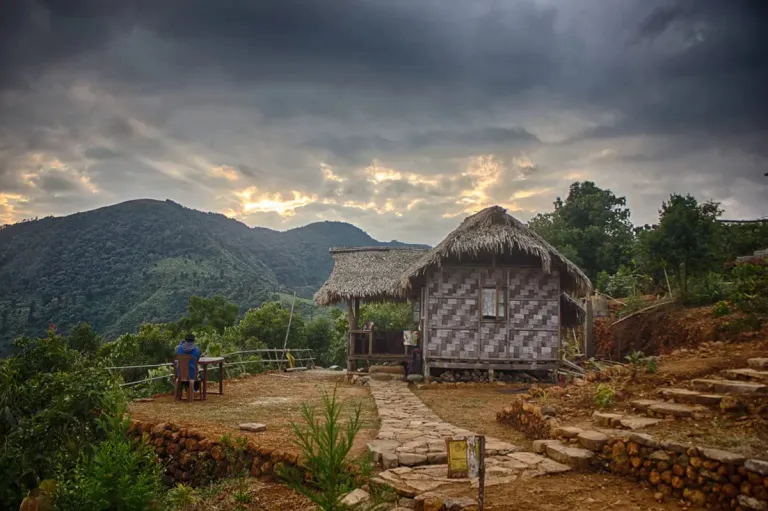
The Village That Sings
While famous for its unique whistling tradition, Kongthong also offers fascinating examples of traditional Khasi architecture.
Homes built from bamboo, wood, and stone are adapted to the region's heavy rainfall and rugged terrain. The village's layout and building styles reflect a deep understanding of local environmental conditions.
What Makes It Unique?
Traditional Khasi architecture
Bamboo-based construction
Rain-friendly design
Rich cultural heritage
Why These Villages Deserve a Place on Your Travel Bucket List
Long before sustainability became a global conversation, these villages were already practicing it.
Long before architects spoke about climate-responsive design, these communities were building homes perfectly suited to their environments.
And long before "experiential travel" became a trend, these villages were offering travelers authentic experiences rooted in culture, history, and tradition.
They remind us that architecture isn't only about grand buildings.
Sometimes it's about a mud house that stays cool in the desert.
A bamboo home that blends into a valley.
A mountain village built to survive centuries of snowfall.
Or a street where every wall is a work of art.
Because some of India's greatest architectural treasures aren't hidden behind museum doors, they're still being lived in every day.
Published at
About Author

Prerna Dixit
Subscribe our Newsletter
Get our weekly tips and travel news!
Related Posts
10 Must-See Sights in Jaipur, India’s Pink City (2023)
India, with its mysterious and exotic charms, is just the sort of country that even a whole lifetime spent exploring wouldn’t be able to suffice. From the majestic Himalayan mountain peaks to charm...
5 Koreatowns in Southeast Asia You Need to Visit in Your Lifetime!
Picture this: You’re watching a Korean drama where the main characters are walking along Seoul’s vibrant streets. It’s a cold winter night. They enter a pocha (a local bar with food) where...
13 Historic Sites in the Philippines to Visit (2023)
The Philippines has long been considered a top tourist destination by people all over the world. Not only does it have plenty of
Top 10 Cultural Destinations in Thailand for a Journey Through Tradition!
Destinations in Thailand are always worth the time and interest because they are filled with incredible stories or distinct traditions. With its innate natural beauty, such a country must have an impressive history behind it. Get to know wh...
West Bengal: Tagore's Residence Santiniketan Achieves UNESCO World Heritage Status
Santiniketan, a town in West Bengal's Birbhum region where Nobel laureate Rabindranath Tagore spent much of his life, has been added to the UNESCO World Heritage List.
Latest Posts
Bangkok Floods 2026: Thai Airways Cancels Flights as Airport Disruptions Continue
Bangkok floods are disrupting flights, baggage handling and road transport. Here's the latest Thai Airways, airport and travel update for tourists.
India Launches National Digital Tourism Stack: What Travellers Need to Know
India has launched the National Digital Tourism Stack to simplify travel discovery and connect tourists with destinations, homestays and local experiences.
Bangkok Floods 2026: What Indian Travellers Need to Know Before Visiting
Bangkok is dealing with widespread flooding, but its major airports remain operational. Here's what Indian travellers should know before visiting.
Philippine Airlines to Launch Delhi and Mumbai Flights in December 2026
Philippine Airlines plans to launch nonstop Manila–Delhi and Manila–Mumbai flights in December 2026, giving travellers new direct India-Philippines connections.
India–Vietnam Flights to Double: New Aviation Deal Brings More Travel Options
India and Vietnam have agreed to more than double weekly air capacity to over 16,000 seats, opening the door to more direct flight options for Indian travellers.