
7 Most Common Tourist Traps & How to Avoid Them
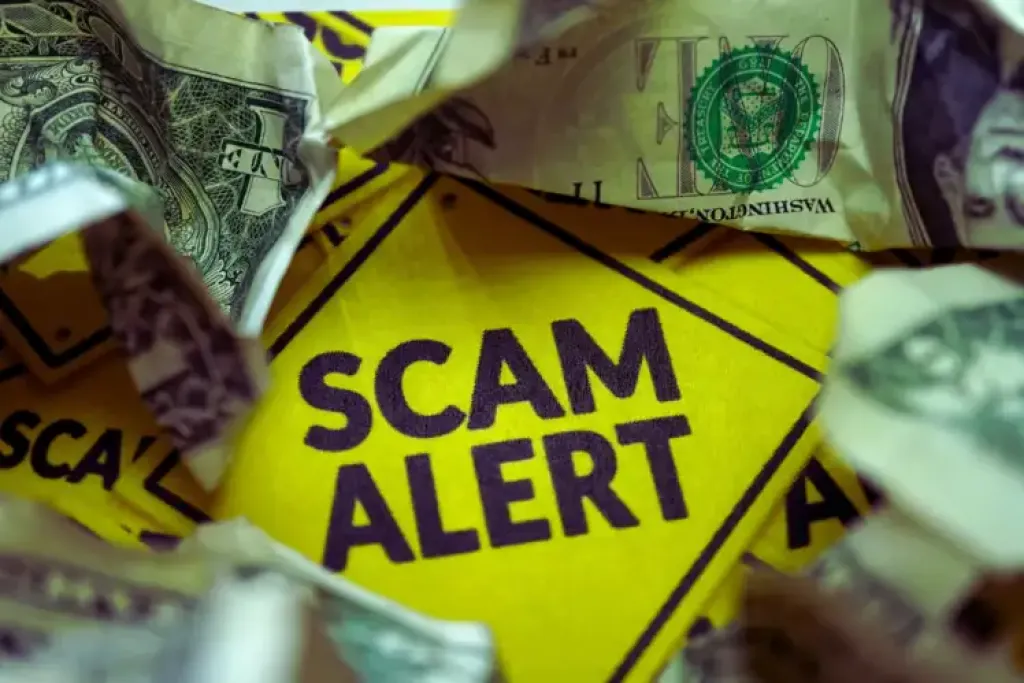
Traveling to new and exciting places is an exhilarating experience, but regretfully, it can also turn you into the target of opportunistic fraudsters. From busy city plazas to peaceful historical landmarks, these scammers use a range of strategies to trick tourists out of their hard-earned cash. Having knowledge of common scams and learning how to evade them is your best protection against having your dream holiday become a money nightmare.
Following are some of the most common scams that tourists get caught up in, and essential tips on how to avoid falling for them
7 Most Common Tourist Traps & How to Avoid Them
1. The "Closed" Attraction/Fake Guide Scam

How it works: A smiling local comes up to you in front of a busy landmark, stating that it's closed due to a "holiday," "cleaning," or a "special event." They then "nicely" invite you to go with them to an "even better" alternative – likely a store, gem shop, or another tour where they get a commission. In the same way, unofficial "guides" will also offer their services for overpriced rates or give you bad information.
How to avoid: Always check opening hours online or with your hotel before going out. Don't accept unsolicited information from strangers at face value, particularly if it directs you away from your original destination. For guides, book with a reputable tour operator or official guides provided at the attraction.
2. Overpriced Taxi/Auto-Rickshaw Rides
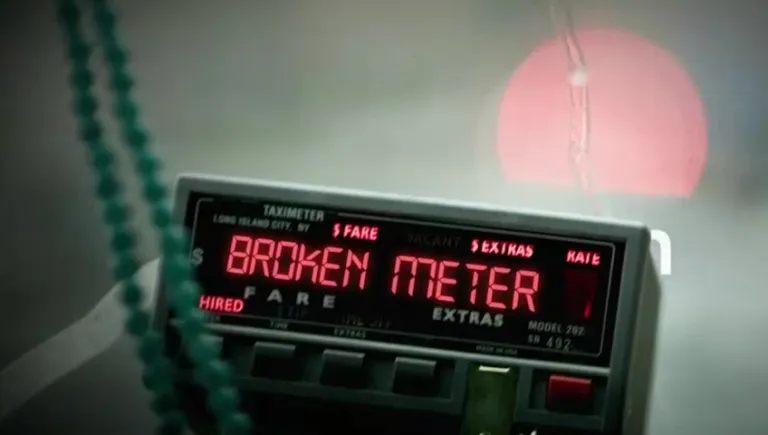
How it works: Drivers will tell you their meter is "broken" and charge an outrageous flat rate, take a circuitous route, or "forget" to switch on the meter. Some will even say your pre-booked hotel is shut down and attempt to take you to another, commission-paying one.
How to avoid: Look up average prices for popular routes prior to travel. Demand the use of the meter, or negotiate a price beforehand. Take official taxi lines, licensed ride-hailing services (such as Uber or Bolt where they exist), or request trusted drivers from your hotel. Always carry small denominations of local currency so that you don't have a problem with change.
3. The "Friendly Local" or Distraction Theft
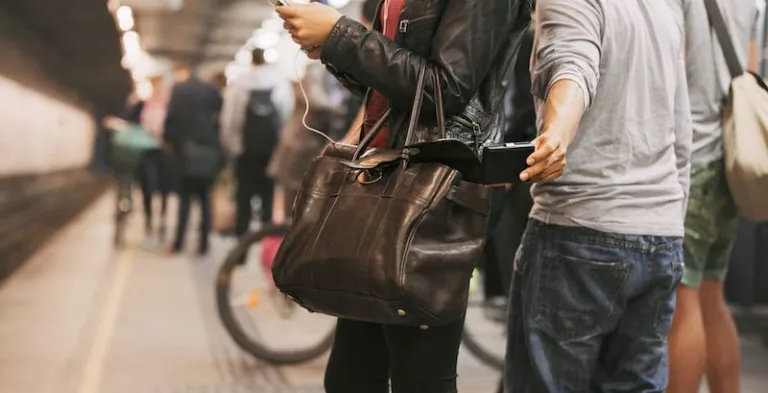
How it works: A person may "accidentally" drop something on you, ask directions using a map, or make a scene. As you are distracted, an accomplice steals from your pockets or grabs your bag. This is also for individuals who provide "free" items such as flowers or bracelets and then demand payment when you agree to accept them.
How to avoid: How to avoid from. Be very careful in crowded locations. Lock your belongings, ideally in a cross-body bag or in a money belt worn under the clothing. Watch out when someone starts invading your personal space or trying to divert your attention. Politely deny unsolicited "gifts" or help.
4. Fake Police or Officials
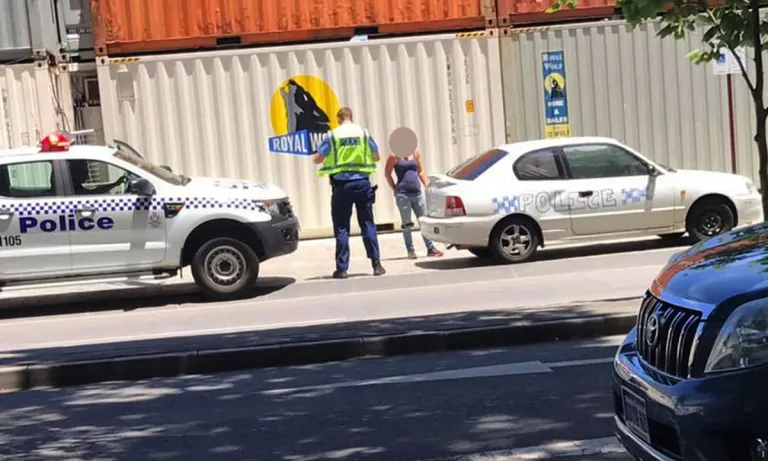
How it works: Fake police or officials approach tourists, accuse them of a made-up offense (such as drug possession or minor violation), and tell them they must pay an immediate "fine" or bribe. They may request to see your passport or wallet.
How to avoid: Genuine police officers will not ask for money on the street. Request official identification. If they persist, agree to go with them to the nearest police station to settle the issue. Keep a photocopy of your passport and leave the original in your hotel safe.
5. ATM Skimming and Credit Card Fraud
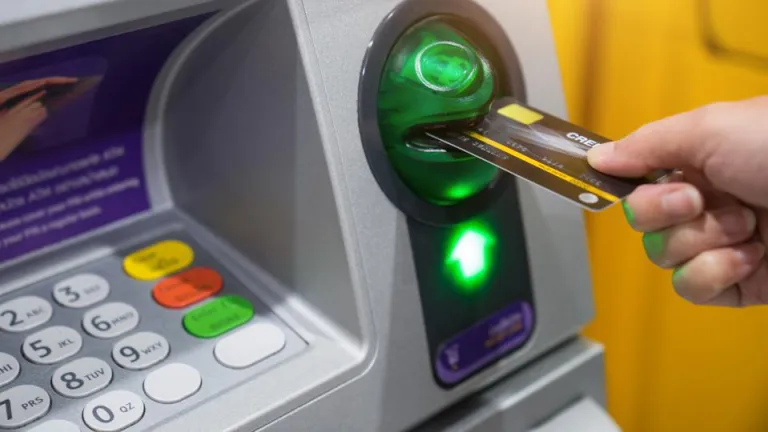
How it works: Thieves place devices on ATMs (skimmers) to capture your card info or hidden cameras to tape your PIN. At stores or restaurants, they may overcharge, double-charge, or swipe your card several times.
How to avoid: Use ATMs located inside reputable banks, airports, or well-lit, high-traffic areas. Before inserting your card, check the card reader and keypad for any loose or suspicious attachments. Shield your PIN when entering it. When paying with a card, always keep an eye on it and check your bank statements regularly for unauthorized transactions. Consider using a travel-specific credit card with strong fraud protection.
6. "Free" Vacation or Discounted Tour Scams
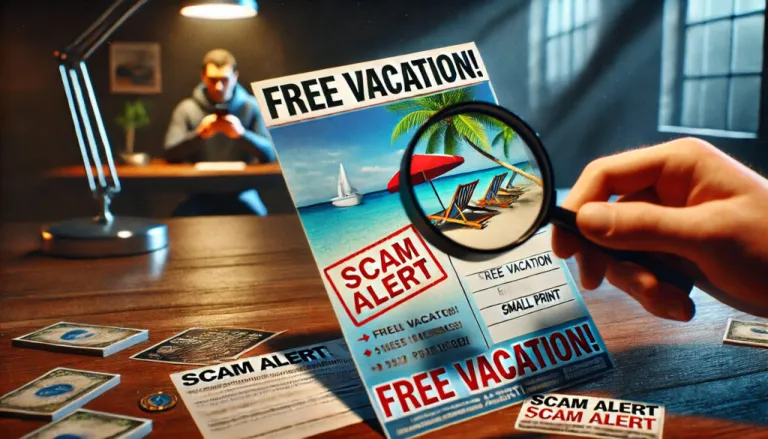
How it works: You get an email, phone call, or browse on the internet an advertisement promoting a "free" trip or very low-cost tour package. When you reply, you're told you have to pay "fees," "taxes," or sit through a long timeshare presentation before you receive your "award."
How to avoid: If it seems too good to be true, it probably is. Reputable businesses won't require you to pay for a free award. Investigate any travel business exhaustively before offering personal or financial information.
7. Fake Wi-Fi Hotspots
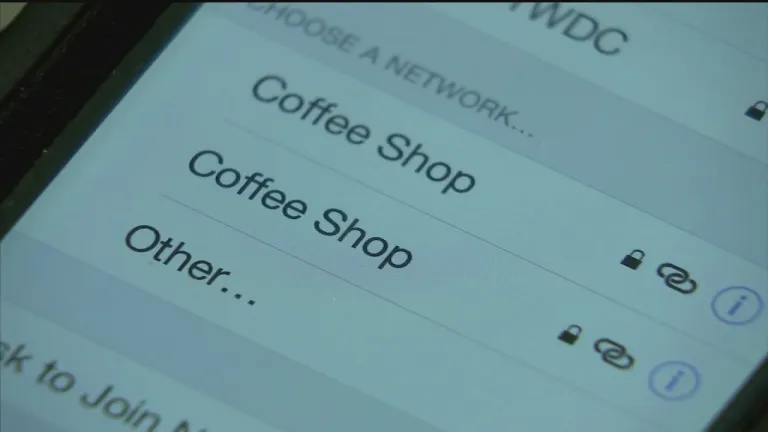
How it works: Thieves create open Wi-Fi networks with names that are very close to actual names (e.g., "Free Airport Wi-Fi"). When you join, they can tap into your information, such as passwords and banking information.
How to avoid: Use public Wi-Fi with extreme care. Refrain from viewing sensitive information (such as online banking) on open networks. Employ a Virtual Private Network (VPN) for additional security when accessing public Wi-Fi.
General Tips to Remain Safe

Research Your Destination: Find out about common local scams, social norms, and usual prices for goods and services before you go.
Trust Your Gut: If a situation feels off or too good to be true, it probably is. Don't be pressured into making quick decisions.
Be Aware of Your Surroundings: Stay alert, especially in crowded tourist areas. Avoid being engrossed in your phone or looking overly lost.
Keep Your Valuables Safe: Don't travel with all of your money, cards, and valuable papers. Store passports, extra money, and other valuables in a hotel safe. Only take what you need for the day.
Take Copies of Documents: Have physical and electronic copies of your passport, visa, travel insurance, and hotel reservations in a safe, secure place.
Notify Your Bank: Inform your bank and credit card companies of your travel plans to avoid legitimate transactions flagged as suspicious.
Use Reputable Services: Book your accommodations, tours, and transport through companies that are well-known and reviewed.
Learn Basic Phrases: Learning some basic phrases for the local language can get you out of many situations and will get you communicating better so you become less of an obvious target.
Don't Be So Flamboyant: Refrain from showing large sums of money or flashy jewelry, as this will make you a more desirable target for robbers.
By being aware, being careful, and listening to your intuition, you can dramatically lower your chances of becoming a victim of tourist scams and have a safe, fun, and memorable vacation. Safe travels!
Published at
About Author

Tashvi Gala
Subscribe our Newsletter
Get our weekly tips and travel news!
Related Posts
12 Insider Tips for Exploring Kochi Like a Local
Discover the spice-scented streets, tranquil backwaters, and vibrant art scene that define this enchanting coastal city in Kerala, India.
10 Best travel hacks for solo travelers in India
Ready for a solo adventure in India? Discover the best travel hacks for solo travelers!
10 Ultimate Hacks to Book the Best Hotels for Cheap
From timing your bookings strategically to leveraging rewards programs and alternative accommodations, learn how to unlock savings and enjoy unforgettable travel experiences on a budget.
10 Common Mistakes Every Traveler Makes
Indian travelers often overpack, skip travel insurance, and neglect local customs. Embrace light packing, smart planning, and cultural respect for a smooth and unforgettable trip.
Top 11 beginner Mistakes to Avoid in Kerala
Planning a trip to Kerala? This blog unpacks 13 mistakes to avoid in God's own Country!
Latest Posts
Cheap International Flights from India: Affordable Destinations for 2026
Looking for affordable international flights from India? These destinations offer some of the cheapest flight options for Indian travellers in 2026.
China Southern Resumes Delhi–Guangzhou Flights After 6 Years: What Indian Travellers Should Know
China Southern Airlines will resume daily Delhi–Guangzhou flights from September 21 after a six-year suspension. Here's what Indian travellers should know.
South Korea Expands Visa Application Services in India: What Travellers Need to Know
South Korea has expanded its visa application network across India, with services available in New Delhi, Bengaluru, Chennai and Kolkata. Here's what the change means for Indian travellers.
Indian Airlines Cut September Flights by 4.5%: What Travellers Need to Know
India's airline capacity has fallen 4.5% in September 2026, with domestic flights down 5.6%. Here's what the latest OAG data means for air travellers.
Delhi Travel Advisory for BRICS Summit 2026: Airport, Train Travel and Traffic Restrictions
Delhi is expecting major traffic restrictions during the BRICS Summit from September 11–13. Here's what airport, railway and road travellers need to know.