
7 Travel Mistakes You Must Avoid in 2026

Because travel, at its best, is not about movement but meaning.
There is a quiet shift happening in the way we travel. In 2026, journeys are no longer defined by how many places you visit, but by how deeply you experience them. And yet, despite better access to information, smarter tools, and endless inspiration, certain travel mistakes continue to repeat themselves, often subtly, almost unknowingly.
So, instead of rushing into your next itinerary, pause for a moment. Because sometimes, what you avoid matters just as much as what you choose.
7 Mistakes That Can Ruin Your Travel Plans in 2026
1. Chasing Trends Instead of Experiences

The digital age has redefined travel in ways we rarely question. A destination trends, and suddenly, it becomes a must-visit. But what often gets overlooked is this, popularity does not guarantee connection.
When you travel only to replicate what you have seen online, the experience becomes borrowed rather than lived. You stand where others have stood, click what others have clicked, and leave with memories that feel strangely familiar rather than uniquely yours.
In 2026, this mistake becomes even more pronounced, as algorithm-driven recommendations continue to dominate travel decisions.
What to do instead:
Choose places that align with your curiosity, not just visibility. Explore lesser-known neighbourhoods, revisit overlooked destinations, or even travel off-season. The goal is not to avoid popular places entirely, but to experience them on your own terms.
2. Overplanning Every Minute
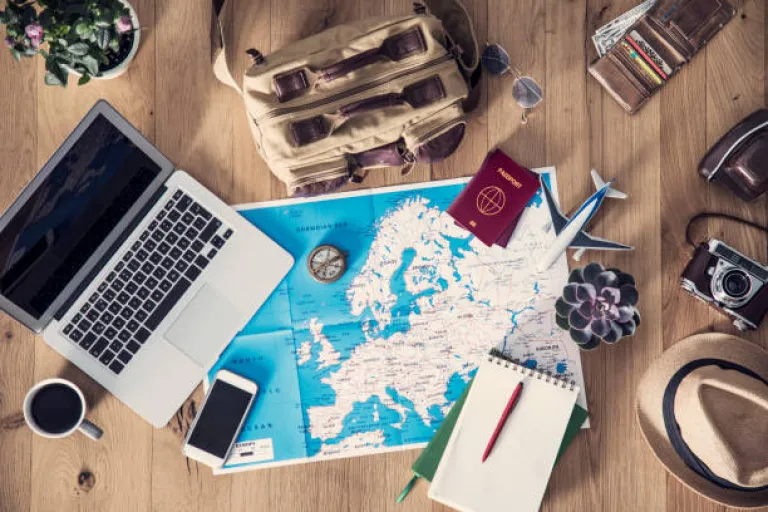
There is a certain comfort in structure, knowing where you will be at 10 AM, what you will eat at 1 PM, and which landmark comes next. But travel is not meant to function like a corporate calendar.
Overplanning creates pressure. It transforms exploration into obligation, leaving little room for discovery. Ironically, the more tightly you plan, the less present you become.
In 2026, with AI-generated itineraries and hyper-detailed travel apps, this mistake is becoming more common. People are travelling efficiently but not meaningfully.
What to do instead:
Anchor your day around one or two key experiences, and let the rest unfold naturally. Allow time for wandering, for conversations, for moments that cannot be scheduled. Travel should feel fluid, not forced.
3. Ignoring Sustainable Travel Choices

Sustainability is no longer a niche concern, it is central to the future of travel. And yet, many travellers still treat it as optional, something to consider only if convenient.
The impact of tourism is visible in overcrowded destinations, environmental degradation, and the erosion of local cultures. In 2026, the responsibility lies not just with governments or businesses, but with individuals.
Ignoring sustainability is not always about large actions. Sometimes, it is in the small, repeated choices, plastic bottles, fast fashion purchases, or insensitive behaviour in culturally significant spaces.
What to do instead:
Travel consciously. Carry reusable essentials, choose accommodations that prioritise eco-friendly practices, and support local artisans and businesses. Respect local customs, reduce waste, and understand that your presence has an impact.
Also read: Eco-Tourism Wonders: India's Most Unique Sustainable Destinations
4. Underestimating Travel Insurance
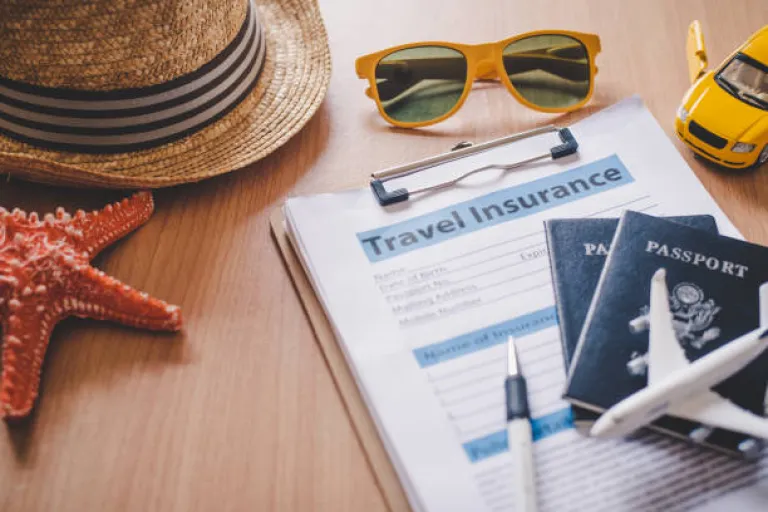
Travel often comes with an optimism that nothing will go wrong. And while that optimism is part of the excitement, it can also lead to oversight.
Lost baggage, medical emergencies, cancellations, these are not rare occurrences. In fact, with increasing global travel and unpredictable disruptions, they are becoming more common.
The mistake lies not in encountering problems, but in being unprepared for them.
What to do instead:
Treat travel insurance as an essential, not an afterthought. Choose a plan that covers health, cancellations, and baggage issues. More importantly, understand what your policy includes, because clarity matters as much as coverage.
Also read: Is it worth it to buy travel Insurance in India?
5. Packing for “Just in Case”

Packing is often driven by fear, fear of not having enough, of being unprepared, of missing out on options. And so, bags get heavier, choices become overwhelming, and mobility is compromised.
Overpacking affects more than just luggage weight. It limits spontaneity. It makes transitions harder. It turns simple travel into logistical effort.
In 2026, with more people embracing multi-destination trips and flexible travel styles, packing smart is no longer optional.
What to do instead:
Adopt a minimalist approach. Focus on versatility rather than variety. Choose clothing that can be layered, mixed, and repeated. Remember, most destinations offer access to essentials, you do not need to carry your entire life with you.
6. Relying Only on Online Reviews

Online reviews have become a default decision-making tool. They offer convenience, quick insights, and a sense of reassurance. But they also come with limitations.
Reviews are subjective, often influenced by personal expectations, cultural differences, or even trends. What works for one traveller may not work for another. Moreover, the rise of sponsored content and manipulated ratings has made it harder to distinguish authenticity.
In 2026, the challenge is not lack of information but excess of it.
What to do instead:
Use reviews as a reference point, not a final decision. Balance them with on-ground exploration. Talk to locals, observe spaces yourself, and trust your instincts. Sometimes, the best experiences are the ones you do not research extensively.
7. Treating Travel as a Checklist

Perhaps the most common mistake, and the most subtle one, is reducing travel to a checklist. A list of places to see, things to do, photos to take.
This approach creates a sense of urgency, where the focus shifts from experiencing to completing. You move quickly, capture moments mechanically, and leave without truly engaging.
In 2026, where travel is often documented in real time, the pressure to cover more has only increased.
What to do instead:
Shift your mindset from quantity to quality. Spend more time in fewer places. Sit in a café without an agenda. Watch a sunset without photographing it. Engage with the rhythm of a place rather than racing through it.
Conclusion: A More Thoughtful Way to Travel
Travel in 2026 is not about avoiding mistakes perfectly, it is about becoming aware of them. It is about recognising when convenience overrides connection, when speed replaces depth, and when external influence shapes internal choices.
Because ultimately, the value of a journey lies not in how much you see, but in how much you feel.
And perhaps, the most important shift is this, to travel not just to explore the world, but to experience it with intention, awareness, and quiet curiosity.
FAQs
1. What is the biggest travel mindset shift in 2026?
The focus has shifted from fast, checklist-based travel to slower, more intentional and experience-driven journeys.
2. How can I make my trips more meaningful?
Prioritise fewer destinations, engage with local culture, allow unplanned moments, and avoid over-reliance on social media trends.
3. Is sustainable travel expensive?
Not necessarily. Many sustainable choices, like reducing waste or supporting local businesses, are affordable and often more authentic.
4. How much planning is ideal for a trip?
Plan major logistics like transport and accommodation, but keep your daily schedule flexible to allow spontaneity.
5. Why is overpacking considered a mistake?
It reduces mobility, adds stress, and limits flexibility, especially for multi-destination or long-duration travel.
Published at
About Author

Prerna Dixit
Subscribe our Newsletter
Get our weekly tips and travel news!
Related Posts
12 Insider Tips for Exploring Kochi Like a Local
Discover the spice-scented streets, tranquil backwaters, and vibrant art scene that define this enchanting coastal city in Kerala, India.
10 Best travel hacks for solo travelers in India
Ready for a solo adventure in India? Discover the best travel hacks for solo travelers!
10 Ultimate Hacks to Book the Best Hotels for Cheap
From timing your bookings strategically to leveraging rewards programs and alternative accommodations, learn how to unlock savings and enjoy unforgettable travel experiences on a budget.
10 Common Mistakes Every Traveler Makes
Indian travelers often overpack, skip travel insurance, and neglect local customs. Embrace light packing, smart planning, and cultural respect for a smooth and unforgettable trip.
Top 11 beginner Mistakes to Avoid in Kerala
Planning a trip to Kerala? This blog unpacks 13 mistakes to avoid in God's own Country!
Latest Posts
Bangkok Floods 2026: What Indian Travellers Need to Know Before Visiting
Bangkok is dealing with widespread flooding, but its major airports remain operational. Here's what Indian travellers should know before visiting.
Philippine Airlines to Launch Delhi and Mumbai Flights in December 2026
Philippine Airlines plans to launch nonstop Manila–Delhi and Manila–Mumbai flights in December 2026, giving travellers new direct India-Philippines connections.
India–Vietnam Flights to Double: New Aviation Deal Brings More Travel Options
India and Vietnam have agreed to more than double weekly air capacity to over 16,000 seats, opening the door to more direct flight options for Indian travellers.
Delhi Airport Beats Dubai in Global Connectivity: What Indian Travellers Should Know
Delhi Airport has climbed to 28th in OAG's 2026 global connectivity ranking, moving ahead of Dubai. Here's what Indian travellers should know.
Malaysia Visa-Free Entry for Indians: India Issues Important Travel Advisory
Malaysia continues its 30-day visa-free entry for Indians, but a new advisory warns travellers against using the facility to seek employment.