
7 Indian Beaches With Blue Flag Certification That You Can Visit in 2026
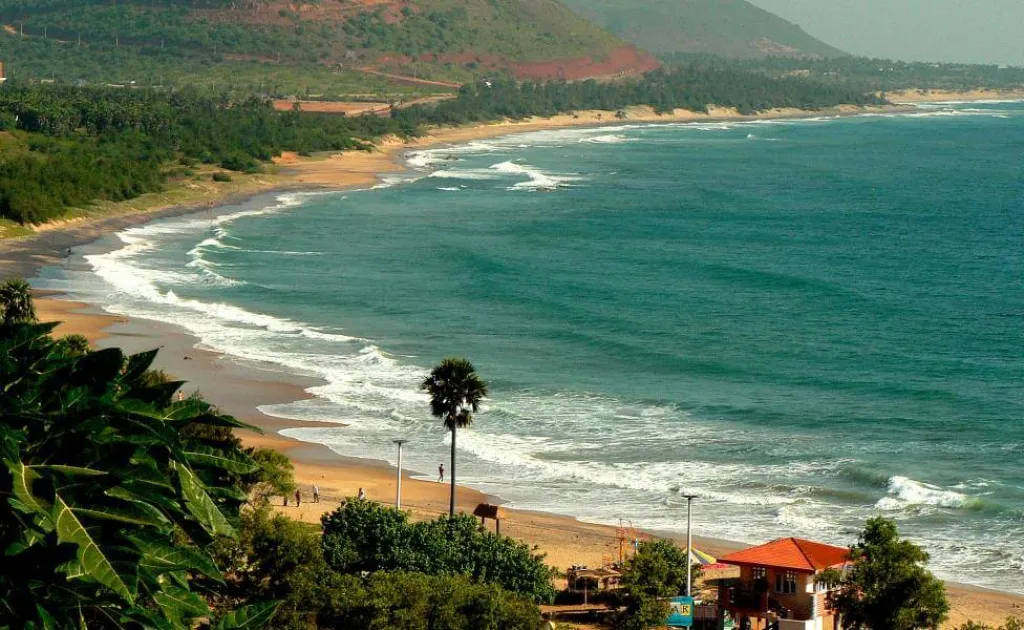
When the world looks for the gold standard in coastal tourism, it looks for the Blue Flag. Awarded by the Foundation for Environmental Education (FEE) in Denmark, this prestigious certification is only given to beaches that meet 33 stringent criteria regarding water quality, environmental management, safety, and sustainability.
As of early 2026, India has expanded its tally to 18 Blue Flag beaches. If you are planning a coastal getaway this year, these seven spots offer the perfect blend of pristine beauty and world-class amenities.
Here are 7 Indian Beaches you can visit in 2026
1. Golden Beach, Odisha
Often called the "Puri Beach," this was the first beach in Asia to receive the Blue Flag certification. Located near the sacred Jagannath Temple, it is famous for its golden sands and the sunrise views over the Bay of Bengal.
Best Time to Visit: October to February (for pleasant weather and the Sand Art Festival).
The Experience: This beach is an oasis of calm just steps away from the bustling pilgrimage center of Puri. The "Blue Flag" zone is strictly regulated, ensuring no litter or hawkers disturb your peace.
Must-Do Activities: Watch a live sand-sculpting session or take a 30-minute drive to the Konark Sun Temple.
Local Flavors: Try Chhena Poda (Odisha’s signature burnt cheese dessert) and fresh seafood thalis featuring Bay of Bengal prawns.
2. Radhanagar Beach, Andaman & Nicobar Islands
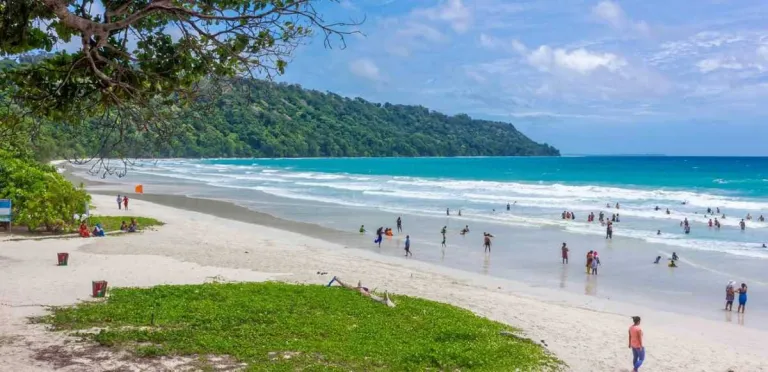
Consistently ranked among the best beaches in Asia, Radhanagar (Beach No. 7) on Havelock Island is a tropical paradise. The contrast of turquoise waters against the lush green Mahua trees is breathtaking.
Best Time to Visit: November to May (ideal for clear water and diving).
The Experience: Known as "Beach No. 7," it is famous for its massive waves and the "Mahua" trees that provide natural shade right up to the water's edge.
Hidden Gem: Walk to Neil’s Cove, a secluded lagoon just north of the main beach, perfect for photography (but avoid swimming here due to occasional crocodile sightings).
Local Flavors: Fresh Andaman Fish Curry and refreshing coconut water sold by local vendors along the forest path.
3. Shivrajpur Beach, Gujarat
Located just 12 km from the holy town of Dwarka, Shivrajpur is a white-sand haven. The water is so clear that it is a popular spot for scuba diving and snorkeling to see local coral reefs.
Best Time to Visit: October to March.
The Experience: Located on the Dwarka-Okha Highway, this beach feels like a slice of the Mediterranean in India with its calm, shallow, and turquoise waters.
Adventure: It is one of the few places in Gujarat offering scuba diving and snorkeling to view vibrant marine life and sea anemones.
Nearby Attraction: Combine your visit with the Kacchighadh Lighthouse for a panoramic view of the Arabian Sea.
4. Kappad Beach, Kerala
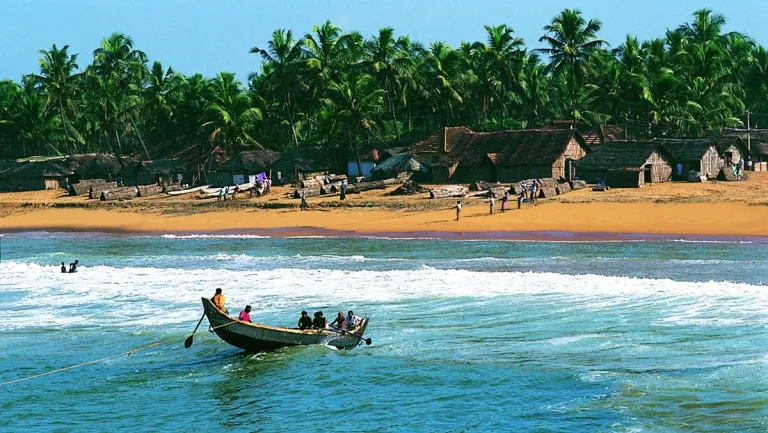
History meets serenity at Kappad, the site where Vasco da Gama first landed in India in 1498. Unlike the commercialized beaches of the south, Kappad offers a peaceful, rocky shoreline and a touch of history.
Best Time to Visit: September to March.
The Experience: A historically heavy site marked by a stone monument commemorating Vasco da Gama’s arrival. The beach features unique rock formations that create natural "tide pools."
Unique Feature: It is a nesting ground for Olive Ridley Turtles. If you visit between November and March, you might see conservationists protecting the nesting sites.
Local Flavors: Indulge in Kozhikode Biryani or "Kallummakkaya" (spicy stuffed mussels) at the nearby shacks.
5. Shrivardhan Beach, Maharashtra View this post on Instagram
One of the newest additions to the Blue Flag list (certified in late 2025), Shrivardhan is a jewel of the Konkan coast. It is known for its majestic semi-circular coastline and calm waters.
Best Time to Visit: November to February.
The Experience: A long, semi-circular stretch of sand lined with "Suru" (Casuarina) trees. The water is exceptionally shallow, making it the safest beach for families with small children.
Hidden Gem: Take a short boat ride to the Janjira Fort, an unconquered sea fort located just an hour away.
Local Flavors: Authentic Konkani seafood, specifically "Sol Kadhi" (a refreshing pink drink made of kokum and coconut milk) and fried Pomfret.
6. Rushikonda Beach, Andhra Pradesh
Known as the "Jewel of the East Coast," Rushikonda in Visakhapatnam is a favorite for water sports enthusiasts. It offers everything from windsurfing to sea kayaking in a highly monitored, safe environment.
Best Time to Visit: Throughout the year (except the peak summer months of May and June).
The Experience: Surrounded by green hills, this is the "adventure capital" of the East Coast. The beach is remarkably clean despite being so close to the city of Visakhapatnam.
Adventure: Professional windsurfing, sea kayaking, and jet skiing are the main draws here.
Nearby Attraction: The INS Kursura Submarine Museum on the Beach Road is a world-class attraction you shouldn't miss.
7. Eden Beach, Puducherry
Nestled between the Arts and Crafts Village and Paradise Beach, Eden Beach is Puducherry’s first Blue Flag destination. It offers a quiet, "bohemian" vibe with thatched umbrellas and clean, greyish-blue waters.
Best Time to Visit: October to March.
The Experience: Situated in Chinna Veerampattinam, this beach offers a "tropical island" vibe. It features luxury sit-outs, an open-air gym, and a dedicated children's play area.
Unique Feature: The beach is located at the mouth of the Chunnambar River backwaters, offering a rare view where the river meets the sea.
Local Flavors: Explore the "Franco-Tamil" cuisine of Puducherry—try the Creole Curries and freshly baked baguettes from local bakeries in the French Quarter.
What to Expect at a Blue Flag Beach?

When you visit these sites in 2026, you can expect
International Safety: Professional lifeguards and first-aid equipment on-site.
Eco-Amenities: Clean changing rooms, bio-toilets, and purified drinking water.
Accessibility: Most of these beaches now feature ramps and specialized chairs for persons with disabilities.
Pro-Tips for Blue Flag Visitors
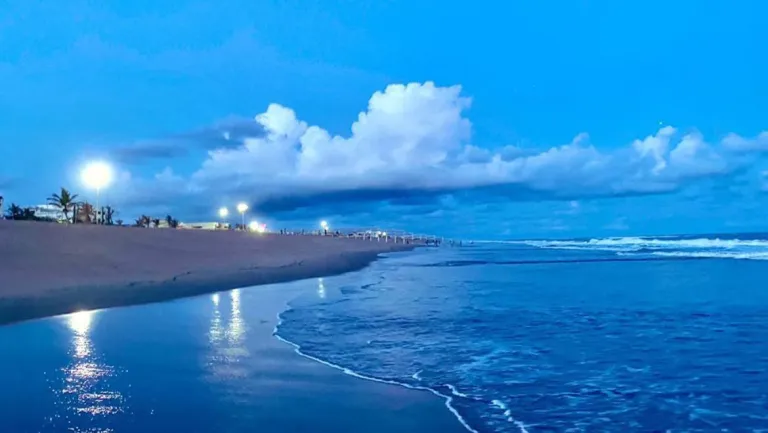
Entry Fees: Most Blue Flag beaches have a nominal entry fee (usually ₹20 to ₹50) to maintain the world-class facilities.
Strict Rules: No plastic, no smoking, and no pets are allowed within the Blue Flag demarcated zones.
Timings: Most zones operate from 8:00 AM to 6:00 PM for safety reasons.
Final Words
Whether you love the thrill of surfing or just want a quiet spot to watch the sunset, India’s Blue Flag beaches offer something truly special. They prove that we can enjoy the beauty of the ocean while still taking great care of our environment.
So, pack your bags, grab your sunscreen, and get ready to explore these clean, safe, and stunning shores in 2026. These beaches are waiting for you—let’s keep them beautiful for years to come!
Published at
About Author

Tashvi Gala
Subscribe our Newsletter
Get our weekly tips and travel news!
Related Posts
10 Things You Should NEVER Do At The Beach
The beach belongs to everyone; thus, we’re all equally responsible for keeping it clean and healthy. While only heartless people would want to trash our beaches intentionally, most of us tend to ov...
As India is home to iconic by bodies of water, it’s only reasonable that more and more Indians are learning how to surf. Maybe you’re one of them! Before hitting the beach, equip yourself with the...
Travel Guide to Dubai from India 2023
Welcome to the enchanting realm of Dubai, where ancient traditions seamlessly blend with futuristic marvels. In this comprehensive travel guide, we embark on a captivating journey from India to the dazzling desert metropolis of Dubai. From informatio...
What to Expect When Travelling to London: Expectations vs Reality
Given the increasing migration inflow to London every year, the defining features of London as a place of endless job opportunities, stunning architecture, and history, as well as the alluring Brit...
What to Expect When Travelling to Nepal: Expectations vs. Reality
What comes to your mind when you first think about Nepal? Majestic views of the sunrise against the snow capped peaks of the Himalayan mountains, rows of colorful prayer flags fluttering in the cri...
Latest Posts
Best New Year 2027 Destinations in India by Budget
Looking for a New Year getaway? Explore 10 destinations in India for welcoming 2027, with estimated budgets, things to do and tips for planning an affordable holiday.
Things to Do in Burkina Faso: Food, Culture and Unique Travel Experiences
Explore Burkina Faso's rich cultural heritage through traditional dishes, vibrant music, handmade textiles, major festivals and fascinating historic landscapes.
Madame Tussauds Singapore Launches Icons of India Diwali Campaign
Madame Tussauds Singapore and MakeMyTrip celebrate Diwali with the Icons of India campaign, featuring Bollywood wax figures and a special Buy One Get One ticket offer.
Best Time to Visit Mexico: Festivals, Hidden Gems & Travel Tips
Discover the best time to visit Mexico, from sunny Caribbean beaches and hidden colonial towns to vibrant festivals like Día de los Muertos and Oaxaca’s Guelaguetza. Explore seasonal travel tips, offbeat destinations, local food experiences and the best m
Best Places to Visit in India During Diwali Holidays 2026
Planning a Diwali holiday in 2026? Explore eight destinations across India, including Ayodhya, Jaipur, Amritsar, Goa and Varanasi, for a memorable festive getaway.