
7 Colonial-Era Churches in India for History Buffs
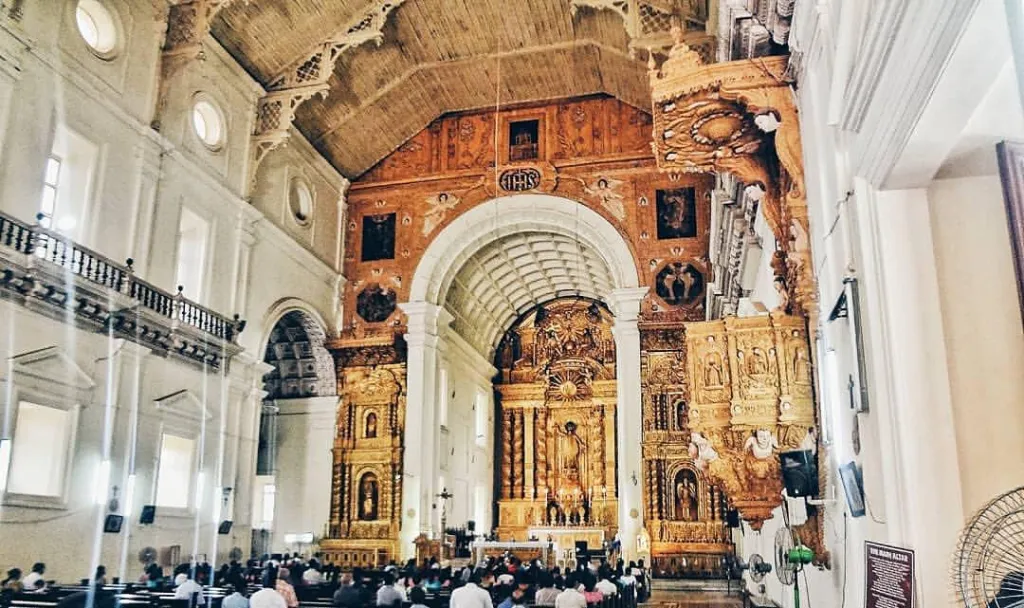
India is full of amazing history, and a big part of that is the time when European countries ruled. If you love history, checking out the old churches they built is a great way to see different architectural styles—from Portuguese Baroque to British Gothic—that were changed to fit the Indian climate.
Here are seven must-see colonial-era churches that tell powerful stories of faith and grand design:
1. Basilica of Bom Jesus, Goa
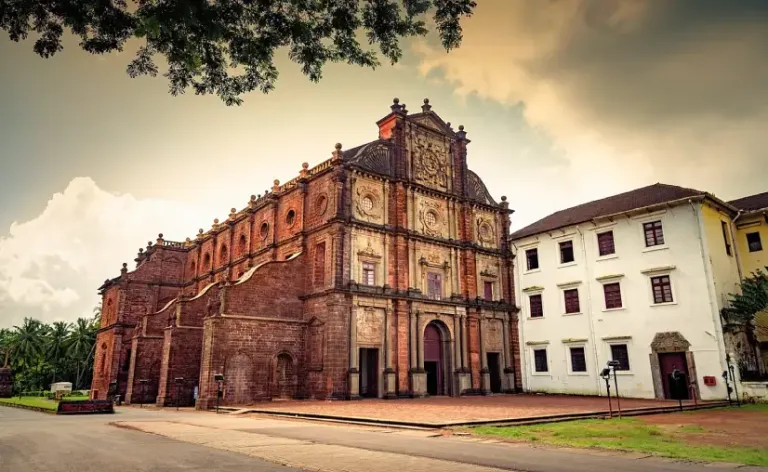
This is probably the most famous church in India! It's a UNESCO World Heritage Site and holds the remains of St. Francis Xavier, a very important figure in the Jesuit order. Built in 1605, it shows off the Baroque style with fancy decorations on the outside and inside, even though the main material is simple stone.
Location | Old Goa |
Built By | Portuguese |
Architectural Style | Baroque |
Entry Fee | Free |
Timings | Weekdays: 9:00 AM – 5:00 PM; Sunday: 11:00 AM – 5:00 PM (times may change due to services) |
2. St. Paul's Cathedral, Kolkata, West Bengal
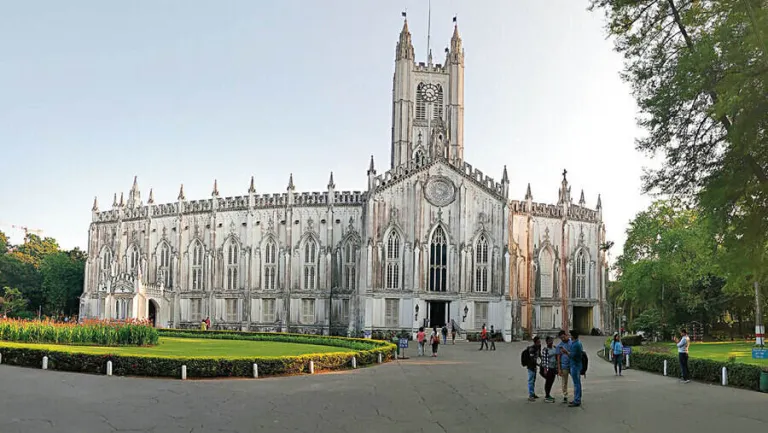
Finished in 1847, this was the first Episcopal Cathedral in all of Asia. It's a huge example of the Indo-Gothic style, which mixes European Gothic with features suited for India's weather. Since Calcutta was the capital of British India, this church was very important. Look for the tall spire and the beautiful stained-glass windows!
Location | Kolkata |
Built By | British |
Architectural Style | Indo-Gothic (Gothic Revival) |
Entry Fee | Free |
Timings | Generally 10:00 AM – 6:00 PM (Note: often closed briefly around noon) |
3. St. Francis Church, Kochi, Kerala
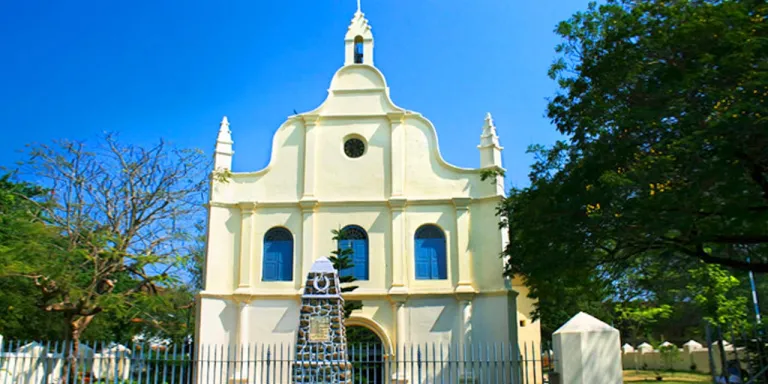
This is a really special place because it’s the oldest European church in India, originally built by the Portuguese in 1503. It's most famous for being the first resting place of the great explorer, Vasco da Gama. While his body was later moved, you can still see his original tombstone inside.
Location | Fort Kochi, Kerala |
Built By | Portuguese (later Dutch and British) |
Architectural Style | European Colonial |
Entry Fee | Free |
Timings | Monday - Saturday: 9:00 AM – 5:00 PM; Sunday: 1:00 PM – 5:00 PM |
4. Se Cathedral, Goa
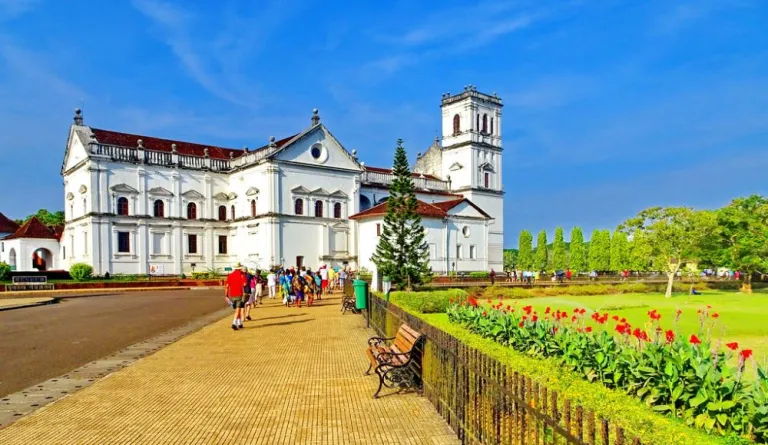
One of the largest churches in Asia, this huge cathedral was finished in 1619 to celebrate the Portuguese defeating a Muslim army. It features a mix of Manueline (a Portuguese style) and Renaissance architecture. You'll notice it only has one tower—the other fell down in 1776! It also has a massive gold-colored bell.
Location | Old Goa |
Built By | Portuguese |
Architectural Style | Portuguese-Manueline and Renaissance |
Entry Fee | Free |
Timings | Generally 7:30 AM – 6:00 PM daily |
5. Christ Church, Shimla, Himachal Pradesh
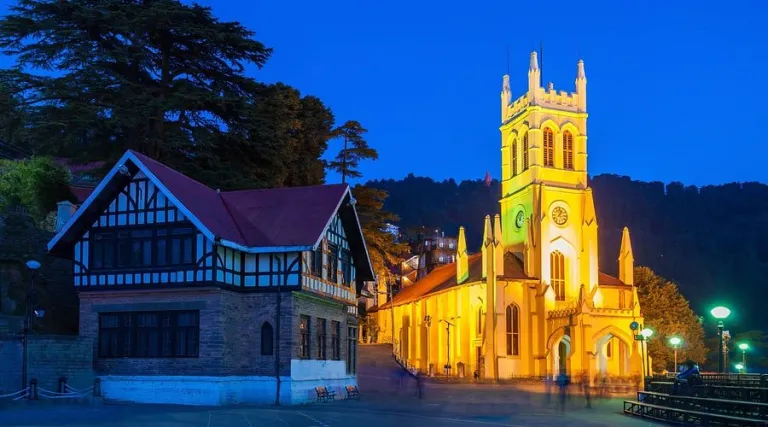
Sitting beautifully on The Ridge, this is the second oldest church in North India, built in 1857. Since Shimla was the summer capital for the British, this church was an important gathering spot. It’s built in the Neo-Gothic style with intricate Victorian craftsmanship and colorful stained-glass windows.
Location | The Ridge, Shimla |
Built By | British |
Architectural Style | Neo-Gothic |
Entry Fee | Free |
Timings | Generally 10:30 AM – 5:30 PM (often closed for a break around lunchtime) |
6. St. Mary's Church, Chennai, Tamil Nadu
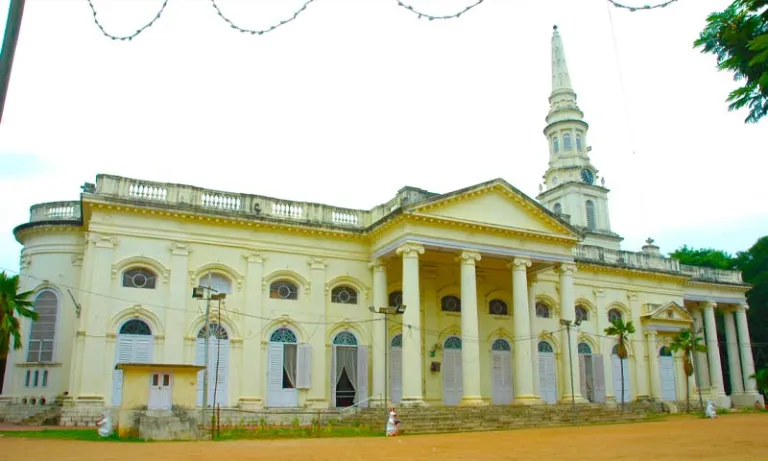
Located inside the old Fort St. George, this church, finished in 1680, is the oldest Anglican church in India and one of the oldest English structures east of the Suez Canal. It was designed to withstand attacks, with thick, strong walls. Its architecture is a simple, classic British style.
Location | Fort St. George, Chennai |
Built By | British |
Architectural Style | British Colonial |
Entry Fee | Free (You might have a fee to enter Fort St. George itself) |
Timings | Generally 9:00 AM – 5:00 PM |
7. St. Thomas Cathedral, Mumbai, Maharashtra
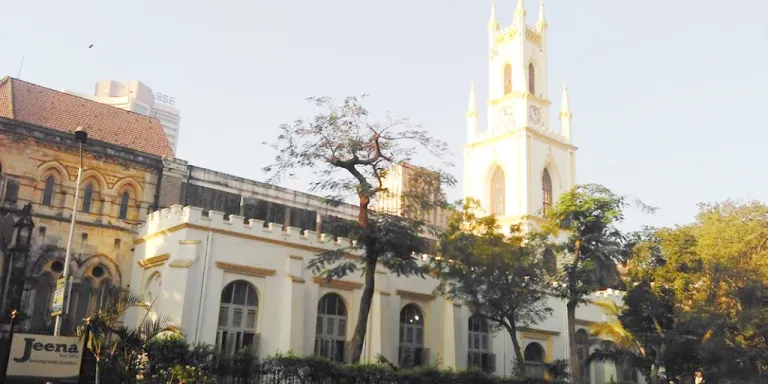
Completed in 1718, this was Mumbai's first Anglican church. It’s located right in the middle of the historical Fort area and is built in the early English Gothic style. This church was so important to the city's growth that the famous Churchgate railway station and neighborhood are named after one of its original gates.
Location | Fort Area, Mumbai |
Built By | British |
Architectural Style | Early English Gothic |
Entry Fee | Free |
Timings | Generally 7:00 AM - 6:00 PM Daily |
Indian Perspective
And there you have it! Seven stunning slices of history that show us how much of a melting pot India has always been. Isn't it wild how these gorgeous European designs stand right alongside our ancient temples and forts? It's proof that we Indians can take anything—Baroque, Gothic, or a simple sun-dried tomato—and make it completely our own. So next time you're wandering through a crowded city, take a moment to peek behind a corner; you might just find a centuries-old church waiting to tell you its story. Happy heritage hunting!
Published at
About Author

Tashvi Gala
Subscribe our Newsletter
Get our weekly tips and travel news!
Related Posts
10 Must-See Sights in Jaipur, India’s Pink City (2023)
India, with its mysterious and exotic charms, is just the sort of country that even a whole lifetime spent exploring wouldn’t be able to suffice. From the majestic Himalayan mountain peaks to charm...
5 Koreatowns in Southeast Asia You Need to Visit in Your Lifetime!
Picture this: You’re watching a Korean drama where the main characters are walking along Seoul’s vibrant streets. It’s a cold winter night. They enter a pocha (a local bar with food) where...
13 Historic Sites in the Philippines to Visit (2023)
The Philippines has long been considered a top tourist destination by people all over the world. Not only does it have plenty of
Top 10 Cultural Destinations in Thailand for a Journey Through Tradition!
Destinations in Thailand are always worth the time and interest because they are filled with incredible stories or distinct traditions. With its innate natural beauty, such a country must have an impressive history behind it. Get to know wh...
West Bengal: Tagore's Residence Santiniketan Achieves UNESCO World Heritage Status
Santiniketan, a town in West Bengal's Birbhum region where Nobel laureate Rabindranath Tagore spent much of his life, has been added to the UNESCO World Heritage List.
Latest Posts
Best New Year 2027 Destinations in India by Budget
Looking for a New Year getaway? Explore 10 destinations in India for welcoming 2027, with estimated budgets, things to do and tips for planning an affordable holiday.
Things to Do in Burkina Faso: Food, Culture and Unique Travel Experiences
Explore Burkina Faso's rich cultural heritage through traditional dishes, vibrant music, handmade textiles, major festivals and fascinating historic landscapes.
Madame Tussauds Singapore Launches Icons of India Diwali Campaign
Madame Tussauds Singapore and MakeMyTrip celebrate Diwali with the Icons of India campaign, featuring Bollywood wax figures and a special Buy One Get One ticket offer.
Best Time to Visit Mexico: Festivals, Hidden Gems & Travel Tips
Discover the best time to visit Mexico, from sunny Caribbean beaches and hidden colonial towns to vibrant festivals like Día de los Muertos and Oaxaca’s Guelaguetza. Explore seasonal travel tips, offbeat destinations, local food experiences and the best m
Best Places to Visit in India During Diwali Holidays 2026
Planning a Diwali holiday in 2026? Explore eight destinations across India, including Ayodhya, Jaipur, Amritsar, Goa and Varanasi, for a memorable festive getaway.