
Ajanta Caves Travel Guide: Art, Architecture, and Must-See Attractions
When it comes to exploring the rich tapestry of India's cultural heritage, the Ajanta Caves stand as a testament to the country's artistic and architectural prowess.
Nestled amidst the lush forests of Maharashtra, these ancient rock-cut caves have captivated the imagination of travelers and history enthusiasts for centuries.
In this comprehensive travel guide, we will delve into the exquisite art and architecture of the Ajanta Caves and uncover the must-see attractions that make this UNESCO World Heritage site a marvel to behold.
Read more: Incredible India’s UNESCO Gems: A Traveler’s Delight
The Ajanta Caves: A Glimpse into India's Artistic Past
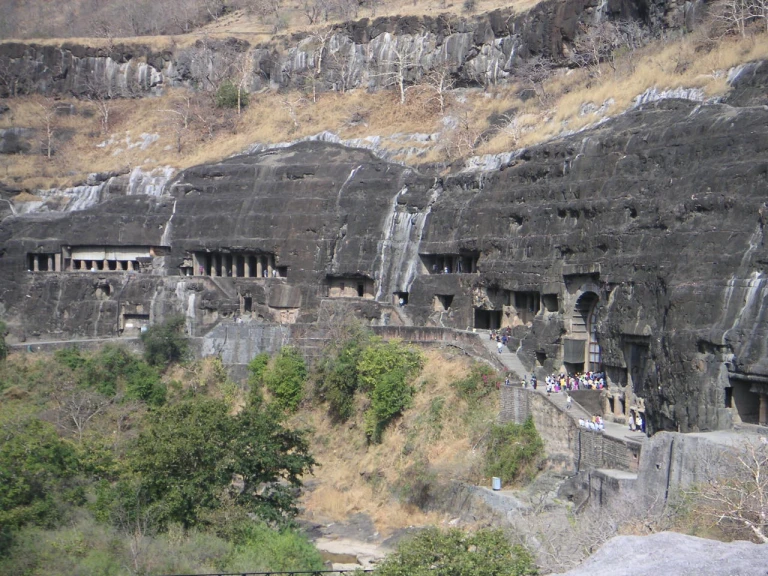 Ajanta Caves, Maharashtra
The Historical Significance
The Ajanta Caves date back to the 2nd century BCE and extend into the 6th century CE. These caves were hewn from the sheer cliff face of the horseshoe-shaped rock formation in the Sahyadri hills of Maharashtra.
The Ajanta Caves consist of 30 rock-cut monasteries and temples, adorned with stunning paintings and intricate sculptures. This site was abandoned and lost to the world until it was rediscovered in the early 19th century.
The Artistic Splendor
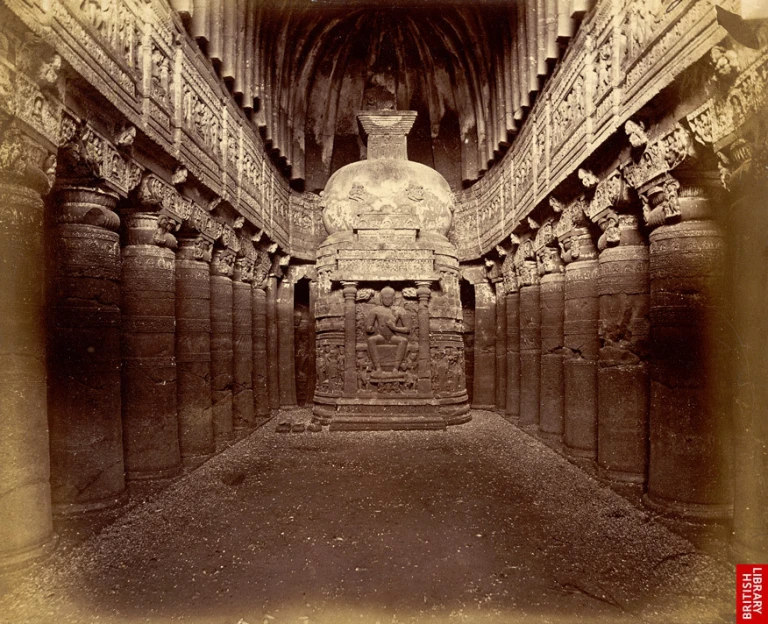 Ajanta Caves, Maharashtra
What sets the Ajanta Caves apart is their remarkable collection of ancient Buddhist art. The walls of these caves are adorned with vivid frescoes, portraying the life and teachings of Lord Buddha.
These paintings are a magnificent example of early Indian art, showcasing a wide range of subjects from daily life to mythological stories. The detailed and vibrant artwork is a window into the ancient world and provides a unique perspective on Indian culture at the time.
The Architecture of Ajanta Caves: A Marvel of Rock-Cut Construction
Diverse Architectural Styles:
The caves at Ajanta display diverse architectural styles, owing to the fact that they were excavated over several centuries. The earlier caves, like Caves 9 and 10, reflect the Hinayana style, while the later caves, such as Caves 19 and 26, display the Mahayana style. The grandeur and complexity of the architectural design vary from cave to cave, showcasing the evolution of Buddhism in India.
Cave Layout:
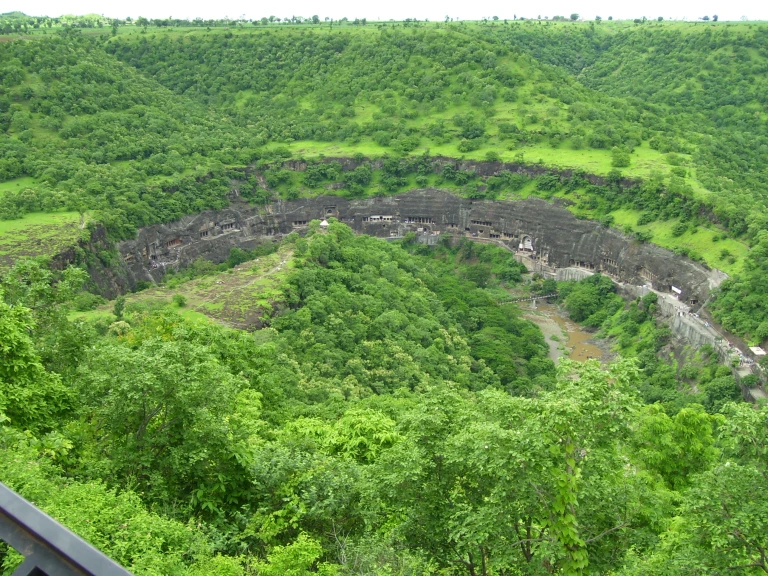 Ajanta Caves, Maharashtra
The caves are laid out systematically, with a central hall (chaitya) in the monasteries, surrounded by smaller cells for monks. The viharas (monasteries) served as a place of residence and meditation for the monks, while the chaityas (temples) were used for congregational worship.
Intricate Detailing: One cannot help but marvel at the precision and detailing of the rock-cut architecture. The ornate pillars, intricately carved facades, and sculpted reliefs within the caves illustrate the mastery of ancient Indian craftsmen.
Must-See Attractions in the Ajanta Caves
1. Cave 1: The Iconic Monastery:
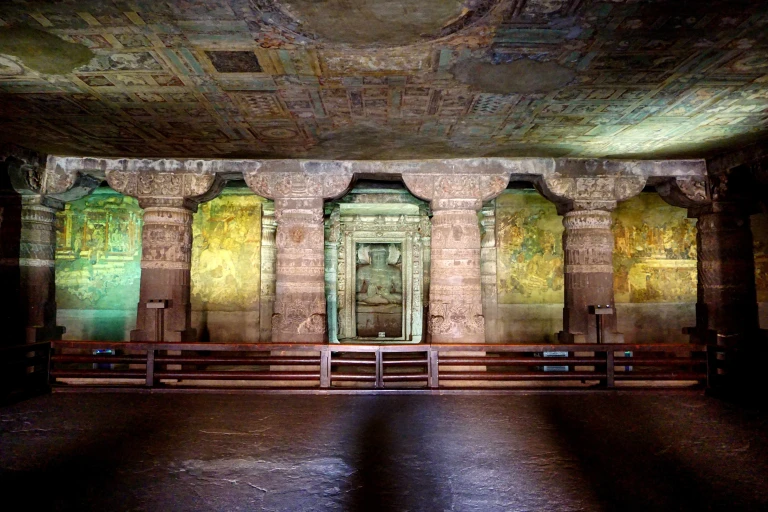 Cave 1 Ajanta Caves
Cave 1, also known as the Vihara, is the first cave as you enter the complex. It features exquisite carvings and detailed paintings depicting scenes from the life of Buddha. The intricately adorned facade is sure to leave you in awe.
2. Cave 2: The Crown Jewel:
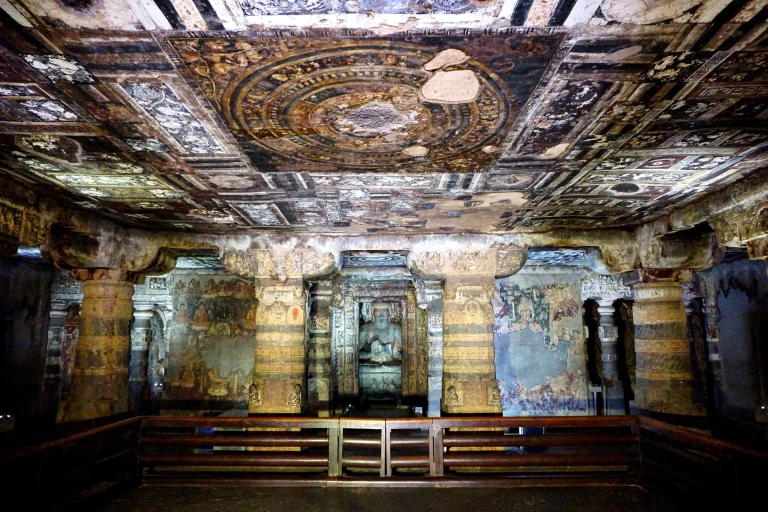 Cave 2 Ajanta Caves
Cave 2, a Mahayana Buddhist monastery, is renowned for its stunning paintings that tell the story of Prince Vessantara. The delicacy and vibrant colors of the frescoes make this cave a highlight of the complex.
3. Cave 16: The Grand Chaitya:
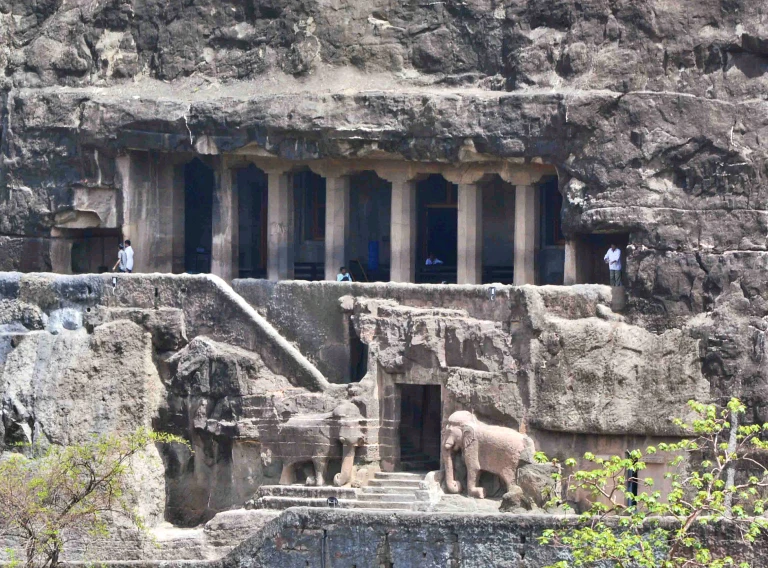 Cave 16 Ajanta Caves
Cave 16, also known as the Kailasa Temple, stands out for its grandeur. This massive chaitya features a colossal stupa and a beautifully carved entrance, giving you a sense of the scale of these rock-cut marvels.
4. Cave 26: The Exquisite Mahayana Cave:
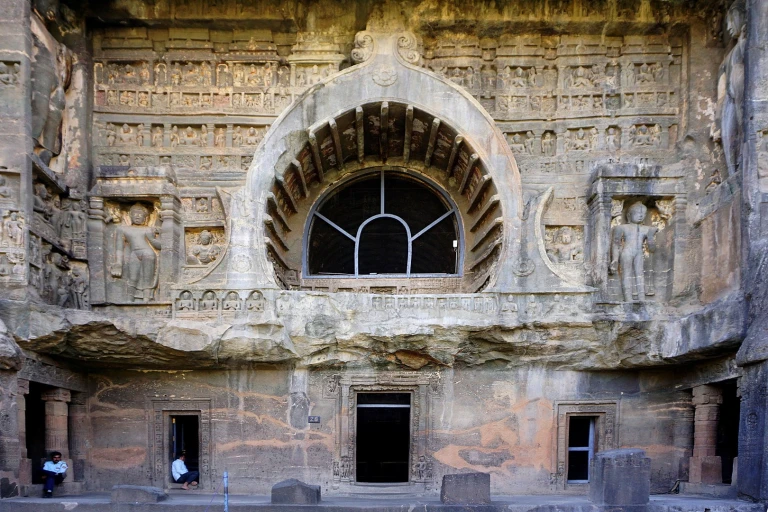 Cave 26 Ajanta Caves, Maharashtra
Cave 26 is another Mahayana cave that stands out due to its detailed and well-preserved paintings, which include scenes from the Jataka tales and the life of Buddha.
5. Cave 29: The Innovative Cave:
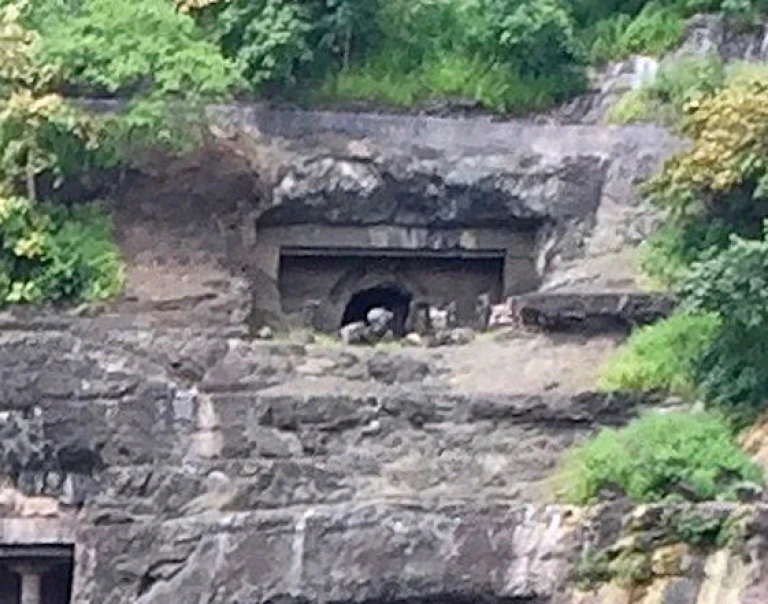 Cave 29 Ajanta Caves, Maharashtra
Cave 29 is intriguing because it houses a stupa surrounded by paintings of Bodhisattvas, showing a fusion of Hinayana and Mahayana styles.
Practical Tips for Your Visit
Timing: The Ajanta Caves are open from 9:00 AM to 5:30 PM and are closed on Mondays.
Accessibility: The nearest major city is Aurangabad, which is well-connected by air, rail, and road. From there, you can hire a taxi or take a bus to reach the caves.
Ticketing: Tickets for the Ajanta Caves can be purchased at the site, and there are separate charges for Indian and foreign tourists.
Guides: Consider hiring a local guide to gain a deeper understanding of the history and art of the caves.
Photography: Photography is allowed inside the caves, but be sure to check the rules and restrictions.
The Ajanta Caves are a journey through time, a testament to the artistic brilliance of ancient India, and a place of profound historical and spiritual significance.
If you're planning a trip to India, the Ajanta Caves deserve a top spot on your travel itinerary. Exploring this UNESCO World Heritage site will undoubtedly be an enriching and awe-inspiring experience, providing a deep connection to India's cultural heritage.
Published at
About Author

Anushka Dongre
Subscribe our Newsletter
Get our weekly tips and travel news!
Related Posts
10 Must-See Sights in Jaipur, India’s Pink City (2023)
India, with its mysterious and exotic charms, is just the sort of country that even a whole lifetime spent exploring wouldn’t be able to suffice. From the majestic Himalayan mountain peaks to charm...
Travel Guide to Dubai from India 2023
Welcome to the enchanting realm of Dubai, where ancient traditions seamlessly blend with futuristic marvels. In this comprehensive travel guide, we embark on a captivating journey from India to the dazzling desert metropolis of Dubai. From informatio...
5 Koreatowns in Southeast Asia You Need to Visit in Your Lifetime!
Picture this: You’re watching a Korean drama where the main characters are walking along Seoul’s vibrant streets. It’s a cold winter night. They enter a pocha (a local bar with food) where...
13 Historic Sites in the Philippines to Visit (2023)
The Philippines has long been considered a top tourist destination by people all over the world. Not only does it have plenty of
What to Expect When Travelling to London: Expectations vs Reality
Given the increasing migration inflow to London every year, the defining features of London as a place of endless job opportunities, stunning architecture, and history, as well as the alluring Brit...
Latest Posts
Cheap International Flights from India: Affordable Destinations for 2026
Looking for affordable international flights from India? These destinations offer some of the cheapest flight options for Indian travellers in 2026.
China Southern Resumes Delhi–Guangzhou Flights After 6 Years: What Indian Travellers Should Know
China Southern Airlines will resume daily Delhi–Guangzhou flights from September 21 after a six-year suspension. Here's what Indian travellers should know.
South Korea Expands Visa Application Services in India: What Travellers Need to Know
South Korea has expanded its visa application network across India, with services available in New Delhi, Bengaluru, Chennai and Kolkata. Here's what the change means for Indian travellers.
Indian Airlines Cut September Flights by 4.5%: What Travellers Need to Know
India's airline capacity has fallen 4.5% in September 2026, with domestic flights down 5.6%. Here's what the latest OAG data means for air travellers.
Delhi Travel Advisory for BRICS Summit 2026: Airport, Train Travel and Traffic Restrictions
Delhi is expecting major traffic restrictions during the BRICS Summit from September 11–13. Here's what airport, railway and road travellers need to know.