
Lakshadweep Islanders Fear Land Seizure Under Eco-Tourism Banner
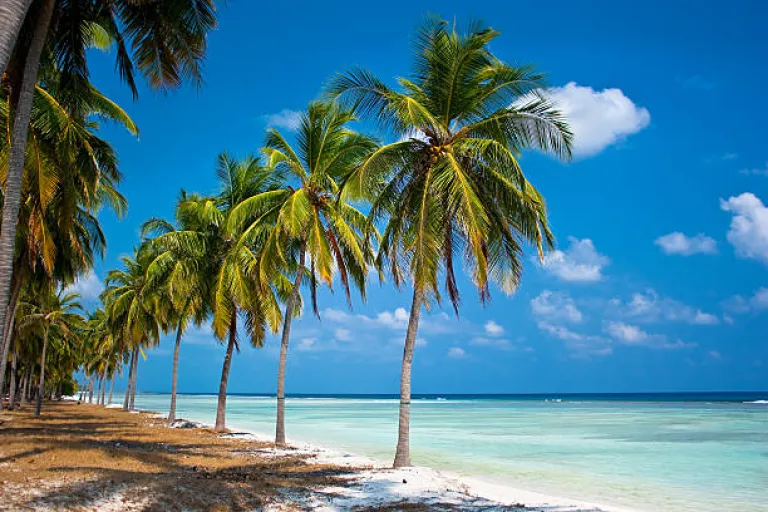 The pristine islands of Lakshadweep, known for their natural beauty and cultural richness, are now at the center of a contentious debate over land rights and development.
Recent decisions by the local administration to expedite eco-tourism projects have sparked outrage among the islanders, who perceive these moves as a threat to their ancestral lands and way of life.
Also read: How to become an Eco tourist? Complete Guide
Understanding Pandaram Lands: A Legacy Threatened
 Pandaram lands, a significant portion of the islands' territory, hold deep historical and cultural significance for the indigenous communities of Lakshadweep.
These lands were originally established during periods of external threat to provide refuge and sustenance to local populations.
Over generations, they have become not just sources of agricultural productivity but also integral to the residential and cultural fabric of the islands.
However, recent notifications from the Lakshadweep administration have reclassified these lands under the proprietary rights of the Union government, citing provisions from the Laccadive, Minicoy, and Aminidivi Islands Land Revenue and Tenancy Regulation, 1965.
This reclassification paves the way for the acquisition of pandaram lands for commercial purposes, notably high-end eco-tourism projects.
Also read: Don't Miss these Must-Do Activities in your Visit to Lakshadweep
Controversial Administrative Decisions: A Betrayal of Trust
Under the leadership of Praful Khoda Patel, the first non-bureaucrat administrator of Lakshadweep, significant amendments have been introduced to existing regulations.
These changes have stripped away long-standing protections that safeguarded pandaram landholders, leaving them vulnerable to displacement without adequate compensation.
Critics, including former advisory committee members like Misbah A., argue that these decisions amount to a betrayal of trust.
They allege that the administration's close ties with private entities, such as Praveg, a Gujarat-based tourism and hospitality firm, indicate a prioritization of commercial interests over the welfare of indigenous communities.
The economic benefits accruing to external investors stand in stark contrast to the potential losses faced by local islanders, who risk losing not only their land but also their primary means of livelihood.
Legal and Ethical Concerns: Upholding Constitutional Rights
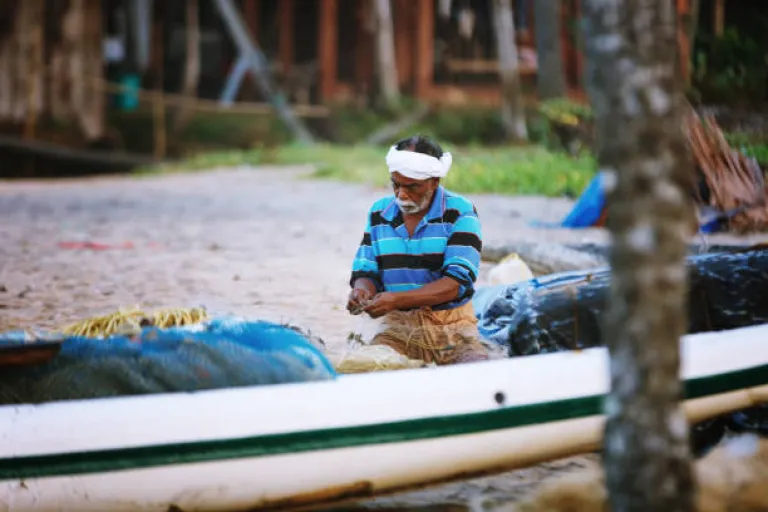 The contentious actions of the administration have raised serious legal and ethical questions. Advocates for indigenous rights point to constitutional provisions that mandate the protection of cultural heritage and land rights for tribal communities.
They emphasize the need for transparency, fairness, and adherence to legal frameworks in all development initiatives.
Furthermore, the allegations of overlooking established policies and recommendations from national bodies, including the Ministry of Home Affairs and the National Commission for Scheduled Tribes, underscore a broader concern about governance and accountability in the Union Territory.
The administration's disregard for these guidelines, coupled with amendments that weaken protections for pandaram landholders, sets a troubling precedent for land rights across India's remote territories.
Also read: Explore Lakshadweep like an Influencer: Cycling, kayaking, Bike rides and more!
The Road Ahead: Mobilizing for Justice
 In response to mounting opposition and legal challenges, islanders and their supporters are mobilizing to defend their rights.
They demand that any development projects in Lakshadweep respect the rights and interests of local communities, adhere to legal frameworks, and ensure fair compensation for those affected by land acquisitions.
The battle over pandaram lands in Lakshadweep is more than a local dispute; it symbolizes a larger struggle for environmental justice and indigenous rights in India.
As the controversy continues to unfold, it prompts a critical examination of the ethical implications of eco-tourism, the responsibilities of administrators towards marginalized communities, and the role of legal protections in safeguarding Indigenous territories.
Also read: Budgeting Your Lakshadweep Getaway: How Much Will an Island Vacation Cost You?
In conclusion,
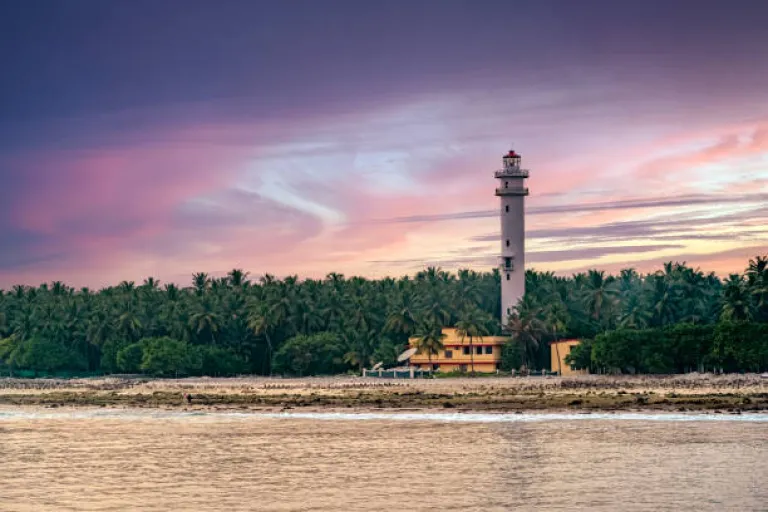 The outcome of this conflict will not only shape the future of Lakshadweep's development but also establish crucial precedents for the protection of indigenous lands and cultural heritage nationwide.
It calls upon policymakers, legal authorities, and civil society to uphold constitutional principles and ensure that development initiatives prioritize justice and sustainability above all else.
Published at
About Author

Prerna Dixit
Subscribe our Newsletter
Get our weekly tips and travel news!
Related Posts
West Bengal: Tagore's Residence Santiniketan Achieves UNESCO World Heritage Status
Santiniketan, a town in West Bengal's Birbhum region where Nobel laureate Rabindranath Tagore spent much of his life, has been added to the UNESCO World Heritage List.
UK Visitor Visa Fee Hiked: What's the New fee?
Planning to visit the United Kingdoms? Watchout for this Hike in Visa Charges. A UK tourist visa for less than six months will cost an additional £1,543 (£ 15), while UK student visas will cost an additional £13,070 (£127) for visitors from all over the w
India Issues Caution for Travel to Canada - Visa suspended
The advisory, issued by the Ministry of External Affairs (MEA), comes amid a diplomatic row between the two countries over allegations that the Indian government may be linked to the extra-judicial killing of a Sikh separatist in Canada.
First snowfall of the season in Gulmarg
As the chilly winds of winter start to sweep across the northern regions of India, Gulmarg, the crown jewel of Jammu and Kashmir, has once again transformed into a breathtaking winter wonderland. Nature's magic was on full display as Gulmarg recently...
Biswanath Ghat: Best tourism village of India 2023
In an exciting announcement, Biswanath Ghat in Assam has been crowned as India's "Best Tourism Village of 2023" by the Ministry of Tourism. This well-deserved recognition is a testament to the village's unique blend of cultural heritage, natural beau...
Latest Posts
Best Places to Visit in Mysore During Dasara 2026
Explore the best places to visit in Mysore during Dasara 2026, from the illuminated palace and historic temples to colourful markets and cultural events.
Top 7 Visa-Free Destinations for Indians in 2026: Travel Abroad Without the Visa Hassle
Discover 7 visa-free countries for Indians in 2026, including entry rules, travel costs, top attractions and practical tips for planning your next international trip.
Oktoberfest 2026 for Indians: Germany Visa, Cost, Flights & Complete Travel Guide
Dreaming of Oktoberfest in Germany? Here is your complete guide for Indian travellers, covering German visas, flights from India, accommodation, beer prices, budgets and everything you should know before visiting Munich's biggest festival.
10 Peaceful Things to Do in Rishikesh Away from Crowds
Discover 10 peaceful things to do in Rishikesh, from hidden waterfalls and quiet riverside walks to scenic mountain views, forest trails and relaxing yoga retreats.
India Rises to 31st Place in Global Travel and Tourism Index 2026
India has climbed to 31st place in the WEF's 2026 Travel & Tourism Development Index, reflecting progress in tourism infrastructure and cultural resources.