
India's Travel Revolution: How 2026 is Rewriting the Rules of Exploration
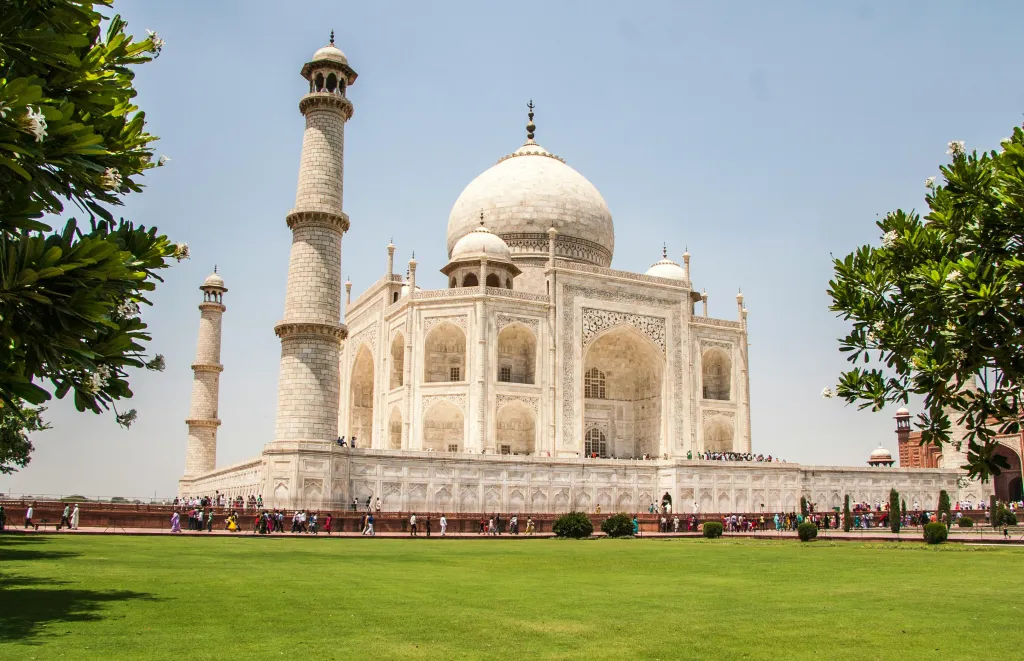
The era of chasing Instagram hotspots is over. Welcome to the age of 'inward wanderlust' where Indian travelers are discovering that the most extraordinary journeys might just begin at home.
As the world hurtles into 2026, a remarkable transformation is sweeping through India's travel landscape. Gone are the days when a stamp-filled passport was the ultimate travel trophy. Today's Indian wanderers are charting a dramatically different course, one that's reshaping not just how we travel, but why we travel at all.
The Great Homecoming: Domestic Travel Takes Center Stage
Picture this: Jorhat, a sleepy tea town in Assam, has witnessed a staggering 493% surge in search interest. Not Paris. Not Bali. Jorhat. This isn't an anomaly; it's a revolution. According to fresh data from Agoda and Skyscanner, 35% of Indian travelers are now prioritizing domestic exploration over international trips, up from just 25% last year.
What's driving this seismic shift? It's not just about economics, though the appeal of spending under Rs 5,000 per night certainly helps. It's about something deeper. Indian travelers are rediscovering the profound cultural richness that exists within their own borders. The ancient stepwells of Patan, where guides now demonstrate how shadows move according to astronomical principles. The musical pillars of Hampi, which produce specific acoustic effects through geometry perfected centuries ago. These aren't just tourist attractions anymore; they're portals to understanding.
Mountains, Not Monuments: The New Spiritual Escape
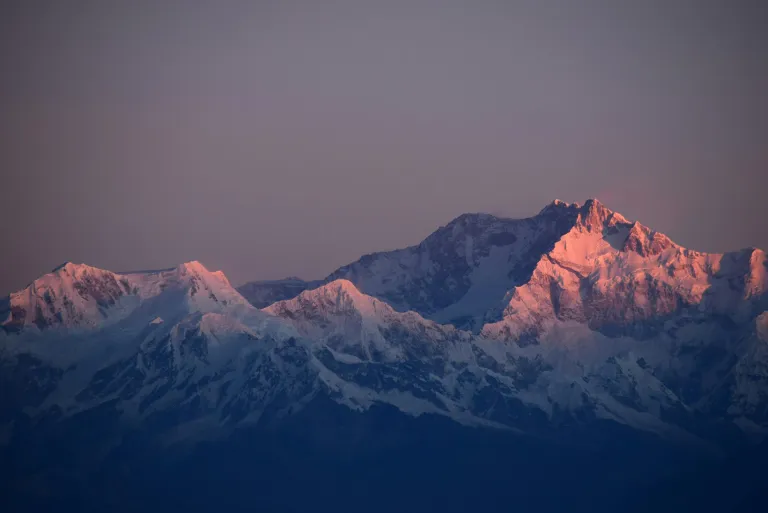
Ninety-two percent of travelers are now considering mountain retreats during traditionally off-peak seasons. The Himalayas are no longer just winter wonderlands for skiers; they've become year-round sanctuaries for those seeking what modern life often steals away: perspective.
Bir Billing, already famous for paragliding, has evolved beyond adrenaline rushes. New high-altitude walking routes and nature-learning trails have transformed it into a destination for those seeking both thrill and tranquility. Meanwhile, Sikkim and Ladakh are becoming havens for solo travelers craving not just adventure, but solitude and spiritual renewal.
This mountain migration reflects something profound about our collective psyche in 2026. We're not escaping to the mountains; we're returning to them, seeking elevation both literal and metaphorical.
The Culinary Compass: Following Your Taste Buds Home
Forget Michelin-starred restaurants. The hottest food trend of 2026 is authenticity over aspiration. Travelers are crafting entire itineraries around street food, local snacks, and yes, even vending machine discoveries. This isn't about saving money, though it does make travel more accessible. It's about recognizing that a steaming plate of vada pav tells you more about Mumbai than any guidebook ever could.
Indian tourists, inspired by destinations like Tokyo and Bangkok, are realizing that food is perhaps the most honest gateway into understanding culture. Every chaat stall has a story. Every thali reveals history. And in 2026, travelers are finally listening.

The Premium Paradox: When Flying Becomes Luxury Again
While domestic travel democratizes, the skies tell a different story. Airlines worldwide are going all-in on premium offerings, and 2026 is being dubbed the "execution year" for luxury in the air. American Airlines is rolling out its long-awaited Flagship business class across dozens of planes. United is debuting an ultra-luxe configuration. JetBlue is introducing domestic first class.
This creates an interesting dichotomy: while travelers seek authentic, grounded experiences on land, they're simultaneously willing to pay premium prices for comfort in the air. It's the K-shaped recovery personified, where those who can afford it are flying higher than ever, while budget carriers like Spirit Airlines struggle through their second bankruptcy.
For Indian travelers benefiting from new routes like Aegean Airlines' upcoming flights to India, this means more options but also more decisions about where to invest their travel budgets.

Technology Meets Tradition: AI as Your New Travel Companion
Here's where 2026 gets truly fascinating: 68% of Indian travelers say they're likely to use AI for trip planning, and 53% trust AI-generated information. This isn't about replacing human connection; it's about enhancing it. AI helps craft personalized itineraries, discover hidden attractions, and break language barriers, freeing travelers to focus on what matters: genuine human experiences.
Imagine arriving in Coonoor, where new scientific tea tours explain fermentation processes and oxidation levels. Your AI assistant has already mapped the best heritage homestays and identified which Patola weaving demonstrations align with your schedule. Technology isn't removing the magic; it's multiplying the moments where magic can happen.

The Infrastructure Awakening
Behind these shifting preferences lies a massive infrastructure transformation. Two world-class international airports, Navi Mumbai and Noida Jewar, are preparing to launch operations. Bhogapuram International Airport near Visakhapatnam expects to open by June 2026. These aren't just concrete and steel; they're symbols of India's readiness to host the world while its citizens explore home.
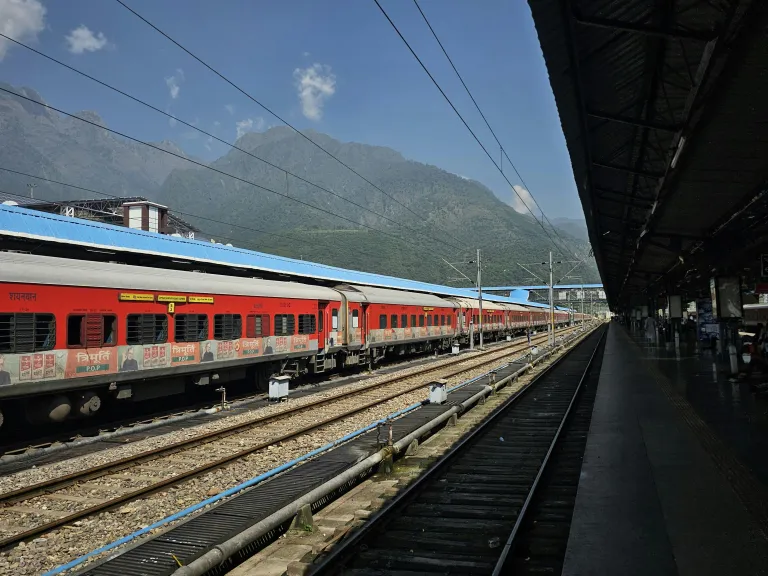
High-speed rail networks are expanding across Europe, but India's improving connectivity is creating its own revolution. Night trains are returning with renewed vigor, making sustainable, overnight journeys from Delhi to the Northeast or Mumbai to Kerala increasingly attractive.
What This Means for You
If you're planning travel in 2026, here's the truth: the rules have changed. The most enriching journey might not be the farthest one. The most memorable meal probably won't have a Michelin star. And the most transformative experience likely won't come from checking famous landmarks off a list.
Instead, consider this: When was the last time you explored your own state with the curiosity you'd bring to a foreign country? Have you ever spent a week understanding how ancient engineers designed structures that still astound us? Do you know the stories behind your region's traditional crafts?
The travel revolution of 2026 isn't about discovering new places. It's about seeing familiar places with new eyes. It's about recognizing that wanderlust doesn't always mean wandering far. Sometimes, the most profound adventures happen when we turn inward, exploring the incredible depth and diversity that exists within arm's reach.
As global tourism heads toward generating $11.7 trillion and creating 371 million jobs worldwide, India stands uniquely positioned. Not just as a destination for others to discover, but as a nation of travelers rediscovering themselves.
The journey of 2026 isn't measured in kilometers. It's measured in understanding, connection, and the slow, beautiful unraveling of stories we thought we already knew. Welcome to the future of travel. Welcome home.
Published at

Subscribe our Newsletter
Get our weekly tips and travel news!
Related Posts
8 Impressive World Heritage Sites in India to Visit
Truth is, India is more than just authentic mouth-watering curries, intricate traditional saris, colourful Bollywood films and nail-biting cricket matches. In fact, India is also the birthplace of...
Top 10 Enchanting Honeymoon Destinations for Romantic Getaways!
India is a land of diversity, culture, and romance. It offers a variety of honeymoon destinations that suit every taste, budget, and preference. Whether you want to enjoy the snow-capped mountains,...
10 Must Visit Places in North India
North India is a region of incredible diversity and beauty. It has a rich and varied history, culture, cuisine, and landscape that can appeal to any traveler. Whether you are looking for spiritual enlightenment, historical monuments, natural wonders,...
Top 10 Hill Stations in North India
Hill stations are popular destinations for tourists who want to escape the heat and enjoy the scenic beauty of nature. North India has many hill stations that are worth visiting, as they offer a variety of attractions, activities, and experiences. So...
Top 10 Honeymoon Destinations in India
India is a land of diversity, culture, and romance. It offers a variety of honeymoon destinations that suit every taste, budget, and preference. Whether you want to enjoy the snow-capped mountains, the serene backwaters, the exotic beaches, or the hi...
Latest Posts
Planning a trip? Discover the different types of travel insurance, what they cover, common exclusions and how to decide whether travel insurance is worth it.
Greece's Best-Kept Secrets: 7 Beautiful Places to Visit Beyond Santorini
Beyond Santorini and Mykonos lies a quieter side of Greece. Discover seven beautiful islands filled with hidden coves, whitewashed villages, volcanic landscapes and authentic Greek experiences.
Bangalore’s Top 10 Best Garba Night Venues in 2026
Planning a festive night out? Explore 10 Garba and Dandiya events in Bangalore for Navratri 2026, with venues, dates and helpful booking tips.
Sri Lanka Trip Cost from India in 2026: Budget and 5-Day Itinerary
Planning a Sri Lanka holiday? Explore the estimated 2026 trip cost from India, visa rules, top destinations and a 5-day itinerary.
Best Places to Visit in Goa in December 2026 for Christmas and New Year
Planning a festive getaway? Explore the best places to visit in Goa in December 2026, including Baga Beach, Old Goa, Fontainhas and Palolem for Christmas and New Year.