
7 Things That Will Get You Fined While Traveling in India in 2026
In 2026, traveling across India is more efficient than ever, but it comes with a "zero-tolerance" policy for rule-breakers. With AI-monitored streets and updated environmental laws, "ignorance of the law" is an expensive excuse.
Here are the 7 things that will get you fined in 2026, with details on regional enforcement and the latest penalty amounts.
1. Public Nuisance and Beach Misconduct
 Image credit: NRDC
 The definition of "nuisance" has been significantly expanded under the Tourist Places (Amendment) Act 2026. Authorities in coastal regions like Goa have intensified patrols to curb activities that disrupt the "peace and decorum" of tourist zones. This includes public drinking, cooking on roadsides, and unauthorized touting.
The Fine: Minimum ₹5,000, which can scale up to ₹1,00,000 for severe or repeat offenses.
The 2026 Update: If you are caught drinking on a public beach, expect an on-the-spot fine and potential detention under the Bharatiya Nyaya Sanhita (BNS).
2. Unauthorized Drone Operation in "Red Zones"
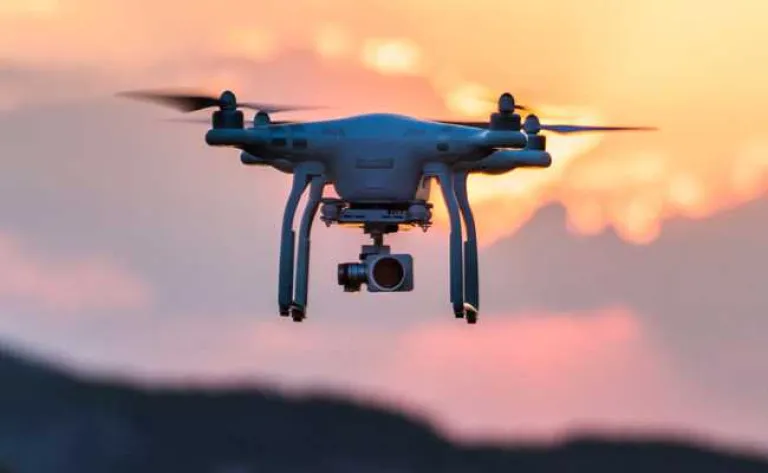 Image credit: NDTV
 India’s Digital Sky platform now monitors almost all civilian airspace. Flying a drone without a "No Permission-No Takeoff" (NPNT) digital permit—especially near heritage sites like the Taj Mahal or sensitive border areas—is a major violation.
The Fine: Up to ₹50,000, plus immediate confiscation of the equipment.
The 2026 Update: Even "Nano" drones (under 250g) must be registered and are subject to geofencing restrictions.
3. Exceeding the New 2026 Duty-Free Baggage Limits
 Image credit: NDTV
 The Ministry of Finance overhauled the Baggage Rules in February 2026. While the limits were raised to accommodate inflation, customs enforcement at airports is now strictly digital.
The Limits:
Foreign Tourists: Duty-free limit is ₹25,000.
Indian Residents/PIOs: Up to ₹75,000.
The Fine: Undisclosed items above this limit attract a 30.85% duty plus additional redemption fines.
Jewelry Rule: Women can carry up to 40g of gold duty-free; for others, the limit is 20g.
4. Violating "Eco-Zone" Plastic and Littering Laws
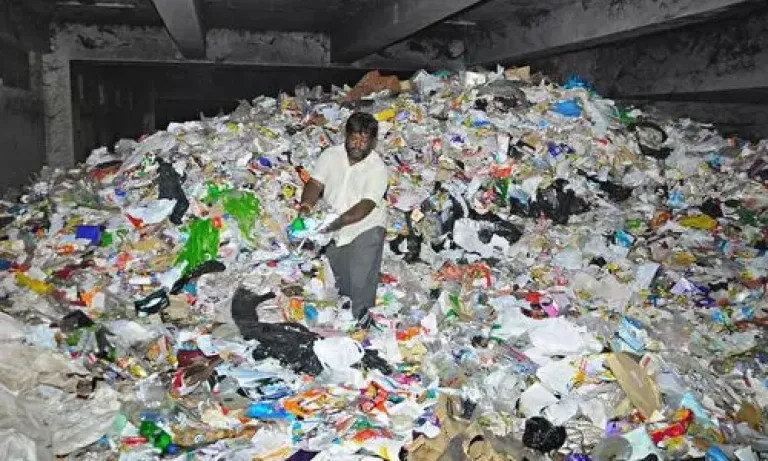 Image credit: Live Law
In mountainous regions like Himachal Pradesh and Sikkim, the 2026 "Green Tax" and "Deposit Refund Scheme" are in full effect. Littering single-use plastics—including small PET bottles—is now a high-penalty offense.
The Fine: Fines range from ₹500 to ₹25,000 depending on the severity and location.
The 2026 Update: Taxis in these states are now legally required to have "car bins." If a passenger is caught throwing waste out of a window, the driver/vehicle owner faces a ₹10,000 fine.
5. Driving Without a Valid "PUC" or Mobile Use
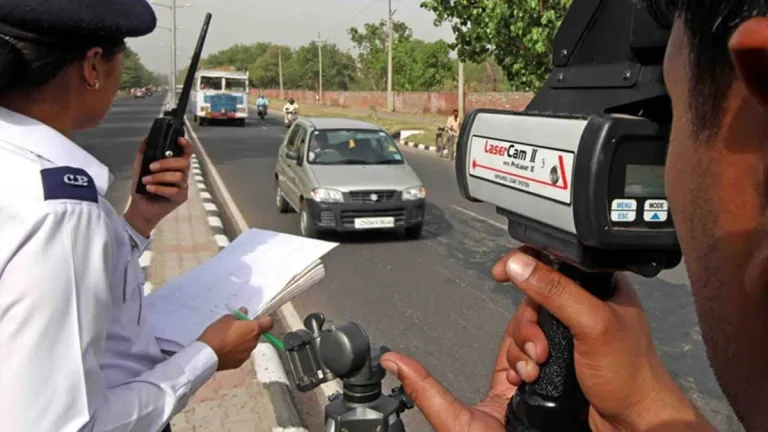 Image credit: Spinny
Traffic enforcement in major metros like Delhi and Mumbai is now handled by AI-based Intelligent Traffic Management Systems (ITMS). These cameras automatically detect expired Pollution Under Control Certificates (PUCC) and handheld mobile phone usage.
Handheld Mobile Use: ₹5,000 for the first offense; ₹10,000 for the second.
No Valid PUC: ₹10,000 (This is one of the most frequently issued e-challans in 2026).
The 2026 Update: If you accumulate more than 5 traffic violations in a calendar year, your license is subject to automatic suspension.
6. Entering Border Areas Without an "ILP" or "PAP"
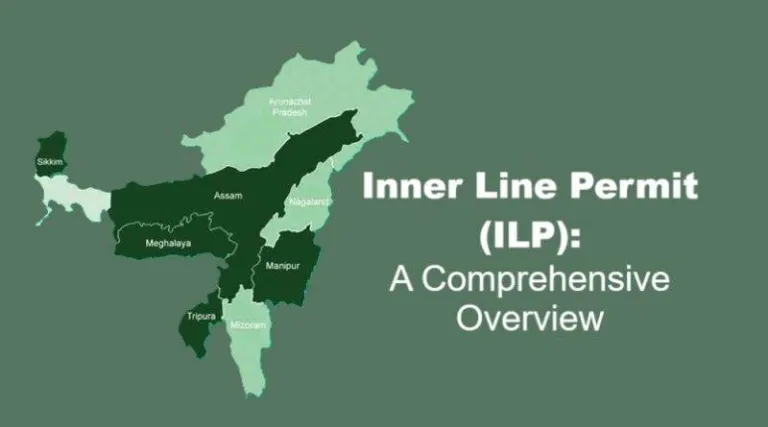 Image credit: Bharat Articles
 For travelers heading to the high-altitude frontiers of Ladakh, Arunachal Pradesh, or Nagaland, paperwork is not optional. Attempting to enter restricted areas like Hanle or Umling La without an Inner Line Permit (ILP) or Protected Area Permit (PAP) will lead to a halt.
The Fine: Typically ₹5,000 plus immediate eviction from the restricted zone.
The 2026 Update: You must also show proof of payment for the Environment Fee (₹400) and Wildlife Fee (₹20/day) at checkpoints like South Pullu.
7. Unauthorized Use of Rented Vehicles
 Image credit: Acko Insurance
 In many Himalayan regions, particularly Ladakh, there is a strict ban on using bikes or cars rented from outside the local union territory for sightseeing in restricted zones.
The Penalty: Vehicles from Delhi, Manali, or Srinagar will be impounded at local checkpoints.
The Fine: While not always a cash fine, the "penalty" is the high cost of towing and the mandatory requirement to rent a local vehicle to continue your journey.
Final Words
Traveling through India is an unforgettable experience, and these rules are simply there to keep the country beautiful and everyone safe. As long as you respect the local environment and keep your digital documents handy, you’ll have a smooth and stress-free trip. Just be a mindful traveler, follow the signs, and focus on making amazing memories.
Published at
About Author

Tashvi Gala
Subscribe our Newsletter
Get our weekly tips and travel news!
Related Posts
West Bengal: Tagore's Residence Santiniketan Achieves UNESCO World Heritage Status
Santiniketan, a town in West Bengal's Birbhum region where Nobel laureate Rabindranath Tagore spent much of his life, has been added to the UNESCO World Heritage List.
UK Visitor Visa Fee Hiked: What's the New fee?
Planning to visit the United Kingdoms? Watchout for this Hike in Visa Charges. A UK tourist visa for less than six months will cost an additional £1,543 (£ 15), while UK student visas will cost an additional £13,070 (£127) for visitors from all over the w
India Issues Caution for Travel to Canada - Visa suspended
The advisory, issued by the Ministry of External Affairs (MEA), comes amid a diplomatic row between the two countries over allegations that the Indian government may be linked to the extra-judicial killing of a Sikh separatist in Canada.
First snowfall of the season in Gulmarg
As the chilly winds of winter start to sweep across the northern regions of India, Gulmarg, the crown jewel of Jammu and Kashmir, has once again transformed into a breathtaking winter wonderland. Nature's magic was on full display as Gulmarg recently...
Biswanath Ghat: Best tourism village of India 2023
In an exciting announcement, Biswanath Ghat in Assam has been crowned as India's "Best Tourism Village of 2023" by the Ministry of Tourism. This well-deserved recognition is a testament to the village's unique blend of cultural heritage, natural beau...
Latest Posts
Bangkok Floods 2026: Thai Airways Cancels Flights as Airport Disruptions Continue
Bangkok floods are disrupting flights, baggage handling and road transport. Here's the latest Thai Airways, airport and travel update for tourists.
India Launches National Digital Tourism Stack: What Travellers Need to Know
India has launched the National Digital Tourism Stack to simplify travel discovery and connect tourists with destinations, homestays and local experiences.
Bangkok Floods 2026: What Indian Travellers Need to Know Before Visiting
Bangkok is dealing with widespread flooding, but its major airports remain operational. Here's what Indian travellers should know before visiting.
Philippine Airlines to Launch Delhi and Mumbai Flights in December 2026
Philippine Airlines plans to launch nonstop Manila–Delhi and Manila–Mumbai flights in December 2026, giving travellers new direct India-Philippines connections.
India–Vietnam Flights to Double: New Aviation Deal Brings More Travel Options
India and Vietnam have agreed to more than double weekly air capacity to over 16,000 seats, opening the door to more direct flight options for Indian travellers.