
Why Do Airlines Dim Cabin Lights During Landing
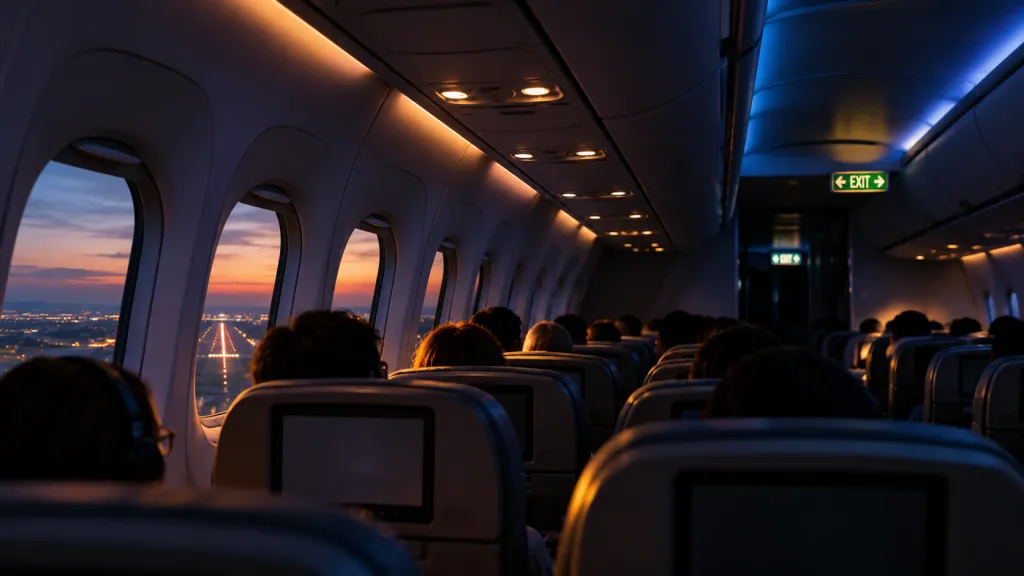
If you've ever travelled on a flight at night, you may have noticed something interesting. Just before landing, the cabin lights suddenly become dim, leaving passengers sitting in a relatively dark aircraft.
At first, it might seem like a way to help passengers relax or prepare for sleep. But there's actually an important safety reason behind this small yet deliberate routine.
Airlines dim cabin lights during take-off and landing to help passengers and crew adjust their eyes to darkness, making it easier to see emergency lighting and identify exits if an evacuation becomes necessary.
Here's everything you need to know about this common aviation practice.
1. It Helps Your Eyes Adjust to Darkness
One of the biggest reasons cabin lights are dimmed is to allow passengers' eyes to adapt to low-light conditions.
Imagine landing at night when the cabin is brightly illuminated. If an emergency occurs and passengers suddenly have to leave the aircraft, their eyes may struggle to adjust to the darkness outside.
By reducing cabin lighting before landing, passengers get time to become accustomed to the darker environment.
This can make it easier to identify obstacles, follow emergency lighting and move towards an exit if necessary.
2. It Makes Emergency Exit Signs Easier to See

Aircraft are equipped with emergency exit signs and floor-level lighting systems designed to guide passengers towards exits during an evacuation.
When the main cabin lights are dimmed, these illuminated signs and markings become more visible.
In an emergency, especially when visibility is poor, being able to identify the nearest exit quickly can make a significant difference.
3. It Helps Cabin Crew Prepare for Emergencies
Landing is one of the critical phases of a flight. Cabin crew members are required to remain alert and prepared to respond to unexpected situations.
Dimmed lighting helps maintain a suitable environment for emergency preparedness, while crew members complete their landing checks and ensure passengers are seated with their seatbelts fastened.
It is also easier to notice unusual changes, such as smoke or sparks, when the cabin environment is not excessively bright.
4. It Helps Passengers Identify the Nearest Exit

During an emergency evacuation, passengers may have very little time to react. Smoke, darkness, panic and unfamiliar surroundings can make it difficult to understand where to go.
Aircraft have emergency lighting systems, including illuminated pathways near the floor, that help passengers locate exits.
Dimming the main cabin lights makes these emergency lighting systems easier to distinguish.
5. Why Are Passengers Asked to Open Window Shades During Landing?
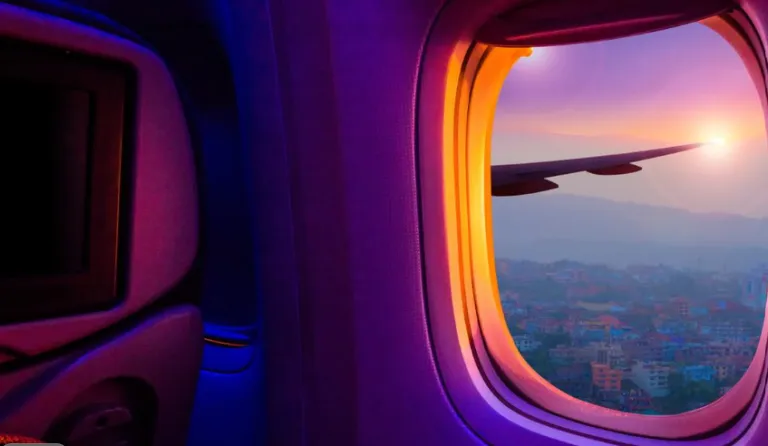
You may have also noticed that cabin crew sometimes ask passengers to raise their window shades before landing.
This is another precautionary safety measure.
Keeping window shades open helps:
Cabin crew observe external conditions, including potential hazards.
Passengers and crew see what is happening outside.
Emergency responders assess the situation inside the aircraft from outside.
Everyone becomes better oriented to the surrounding environment in case of an evacuation.
Together, dimmed cabin lights and open window shades help prepare the aircraft for a possible emergency.
6. Does This Happen During Daytime Flights Too?
Not necessarily. The practice is particularly noticeable during nighttime flights because the difference between bright cabin lighting and darkness outside is much greater.
Airlines may adjust cabin lighting depending on the time of day, weather conditions, aircraft procedures and operational requirements.
During daytime flights, the cabin may not need to be dimmed to the same extent because passengers' eyes are already accustomed to natural light.
Is It Just a Safety Measure or Does It Also Help Passengers Sleep?
Although dimmed lighting can make passengers feel more relaxed, especially during evening flights, its primary purpose during take-off and landing is safety.
Airlines may also adjust cabin lighting during long-haul flights to help passengers rest and maintain a comfortable cabin environment.
However, the lighting adjustment before landing is not simply about making passengers comfortable. It is an important part of preparing the aircraft for one of the most critical phases of a flight.
Frequently Asked Questions
1. Why do flight attendants dim the lights before landing?
They dim the cabin lights to help passengers' eyes adjust to darkness, making emergency exit signs and lighting easier to identify.
2. Why are airplane lights turned off during take-off?
On nighttime flights, cabin lighting may be reduced during take-off for similar emergency-preparedness reasons.
3. Why do flight attendants ask passengers to open window shades before landing?
Open window shades help crew members observe external conditions and allow passengers and emergency responders to see outside or inside the aircraft.
4. Are airplane cabin lights dimmed during emergency landings?
Lighting procedures depend on the situation and aircraft operating procedures. The crew prioritises visibility and safety during an emergency.
Final Thoughts
The next time your flight attendant dims the cabin lights before landing, remember that it isn't just an attempt to create a peaceful atmosphere.
It's a small but important aviation safety precaution designed to prepare passengers and crew for unexpected situations. Something as simple as adjusting the cabin lighting can help people respond more effectively when every second matters.
Published at
About Author

Atihsin
Subscribe our Newsletter
Get our weekly tips and travel news!
Related Posts
Singapore Airlines First Class Cabin Experience: A Luxurious Journey
Singapore Airlines is known for its excellent customer service and luxurious cabin experiences, and its first class cabin is no exception.
What is Air India First Class and Business Class is like?
Air India is the national carrier of India and offers a variety of cabin classes, including First Class and Business Class. These two classes offer passengers a luxurious and comfortable travel experience.
Get Ready for Passport-Free Entry to Dubai and Singapore in 2024
Singapore Changi Airport and Dubai International Airport, two of the world's busiest airports, are set to go passport-free in early 2024, as biometric technology takes over the need for passports.
Hill stations in India that you can take Direct Flights to
Embark on a journey to India's captivating hill stations. In this blog, discover the magic of reaching these elevated retreats with ease through direct flights. From serene landscapes to soaring peaks, explore the beauty of India.
Cheapest Domestic flights on Dec 23rd and Jan 24
Discover vibrant Kolkata, experience Kerala's backwaters, and marvel at the Taj Mahal. With this blog, unlock affordable flights for budget-friendly adventures, whether you're a seasoned traveler or a first-time wanderer.
Latest Posts
Countries Where the Indian Rupee Has Better Purchasing Power
Discover 7 countries where the Indian rupee offers better purchasing power in 2026. Explore affordable international destinations with favourable exchange rates, budget-friendly stays, local food and unforgettable travel experiences.
Best Countries to Visit Without a Visa for Indians in 2027
Discover destinations Indian passport holders can currently visit visa-free in 2027, including Nepal, Bhutan, Mauritius, Thailand, Fiji and more.
Bengaluru Pink Line Metro Route, Stations and Timings (2026)
Bengaluru's Namma Metro Pink Line begins passenger services on November 14, 2026. Check the 7.5-km elevated route, six stations, train frequency and interchange facilities.
Three Konkan beaches, Ladghar, Guhagar and Shrivardhan, receive international Blue Flag certification for the first time, putting Maharashtra's coastline in the spotlight.
Bengaluru Metro Pink Line Launch on November 13: New Metro Route
Bengaluru's Metro Pink Line and Bengaluru–Mangaluru–Madgaon Vande Bharat Express are set to launch on November 13, 2026. Here's everything travellers and commuters need to know.