
Three Maharashtra Beaches Receive International Blue Flag Certification for the First Time: Ladghar, Guhagar and Shrivardhan Make the List
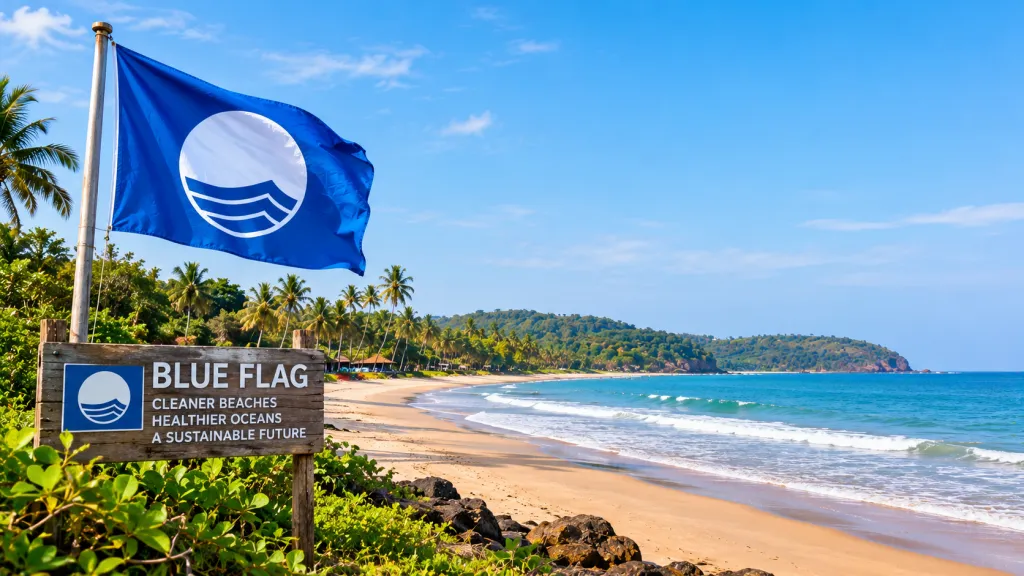
Maharashtra's Konkan coastline has earned international recognition, with three of its beaches receiving the prestigious Blue Flag certification for the 2026-27 season. Ladghar and Guhagar in Ratnagiri district, along with Shrivardhan in Raigad district, have made it to the international list for the first time, marking an important milestone for coastal tourism in the state.
The recognition puts Maharashtra on India's growing list of destinations meeting internationally recognised standards for beach cleanliness, environmental conservation, water quality and visitor safety.
For travellers looking beyond crowded city beaches and conventional holiday destinations, this development brings renewed attention to the Konkan coastline. Known for its scenic shores, fishing villages, seafood and relatively peaceful coastal landscapes, the region could see greater interest from domestic and international tourists.
The Blue Flag recognition is not simply about having a beautiful beach. It reflects efforts to maintain coastal environments while making them safer, cleaner and more accessible for visitors.
Which Three Maharashtra Beaches Received Blue Flag Certification?
The three beaches recognised for the 2026-27 season are:
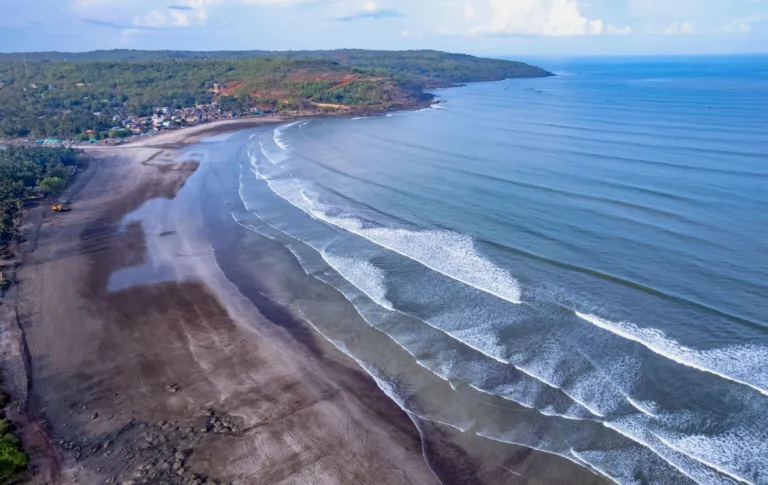
1. Ladghar Beach - Ratnagiri
Located along the Konkan coast, Ladghar is known for its long shoreline, coastal scenery and relatively relaxed atmosphere. It is an appealing destination for travellers looking for a quieter beach holiday.
 2. Guhagar Beach - Ratnagiri
Guhagar is popular for its expansive sandy shoreline, coconut plantations and peaceful surroundings. The beach is also a convenient addition to a Konkan coastal road trip.
 3. Shrivardhan Beach - Raigad
Shrivardhan is known for its picturesque coastline, broad sandy stretches and relaxed coastal-town atmosphere. It is also a popular stop for travellers exploring the Raigad-Konkan region.
The three beaches are among nine newly recognised beaches in India for the 2026-27 season. Across the country, 22 beaches have received Blue Flag recognition, including 13 beaches whose certifications have been renewed.
The Blue Flag season for the three Maharashtra beaches is scheduled to begin on November 15, 2026.
What Is Blue Flag Certification and Why Is It Important?
The Blue Flag is an internationally recognised eco-label awarded to beaches, marinas and sustainable tourism boat operators that meet strict environmental and safety requirements.
The programme is operated by the Foundation for Environmental Education (FEE), a Denmark-based non-profit organisation.
Unlike conventional tourism awards that primarily recognise popularity or scenic beauty, Blue Flag certification focuses on how responsibly a coastal destination is managed.
To qualify, beaches must meet a set of criteria covering four major areas:
Water quality: Regular monitoring to ensure bathing water meets prescribed standards and is suitable for visitors.
Environmental management: Proper waste disposal, sanitation, cleanliness and protection of coastal ecosystems.
Environmental education: Availability of information about local biodiversity, environmental practices and responsible tourism.
Safety and services: Appropriate safety arrangements, emergency facilities, visitor amenities and accessibility.
The certification involves meeting a comprehensive set of international criteria. It is also subject to periodic assessment, meaning that beaches must continue maintaining the required standards rather than relying on a one-time achievement.
Green Tribunal+1
Why Is This Recognition Significant for Maharashtra's Konkan Coast?
Maharashtra has a coastline stretching across several districts, with numerous beaches, fishing settlements and ecologically important coastal areas.
Despite its natural beauty, the Konkan region has often received less international attention than some of India's more commercially established beach destinations.
The Blue Flag recognition could help change that.
1. Greater international tourism visibility
International environmental recognition can make destinations more attractive to travellers looking for clean, responsibly managed beaches. Ladghar, Guhagar and Shrivardhan could gain greater visibility among tourists planning holidays along India's western coast.
2. Improved beach management
Maintaining Blue Flag standards requires continuous attention to waste management, sanitation, water quality and visitor safety. These practices can improve the overall experience for tourists and local residents.
3. Opportunities for local businesses
An increase in tourism could create opportunities for homestays, local restaurants, transport operators, tour guides and small businesses. Coastal communities could benefit from increased demand for locally provided services.
4. Greater awareness of marine conservation
The certification also draws attention to the importance of protecting marine ecosystems. Responsible tourism practices can help reduce pollution, protect biodiversity and encourage visitors to respect fragile coastal environments.
Best Time to Visit Ladghar, Guhagar and Shrivardhan
The Konkan coastline experiences a tropical climate, with hot summers, heavy monsoon rainfall and relatively pleasant winters.
For travellers planning a beach holiday, the winter months are generally among the most comfortable.
Season | Travel experience |
October-February | Pleasant weather, suitable for beach visits and sightseeing |
March-May | Hot and humid, better suited to shorter beach visits |
June-September | Heavy monsoon rainfall, rough seas and possible travel disruptions |
October to February is generally the best period to explore these three beaches, although weather and sea conditions should always be checked before travelling.
Other Places to Explore Around These Blue Flag Beaches
A trip to the Konkan coast does not have to end at the beach. Travellers can combine their visits with nearby coastal attractions, temples and scenic locations.
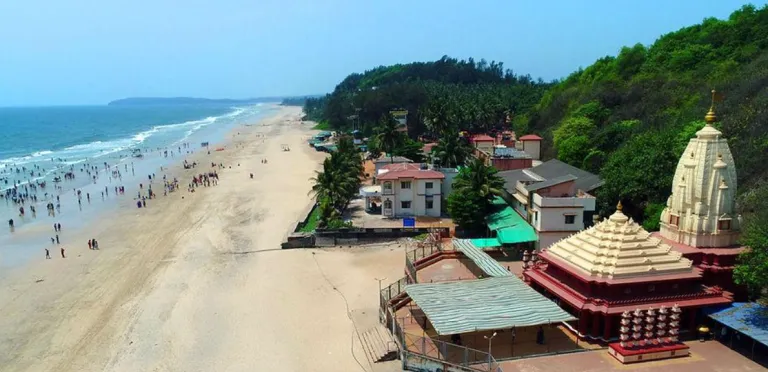
Ganpatipule
Famous for its beautiful beach and the well-known Ganpatipule Ganpati Temple. A good addition to a Ratnagiri itinerary.
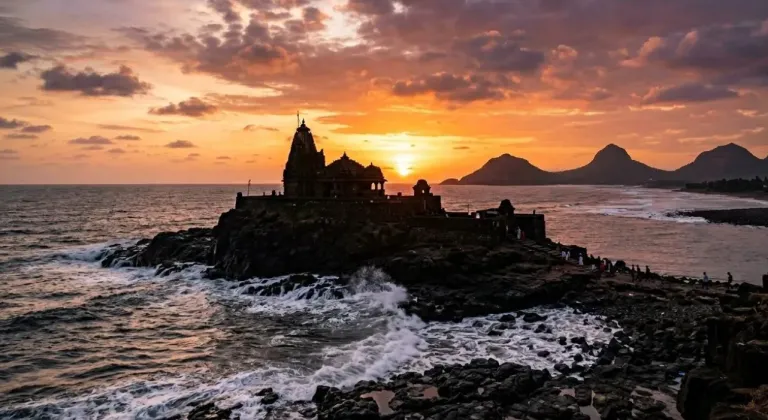
Harihareshwar
Known for its seaside temple, coastal scenery and peaceful surroundings. It can be combined with a Shrivardhan visit.
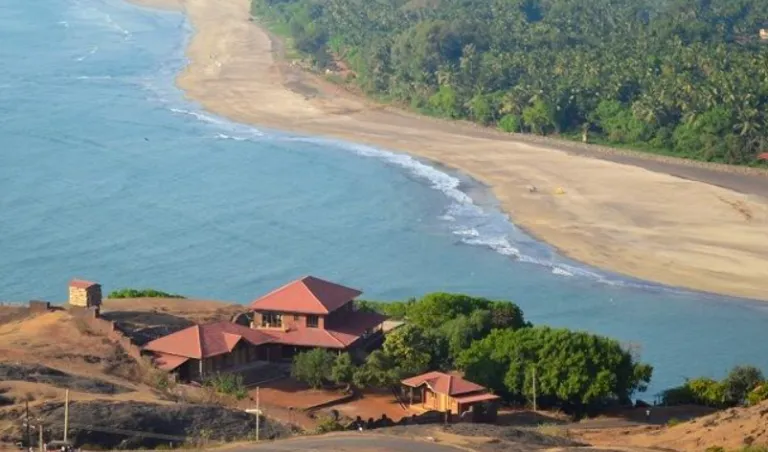 Diveagar
A popular coastal getaway known for its sandy shoreline, coconut plantations and laid-back atmosphere.
What Should Travellers Keep in Mind While Visiting Blue Flag Beaches?
While the certification indicates that a beach meets recognised environmental and safety standards, visitors also have a responsibility to maintain those standards.
A few simple practices can make a difference:
Avoid leaving plastic bottles, food packaging or other waste on the beach.
Follow designated swimming zones and lifeguard instructions.
Avoid disturbing marine animals, nesting sites and coastal vegetation.
Use designated waste disposal facilities.
Respect local fishing communities and their activities.
Check local weather conditions before planning water-based activities.
Blue Flag recognition is most meaningful when visitors and local communities work together to protect the coastline.
Frequently Asked Questions (FAQs)
1. Which Maharashtra beaches received Blue Flag certification in 2026?
Ladghar and Guhagar beaches in Ratnagiri district and Shrivardhan Beach in Raigad district received Blue Flag certification for the 2026-27 season.
2. What is the Blue Flag award for beaches?
Blue Flag is an international eco-label awarded by the Foundation for Environmental Education (FEE) to beaches that meet environmental, cleanliness, water quality, safety and management standards.
3. Is Maharashtra receiving Blue Flag certification for the first time?
Yes. The 2026-27 recognition marks the first time Maharashtra's beaches have appeared on the international Blue Flag list.
4. When does the Blue Flag season begin in Maharashtra?
The Blue Flag season for Ladghar, Guhagar and Shrivardhan is scheduled to begin on November 15, 2026.
5. How many Indian beaches have Blue Flag certification in 2026-27?
A total of 22 Indian beaches have received Blue Flag recognition for the 2026-27 season, including 13 renewed certifications and nine new additions.
6. Who awards the Blue Flag certification?
The certification is awarded through the international Blue Flag programme operated by the Foundation for Environmental Education, headquartered in Denmark.
Conclusion
The Blue Flag recognition for Ladghar, Guhagar and Shrivardhan is an important step towards putting Maharashtra's Konkan coastline on the international tourism map.
Beyond attracting more visitors, the recognition highlights the importance of maintaining clean beaches, protecting marine ecosystems and developing tourism infrastructure responsibly.
For travellers, this could be another reason to explore the Konkan region. For local communities, it presents an opportunity to benefit from tourism while preserving the natural landscapes that make these destinations special.
As India's coastal tourism industry continues to grow, the challenge will be to ensure that increased visitor numbers do not come at the cost of the environment.
Published at
About Author

Atihsin
Subscribe our Newsletter
Get our weekly tips and travel news!
Related Posts
Bengaluru tops the "Most livable cities in India 2024" List
According to the data released by Ease of Living Index, Bengaluru has earned the prestigious title of the most livable city in India in 2024!
13 Castle hotels of India: A dreamy stays
Discover regal luxury at India's castle hotels! From Mehrangarh Fort in Jodhpur to Chateau Woods in Kerala, immerse yourself in history and luxury. Indulge in royal accommodations and cultural experiences. Experience the magic of India's heritage!
Picture Perfect Cherry Blossom Destinations in India
Picture Perfect Cherry Blossom Destinations in India
10 Places in India That Are Currently Snowing
10 magical, snowy places in India perfect for your dream winter vacation!
Smog and Travel in India: How Pollution Is Changing Our Vacation Choices
Tired of smog? You are not alone!
Latest Posts
Bengaluru Metro Pink Line Launch on November 13: New Metro Route
Bengaluru's Metro Pink Line and Bengaluru–Mangaluru–Madgaon Vande Bharat Express are set to launch on November 13, 2026. Here's everything travellers and commuters need to know.
Bengaluru to Goa Vande Bharat Express 2026 – Route, Stops, Timings and 13-Hour 20-Minute Journey
The Bengaluru–Goa Vande Bharat Express is expected to start regular services on 15 November 2026. Check its route, stops, timings and 13-hour 20-minute journey.
Top 5 Best Train Travel Holidays in the World: Journeys That Are Worth the Ride
From luxurious royal trains to breathtaking mountain railways, explore five of the world's best train travel holidays and discover journeys where the experience is just as extraordinary as the destination.
Hotel Booking Scams: 10 Common Tricks Travellers Should Watch Out For
Fake hotel websites, fraudulent payment links and misleading accommodation listings can ruin a holiday before it begins. Learn how hotel booking scams work, how to spot warning signs and what to do if you become a victim.
Missed your international connecting flight due to delays, immigration queues or terminal changes? Here's what happens next, who pays for a replacement ticket and how to avoid getting stranded.