
Things to Do in Burkina Faso: Food, Culture and Unique Travel Experiences
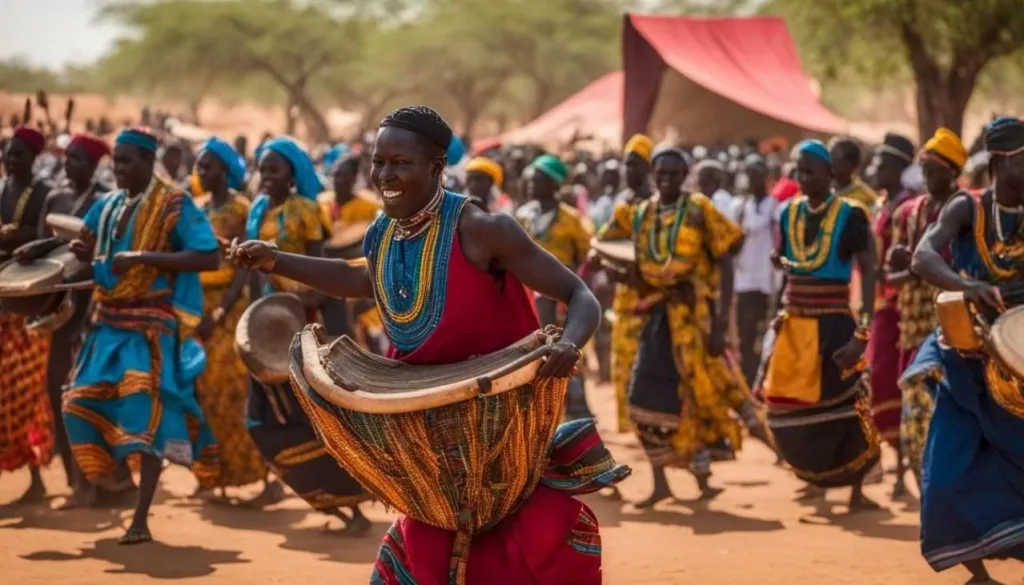
Burkina Faso, located in West Africa, offers a fascinating mix of traditional music, colourful markets, distinctive cuisine, local craftsmanship and striking natural landscapes. Often overlooked by mainstream tourism, the country has a rich cultural identity shaped by its many communities, languages and traditions.
From exploring the cultural heritage of Ouagadougou to discovering traditional textiles and learning about Burkinabè food, there is plenty to explore for travellers interested in authentic African culture.
Important travel advisory: As of October 2026, several governments advise against all travel to Burkina Faso because of terrorism, kidnapping and serious security risks. The experiences described below are intended as travel inspiration and cultural information, not a recommendation to visit at present. Check current official advisories before making any plans.
1. Discover the Cultural Side of Ouagadougou
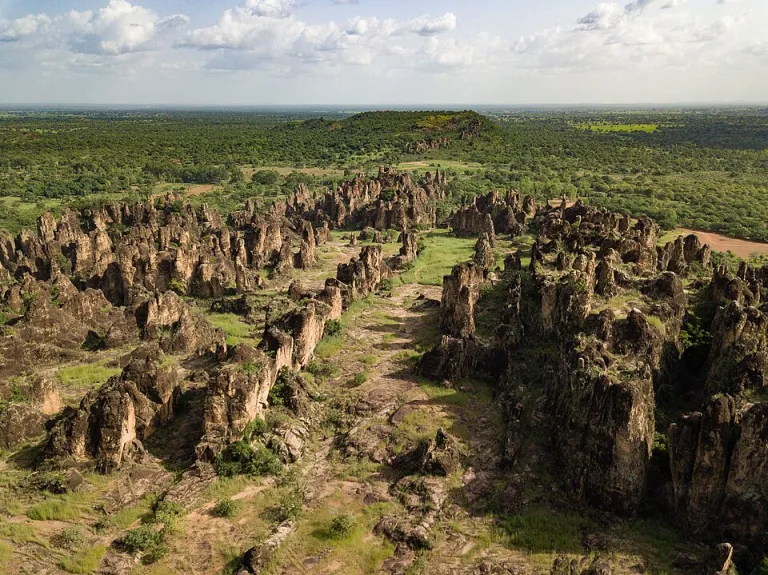 Image credit: Rwhaun, CC BY-SA 4.0, via Wikimedia Commons
Ouagadougou, the capital of Burkina Faso, is the country's political and cultural centre. Its museums, traditional arts, markets and music traditions offer insight into everyday life and the country's diverse heritage.
The National Museum of Burkina Faso and the National Museum of Music are useful starting points for learning about local history, traditional instruments, clothing and artistic traditions. The city's cultural institutions also help visitors understand the role of music, storytelling and craftsmanship in Burkinabè society.
Traditional architecture, local art and community celebrations are important parts of the city's cultural identity. When conditions permit, guided cultural visits can offer deeper context than sightseeing alone.
2. Experience the Vibrant Music and Dance Traditions
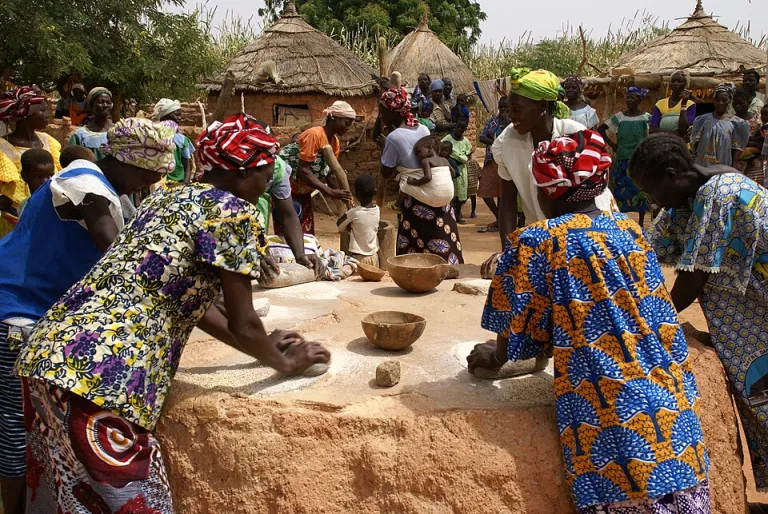 Image credit: Javier Mármol, CIDSE, CC BY 2.0, via Wikimedia CommonsMusic is an important part of cultural life in Burkina Faso. Traditional percussion, drums, balafons and rhythmic dance performances feature in celebrations and community gatherings.
Different communities have their own musical styles, instruments and performance traditions. Modern Burkinabè musicians also blend traditional sounds with contemporary African genres, creating a lively music scene.
For culturally curious travellers, music performances and cultural centres are excellent ways to learn about the country's artistic heritage. Always check event schedules and current safety guidance before considering attendance.
3. Explore Traditional Textiles and Handmade Crafts
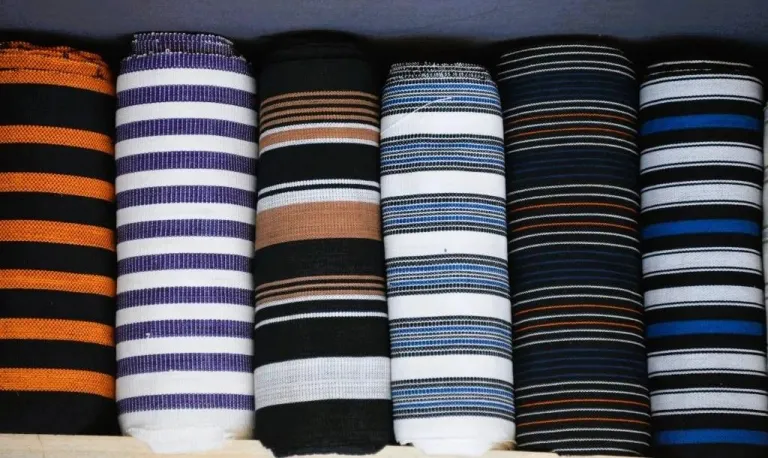
Burkina Faso has a strong tradition of weaving, dyeing, pottery, leatherwork and wood carving. One of its best-known cultural products is Faso Dan Fani, a traditional handwoven cotton fabric associated with national identity and local craftsmanship.
The fabric is used to create clothing, accessories and contemporary fashion pieces. Its distinctive woven patterns make it a particularly interesting example of how traditional techniques continue to influence modern design.
The International Arts and Crafts Fair of Ouagadougou, known as SIAO, is a major event celebrating African craftsmanship. Traditionally held every two years, it brings together artisans and exhibitors working across a wide range of crafts.
For anyone interested in fashion, textiles and handmade products, Burkina Faso's craft traditions offer a fascinating glimpse into the creativity and skills passed between generations.
4. Taste Traditional Burkinabè Food
Food is one of the most rewarding ways to understand a country's culture. Burkinabè cuisine makes extensive use of grains, vegetables, legumes, groundnuts and locally available ingredients.
Here are some dishes worth knowing about.
Tô
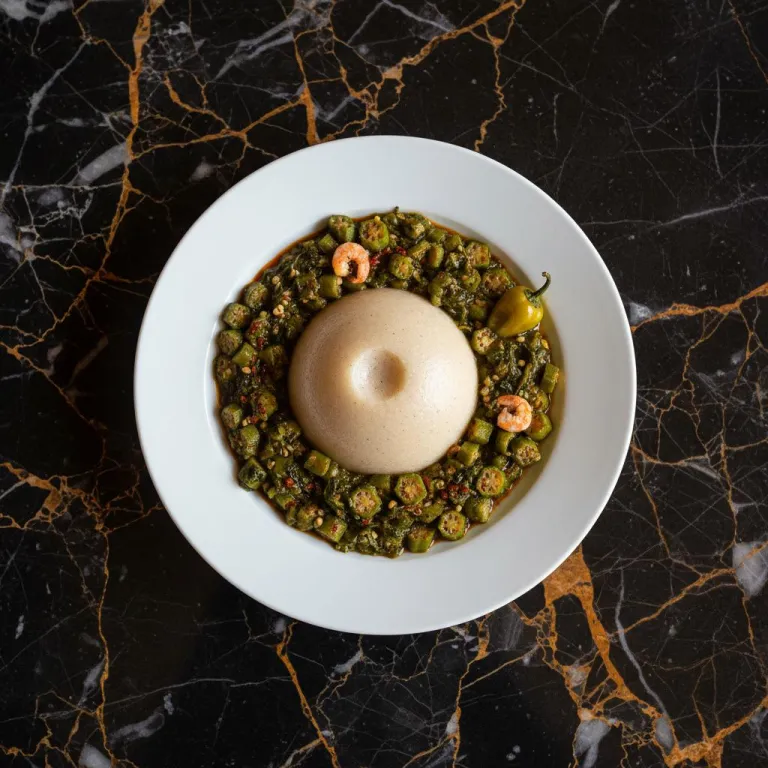
Tô is one of the country's staple foods. It is a firm, dough-like preparation commonly made from millet, sorghum or maize flour and served with a vegetable, okra or other savoury sauce.
The dish is filling and reflects the importance of locally grown grains in everyday cooking.
Riz gras
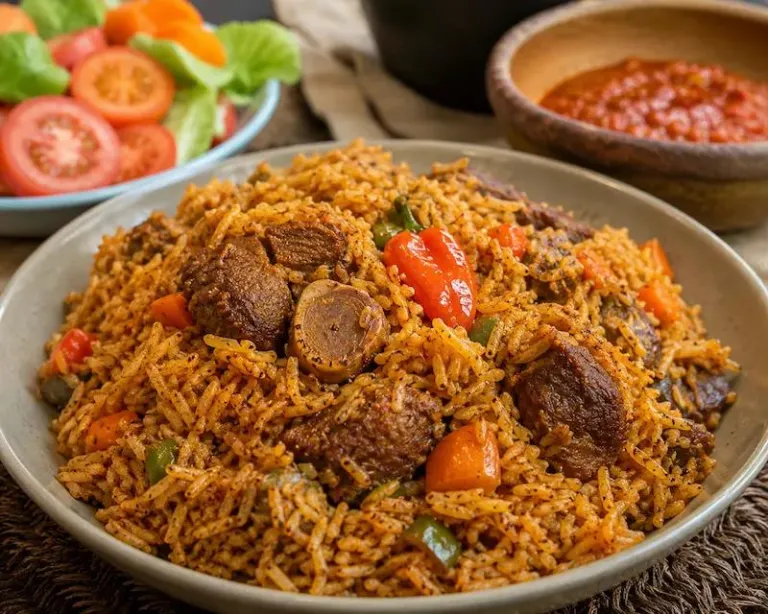
Riz gras is a popular rice dish cooked with ingredients such as tomatoes, onions, oil and seasonings, sometimes with meat or vegetables. Similar rice dishes are enjoyed across West Africa, with regional variations in preparation and flavour.
Babenda
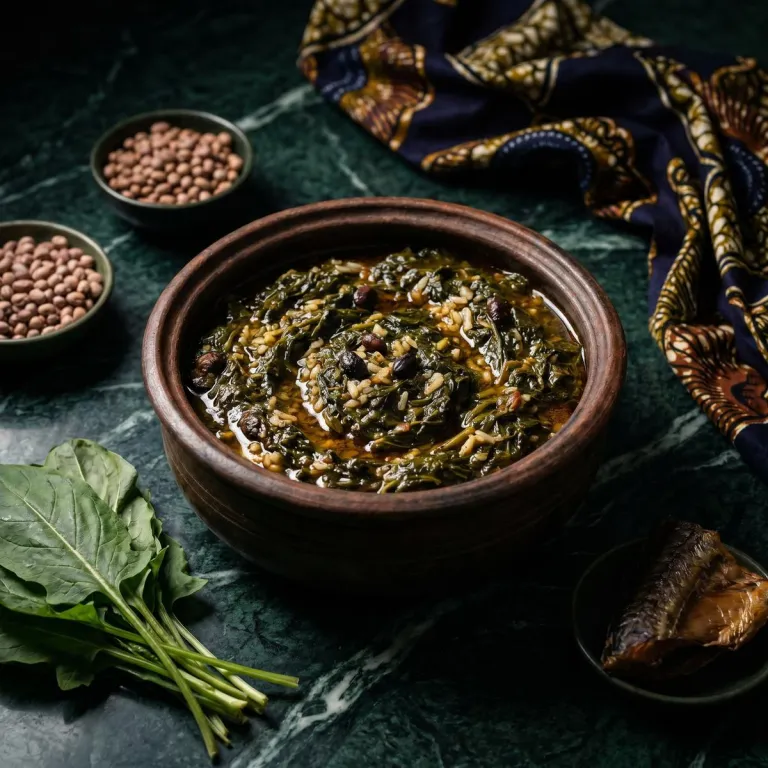
Babenda is a traditional dish commonly prepared with leafy greens and other ingredients, which may include grains or fermented products depending on the recipe. It offers a taste of the region's resourceful, ingredient-led cooking.
Brochettes
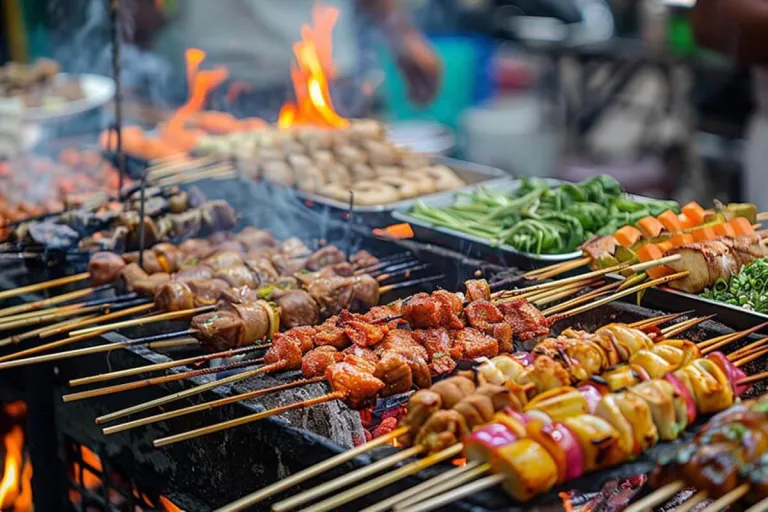
Grilled meat skewers, often made with beef or other meats, are enjoyed in Burkina Faso and throughout West Africa. Served with onions, spices or accompaniments, they are a familiar feature of the region's food culture.
Local drinks
Bissap, a refreshing drink made from hibiscus flowers, is popular in many West African countries. Ginger drinks are also common. In some communities, dolo, a traditional fermented sorghum drink, has cultural significance.
Recipes and ingredients vary by region and household, making local food traditions an important part of Burkina Faso's cultural diversity.
5. Learn About Burkina Faso's Festivals
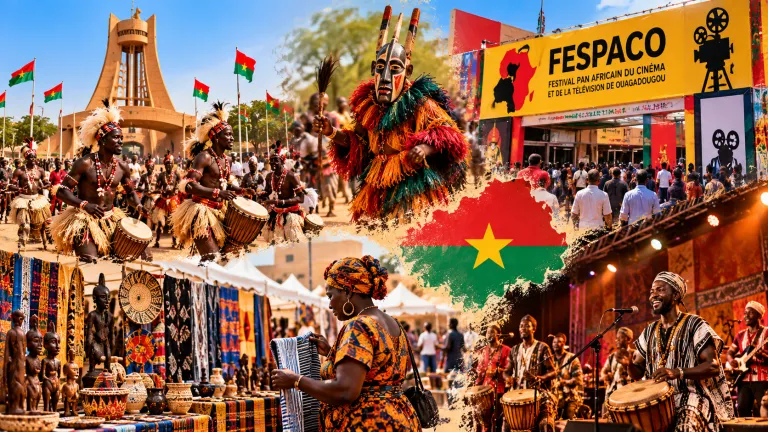
Burkina Faso has a lively cultural calendar, with events dedicated to cinema, arts, music and traditional heritage.
FESPACO - Pan-African Film and Television Festival of Ouagadougou: One of Africa's best-known film festivals, FESPACO celebrates African cinema and brings filmmakers, actors and audiences together. It is traditionally held every two years in February during odd-numbered years.
SIAO - International Arts and Crafts Fair of Ouagadougou: This major event showcases traditional and contemporary African craftsmanship, including textiles, jewellery, sculpture and decorative arts. It traditionally takes place every two years around late October and early November during even-numbered years.
National Culture Week: Known as Semaine Nationale de la Culture, this event celebrates Burkinabè music, dance, performance and artistic traditions in Bobo-Dioulasso.
These festivals highlight the country's cultural influence beyond its borders. However, travellers should not assume that an event is safe to attend simply because it is officially scheduled; current security conditions and official guidance must take priority.
6. Discover the Country's Natural Landscapes
Burkina Faso's geography includes savannah landscapes, rock formations, waterfalls and historically significant sites.
The Sindou Peaks, known for their unusual sandstone formations, are recognised for their distinctive natural scenery. The Banfora area is also known for waterfalls and the surrounding landscape, while Lake Tengrela has historically attracted interest for its natural setting and wildlife.
The Loropéni Ruins, a UNESCO World Heritage Site, preserve remains associated with the region's historic trans-Saharan gold trade and are significant to the area's cultural heritage.
These places demonstrate that Burkina Faso's appeal extends beyond its cities and cultural events. Nevertheless, many natural and historic attractions are outside major urban centres, and road travel can carry serious security risks. They should not be treated as currently accessible tourist destinations without authoritative confirmation.
7. Understand Local Customs and Everyday Life
Burkina Faso is home to numerous ethnic communities and more than 60 languages. Mooré and Dioula are among the widely used local languages, while French has historically served as an official language; language policies and official designations can change.
Respect for elders, greetings and hospitality are important in many communities, although customs differ across regions and households.
Anyone learning about Burkinabè culture should also understand the significance of traditional clothing, oral storytelling, community celebrations and craftsmanship. Asking permission before photographing people, dressing respectfully at religious sites and learning a few local greetings are thoughtful ways to approach cultural exchange.
8. When Is the Best Time to Visit Burkina Faso?
Climatically, the dry season, particularly from November to February, has traditionally been considered more comfortable for exploring much of Burkina Faso. Temperatures can be more manageable than during the hotter months, and rainfall is generally lower.
The rainy season typically falls between June and October, although local conditions vary. Heavy rain can affect road access and travel times.
However, favourable weather does not mean travel is safe. Current government advisories warn of serious security threats throughout the country, including in the capital. Do not plan a trip based on seasonal recommendations alone.
Final Thoughts
Burkina Faso offers a rich cultural story through its traditional food, handwoven Faso Dan Fani textiles, music, festivals and historic landscapes. Its creative traditions and diverse communities make it an interesting country to learn about for anyone exploring West African culture.
For now, security must remain the deciding factor in any travel decision. With major government advisories warning against travel, the safest approach is to explore Burkina Faso's cultural heritage through reputable museums, cultural institutions and educational resources until official guidance indicates otherwise.
Published at
About Author

Atihsin
Subscribe our Newsletter
Get our weekly tips and travel news!
Related Posts
18 Must-Eat Street Food at Japanese Matsuris
Japan has just entered its hottest, most humid time of the year. Despite the weather, a major upside to this is the many matsuri (Japanese festivals) that pop up during the weekends over t...
12 Insider Tips for Exploring Kochi Like a Local
Discover the spice-scented streets, tranquil backwaters, and vibrant art scene that define this enchanting coastal city in Kerala, India.
10 Best travel hacks for solo travelers in India
Ready for a solo adventure in India? Discover the best travel hacks for solo travelers!
10 Ultimate Hacks to Book the Best Hotels for Cheap
From timing your bookings strategically to leveraging rewards programs and alternative accommodations, learn how to unlock savings and enjoy unforgettable travel experiences on a budget.
10 Common Mistakes Every Traveler Makes
Indian travelers often overpack, skip travel insurance, and neglect local customs. Embrace light packing, smart planning, and cultural respect for a smooth and unforgettable trip.
Latest Posts
Best New Year 2027 Destinations in India by Budget
Looking for a New Year getaway? Explore 10 destinations in India for welcoming 2027, with estimated budgets, things to do and tips for planning an affordable holiday.
Madame Tussauds Singapore Launches Icons of India Diwali Campaign
Madame Tussauds Singapore and MakeMyTrip celebrate Diwali with the Icons of India campaign, featuring Bollywood wax figures and a special Buy One Get One ticket offer.
Best Time to Visit Mexico: Festivals, Hidden Gems & Travel Tips
Discover the best time to visit Mexico, from sunny Caribbean beaches and hidden colonial towns to vibrant festivals like Día de los Muertos and Oaxaca’s Guelaguetza. Explore seasonal travel tips, offbeat destinations, local food experiences and the best m
Best Places to Visit in India During Diwali Holidays 2026
Planning a Diwali holiday in 2026? Explore eight destinations across India, including Ayodhya, Jaipur, Amritsar, Goa and Varanasi, for a memorable festive getaway.
Scenic Group 2027 India & Sri Lanka Cruises: Hooghly River
Scenic Group unveils five luxury India and Sri Lanka journeys for 2027-28, featuring the Scenic Aura’s debut on the Hooghly River. Discover historic Bengal, royal Rajasthan, South India's cultural treasures and Sri Lanka's ancient landmarks through immers